




Period Vernacular Furniture
Period vernacular furniture brings honest regional craftsmanship and rugged domestic utility straight into a modern interior.
Period Vernacular Furniture
Period vernacular furniture comprises utilitarian domestic items shaped by local tradition rather than metropolitan design dictates. When searching for period vernacular furniture, buyers encounter robust everyday items intended for practical household service rather than formal display.
The selections span the seventeenth, eighteenth, and early nineteenth centuries, encompassing forms made for rural households. Tables, armchairs, side chairs, chests and coffers, and settle benches dominate the available inventory.
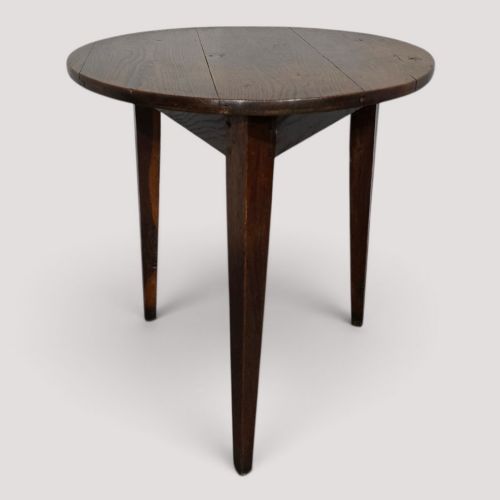
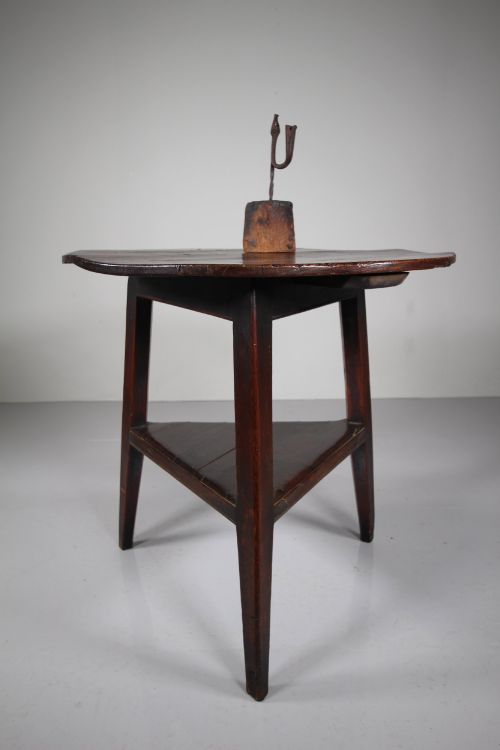
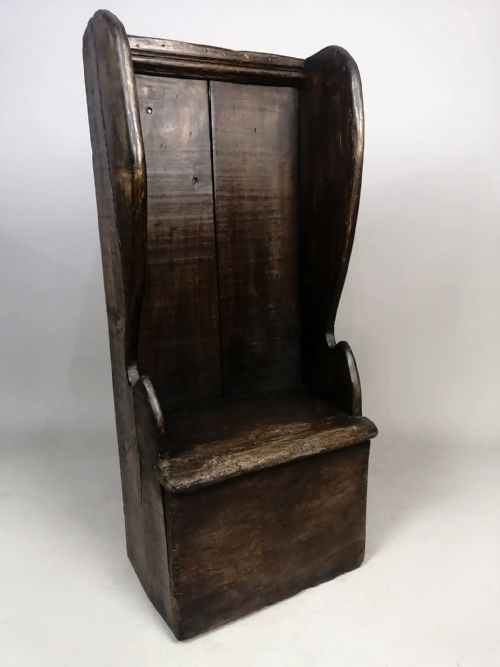
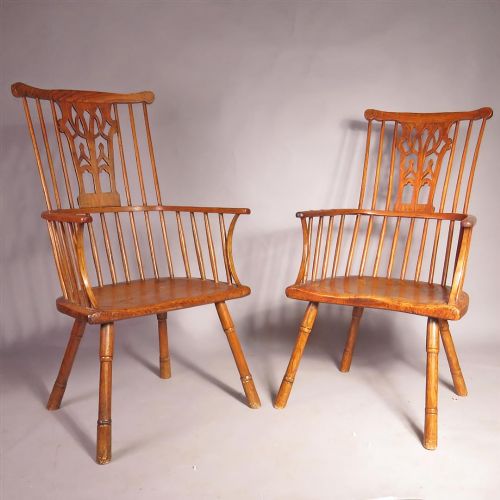
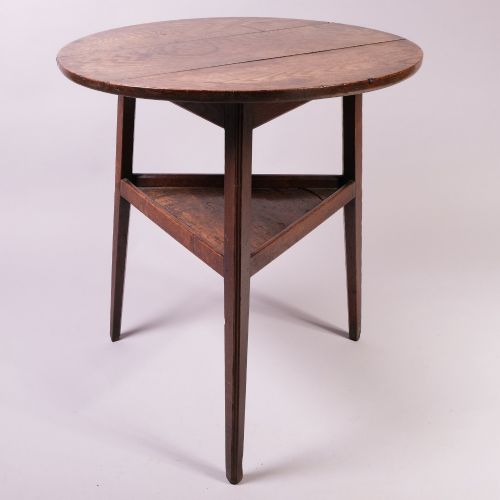
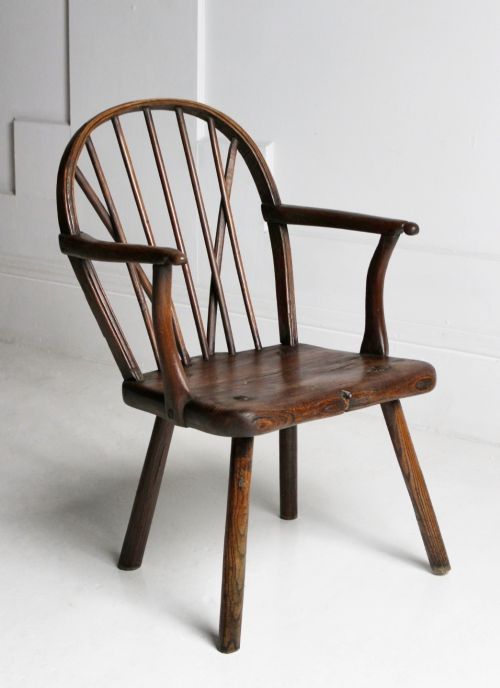
Regional character marks these pieces, particularly through Welsh and English country workshops. Common survivals include cricket tables, Windsor chairs, lambing chairs, and grain arks.
How they were made
Makers utilised native timbers available in their immediate localities, relying principally on oak, elm, ash, and fruitwood. These resilient hardwoods provided the structural strength required for heavy daily use.
Construction techniques prioritised durability and straightforward joinery over ornate embellishment. Cabinet makers and rural joiners employed pegged mortise and tenon joints, turned legs, and stick-back framing.
Period Vernacular Furniture Retail Price Guide 2026
Typical asking prices for period vernacular furniture among the pieces listed under this phrase on Sellingantiques today, from the lower quarter to the upper quarter. They describe what is for sale here now, not the wider market.
Listings feature oak, elm, ash, and fruitwood across the seventeenth, eighteenth, and early nineteenth centuries.
What varies in quality
The integrity of the timber and the balance of proportions distinguish finer examples from standard workshop production. Superior pieces retain their original surface patination and structural cohesion without excessive replacement parts.
The fluency of regional design details, such as comb-back formations on chairs or panelled construction on settles, determines the aesthetic standing of each piece. Honesty of wear and minimal restoration elevate the standing of surviving items.
The Period Vernacular Furniture Glossary
- Cricket table
- A small three-legged table, typically constructed from oak or fruitwood, popular in domestic settings. The three legs provide stability on uneven floors.
- Windsor chair
- A chair built with a solid wooden seat into which the legs and back spindles are wedged directly. Comb-back versions feature a low back crossed by a continuous headrail.
- Grain ark
- A large timber chest traditionally used for storing grain or meal in rural households. These storage pieces often feature robust panelled construction.
- Settle bench
- A high-backed wooden bench designed to block draughts in farmhouse kitchens. Many examples incorporate enclosed seating bases for storage.
- Backstool
- An early term for a side chair without arms, usually featuring a low upholstered or plain wooden back.
Period Vernacular Furniture: Frequently Asked Questions
What is vernacular furniture?
Vernacular furniture refers to domestic pieces made by local craftspeople for everyday regional use rather than following courtly metropolitan fashions. These items reflect the practical needs and available materials of specific rural communities.
Such pieces range from utilitarian tables to seating and storage built during the seventeenth and eighteenth centuries.
How do I identify a cricket table?
A cricket table is easily recognised by its three splayed legs and triangular or round top. This simple three-legged design ensured the table sat flat on uneven stone floors found in older homes.
Most surviving examples utilise native hardwoods like oak or elm.
Were these pieces painted originally?
Most surviving period vernacular items display bare timber surfaces that have developed deep patination over centuries of handling and cleaning. Some utilitarian pieces received protective layers of wax or oil rather than heavy paint.
Exposed grain and natural colour remain standard characteristics across these rural survivals.
How do I care for old oak and elm?
Protecting timber pieces involves keeping them away from direct heat sources and sudden humidity changes. Regular application of traditional beeswax helps maintain the moisture and surface sheen of the wood.
Avoid modern silicone polishes that can penetrate the historic surface layers.