


Period Upholstered Chair
A period upholstered chair brings centuries of timber framing and traditional textiles together into a functional seat for daily use.
Period Upholstered Chair
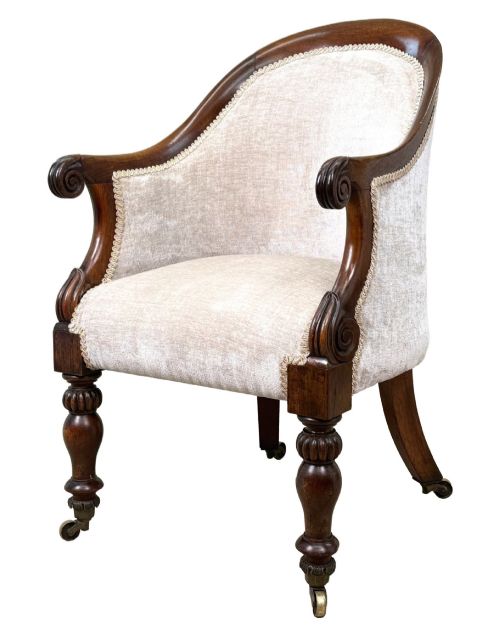
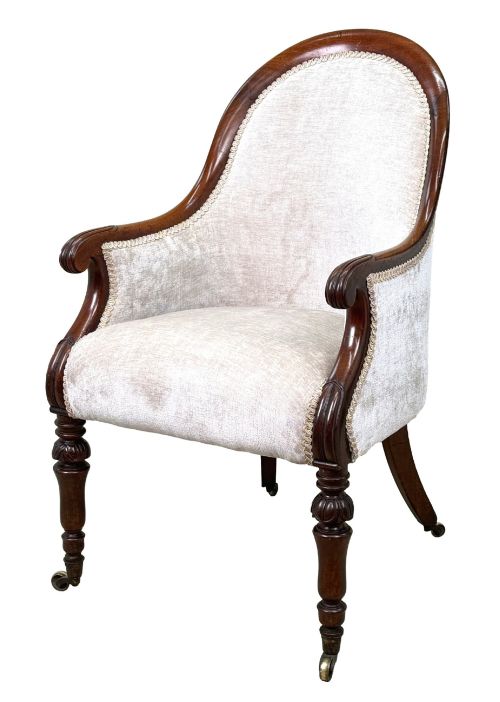
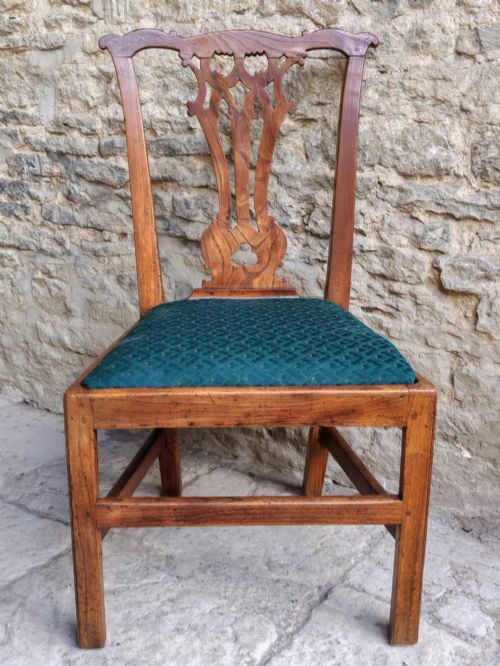
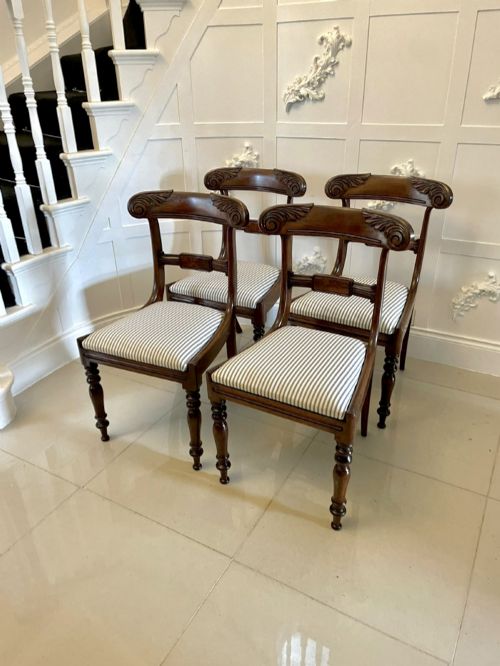
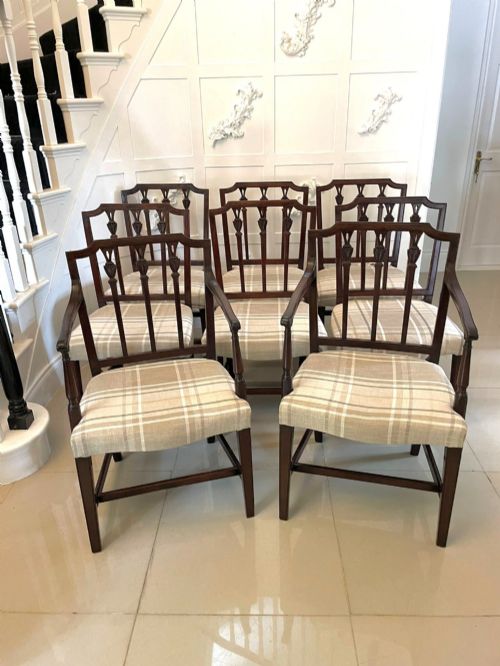
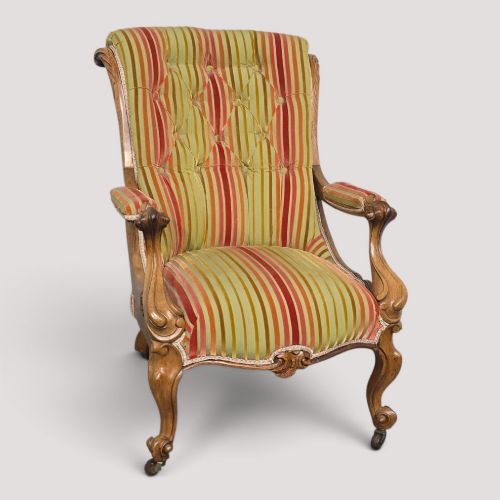
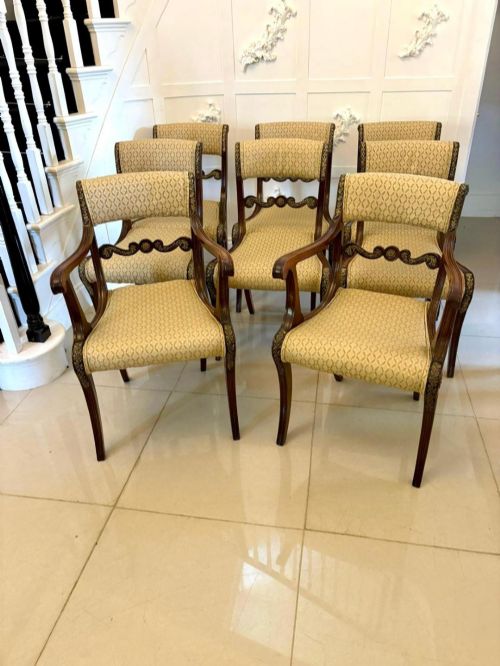
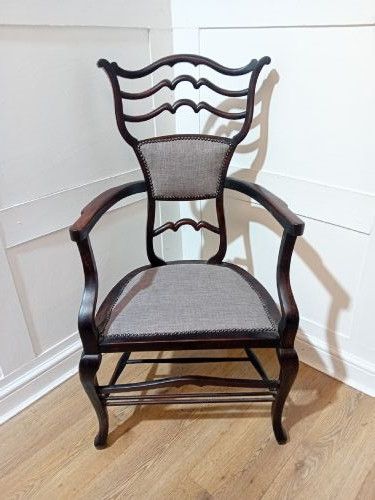
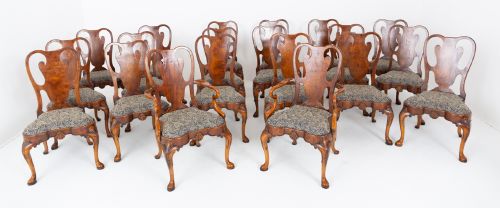
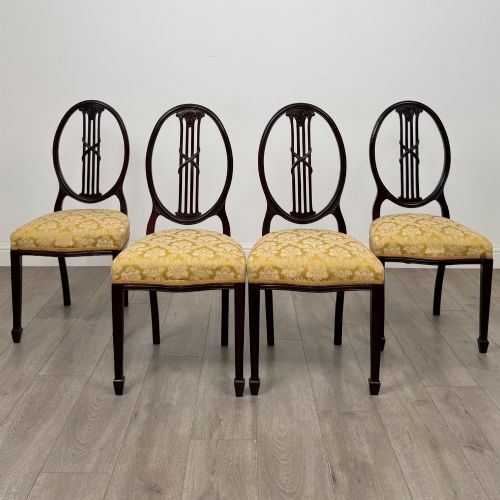
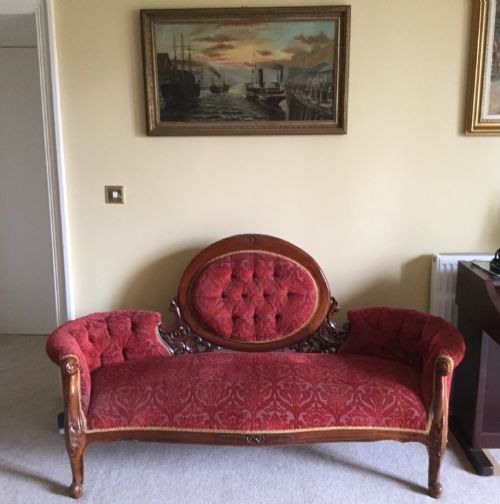
When searching for a period upholstered chair, buyers encounter seating ranging from formal 18th-century mahogany library armchairs to matched sets of dining chairs and compact salon seats. The examples on this page span the Georgian, Regency, Victorian, and Edwardian eras, utilising timber frames paired with diverse textile coverings.
Dining chairs and single armchairs appear frequently in the listings, alongside larger library armchairs upholstered in leather or velvet. These pieces originate from English, Scottish, and French workshops, showing distinct regional turning, carving, and upholstery methods across the centuries.
How they were made
Frames rely on native and imported timbers such as mahogany, walnut, elm, fruitwood, and maple, shaped with mortise and tenon joinery. Carvers embellished rails, splats, and cabriole legs by hand, utilising chisels and gouges to achieve crisp ornamentation on chairs and sofas.
Upholstery techniques combined traditional stuffing materials with durable webbing and springs beneath surface textiles like velvet, brocade, leather, and tapestry. Brass tacks or decorative gimp secured the outer fabric edges to the timber framing.
Listings feature timbers including mahogany, walnut, elm, fruitwood, maple, and beech across multiple centuries.
What varies in quality
The standard of a piece rests upon the crispness of the timber carving and the architectural proportions of the frame. Heavy, solid timber construction with well-defined joinery separates superior examples from simpler utilitarian seating.
Detailing such as figured mahogany veneer, carved scrollwork, and the retention of older or period-appropriate upholstery materials distinguish finer workshop output from standard commercial production.
Charles Tozer·Alfred Allen of Birmingham·Gillows
The Period Upholstered Chair Glossary
- Carver
- An armchair, typically designed en suite with a set of smaller dining chairs for the head of the table.
- Bergère
- An enclosed upholstered armchair with wooden framing exposed around the sides and back, originating in France.
- Shield back
- A chair back shaped like a heraldic shield, commonly associated with late 18th-century design.
- Giltwood
- Timber coated with a thin layer of gold leaf over a prepared gesso ground, seen on formal salon seating.
- Bar back
- A chair featuring a horizontal carved top rail and a central slat resembling the crossbar of a piece of furniture.
Period Upholstered Chair: Frequently Asked Questions
How do I clean old upholstery fabric?
Surface dust can be removed gently using a soft brush attachment on a vacuum cleaner at a low suction setting. Avoid applying water or chemical cleaning agents directly to antique textiles.
For deeper cleaning, consult a specialist conservator who understands historical fabric construction and delicate underlying stuffing materials.
Can I use these chairs for daily dining?
Many sturdy mahogany and walnut dining chairs remain structurally sound for regular household use. Check that the frame joints feel stable before placing them into daily service.
Lighter salon chairs or pieces with fragile gilt finishes suit occasional sitting rather than heavy daily wear.
How do I identify a Regency armchair?
Regency armchairs frequently feature sabre legs, reeded mahogany frames, and brass inlay or mounts reflecting classical revival tastes. Library variants often incorporate leather panels on the armrests or back.
They date from the early 19th century and display simpler, more austere lines than ornate mid-Georgian seating.
What is a Gainsborough chair?
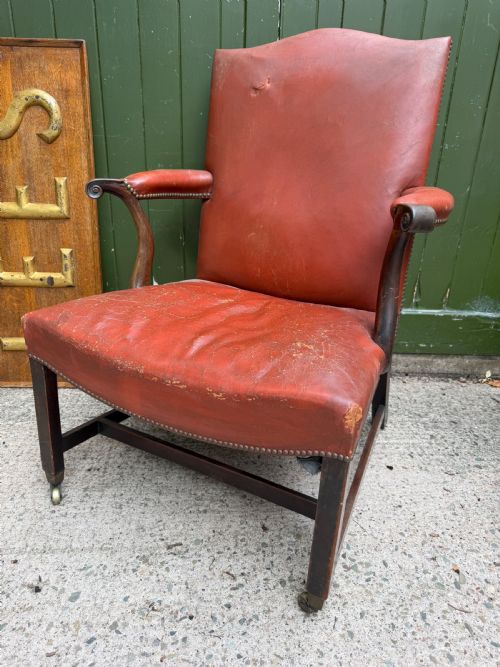
A Gainsborough chair is a wide, open-framed library armchair with padded arms, upholstered seat, and a square back dating from the 18th century. They typically stand on straight or carved cabriole legs.
These chairs were designed for comfort while reading or writing at a desk.