





Period Park Bench
A period park bench grounds an outdoor space with genuine heritage, offering sturdy ironwork and timber forms built to endure the elements.
Period Park Bench
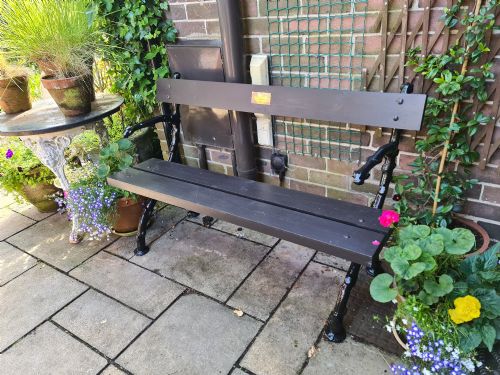
A period park bench brings traditional seating into gardens and outdoor spaces, drawing on nineteenth-century designs that combine metal frames with wooden slats. Buyers seeking a period park bench encounter garden seats, garden chairs, and benches originating from the nineteenth century, including Victorian and Regency eras.
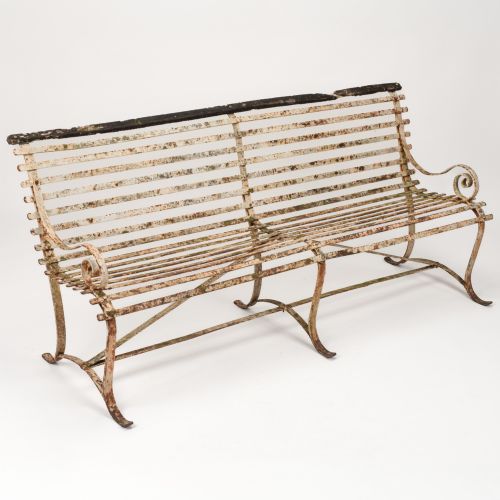
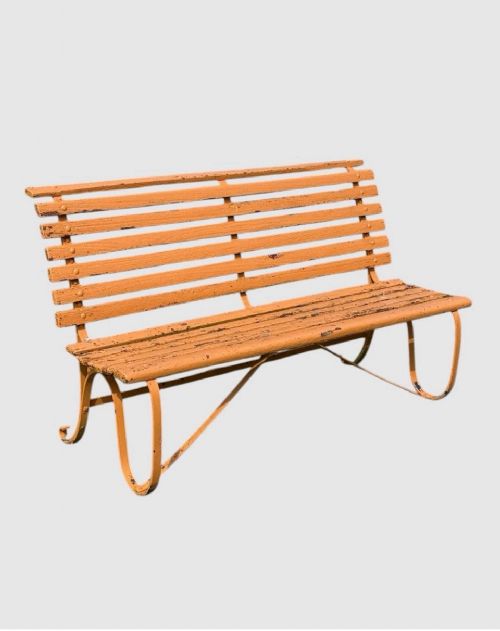
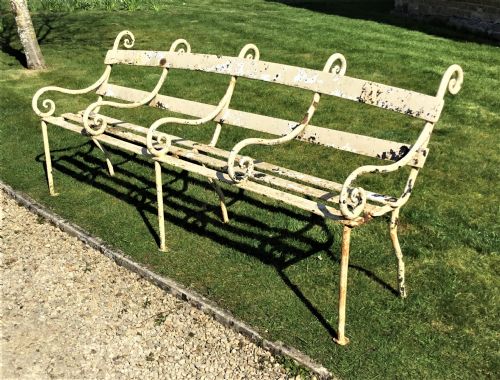
The versions most commonly met on this page feature robust cast iron or wrought iron supports paired with timber slats. These pieces manifest as standard two-seater garden benches, long four-seater seats, and matching pairs designed for patios and lawns.
Materials and construction
Makers constructed these garden seats using durable combinations of cast iron, wrought iron, and timber. Iron frames were formed through casting or strapwork forging, providing heavy, rigid structural support.
Wooden slats were fitted directly into the metal frameworks, utilising traditional fixings and exterior paint finishes to protect the organic materials from weathering.
Period Park Bench Retail Price Guide 2026
Typical asking prices for period park bench among the pieces listed under this phrase on Sellingantiques today, from the lower quarter to the upper quarter. They describe what is for sale here now, not the wider market.
The listings span the nineteenth century, encompassing Victorian and Regency styles built from cast iron, wrought iron, and timber.
Assessing quality
Quality in these outdoor seats rests upon the sophistication of the metalwork, distinguishing refined strapwork and intricate cast ornamentation from simpler utility designs. The crispness of the iron casting and the elegance of the scrollwork or strap patterns dictate the visual tier of the piece.
The integrity of the construction also separates finer examples from standard production, visible in the balance between the heavy metal supports and the fitted timber elements. Pieces retaining their original structural harmony and substantive iron weight sit firmly at the upper end of the range.
The Period Park Bench Glossary
- Cast iron
- A strong, heavy alloy poured into moulds to create decorative bench ends and structural supports. This material allows for intricate relief patterns and substantial weight.
- Wrought iron
- Iron heated and hammered into shape by hand, often utilised for strapwork designs on garden seats. This technique produces flexible, durable metal components with distinct tactile qualities.
- Strapwork
- Flat strips of metal interwoven or arranged in geometric patterns across a bench back or seat. It defines the characteristic Regency and Victorian aesthetic.
- Timber
- Natural wood utilised for the slats and seating surfaces of garden benches. Various woods are selected for their resilience against outdoor conditions.
Period Park Bench: Frequently Asked Questions
How do I care for an iron garden bench?
Maintain the painted surfaces regularly to prevent rust accumulation on the iron components. Keep the timber treated with suitable exterior finishes.
Position the bench on stable, well-drained ground to avoid prolonged contact with standing water or damp soil during winter months.
Can these benches stay outdoors all year?
These pieces are designed for outdoor use and withstand seasonal weather changes effectively. The heavy iron frames provide stability against strong winds.
Protecting the wooden slats with appropriate covers during severe winter weather helps preserve the timber for future seasons.
What is the difference between cast and wrought iron?
Cast iron is poured into moulds, resulting in rigid, highly decorative bench ends featuring elaborate relief work. It provides immense weight and structural permanence.
Wrought iron is worked by hand into linear strapwork patterns, offering resilience and a lighter, more open visual appearance across the backrest.
How do I identify a Regency garden seat?
Regency garden seats typically feature characteristic strapwork iron patterns and balanced proportions dating from the early nineteenth century. Look for restrained geometric lines and lighter metal framing.
These pieces often predate the heavier, highly ornate Victorian designs that emerged later in the century.