




Patio Seating Bench
These patio seating bench examples deliver enduring outdoor utility and period character, bringing heavy metals and weathered timbers straight to the lawn.
Patio Seating Bench
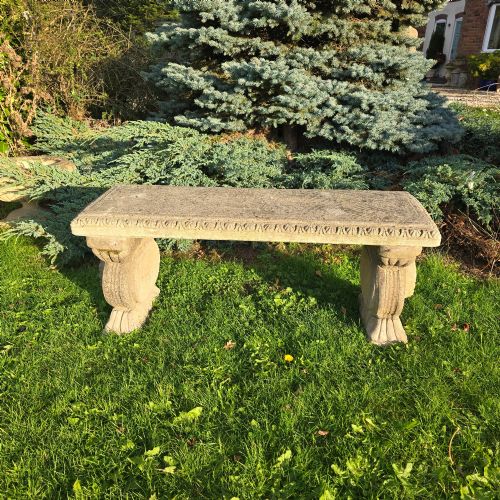
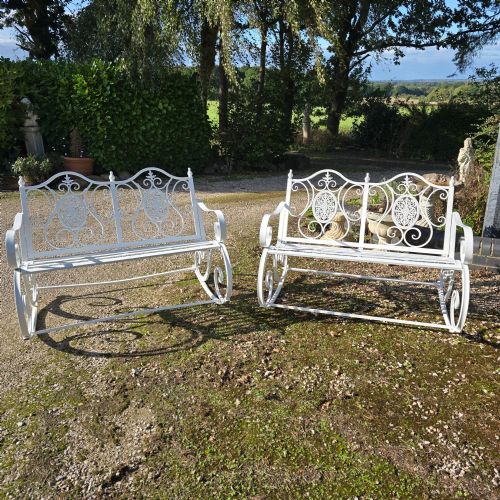
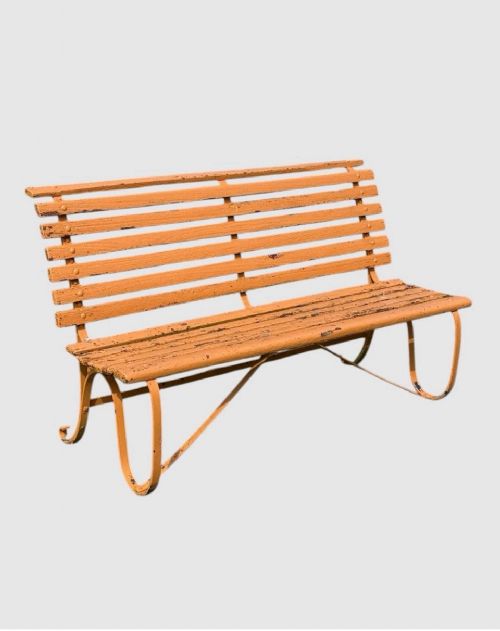
A patio seating bench encompasses robust outdoor forms designed for lawns, parks, and courtyards. The inventory on this page ranges from sturdy garden benches and armchairs to complete garden furniture sets.
Buyers meet pieces spanning the Victorian era through the 1930s, alongside nineteenth-century examples and Regency style items. Materials stretch from cast iron and wrought iron to teak, timber, and wire.
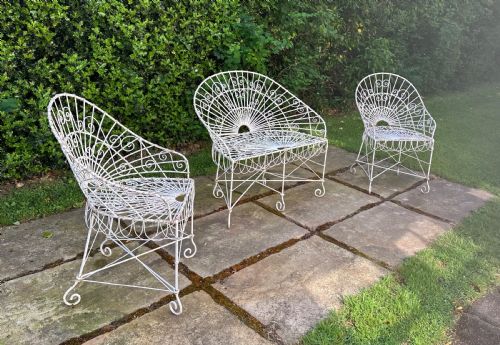
Traditional English garden and French country aesthetics dominate the selection alongside Gothic Revival influences. Many items arrive alongside matching chairs or form parts of larger garden sets.
How they were made
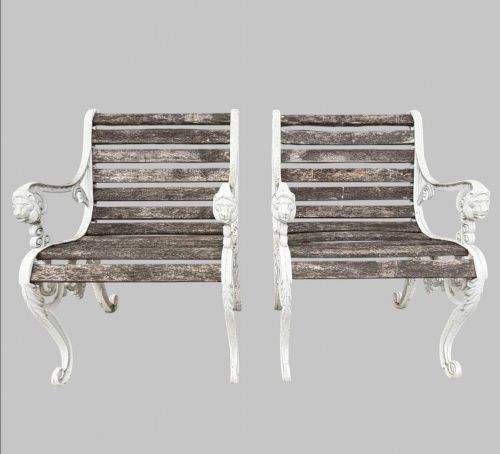
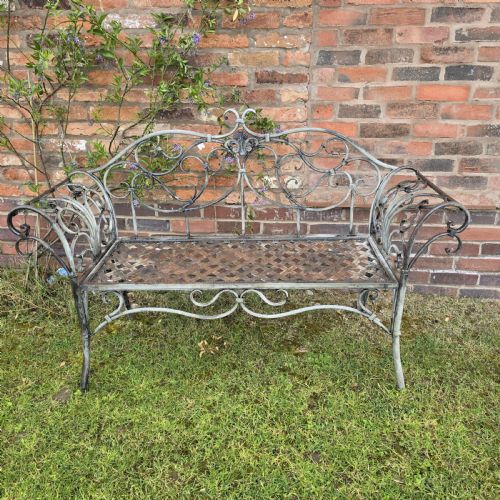
Maker workshops utilised heavy metals like cast iron and wrought iron for structural longevity, often shaping them into strap work, wire frames, and decorative lion mask motifs. Foundries such as Val D'osne produced intricate gothic designs.
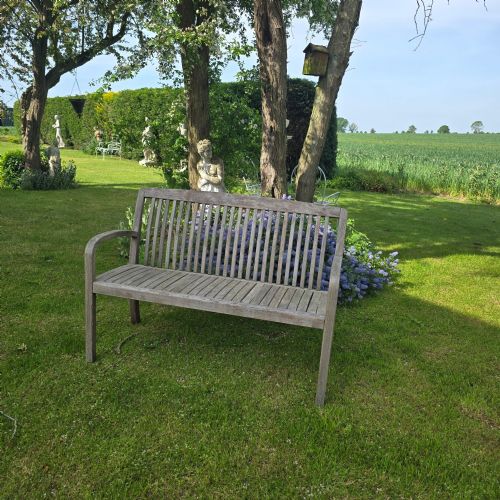
Carpenters worked with durable timbers, notably teak, which weathered the elements while retaining structural integrity. Paint coatings and silvered patinas finished many surfaces to withstand outdoor exposure.
Patio Seating Bench Retail Price Guide 2026
Typical asking prices for patio seating bench among the pieces listed under this phrase on Sellingantiques today, from the lower quarter to the upper quarter. They describe what is for sale here now, not the wider market.
The inventory combines nineteenth-century ironwork with 1930s teak benches and matching garden chair sets.
What varies in quality
The distinction between standard examples and superior specimens rests upon sculptural detail and foundry attribution. Cast iron components displaying crisp relief work like lion masks or gothic tracery indicate higher artisan input.
Timber selection and weathering patterns define the wooden pieces, with dense teak developing an even silvered tone over decades. Matching pairs and complete sets demonstrate greater architectural harmony than single items.
The Patio Seating Bench Glossary
- Cast iron
- A sturdy alloy poured into moulds to create decorative bench ends and seat backs. It provides heavy structural support for outdoor environments.
- Teak
- A dense tropical timber prized for its natural oils that resist moisture and decay. It ages to a silvered finish when exposed to weather.
- Gothic Revival
- An architectural and decorative style drawing on medieval forms. It appears on metal garden furniture through pointed arches and tracery.
- Strap work
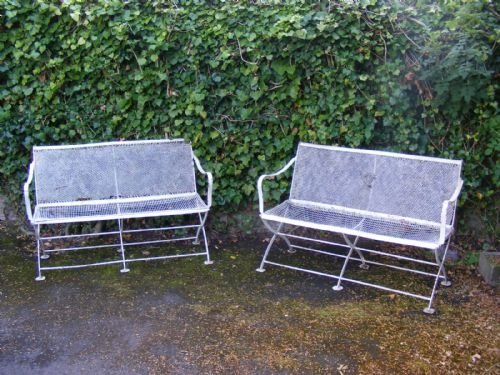
- Flat bands of metal arranged in geometric patterns. This technique forms resilient seats and backs on iron garden benches.
- Wire
- Drawn metal strands woven or welded into lightweight outdoor frames. It offers a contrasting texture to heavy cast iron.
Patio Seating Bench: Frequently Asked Questions
How do I care for a teak bench?
Teak naturally withstands moisture through its own oils, requiring little intervention to maintain strength. Letting the timber weather outdoors develops a characteristic silvered appearance over time.
Cleaning the surface occasionally with mild soapy water removes accumulated debris without stripping the wood's protective qualities.
Are cast iron benches too heavy?
Cast iron construction provides substantial weight that keeps pieces stable on lawns and stone patios without anchoring. This heft prevents tipping during high winds.
Positioning the bench in its permanent spot before heavy use makes handling easier since repositioning requires deliberate effort.
What is Regency style garden furniture?
Regency style draws on early nineteenth-century design principles characterised by classical restraint and clean geometric lines. Iron strap work often defines this aesthetic.
These pieces integrate smoothly into both formal landscaped gardens and relaxed cottage settings.