
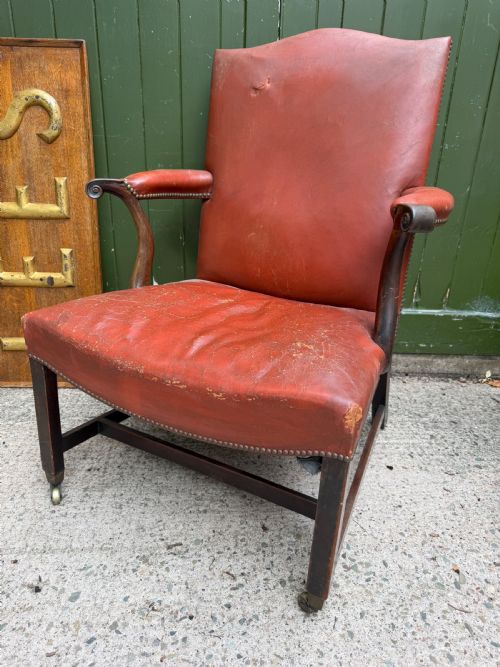
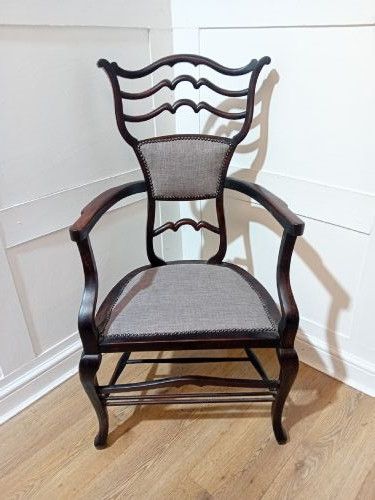
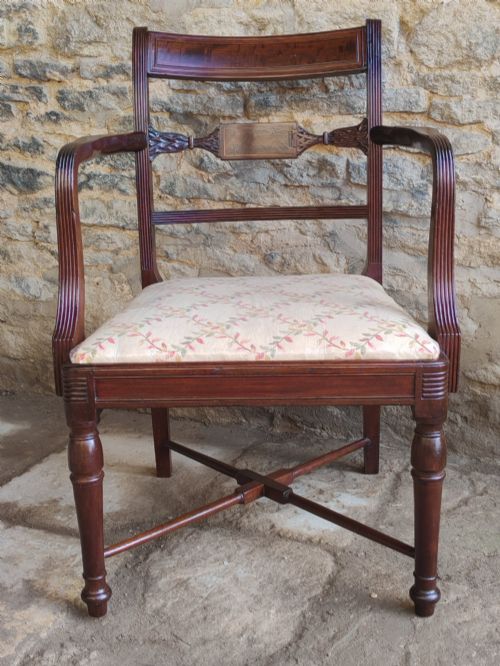

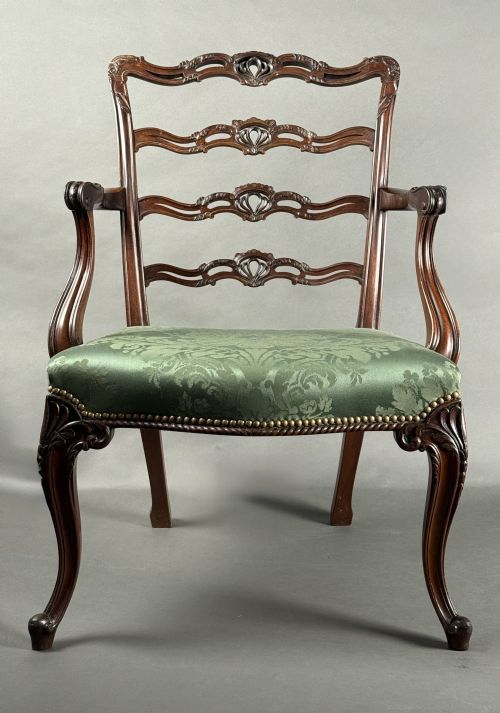
Period Open Armchair
A period open armchair brings solid craft and traditional seating into a room, offering exposed timber frames and upholstered comfort from centuries past.
Period Open Armchair
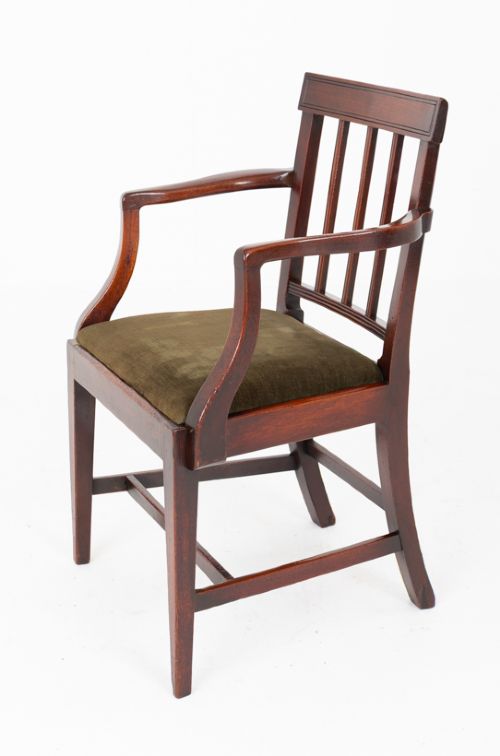
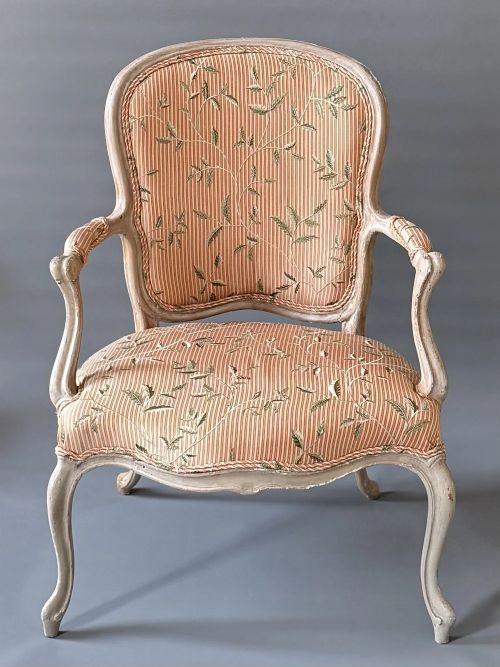
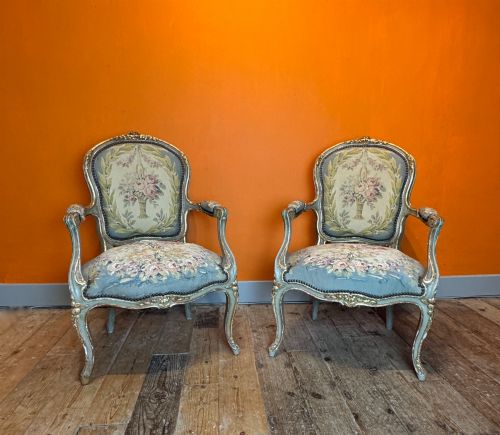
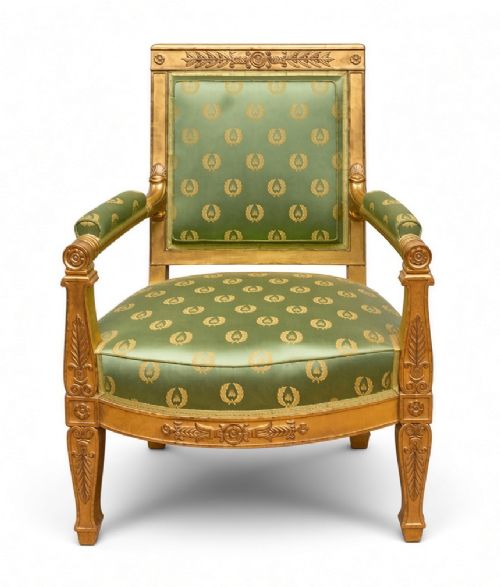
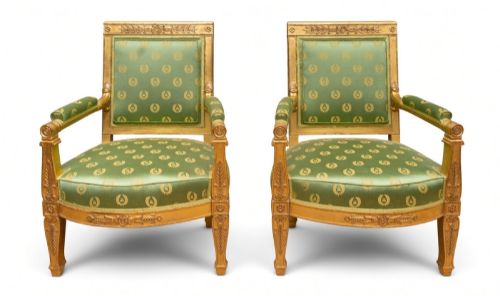
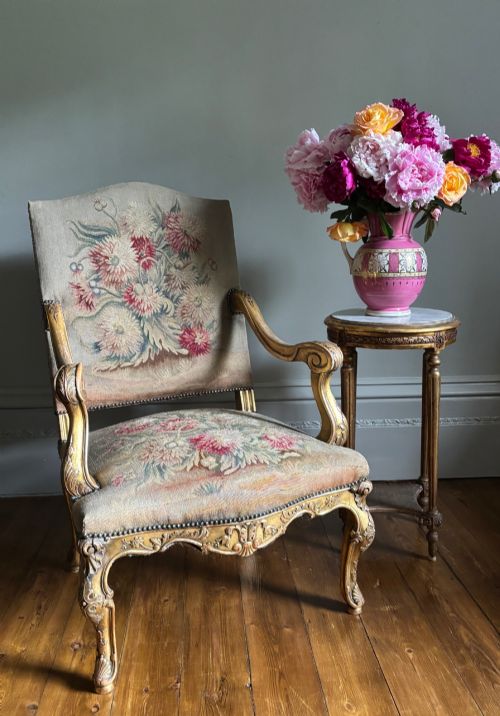
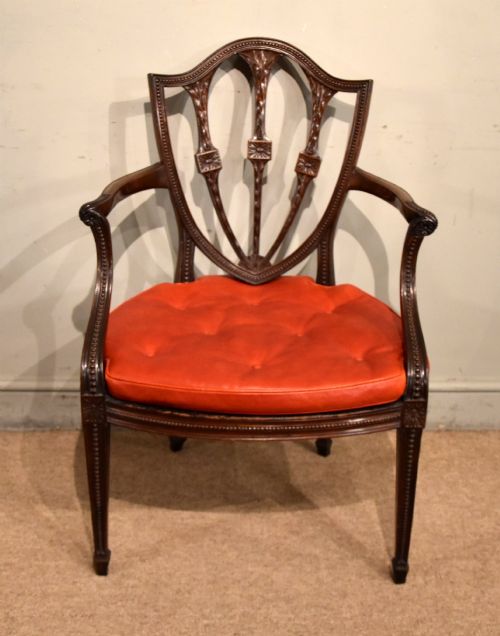
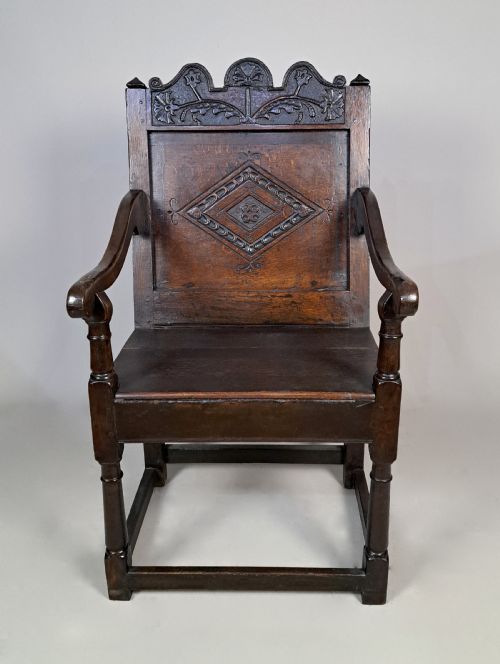
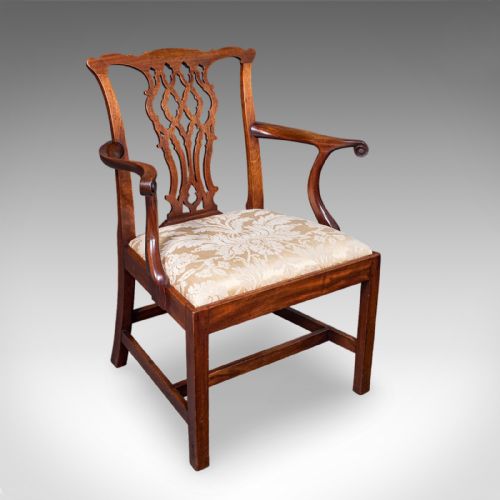
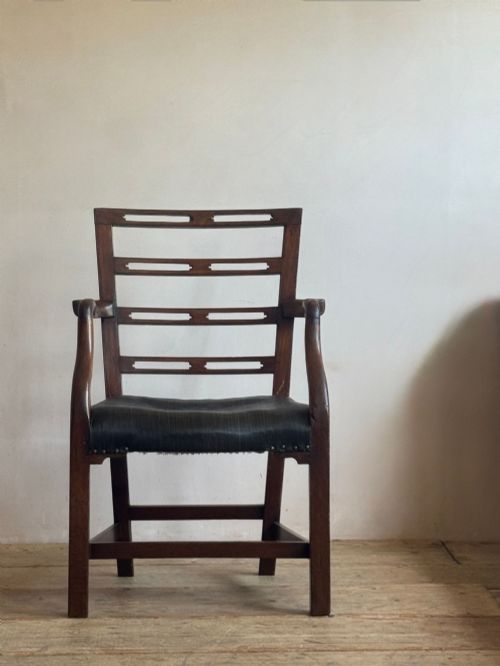
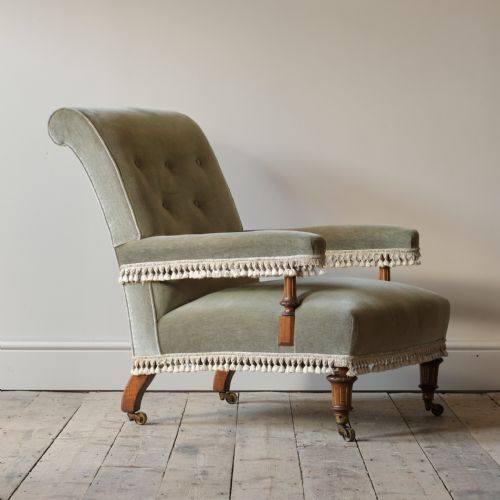
A period open armchair is a seating form defined by its structural wooden arms and lack of upholstered sides, designed for parlours, libraries, and drawing rooms. When exploring this selection, buyers encounter formats ranging from early oak wainscot constructions to refined mahogany library seats and giltwood salon chairs.
The material vocabulary spans native hardwoods like oak and walnut alongside imported mahogany, complemented by decorative finishes including parcel gilt, paint, and carved detail. Regional variations appear alongside pieces shaped by major design periods such as the Georgian era, the Regency, and French regional styles.
Makers and workshops across Britain and continental Europe produced these chairs to suit changing domestic habits, resulting in diverse forms like the Gainsborough library chair, the elbow chair, and the formal bergère. Buyers most frequently meet mahogany examples from the eighteenth and nineteenth centuries, alongside earlier solid oak pieces and giltwood Continental seating.
Materials and construction
Makers built these frames using traditional joinery, relying on mortise and tenon joints for early oak examples and precise cabinetmaking techniques for later mahogany and walnut pieces. Timber selection dictated the structural integrity, with dense hardwoods providing the strength required for weight-bearing arms and legs.
Upholstery methods evolved from padded leather and heavy needlepoint fixed with brass nails to intricate sprung foundations covered in velvet, fabric, or tapestry. Surface finishes involved wax polish applied to exposed grain, carved gilding over gesso on formal French seats, or painted decoration.
Listings feature mahogany, oak, walnut, and giltwood frames spanning the seventeenth to the nineteenth centuries.
The markers of distinction
The distinction between standard seating and a finer piece rests on the depth of carving, the crispness of moulded details, and the proportion of the frame. Skilled proportioning ensures the rake of the back and the curve of the armrests offer both visual balance and physical ease.
Originality of timber surfaces and the survival of early or period-appropriate upholstery materials elevate a chair's standing. Finer examples retain their structural stability without excessive timber replacement or reconstructed arm supports.
Jacob-Desmalter·Gillows·Blaise Maucuy
The Period Open Armchair Glossary
- Wainscot armchair
- An early solid wooden chair constructed primarily from oak, featuring panelled backs and substantial turned supports. These pieces represent some of the earliest domestic seating forms found in country houses.
- Gainsborough chair
- A wide-seated, upholstered armchair with open padded arms, originating in the mid-eighteenth century for use in libraries and writing rooms. The design typically incorporates mahogany frames and straight or slightly cabriole legs.
- Fauteuil
- A French open-arm armchair with an exposed wooden frame, usually carved and gilt or painted, designed for formal salon use. The style reflects changing French taste across the eighteenth and nineteenth centuries.
- Bergère
- An enclosed or semi-enclosed upholstered armchair with padded armrests and a solid upholstered back, often featuring cane panels to the sides. This French form prioritised comfort in domestic interiors.
- Carver chair
- A traditional term for an armchair, often distinguished from side chairs within a dining set. These pieces match the simpler dining chairs but feature supportive arms for the head of the table.
- Parcel gilt
- A decorative technique where specific carved details on a wooden frame receive a gold leaf application while the surrounding timber remains painted or polished. This treatment highlights architectural elements on formal frames.
Period Open Armchair: Frequently Asked Questions
What is a Gainsborough armchair?
A Gainsborough armchair is a wide, upholstered seat with open wooden arms designed during the eighteenth century for libraries and writing rooms.
These chairs feature mahogany frames, padded armrests, and low sides intended to accommodate voluminous period clothing.
How do I date an oak wainscot chair?
Oak wainscot chairs are dated by their construction methods, panel styles, and regional joinery details typical of the seventeenth century.
Early examples often display carved crest rails, heavy turned supports, and pegged mortise and tenon joints characteristic of early British cabinetmaking.
Are these chairs suitable for daily use?
Many period open armchairs are structurally sound enough for daily seating, provided the frame joinery remains stable and secure.
Buyers often check the height and depth of the seat to ensure the proportions match modern comfort expectations while preserving the historic timber.