

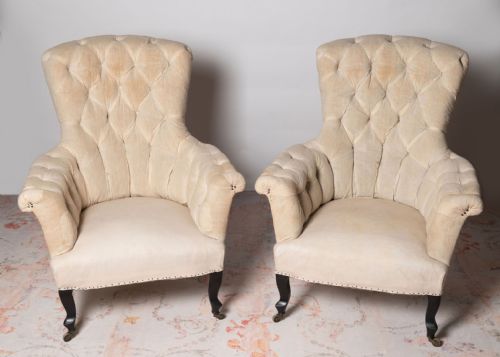
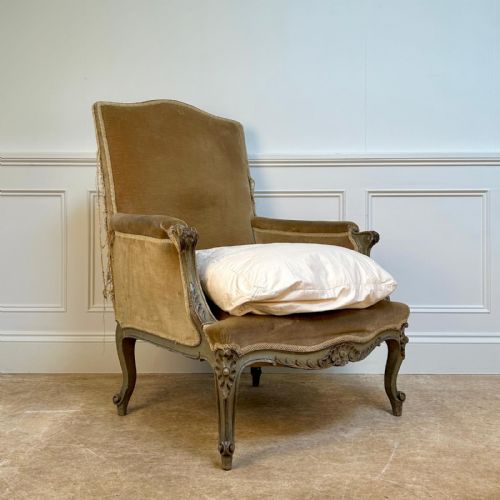


Vintage Velvet Lounge Chair
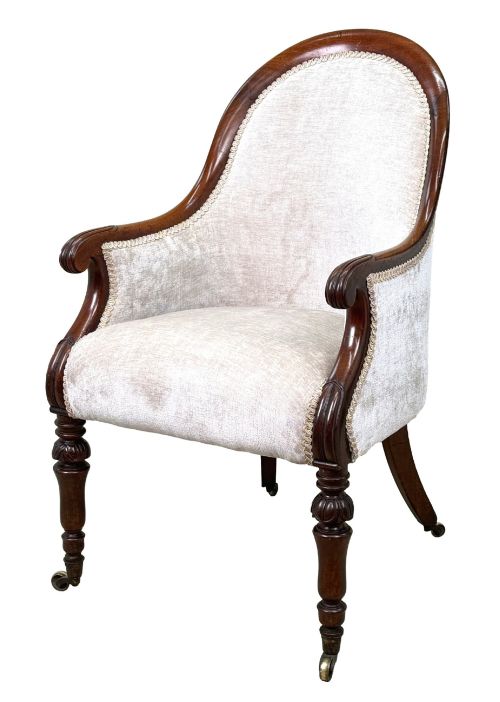
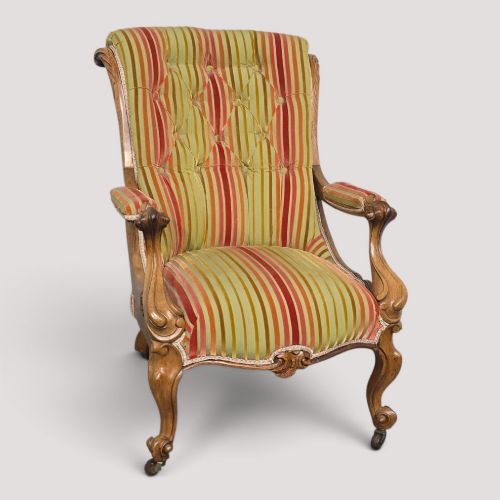
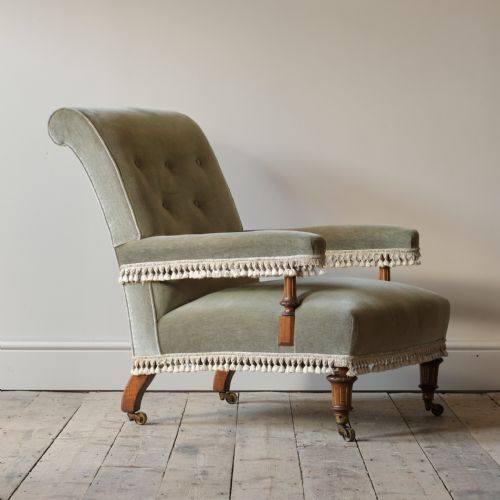
A vintage velvet lounge chair offers deep seating and rich texture, spanning periods from the nineteenth century through the Art Deco era.
Vintage Velvet Lounge Chair
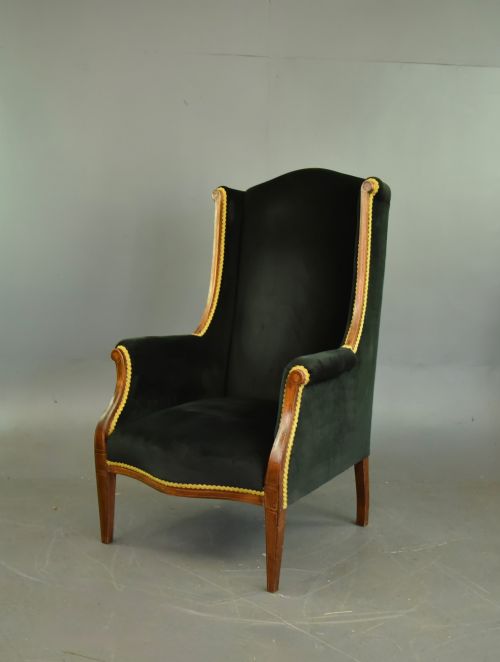
When searching for a vintage velvet lounge chair, buyers encounter diverse forms ranging from nineteenth century wingbacks to Art Deco seating. The selection includes armchair variants upholstered in velvet alongside related seating forms.
Victorian and Edwardian examples sit alongside pieces from the nineteen twenties and thirties. These seats incorporate varied historical styles including Regency, Louis XV Revival, and Jacobean.
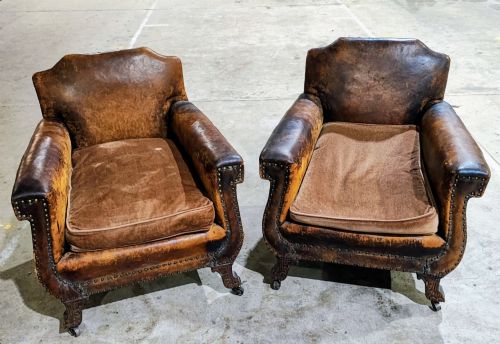
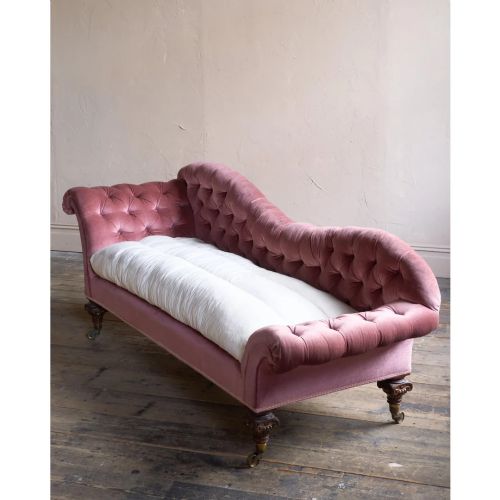
The assortment contains armchairs, bergères, and chaise longues upholstered in velvet or paired with leather and cane. Many pieces feature hardwood, mahogany, or walnut frames.
How they were made
Frames rely upon traditional timbers such as mahogany, walnut, hardwood, and rosewood. Joinery and structural support often include brass components and inlaid details.
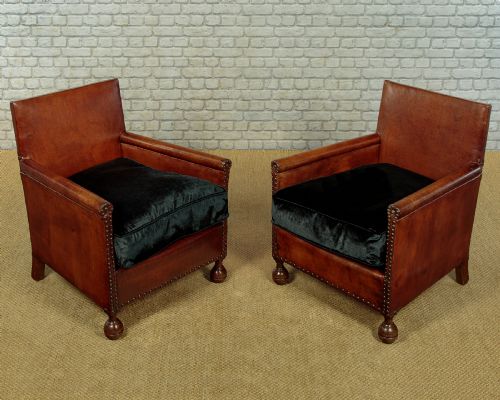
Upholstery combines velvet textiles with traditional buttoning techniques. Cane work and leather also appear across specific armchair and bergère forms.
Several armchairs come equipped with reclining mechanisms designed by Foot and Son for maximum nineteenth-century relaxation.
What varies in quality
Frame construction and timber selection dictate structural integrity. Dense hardwoods like mahogany and walnut provide superior durability compared to softer secondary timbers.
Upholstery execution and textile preservation define the visual impact. Original buttoning detail and the retention of period velvet enhance authenticity.
Gillows·Howard And Sons·C Hindley And Sons·William Birch·Foot And Son
The Vintage Velvet Lounge Chair Glossary
- Bergère
- An enclosed upholstered armchair with wooden framing exposed around the sides and back. These seats often incorporate cane panels or plush cushions.
- Chaise Longue
- An elongated upholstered chair designed for reclining. These pieces combine sofa and chair elements with varied leg supports.
- Wingback
- An armchair featuring protective side panels designed to shield the sitter from drafts. These high-backed seats appear across multiple historical periods.
- Tub Chair
- A deep-seated armchair with a continuous curved back and armrest structure. This form provides enclosing comfort.
- Slipper Chair
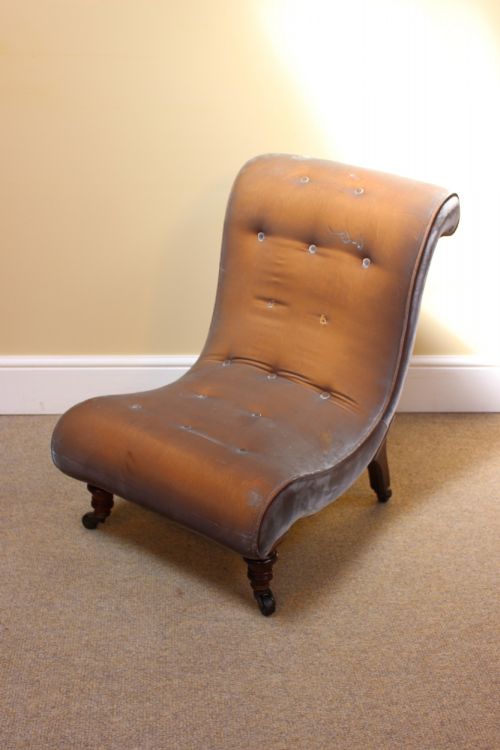
- A low-seated upholstered chair originally designed for use in a bedroom. These compact seats sit close to the floor.
Vintage Velvet Lounge Chair: Frequently Asked Questions
How do I identify a Victorian velvet lounge chair?
Victorian examples display traditional timber frames in mahogany, rosewood, or walnut, often featuring buttoned velvet upholstery. Their silhouettes typically align with nineteenth-century revival styles.
Look for structural details such as turned wooden legs or carved arm supports that distinguish them from later Edwardian or Art Deco variants.
What materials are used in these vintage lounge chairs?
Makers utilised solid timbers including mahogany, walnut, rosewood, and general hardwood for the structural frames. Brass hardware and inlaid wood details frequently accent the primary wood.
Upholstery relies predominantly on velvet textiles, occasionally supplemented by leather panels, cane seating inserts, and traditional buttoning.
Are Art Deco velvet lounge chairs different from earlier styles?
Art Deco models from the nineteen twenties and thirties introduce streamlined geometric forms that contrast with ornate nineteenth-century Revival designs. Their frames often showcase exotic veneers like birch and elm.
Earlier Victorian and Edwardian pieces lean toward buttoned velvet backs, winged sides, and traditional carved wooden cabriole or tapered legs.
Where were these vintage armchairs originally placed?
These seating forms served multiple domestic functions in libraries, drawing rooms, and bedrooms. Wingback chairs and library armchairs offered comfort in formal reception rooms.
Specialised forms like slipper chairs and low bedroom chairs were designed for private dressing spaces, while chaise longues provided day-time lounging in parlours.