


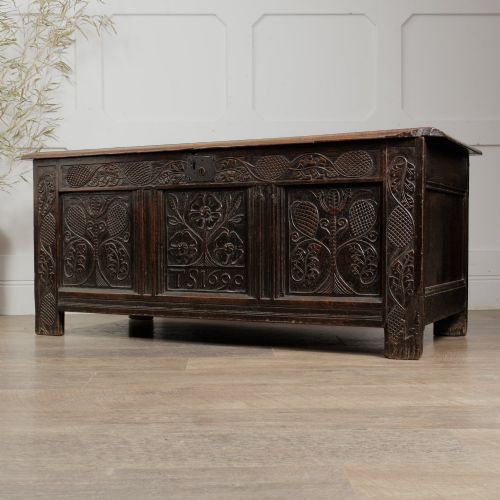
Period Oak Storage Chest
A period oak storage chest brings centuries of domestic history into a room, offering robust utility wrapped in deep, warm timber.
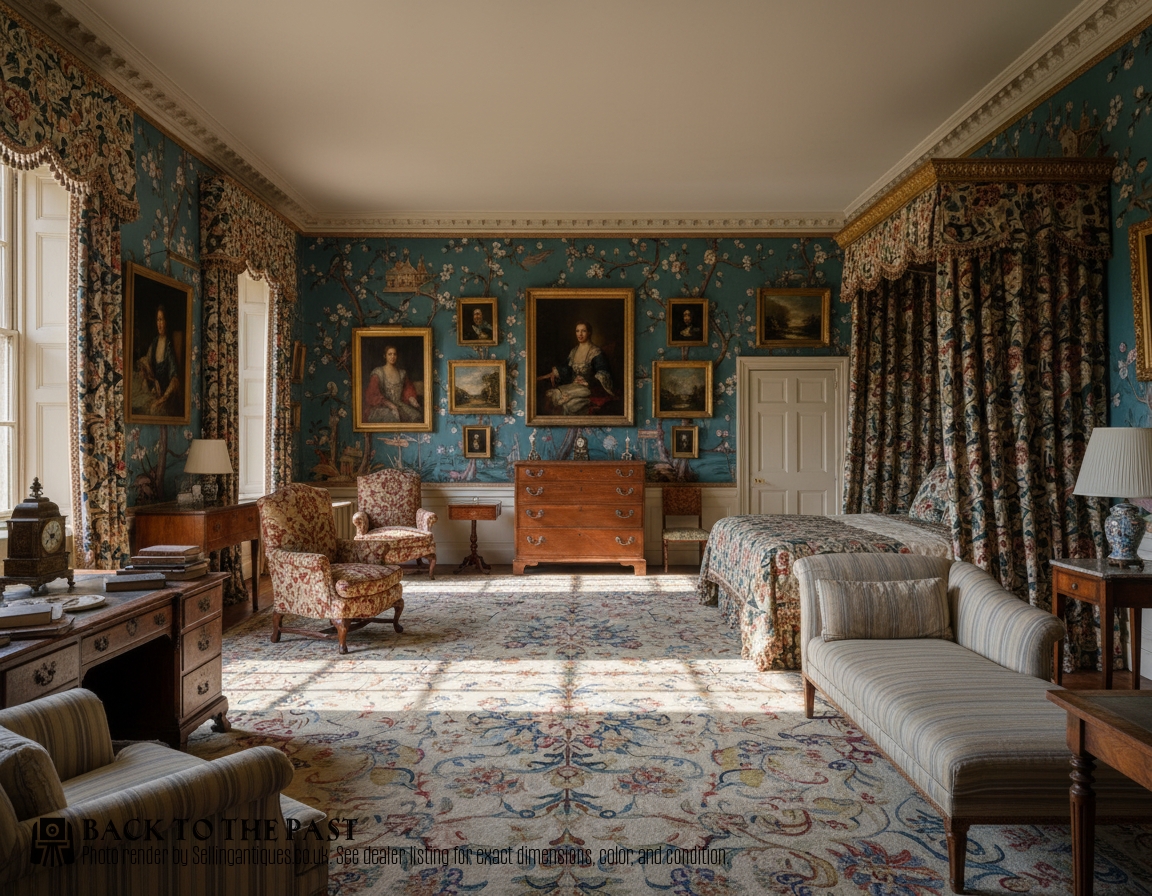
Period Oak Storage Chest
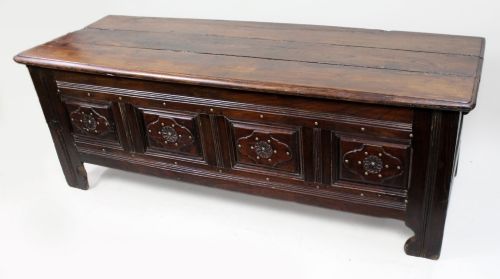
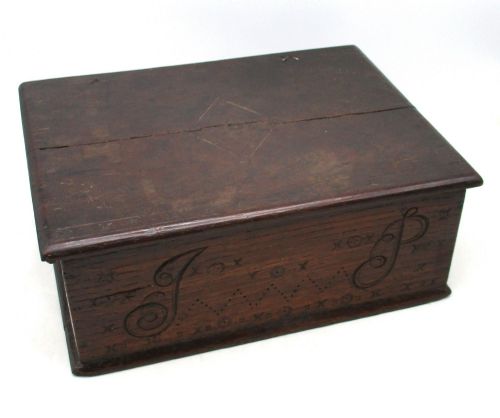
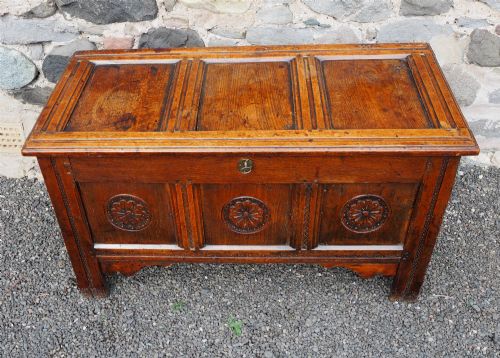
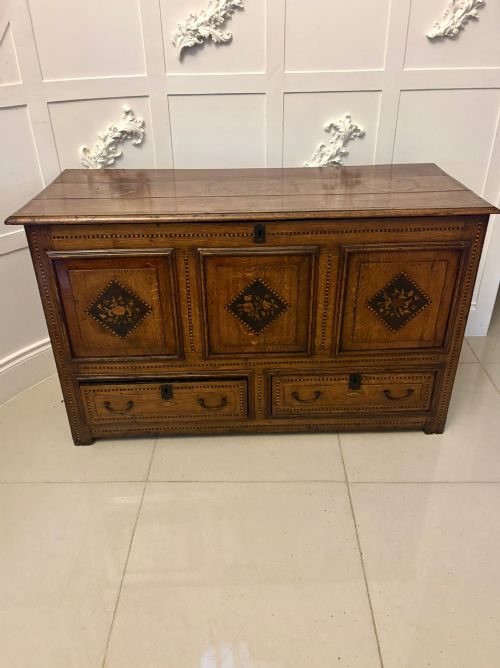
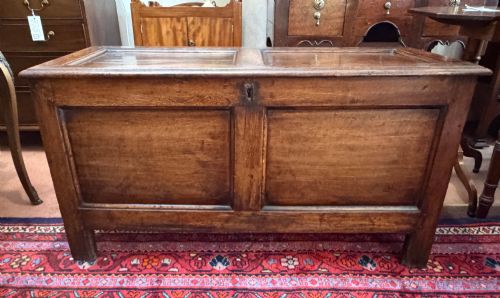
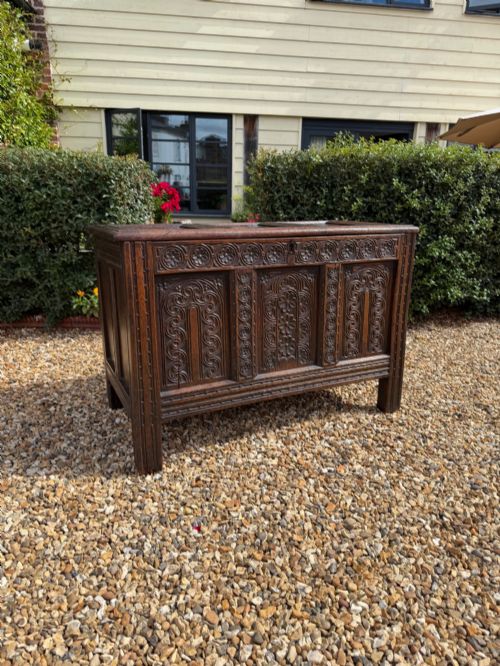
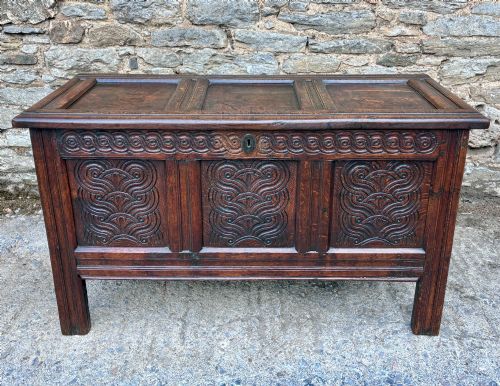
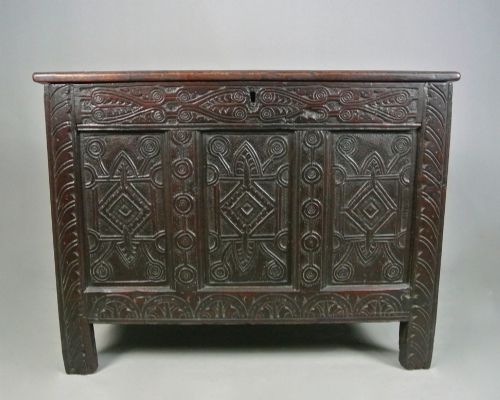
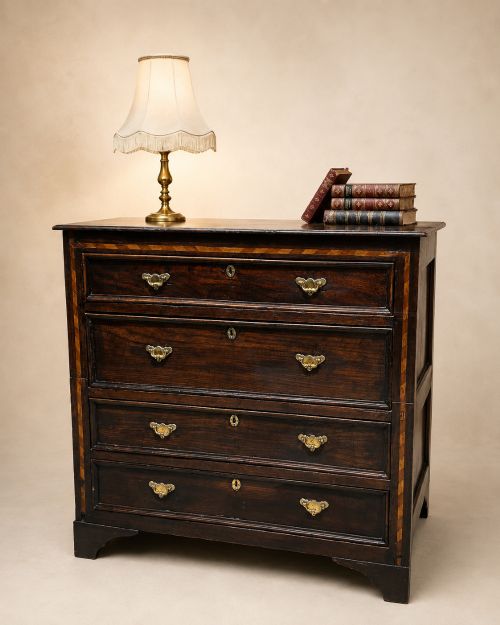
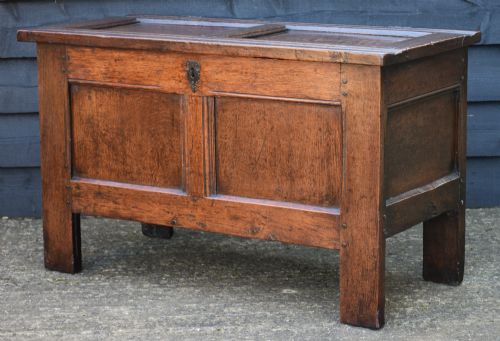
A period oak storage chest serves as a robust container for household goods, spanning centuries of domestic life from the sixteenth century onwards. When searching for a period oak storage chest, buyers encounter numerous forms including joined coffers, blanket chests, document boxes, and mule chests fitted with lower drawers.
The pieces originating from the seventeenth century dominate the selection, often displaying regional characteristics such as Welsh Gower Peninsula craftsmanship or Dorset framing. Examples stretch across Elizabethan, Jacobean, Cromwellian, and Georgian eras, reflecting shifting domestic tastes in storage and display.

How They Were Made
Makers constructed these chests primarily from solid oak, utilising heavy framing and panelled construction to prevent warping in domestic interiors. Iron and brass hardware, including hinges, escutcheons, and locks, secured the lids and reinforced the timber joints.
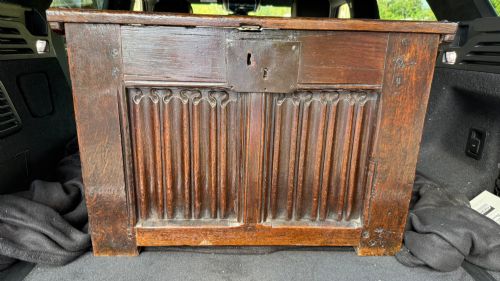
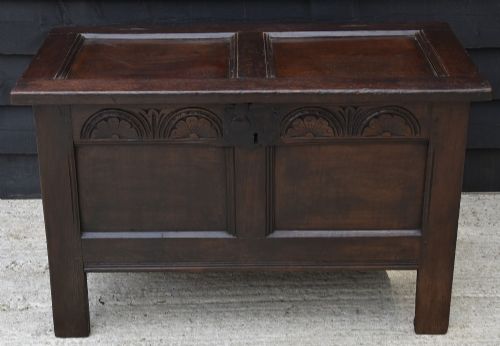
Decorative surface techniques include geometric carving, fluting, and occasional fruitwood, walnut, or mixed inlay woods and marquetry. These embellishments transformed simple utilitarian boxes into significant decorative items for wealthy households.
Period Oak Storage Chest Retail Price Guide 2026
Typical asking prices for period oak storage chest among the pieces listed under this phrase on Sellingantiques today, from the lower quarter to the upper quarter. They describe what is for sale here now, not the wider market.
What Varies In Quality
The survival of original iron or brass mounts and uncompromised structural joins elevate certain examples far above standard utilitarian boxes produced in the same decades.
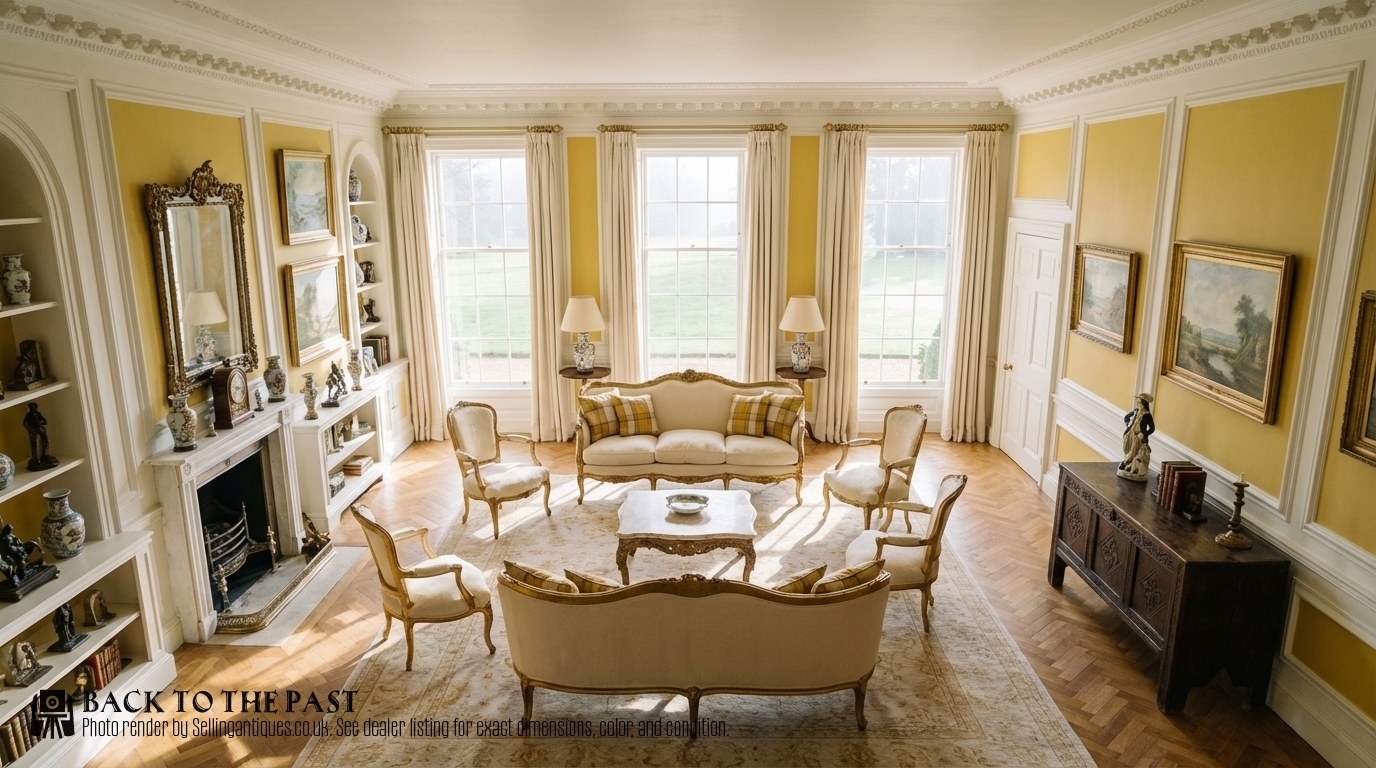
The Period Oak Storage Chest Glossary
- Coffer
- A heavy wooden chest traditionally used for storing valuables, linens, or documents. These sturdy boxes formed a central item of furniture in early households before fitted wardrobes existed.
- Mule chest
- A traditional storage chest featuring one or more drawers built into the base beneath the main compartment. This hybrid form bridges the gap between the traditional coffer and the modern chest of drawers.
- Marquetry
- Decorative veneer applied to furniture in mosaic patterns using various tinted woods. Craftsmen cut contrasting timbers like fruitwood to create elaborate pictorial or geometric designs.
- Panelled construction
- A method of framing where thin timber panels sit within grooved stiles and rails. This technique allows the wood to expand and contract naturally with seasonal humidity changes without splitting.
Period Oak Storage Chest: Frequently Asked Questions
What were old oak chests used for?
Households utilised these heavy containers primarily for storing precious textiles, winter blankets, church plate, and important family documents. Because domestic spaces lacked fitted wardrobes, the trunk kept valuable belongings secure from dust, dampness, and theft.
Over generations, their flat lids also served as impromptu tables or window seats within the home. They stood in halls, bedrooms, and parlours, adapting to whatever domestic storage requirement arose.
How do I date an antique oak coffer?
Examiners look closely at the construction methods, tool marks left by saws and chisels, and the evolution of stylistic carving. Seventeenth-century pieces often display geometric mouldings or strapwork, while sixteenth-century examples lean towards linenfold panels or bold fluting.
The evolution of hinges, locks, and joining techniques provides a reliable timeline. Changes from simple board construction to sophisticated frame-and-panel assemblies help narrow down the decade of manufacture.
Where should I place a heavy chest?
These robust pieces suit hallways, living rooms, and large bedrooms where their substantial presence anchors the room's proportions. Placing them away from direct heat sources prevents the historic oak timber from drying out and cracking.
Many owners utilise the flat top surface to display lamps, ceramics, or books while keeping the interior packed with spare linens. Their natural durability makes them well suited to high-traffic areas of the house.
What is a mule chest?
A mule chest represents a transitional furniture form that combines the deep lidded compartment of a traditional coffer with one or more drawers built into the base. This design allowed owners to access smaller garments without lifting the heavy top lid.
Master craftsmen introduced these combination pieces during the late seventeenth and eighteenth centuries to improve domestic organisation. They offer the dual benefits of deep top storage and easy-access lower drawers.