
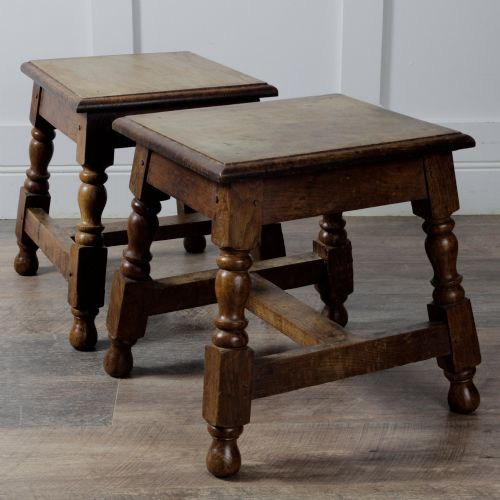
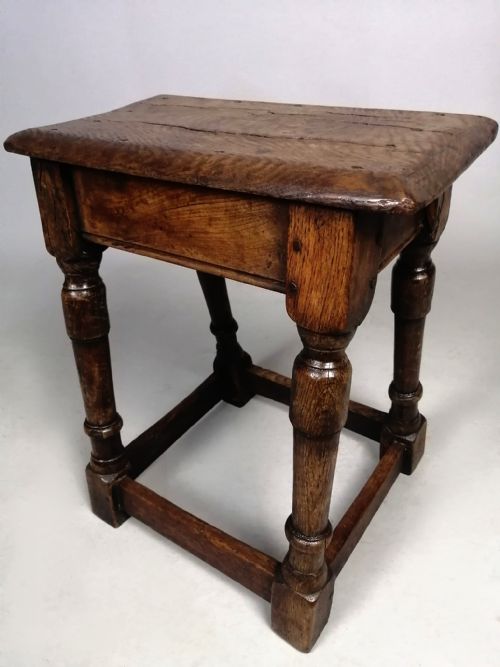
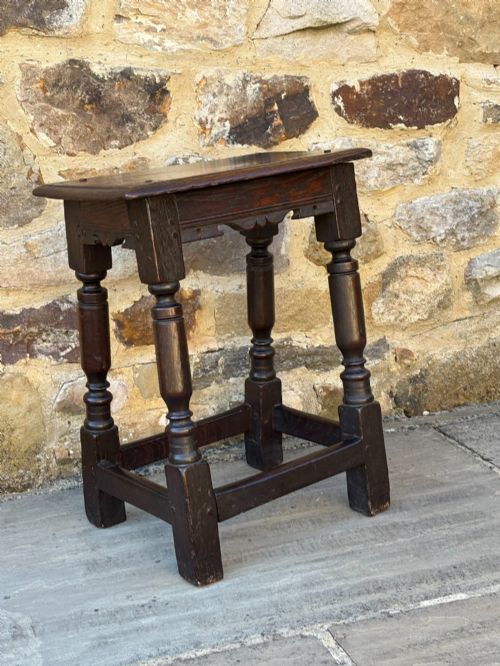
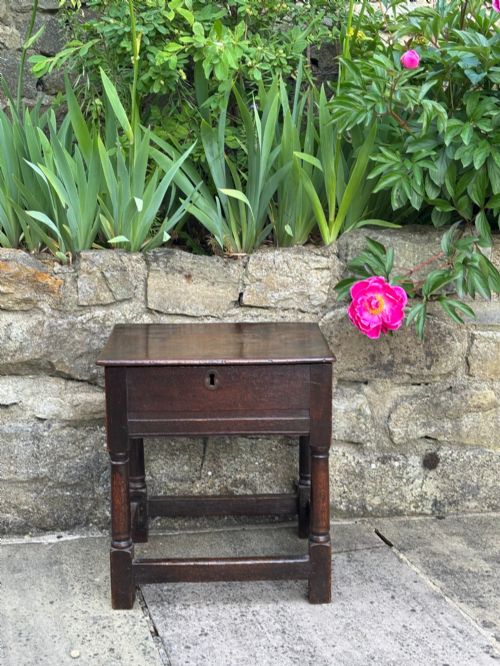
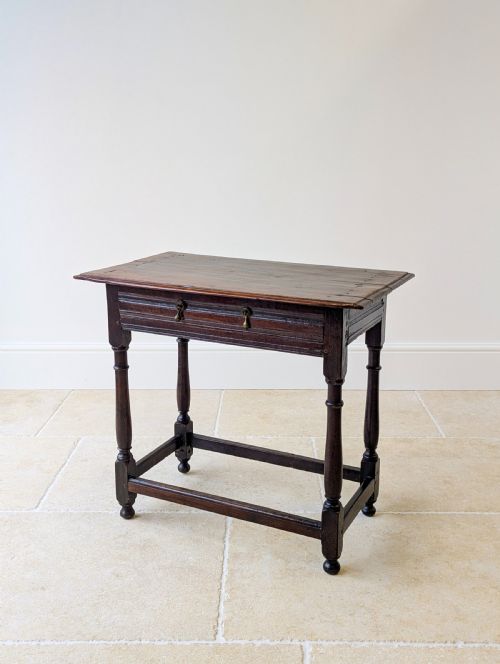


Period Oak Joint Table
A period oak joint table grounds a room with centuries of utility, offering sturdy timber construction that outlives passing fads.
Period Oak Joint Table
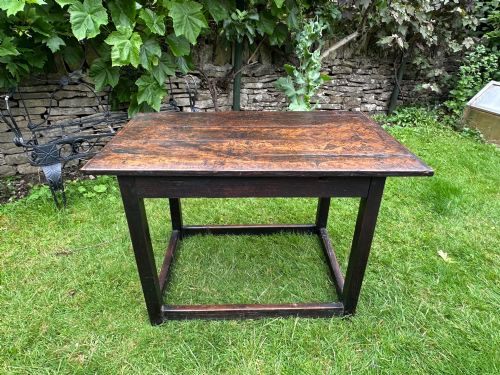
A period oak joint table represents solid craftsmanship originating primarily from the seventeenth and eighteenth centuries, though revival pieces also appear. Buyers seeking a period oak joint table usually encounter sturdy side tables, tavern tables, and occasional tables designed for heavy daily use.
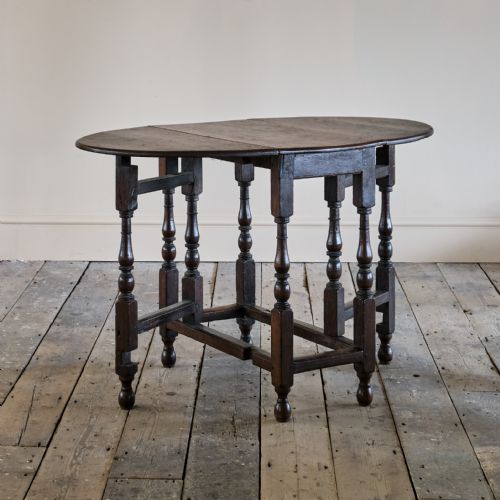
The selection ranges from early seventeenth-century examples down to later nineteenth-century interpretations and revivals. Forms include plank top variants, lowboys, and gateleg designs alongside standard tables.
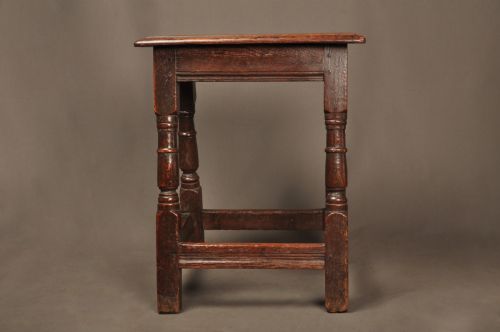
Originating predominantly from English workshops, these pieces often share materials and construction methods with traditional joint stools. The timber patination and straightforward lines define their rustic yet refined domestic character.
Materials and construction methods
Construction relies heavily on solid oak, frequently supplemented with elm, yew, and pine for secondary elements or specific table tops. Traditional joinery utilises tight pegging and mortise and tenon joints rather than metal fixings.
Hardware details when present include iron and brass components, though many surfaces depend entirely on pegged wooden joints to maintain stability. Timber boards are often hand-planed, leaving subtle tool marks that speak to early workshop practices.
Many seventeenth-century joint stools doubled as impromptu seating while families gathered around the central table for long winter evenings.
Assessing quality in early woodwork
Quality separates through the integrity of the timber selection and the retention of original surface patination. Pieces that maintain their primary tops and uncompromised structural pegging stand apart from heavily restored alternatives.
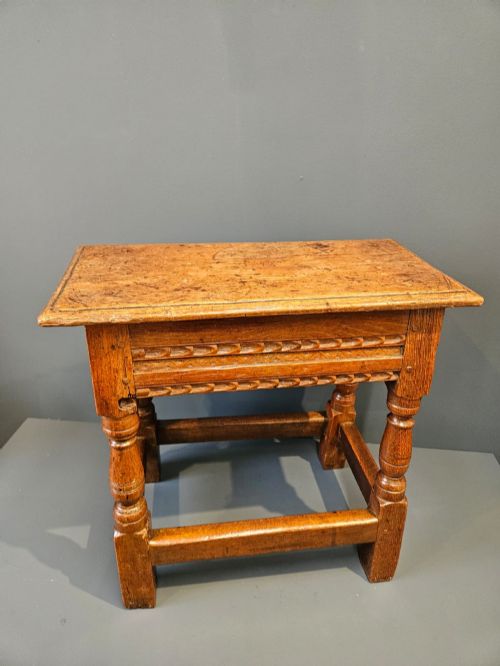
The crispness of hand-carved details and the harmony between secondary woods like elm and primary oak influence the overall balance. Proportion and the natural ageing of the grain dictate the visual depth of each survivor.
The Period Oak Joint Table Glossary
- Joint table
- A sturdy table constructed using pegged mortise and tenon joinery rather than simple nailing. This technique provides exceptional rigidity for everyday domestic tasks.
- Plank top
- A table surface formed from solid timber boards joined edge to edge. These boards often display natural shrinkage and rich grain variation over centuries.
- Lowboy
- A small oak table equipped with one or more drawers, typically dating from the late seventeenth or eighteenth century. They served various utilitarian functions in period interiors.
- Gateleg table
- A drop-leaf table featuring hinged legs that swing outward to support the folding leaves. This design allows the furniture to expand or contract depending on space requirements.
- Patina
- The deep surface sheen developed by timber through decades of handling, wax application, and environmental exposure. It serves as a key indicator of genuine age.
Period Oak Joint Table: Frequently Asked Questions
How do I identify a true seventeenth-century table?
Examine the construction joints for hand-turned wooden pegs and traditional mortise framing. Tool marks left by pit saws and hand planes often confirm early workshop methods.
Surface wear should look natural, showing deep patination around high-contact areas rather than artificial distress. Timber shrinkage over centuries creates distinct undulations across solid oak planks.
What is the difference between a joint table and a side table?
A joint table specifically refers to pieces built with rigid pegged frame joinery, traditionally associated with the construction techniques used for joint stools. Side tables encompass a broader category of domestic furniture designed to stand against walls.
While many early side tables also employ joint construction, the terminology often highlights the specific framing method used by period carpenters.
Can I use an antique oak table every day?
These pieces were originally built for heavy domestic service, making them remarkably resilient for modern daily use. Solid oak and elm withstand regular placement of lamps, books, and everyday items.
Maintaining stable indoor humidity prevents the dry timber from cracking, while periodic waxing protects the historic surface finish from moisture rings.
Why do some tables feature elm or pine components?
Cabinet makers frequently utilised secondary timbers like elm for table tops or drawer bases due to its resistance to splitting under heavy wear. Pine also appeared in less visible areas such as internal framing or drawer linings.
Using mixed native hardwoods was a standard practice that balanced structural strength with the availability of quality regional timber.