

Period Oak Dressers
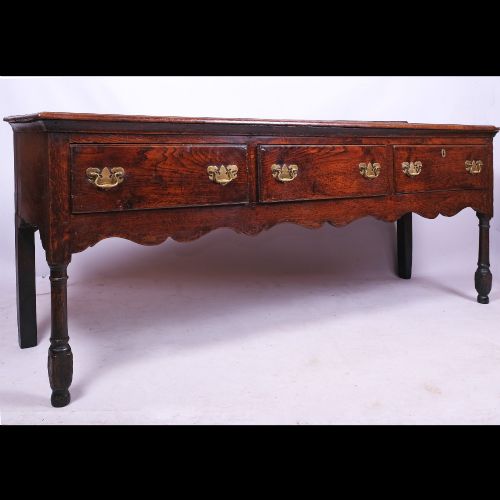
Period oak dressers are substantial timber storage furniture built across the seventeenth and eighteenth centuries to display and hold domestic belongings.
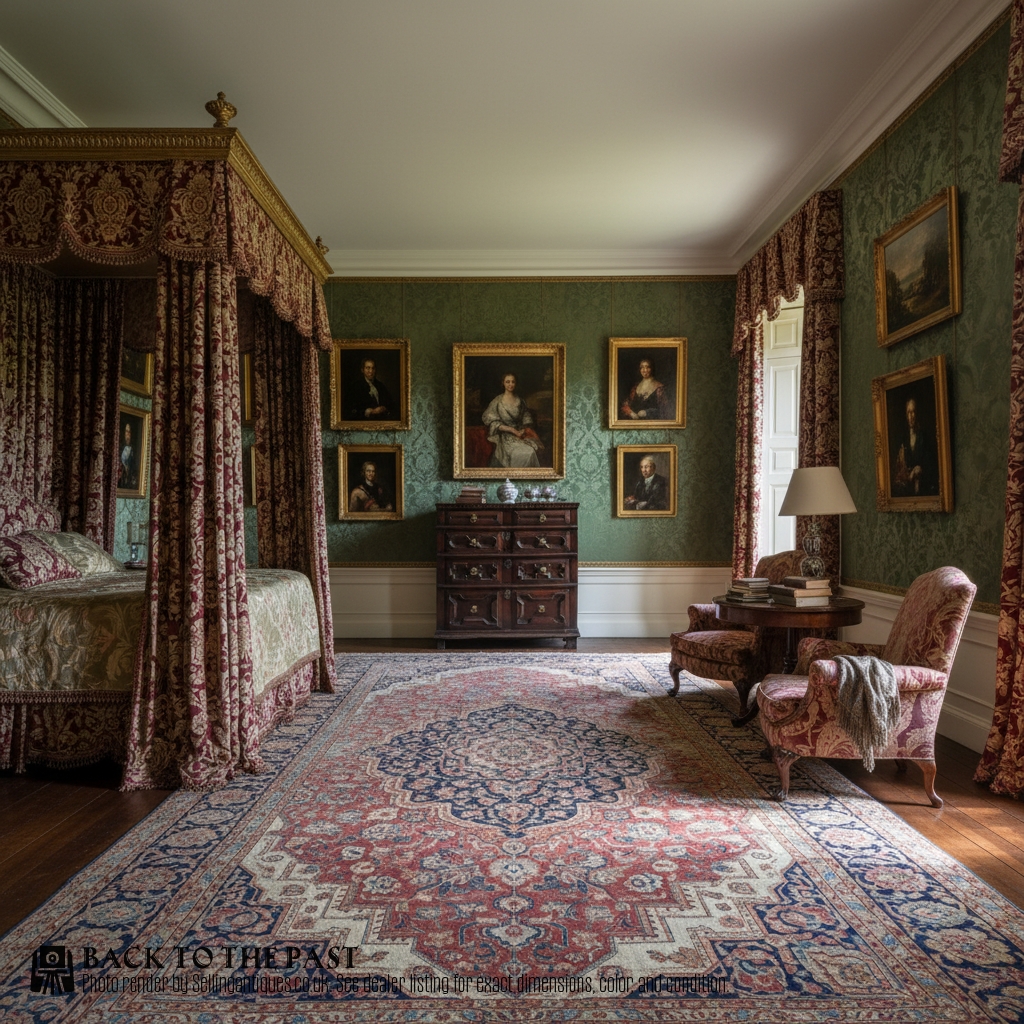
Period Oak Dressers
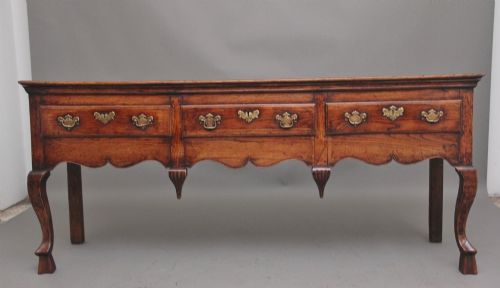
Period oak dressers span the seventeenth and eighteenth centuries, including George III, William and Mary, and Charles II styles. Buyers seeking these items will find large timber storage furniture designed for domestic use, incorporating potboard bases and serving surfaces.
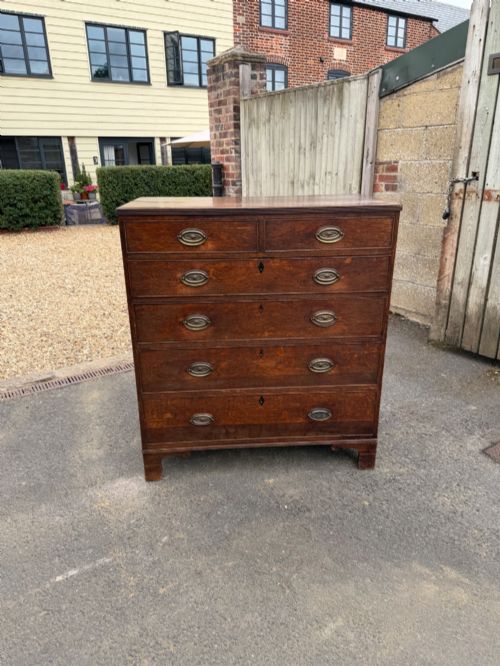
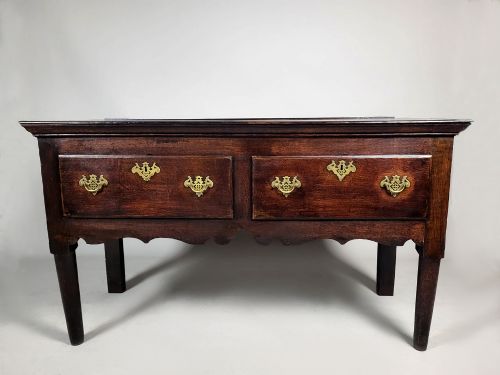
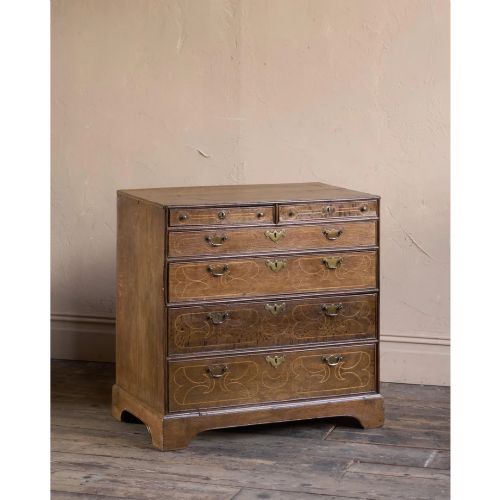
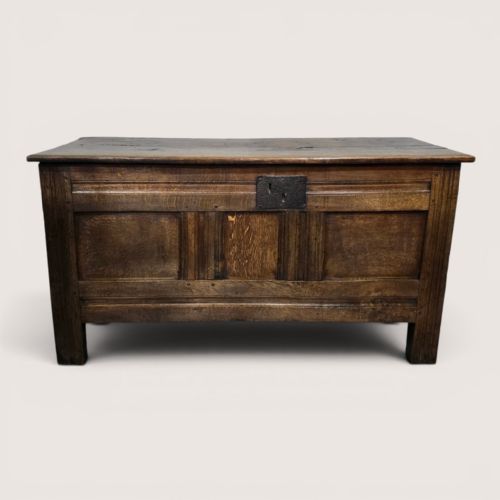
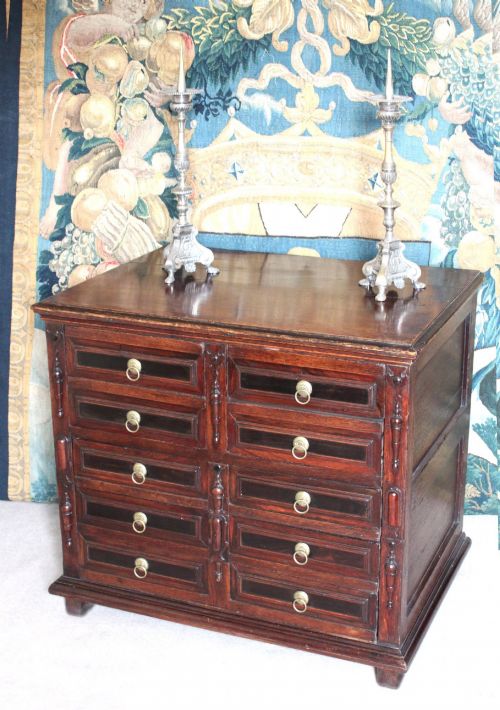
The selection includes dresser bases, serving dressers, and related chest forms rather than strictly upright plate racks. Pieces often feature lower potboards or banks of drawers configured for practical storage in kitchens and halls.
Examples cross several regional aesthetics, with English Georgian and earlier seventeenth-century forms appearing alongside provincial French cupboards. These items reflect the domestic habits of historic households through their timber construction and hardware.
Construction and Materials
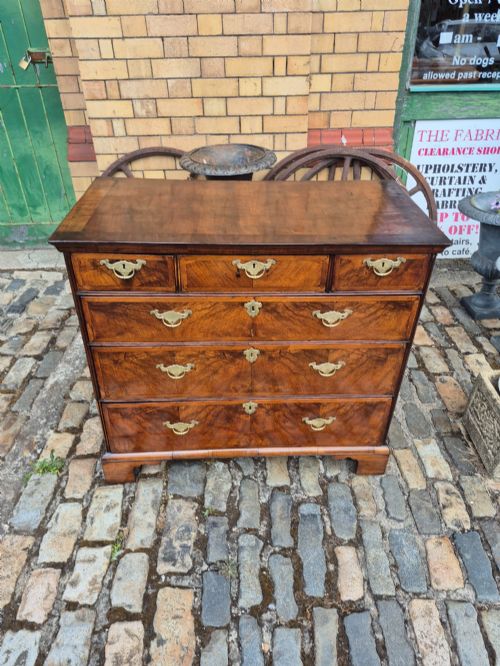
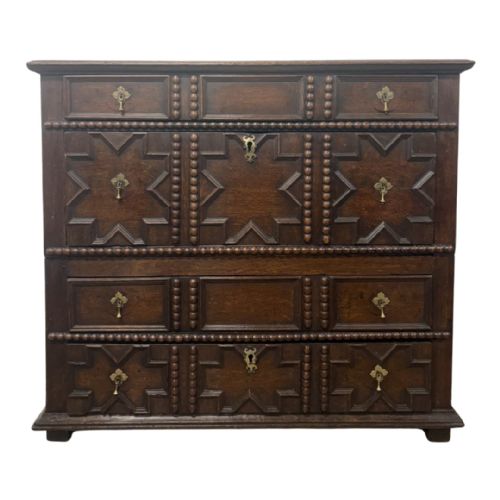
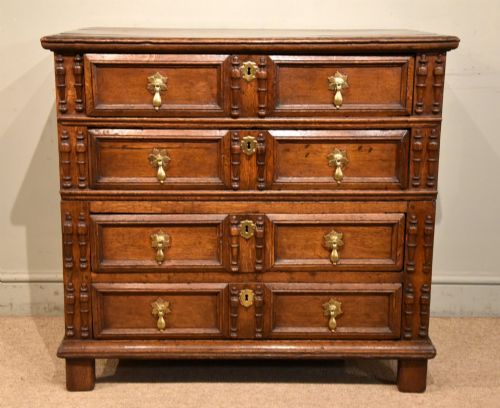
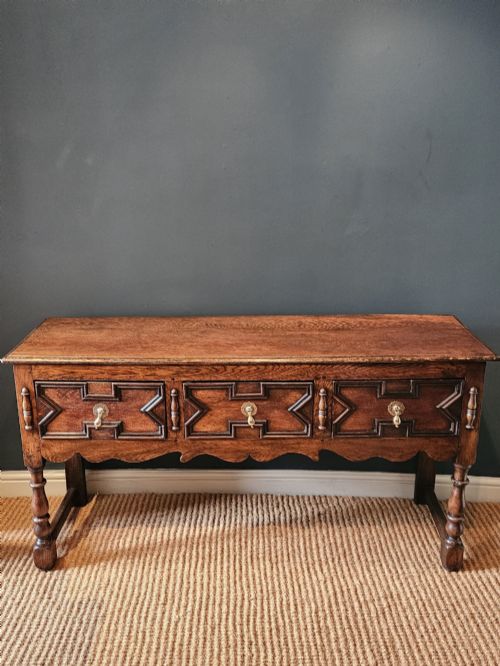
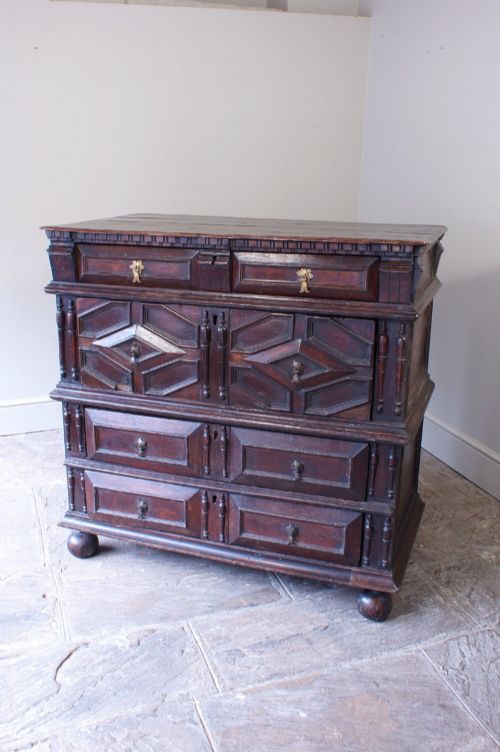
Makers relied primarily on solid oak for the primary carcass and framing, occasionally combining it with walnut, fruitwood inlay, elm, or pine for secondary elements. Surfaces often display geometric mouldings, cross-banding, and carved details rooted in Jacobean and Georgian traditions.
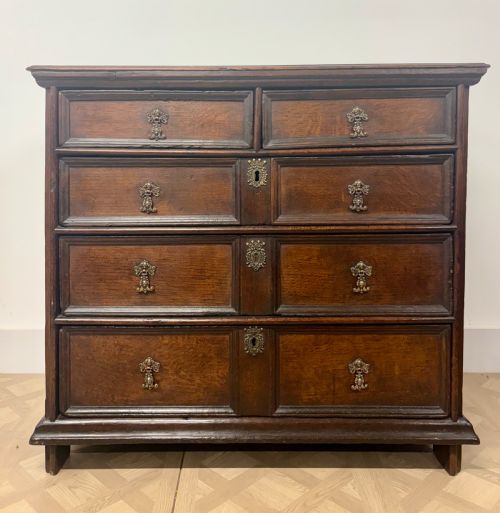
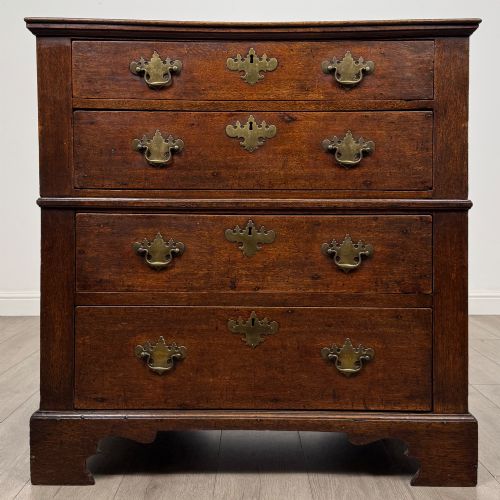
Hardware typically involves brass handles and escutcheons alongside iron fixings, complementing the dense timber grain. Construction techniques emphasise pegged joints and solid boards suited to heavy daily use.
Listings feature oak alongside walnut, fruitwood inlay, elm, pine, and mahogany across seventeenth and eighteenth-century styles.
Evaluating Quality
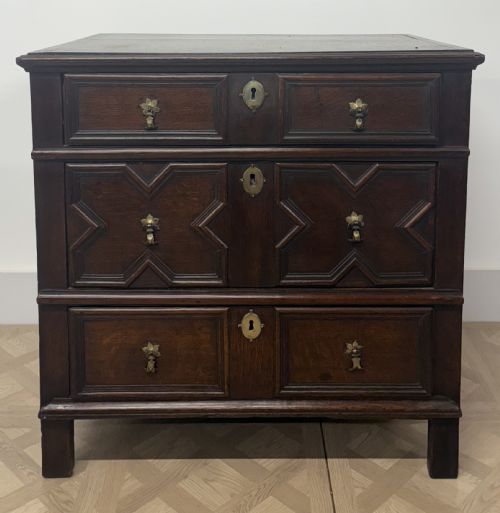
Quality rests on the integrity of the timber, the crispness of geometric mouldings, and the survival of original brasses. Early seventeenth-century pieces with pronounced moulded drawer fronts command attention for their sculptural depth.
Proportion and structural honesty separate standard utility furniture from finer country pieces. The balance between the top surface and the lower potboard or drawer arrangement defines the visual weight of each example.
The Period Oak Dressers Glossary
- Potboard dresser
- A dresser featuring an open lower shelf, known as a potboard, positioned beneath the main drawers or serving surface.
- Geometric moulding
- Raised wooden profiling applied to drawer fronts in repeating symmetrical patterns, frequently seen on seventeenth-century pieces.
- Cross-banding
- A narrow strip of veneer laid border-to-border around the edges of a drawer front, often in a contrasting timber such as walnut or mahogany.
- Dresser base
- The lower section of a dresser designed as a standalone sideboard or serving surface with integrated drawers.
- Bracket feet
- Simple architectural feet resembling small brackets, supporting chest and dresser corners on eighteenth-century examples.
Period Oak Dressers: Frequently Asked Questions
What is a potboard dresser?
A potboard dresser incorporates an open lower shelf beneath the main surface, originally used to store heavy pots and dishes.
This open lower tier distinguishes it from enclosed cupboards and provides a display space for large kitchen ceramics.
How do I date a period oak dresser?
Dating relies on construction methods, timber choice, and decorative details like geometric mouldings or bracket feet.
Seventeenth-century pieces typically feature heavy framing and moulded drawer fronts, whereas eighteenth-century examples lean towards cleaner Georgian lines.
Where were these dressers used?
These pieces served primarily in the kitchens and dining halls of historic homes for food preparation and tableware storage.
Their robust timber construction allowed them to withstand the daily demands of busy domestic households.
How do I care for antique oak furniture?
Antique oak requires stable humidity levels and protection from direct heat sources to prevent timber splitting.
Regular dusting and occasional applications of appropriate wax help maintain the natural finish of the wood.