


Period Hall Furniture
Period hall furniture brings architectural presence to an entryway through centuries of oak, mahogany, and walnut forms.
Period Hall Furniture
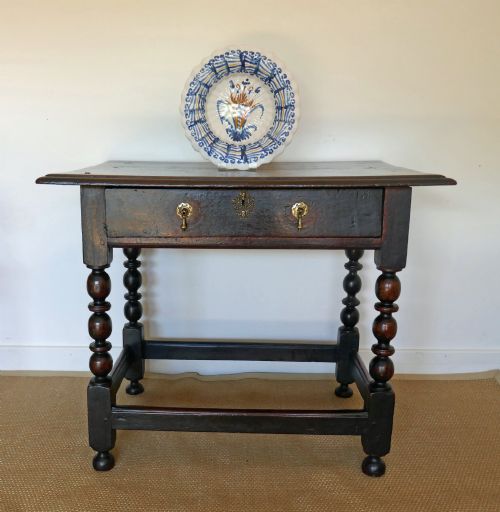
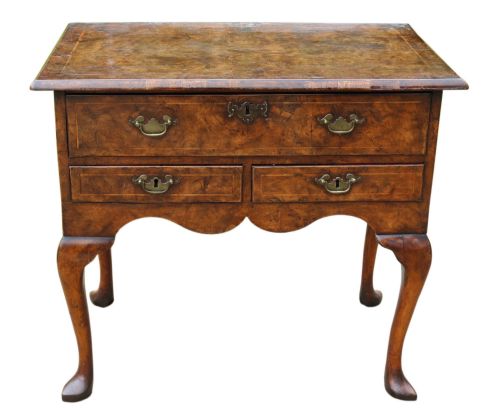
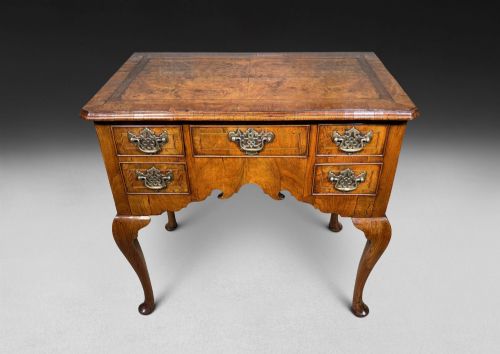
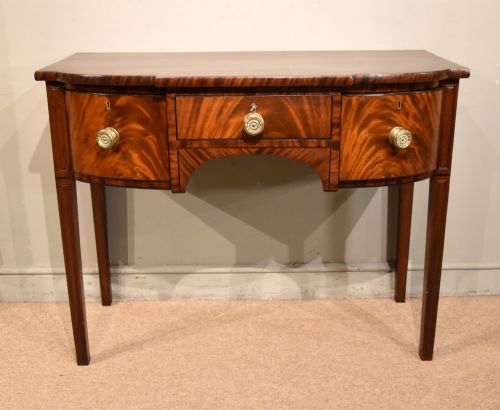
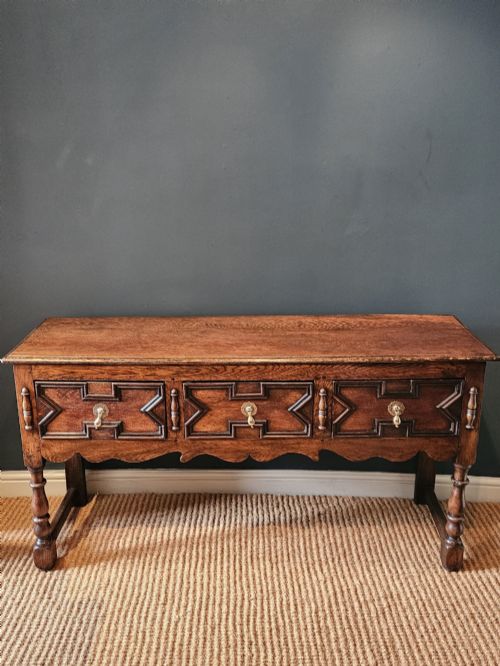
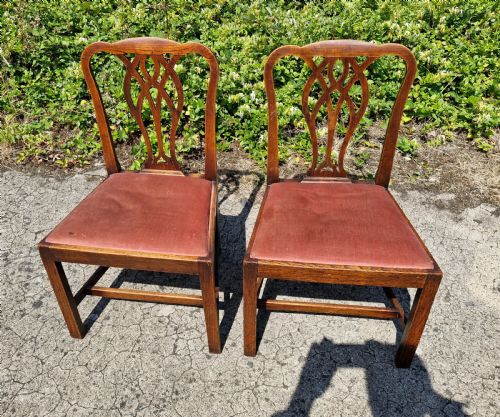
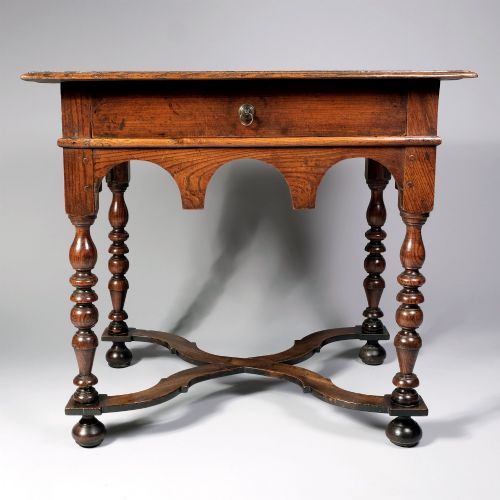
Period hall furniture encompasses utilitarian and formal items designed for entryways and reception spaces across the seventeenth, eighteenth, and nineteenth centuries. Buyers searching this phrase will find a strong representation of side tables, lowboys, hall stands, and chairs fashioned from robust timbers.
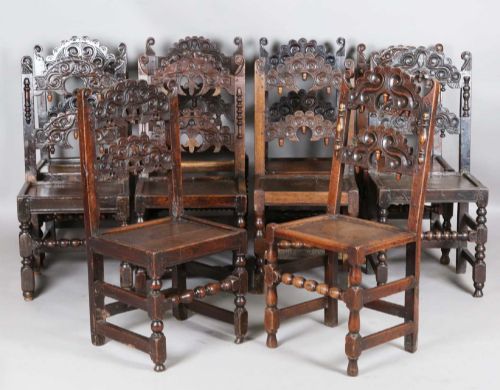
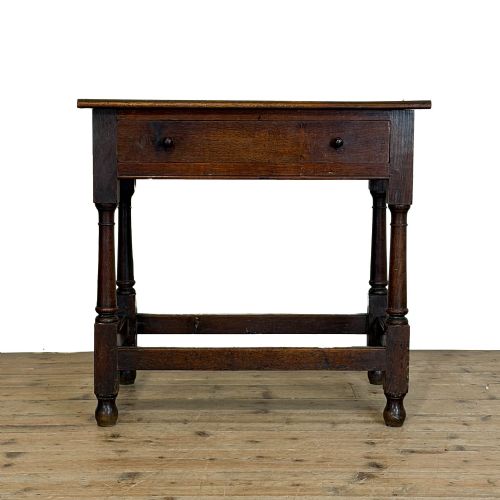
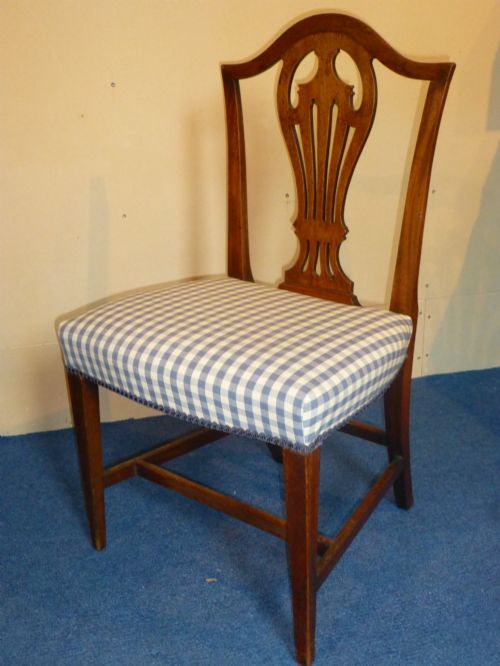
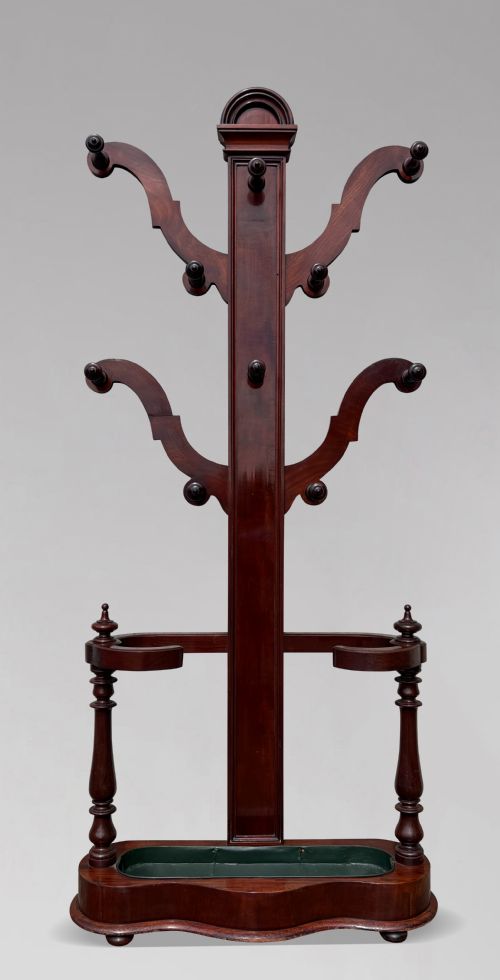
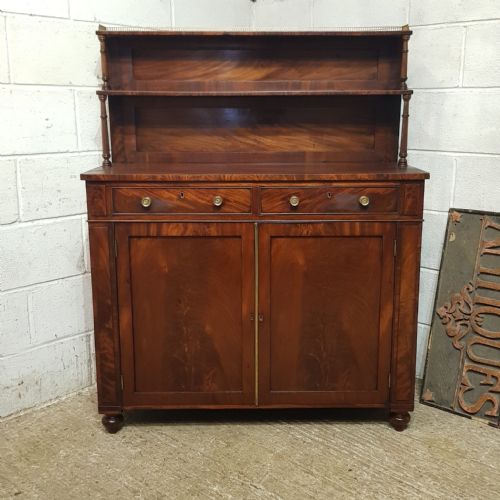
Oak examples from the seventeenth century and Georgian eras dominate the selection, often displaying geometric moulding or carved details. Alongside these, Regency and Victorian pieces introduce refined mahogany, rosewood, and cast iron into the hallway setting.
Forms range from practical side tables and benches to specific pieces like stick stands and console tables. Each object reflects the domestic requirements of its period, from country house utility to formal urban reception.
Materials and Construction
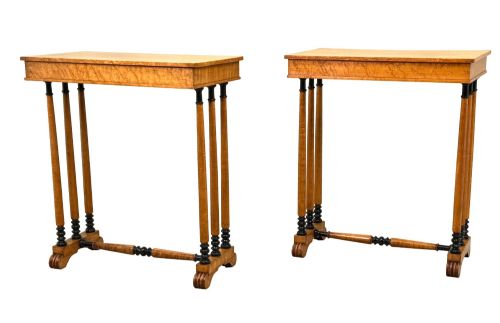
Cabinetmakers utilised solid native timbers like oak, elm, and fruitwood in earlier pieces, transitioning to exotic veneers such as mahogany, rosewood, and birdseye maple during the Regency and Victorian eras. These woods were chosen for durability and grain pattern, forming structural frames and decorative surfaces alike.
Traditional joinery techniques including mortise and tenon joints secure the framework of tables, chairs, and settles. Surface decoration frequently involved geometric mouldings, oyster veneer inlays, and polished wax finishes that highlighted the natural character of the timber.
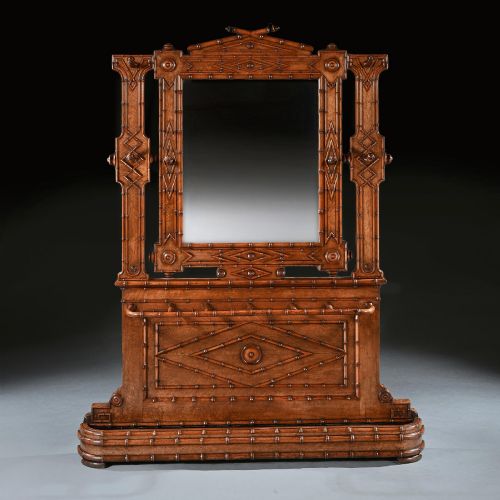
Listings feature seventeenth-century oak side tables alongside nineteenth-century cast iron stick stands and birdseye maple hall stands.
Assessing Quality
Quality rests in the crispness of carved details, the choice of timber figurations such as burr walnut or figured oak, and the integrity of the original construction. Superior pieces maintain their structural proportions and display thoughtful joinery without unnecessary intervention.
The sophistication of secondary materials, such as ormolu mounts on console tables or cast iron work on stick stands, distinguishes finer examples. Original surface patination accumulated over centuries further elevates an item above standard utility.
The Period Hall Furniture Glossary
- Lowboy
- A small side table with drawers, typically raised on tall legs. These tables served various domestic functions in eighteenth-century interiors.
- Wainscot chair
- An early wooden armchair constructed with panelled backrests and solid wooden seats. They date predominantly from the seventeenth century.
- Console table
- A table designed to be fixed against a wall, frequently supported by ornamental brackets or legs. Examples often feature marble tops and ormolu mounts.
- Window seat
- A long bench designed to fit within a window recess. Regency versions frequently incorporate mahogany framing and upholstered surfaces.
- Oyster veneer
- Cross-cut sections of small branches arranged in decorative patterns. This technique appears on late seventeenth-century tables.
Period Hall Furniture: Frequently Asked Questions
What is a lowboy used for?
A lowboy functions as a small table with drawers, originally used for dressing or storing small valuables in bedrooms and living quarters. Today they suit entrance halls as compact surface storage.
Their modest proportions allow them to fit narrow spaces while providing practical drawer space for everyday items.
How do I identify seventeenth-century oak furniture?
Seventeenth-century oak pieces display joined construction, dark patination, and often geometric mouldings or carved panels. They rely on heavy timber framing.
Examining the underside and interior reveals hand-riven boards and traditional pegged joinery typical of the period.
Where should I place a console table?
Console tables sit flat against hallway walls, providing a surface for decorative objects or correspondence. Their wall-fixed or bracketed design saves floor space.
They create an immediate focal point upon entering a room or hallway through their polished timber or marble surfaces.
What distinguishes Regency mahogany furniture?
Regency mahogany pieces feature clean classical lines, rich dark timber grains, and sometimes brass inlay or gilt bronze mounts. The style draws inspiration from classical antiquity.
Cabinetmakers of this era focused on architectural symmetry and refined proportions rather than heavy carving.