



Period Glass Goblet
A period glass goblet brings the weight of the table and the crisp clink of lead crystal straight to your hand.
Period Glass Goblet
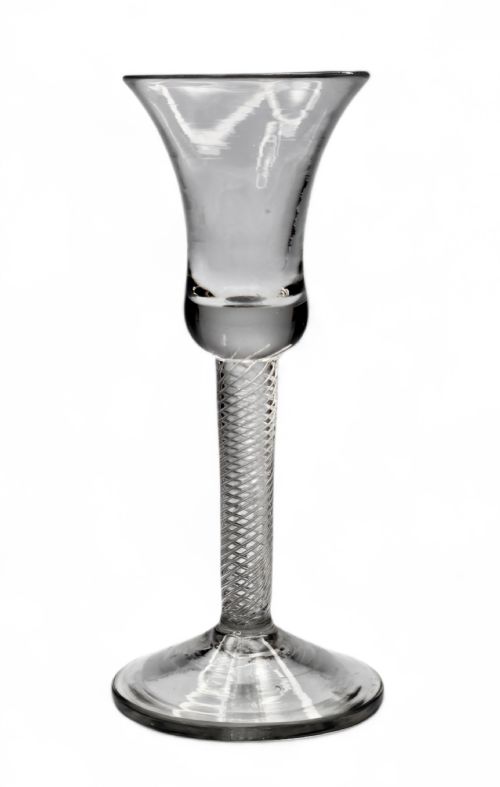
When you search for a period glass goblet, you enter a world of hand-blown drinking vessels dominated by 18th-century English and German production. These pieces include balusters, heavy lead crystals, and twist stems designed for wine, ale, and port.
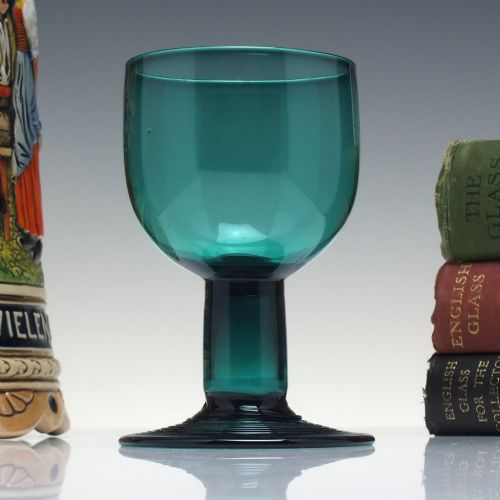
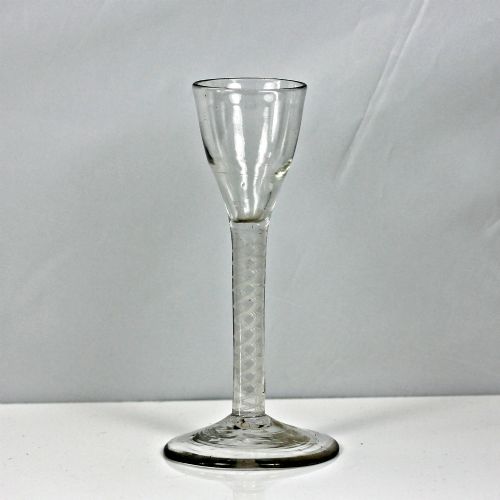
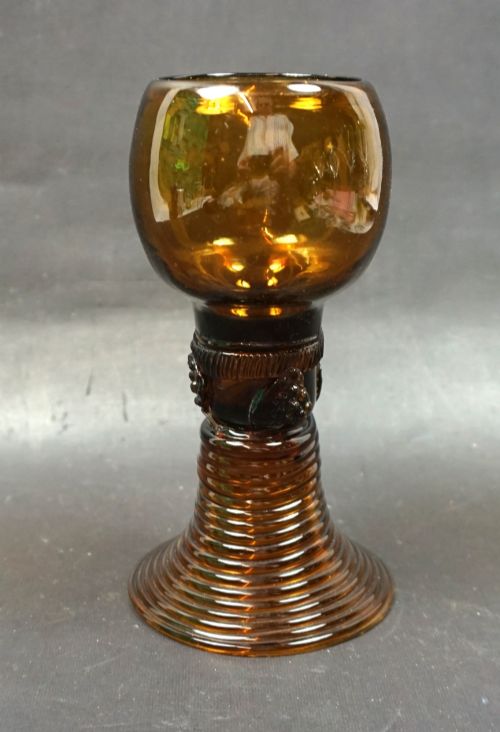
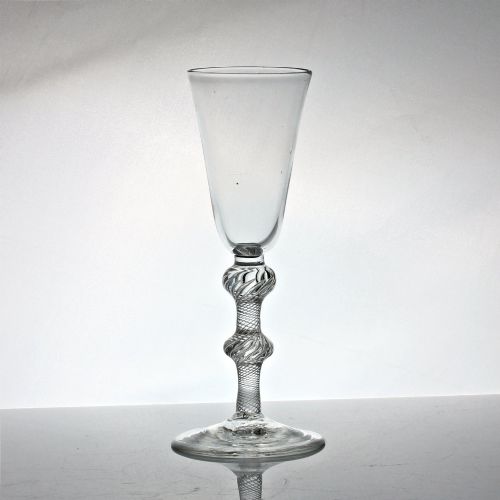
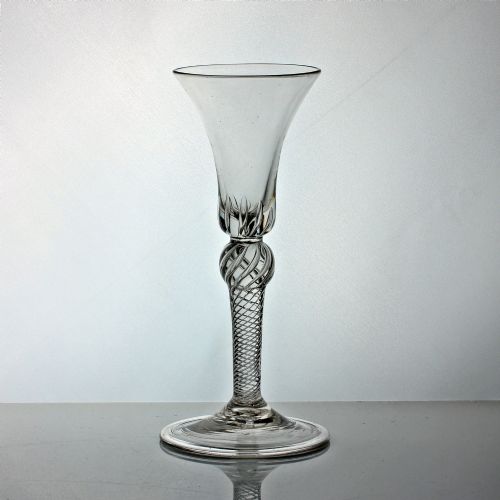
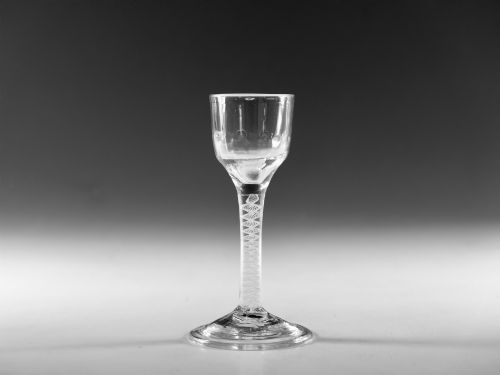
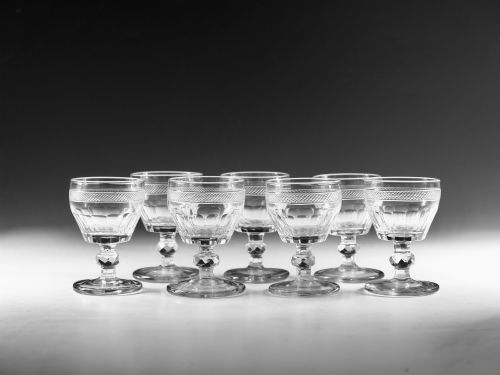
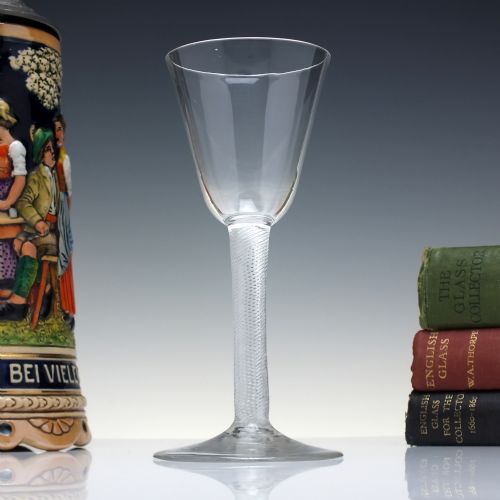
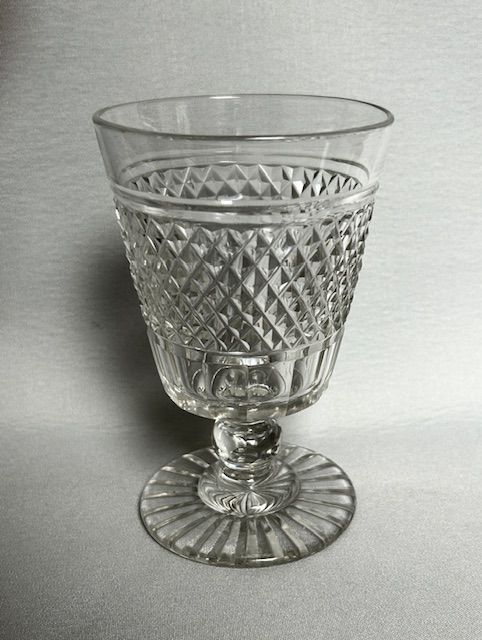
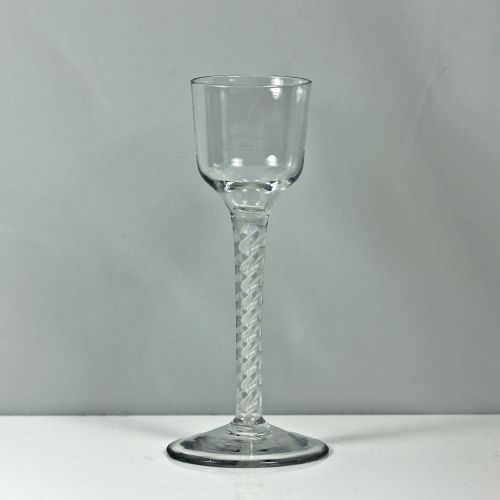
You are most likely to meet Georgian wine glasses featuring air twist or opaque twist stems, alongside dark amber roemers and facet-cut goblets. The selection spans straightforward tavern glasses to elaborate creations with folded feet and shoulder knops.
The forms shift from early balustroid shapes to Regency rummers and dwarf ale glasses. Each object reflects the drinking habits of its decade, from modest capacities to generous bowls.
How they were made
The primary material is lead glass or lead crystal, which gave makers the heavy weight and brilliant clarity needed for optical effects. Craftsmen also worked with green glass and dark amber glass, particularly in continental workshops.
Hot manipulation was central to the process, involving free-blowing, tooling, and the integration of internal air bubbles to form multi-spiral twists. Enamel and wheel-cutting added surface decoration to bowls and stems.
Pontoons were snapped off and ground flat, occasionally leaving a rough scar on the base, while feet were frequently folded under for rim strength.
Masonic rummers occasionally feature engraved lemon squeezer bases designed to sit flat on uneven tavern tables.
What varies in quality
Quality rests on the precision of the optical twist and the purity of the metal. Superior lead crystal displays exceptional clarity without grey clouding or heavy seed bubbles.
Proportion and balance dictate the aesthetic success of a stem, from the weight of a shoulder knop to the diameter of a trumpet bowl. The crispness of facet cutting and the regularity of enamel work separate standard items from superior ones.
The Period Glass Goblet Glossary
- Air twist
- A stem containing elongated internal air bubbles drawn into threads. These threads are twisted vertically or spiralled through the glass.
- Opaque twist
- A stem featuring white or coloured enamel rods pulled into threads and twisted within clear metal. These rods create distinct white opaque lines.
- Baluster
- A heavy, thick stem characterised by swelling knops reminiscent of architectural supports. This form defines early English table glass.
- Roemer
- A large German drinking vessel with a globular bowl and a coiled foot. The green glass variant is typical of Germanic production.
- Pontil mark
- A rough scar on the base of a vessel where the holding iron was snapped away. Its presence confirms hand-blown manufacture.
Period Glass Goblet: Frequently Asked Questions
Can I drink from them?
You can drink from these vessels safely, provided you handle them with the care due to fragile antiques. They suit fine wine, port, and ale just as they did centuries ago.
Hand-washing is essential after use, and you should store them securely away from table edges.
What is an air twist stem?
An air twist is a decorative stem created by trapping air inside hot metal and drawing it into spiral threads. Makers manipulated these bubbles while shaping the glass to produce intricate internal patterns.
This technique became popular in the mid-eighteenth century for wine and ale glasses.
How do I spot a fake?
Examine the weight, the surface wear, and the base for pontil scars that indicate genuine hand manufacture. Modern reproductions often feel lighter and lack the subtle surface irregularities of period pieces.
Look closely at the clarity of the metal and the consistency of the twist formation.