



Period Fire Irons
Period fire irons are hearth implements in steel, brass, and iron that manage an open fire and bring substance to a room.
Period Fire Irons
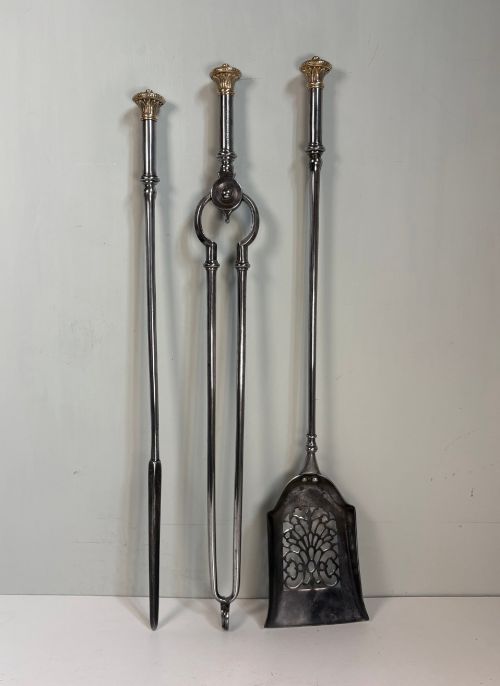
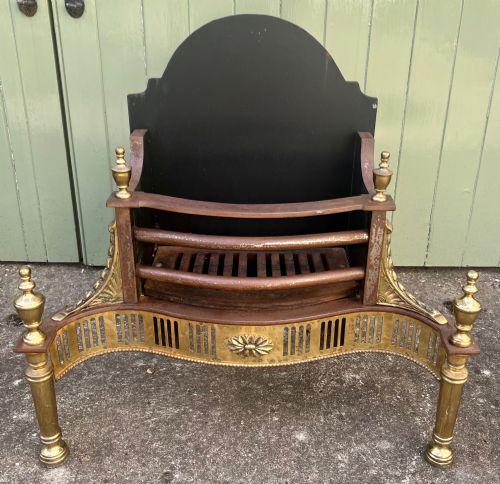
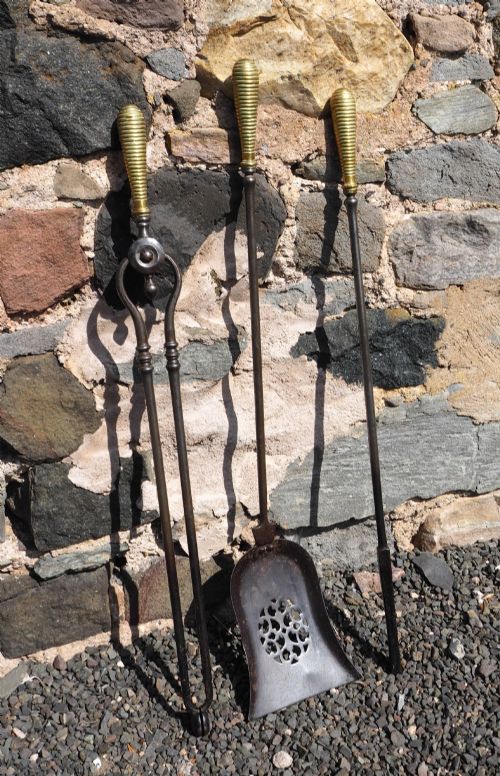
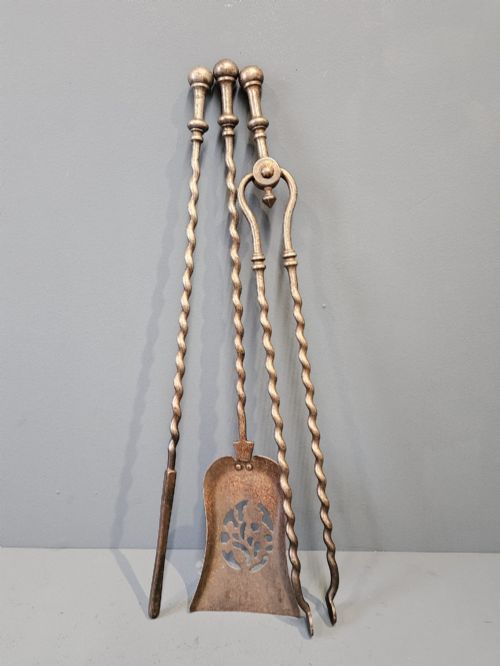
Period fire irons are matched sets of hearth implements designed to tend a coal or wood fire, comprising tools such as a shovel, tongs, and a poker. When you search for period fire irons, you encounter matched sets originating from the eighteenth and nineteenth centuries, spanning Georgian, Regency, and Victorian eras. These items accompany grates, fire baskets, and fenders, completing the metalwork of a traditional working hearth.
The sets on offer range from functional steel suites to decorative brass-handled designs incorporating gilt details. Eighteenth-century examples lean towards forged steel with clean lines, whilst Victorian and Regency iterations often employ bright brass or burnished finishes. Whether configured as a trio or a broader companion set, these tools reflect the domestic metalworking standards of their respective periods.
How they were made
Makers shaped these irons using a combination of hand-forging and casting, working primarily in steel, cast iron, and brass. Steel shafts provided the necessary rigidity for the poker and tongs, while brass components were cast separately and applied as decorative handles or mounts. Wrought iron elements show the hammer marks of the smith who drew and tapered the metal at the forge.
Finishes varied according to the period taste, with burnished steel requiring careful polishing to maintain its reflective surface. Brass handles were often chased or cast with geometric and floral motifs, then secured to the iron stems using hidden pins or threaded joints.
Some nineteenth-century pokers bear the subtle scars of enthusiastic sweeps who poked coal rather than ash.
What varies in quality
The distinction between standard utility items and superior pieces rests on the weight of the metal and the crispness of the casting. Better sets utilise heavier gauges of steel that resist bending during daily use, paired with substantial brass handles that feel balanced in the hand. Poorer examples rely on thin stamped sheet metal and hollow handles that lack durability.
Design coherence further separates the tiers of production. Superior sets demonstrate unified styling across all three implements, where the decorative vocabulary of the poker matches the tongs and shovel precisely. Inferior groupings often gather mismatched or replacement tools assembled long after manufacture.
Coalbrookdale
The Period Fire Irons Glossary
- Fire irons
- The collective term for the poker, tongs, and shovel used to manage an open domestic fire. They are typically displayed upright in a fender stand or hung from a companion set.
- Poker
- A rigid iron or steel rod with a pointed or hooked end used for stirring burning fuel. It forms the primary tool in any standard fire iron set.
- Tongs
- A scissor-action or spring-jointed implement designed for lifting individual pieces of coal or logs onto the grate. They require a stable pivot to function correctly over heat.
- Shovel
- A flat-bladed tool with a short handle used for clearing ash from beneath the fire grate. In period sets, the shovel blade often matches the decorative detailing of the poker handle.
Period Fire Irons: Frequently Asked Questions
What tools come in a set?
A standard set comprises a poker, a pair of tongs, and a shovel designed for daily hearth maintenance.
These three implements cover stoking, fuel placement, and ash clearance respectively.
How do I clean brass handles?
Use a soft cloth and a mild metal polish to maintain the brightness of brass components.
Avoid abrasive pads that can wear down the cast surface details over time.
Can these irons be used daily?
Most period sets in steel and iron are robust enough for regular hearth use.
Heavier gauges handle active fires better than lighter decorative variations.
How do I date a set?
Dating relies on stylistic clues such as the handle shape and the manufacturing method.
Hand-forged steel points towards earlier centuries, while cast brass motifs often signal Victorian production.