




Vintage Fireplace Set
A vintage fireplace set brings functional metalwork and period character to the hearth, offering complete tools and stands for daily use.
Vintage Fireplace Set
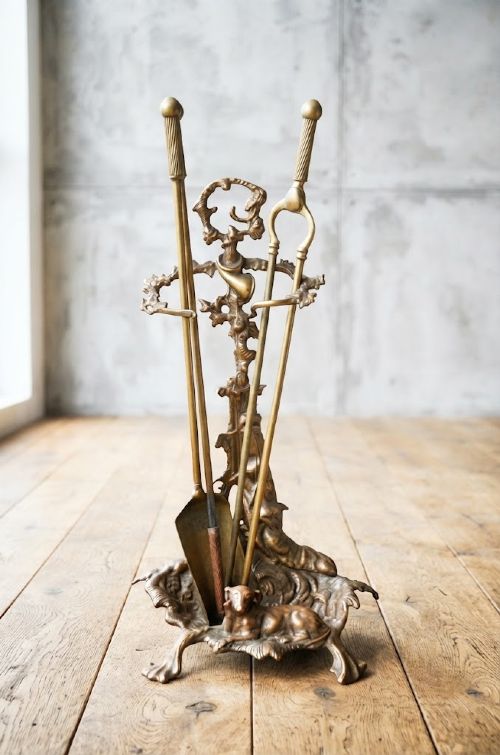
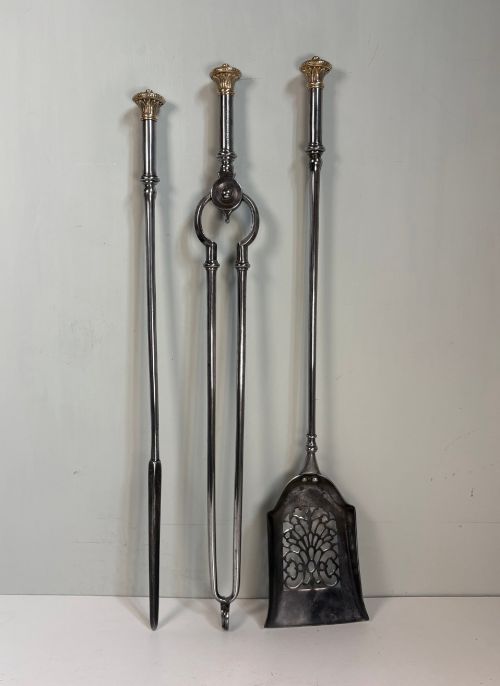
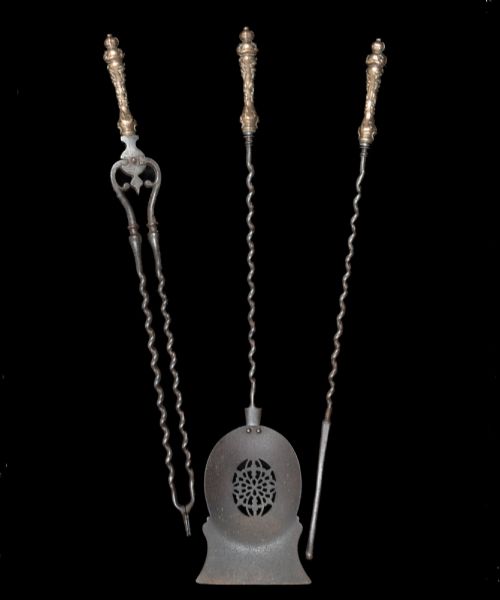
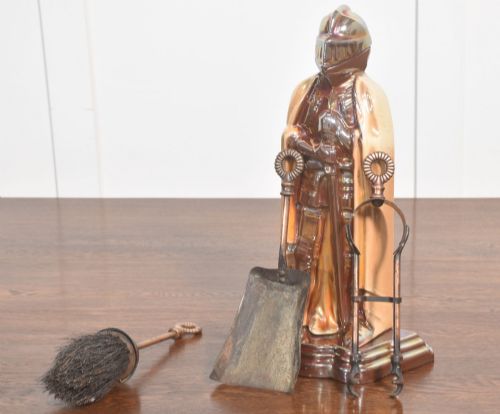
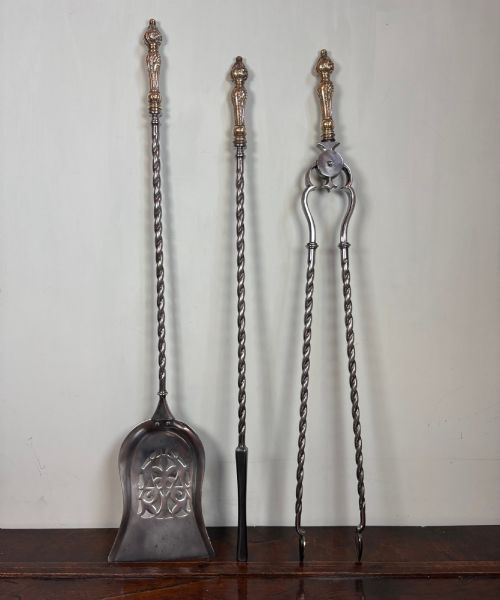
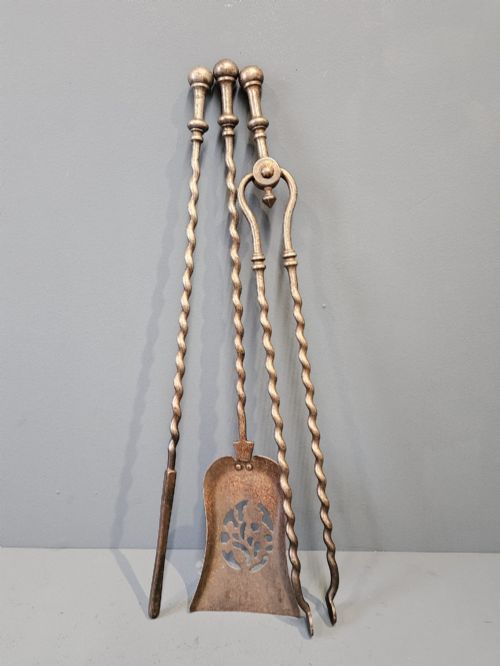
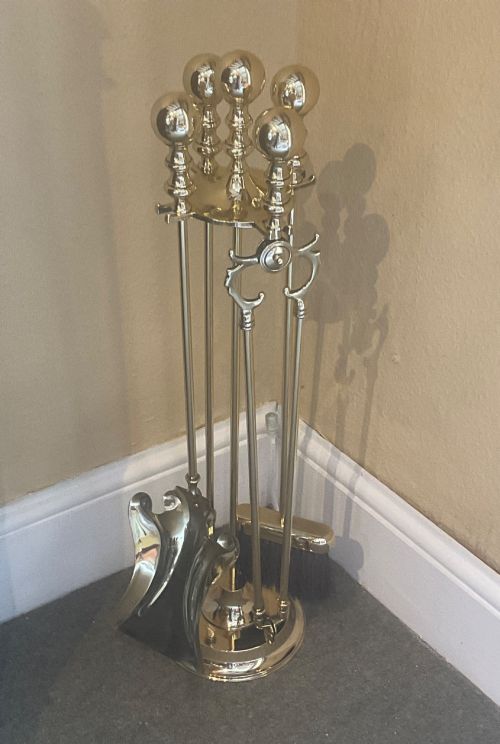
A vintage fireplace set comprises grouped tools, stands, and companion pieces designed for tending hearths in domestic rooms. These arrangements typically include tongs, pokers, shovels, and sometimes fire dogs or baskets collected together on stands.
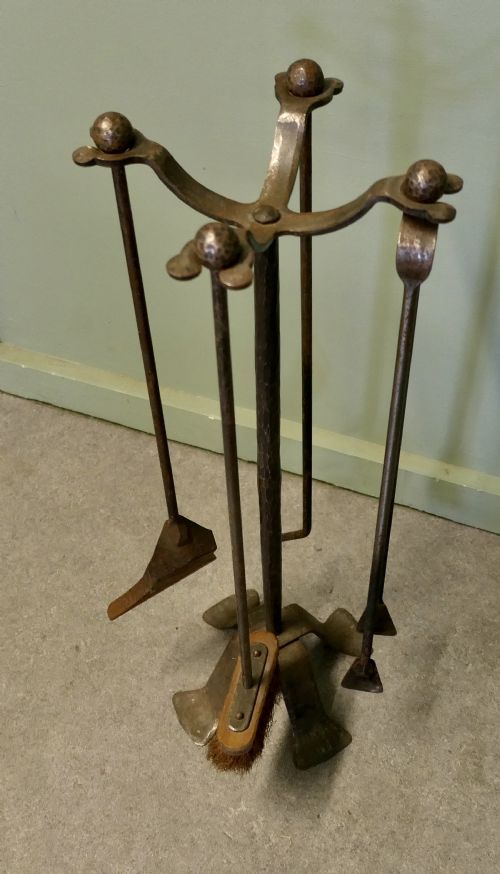
The selections span periods from the eighteenth century through the Edwardian era and the nineteen-thirties, with Victorian examples appearing most frequently. Pieces range from country house ironwork to polished brass assemblies bearing rococo, Gothic revival, or arts and crafts styling.
Buyers encounter both matched suites made as single units and assembled groupings of compatible fire irons. Companion stands and umbrella stands also feature among the configurations recorded in the listings.
Materials and construction methods
Makers utilised durable metals including cast iron, wrought iron, steel, polished steel, and brass to withstand intense hearth heat. Gun metal, gilt bronze, and marble also occur within specific decorative sets and garnitures.
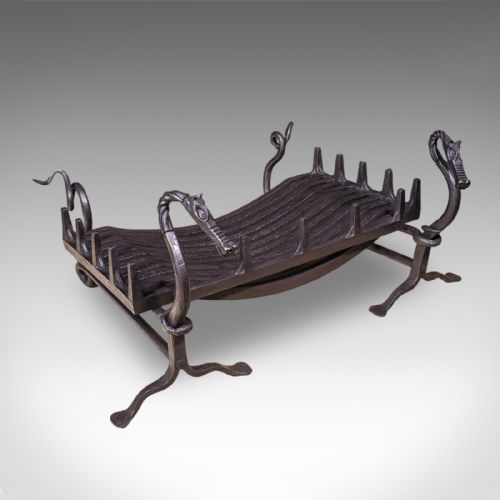
Blacksmiths and foundry workers shaped iron and steel through forging and casting, often incorporating twisted handles, dragon motifs, or knight figures. Brass elements were cast and polished, sometimes combining with steel shafts for structural strength.
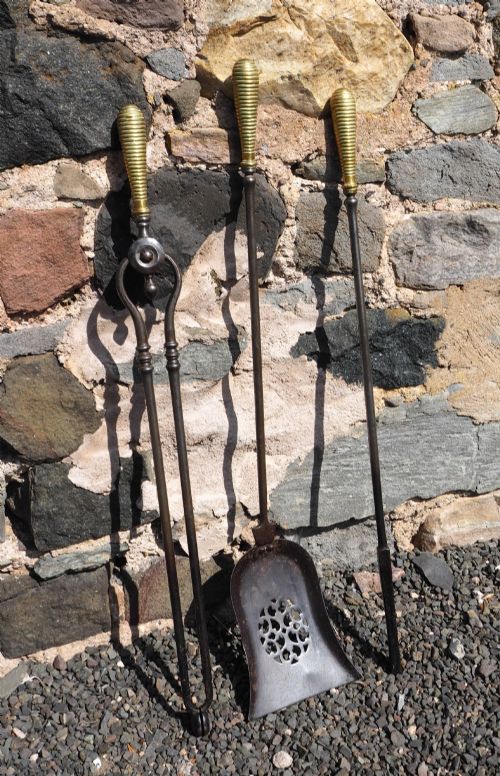
Listings demonstrate material combinations of brass and steel spanning the Victorian, Edwardian, and Georgian eras alongside French nineteenth-century clock garnitures.
Distinctions in standard and finish
Quality rests in the weight of the metal, the rigidity of the tools, and the crispness of decorative cast motifs. Heavier gauge steel and substantial brass castings endure regular use better than thinner stamped alternatives.
Artisanal detail distinguishes finer examples, such as hand-forged rope twists on handles or sculptural mounts depicting figures like golfers and knights. Proportion and balance between the tools and their companion stands also signal superior workshop production.
The Vintage Fireplace Set Glossary
- Companion set
- A matched group of fireside tools presented together on a dedicated stand or rack. These assemblies typically comprise a poker, shovel, and tongs.
- Fire irons
- The individual metal implements used for managing coal or wood fires within a grate. They include pokers, shovels, and tongs.
- Andirons
- Horizontal metal bars supported on legs, placed in a hearth to raise logs for better air circulation. They often match the associated fire tools.
- Fire basket
- An open metal container designed to hold coal or wood inside a fireplace opening. These fixtures frequently accompany regional tool sets.
- Garniture
- A set of three or more decorative objects, such as a clock paired with matching urns or figures, displayed together on a mantelpiece.
Vintage Fireplace Set: Frequently Asked Questions
What is included in a typical set?
A standard set includes a poker, shovel, and tongs, frequently accompanied by a vertical stand or companion rack. Some groupings also incorporate fire dogs or fender accessories.
Larger configurations span additional implements designed for managing both coal and wood fires in period hearths.
How do I date an iron set?
Dating relies upon manufacturing techniques, material choices, and stylistic markers such as arts and crafts motifs or rococo casting. Eighteenth-century pieces generally show hand-forged iron construction.
Later Victorian and Edwardian examples often utilise machine-turned brass and polished steel with standardised fitting methods.
Can these tools be used daily?
Most historic sets were built from robust metals like cast iron, steel, and brass intended for practical domestic service. Solid construction allows them to withstand regular use beside an active fireplace.
Consider the weight and material durability of individual pieces before selecting tools for frequent fires.
Are brass and iron sets mixed?
Many period suites deliberately combine brass handles or mounts with steel shafts for both decorative contrast and structural durability. This dual-material construction appears frequently across nineteenth-century examples.
Matching finishes within a single collection usually indicate a unified workshop origin.