
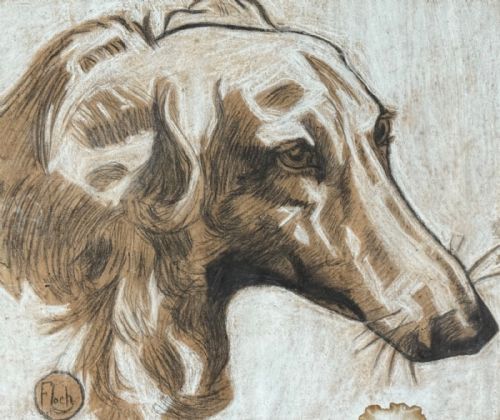
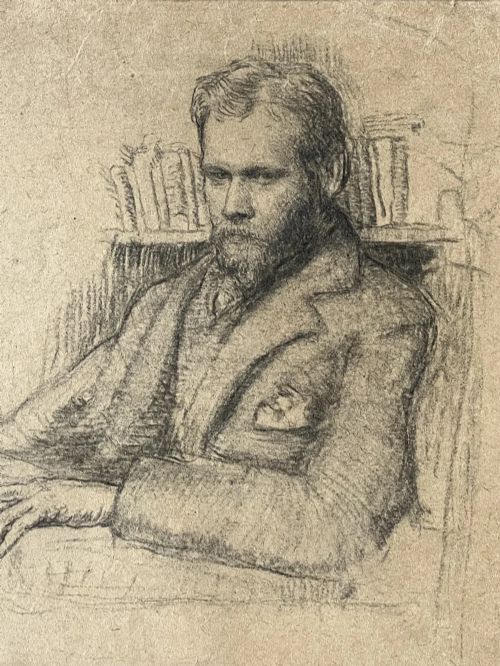
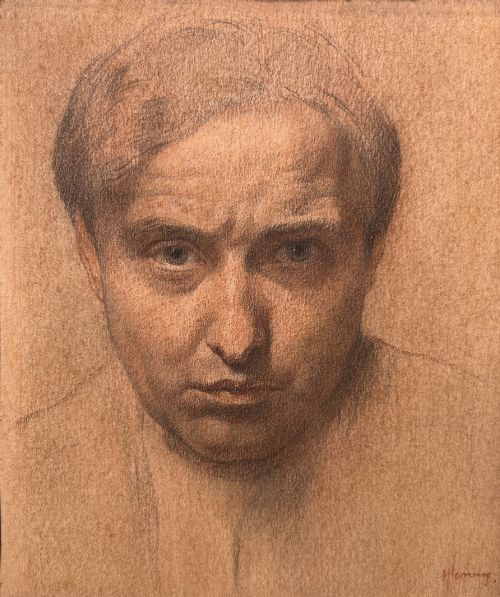
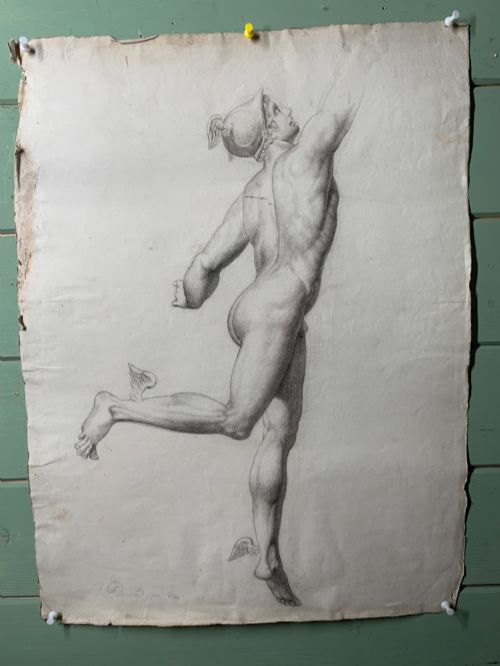
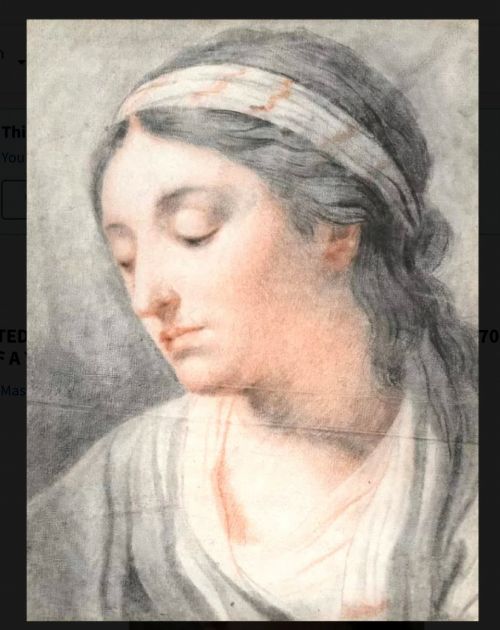
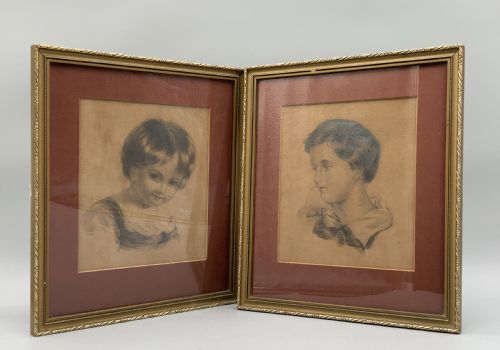


Pencil Drawing on Paper
When you search for pencil drawing on paper, you enter a diverse field of original graphic works spanning several centuries.
Pencil Drawing on Paper
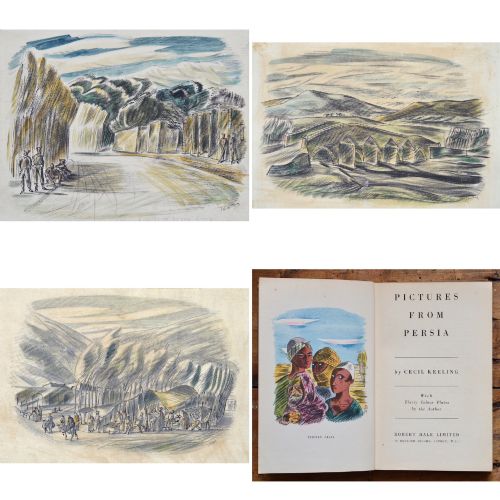
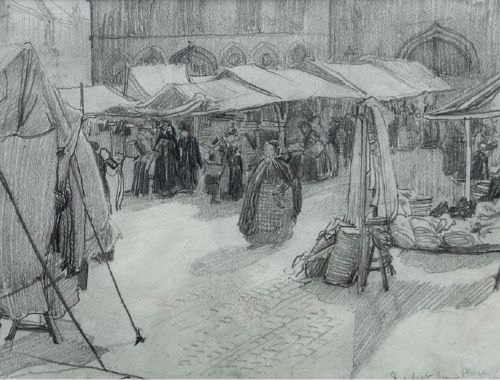
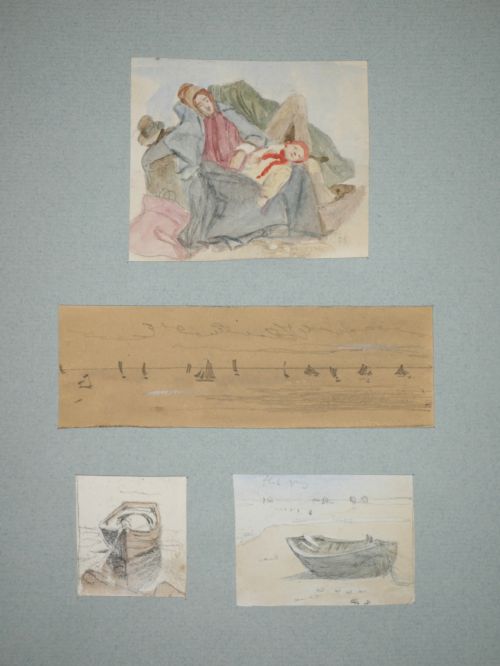
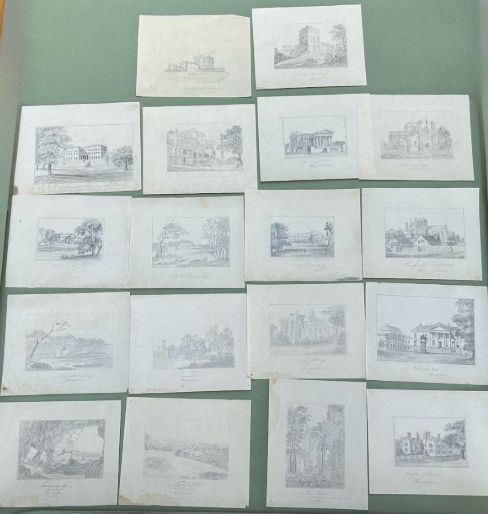
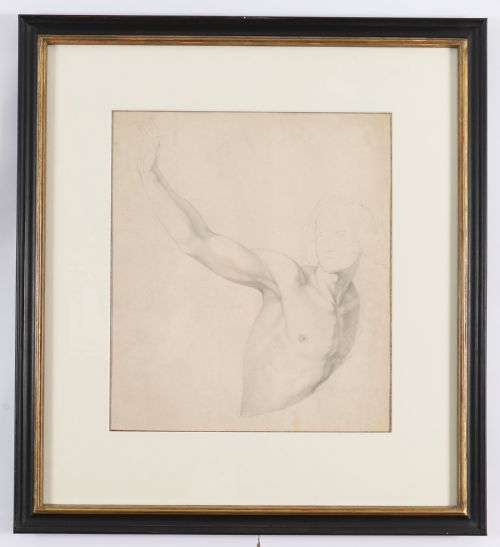
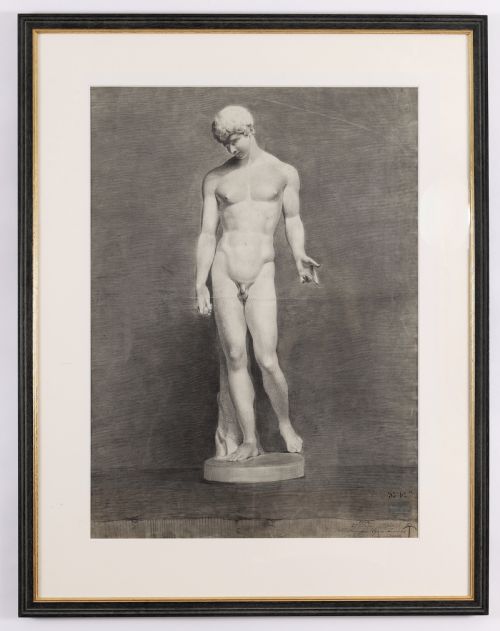
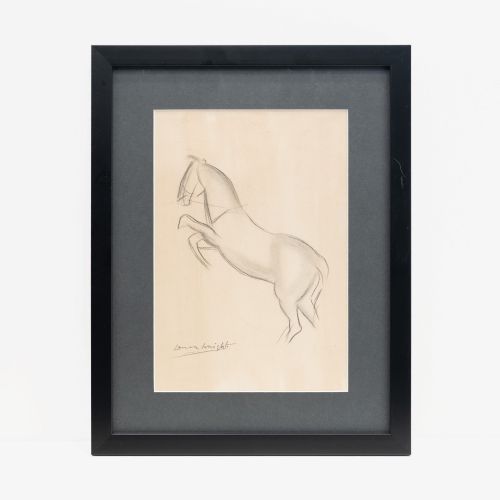
A pencil drawing on paper captures direct marks made by artists across a broad chronological span, from the Georgian and Regency eras through the Victorian period into mid-century modernism. These original artworks appear in various forms, including framed drawings, detailed figural studies, architectural sketches, and landscape compositions.
Materials and techniques
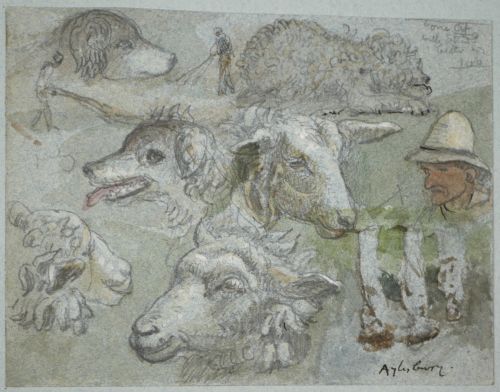
Artists utilise graphite, charcoal, chalk, and pencil directly on paper supports, sometimes combining these dry mediums with gouache or watercolour washes for added tone. Support sheets vary from standard paper to tinted buff paper and embossed paper surfaces.
Execution techniques range from strict academic realism and meticulous architectural delineation to expressive cubist, surrealist, and fauve mark-making.
The inventory spans works produced across the 18th, 19th, and 20th centuries, utilising graphite, charcoal, chalk, and watercolour on paper.
What determines quality
Quality rests upon the sureness of the draughtsmanship and the artist's ability to capture form, gesture, or expression with economy of line. A confident portrait study or a carefully observed architectural recording demonstrates greater mastery than a hesitant amateur copy.
Condition also influences standing, as works on paper remain susceptible to fading, foxing, and acid discolouration over the decades. Preserved sheets retaining crisp lines and stable paper supports command stronger interest.
Cecil Keeling·Henry Percy Huggill·James Smetham·Augustus John·Dame Laura Knight·Demetrios Galanis·Michael Lyne·Mariette Lydis·Edward Lear
The Pencil Drawing on Paper Glossary
- Graphite
- A form of carbon used as a drawing medium in pencils, producing grey or black marks with a metallic sheen. It replaced lead for artistic purposes.
- Buff paper
- A pale brownish-yellow paper stock favoured by artists for sketches. The neutral tone allows white chalk highlights to stand out clearly.
- Draughtsmanship
- The skill and technique of making drawings, particularly involving accurate perspective, proportion, and line control. It forms the foundation of figurative art.
- Study
- A preparatory drawing or practice sketch made by an artist to prepare for a larger work or to record an observed subject. These pieces often reveal the immediate thought process of the creator.
- Provenance
- The chronological ownership history of an artwork, helping to establish authenticity and past exhibition records. Prestigious collections enhance the historical interest of a sheet.
Pencil Drawing on Paper: Frequently Asked Questions
How do I care for antique paper drawings?
Keep drawings away from direct sunlight to prevent the graphite, chalk, or paper from fading over time. Use UV-filtering glass when framing.
Ensure framing materials are acid-free to stop the paper from yellowing or degrading in storage.
Are all these drawings framed?
Listings include both framed artwork ready for hanging and unframed sheets stored safely in portfolios. Unframed pieces offer flexibility for custom framing.
Check individual descriptions to confirm whether a period or modern frame is included in the purchase.
What is a study compared to a finished drawing?
A study is typically a preparatory or exploratory exercise where the artist focuses on a specific hand, figure, or composition. These works show spontaneous lines rather than polished detail.
Finished drawings are executed with exhibition or publication in mind, showing a higher degree of resolved detail and tonal finish.
How can I tell the date of a drawing?
Dating relies on signatures, dated inscriptions by the artist, stylistic markers of periods like Regency or Art Deco, and paper watermarks. Comparative works by the same school provide further context.
Examine the back of the sheet and the framing for old dealer labels or exhibition stamps that record historical dates.