





Edwardian Pencil Portrait Sketch
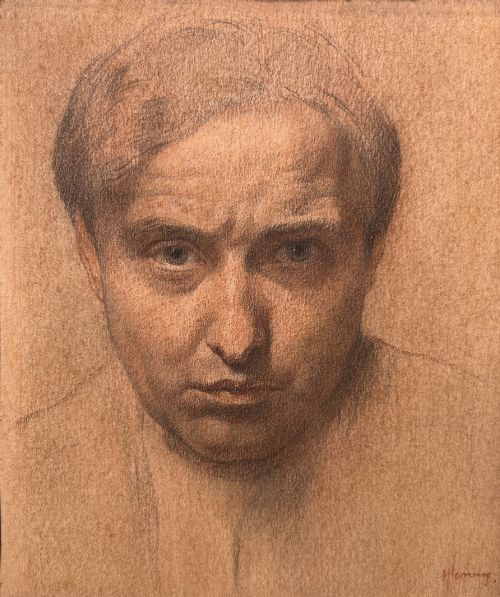
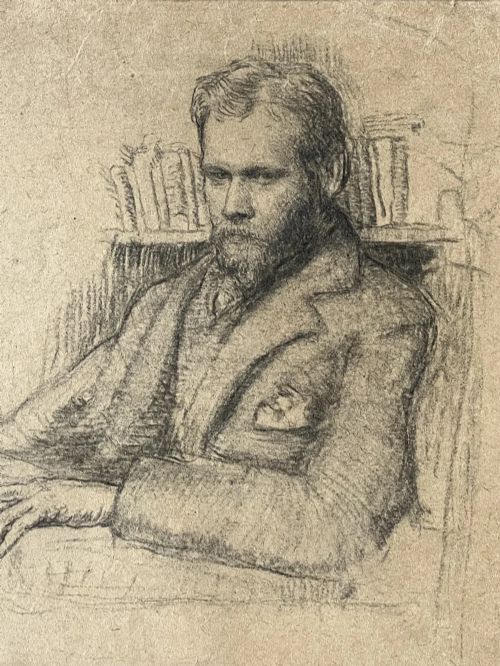
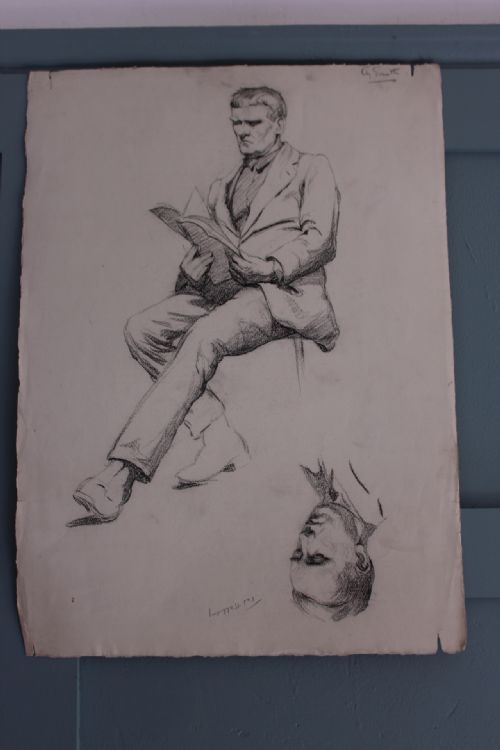
An edwardian pencil portrait sketch captures a likeness with immediate line, offering direct access to the character of the period.
Edwardian Pencil Portrait Sketch
When you search for an edwardian pencil portrait sketch, you examine original works on paper produced during the early twentieth century and surrounding decades. The pieces gathered here span from late nineteenth-century examples through to mid-twentieth-century drawings, capturing sitters in graphite, charcoal, and pencil.
You are most likely to encounter framed fine art drawings depicting individual subjects, ranging from informal portrait studies to finished likenesses. These works often combine pencil with watercolour washes, presenting both anonymous sitters and named historical figures.
The origins of these drawings extend across British art traditions, encompassing academic realism, modern British art, and Scottish colourist influences. Each wall art piece preserves the direct touch of the draughtsman, offering a personal record of past faces.
Materials and technique
Artists working in this tradition drew upon paper supports using graphite pencil, charcoal, and chalk, frequently applying watercolour washes to tint the monochrome lines. These materials allowed for both rapid preliminary sketches and highly finished portrait drawings.
Framed works typically utilise wood mouldings and protective glass to preserve the delicate paper surfaces from atmospheric damage. The physical construction relies on traditional framing methods that secure the sheet while displaying the draughtsmanship clearly.
Edwardian Pencil Portrait Sketch Retail Price Guide 2026
Typical asking prices for edwardian pencil portrait sketch among the pieces listed under this phrase on Sellingantiques today, from the lower quarter to the upper quarter. They describe what is for sale here now, not the wider market.
One portrait records Sir Henry Alexander Wickham, an explorer famously known for smuggling rubber tree seeds out of the Amazon.
Distinctions in quality
The distinction between standard and superior works rests upon the confidence and economy of the draughtsman's line. A masterful hand captures bone structure and expression with minimal hesitation, whereas lesser works rely on laboured shading to achieve a likeness.
Condition and preservation also define the standing of a piece, particularly the stability of the paper support and the absence of heavy foxing or fading. Works that retain their original tonal contrast and sit within well-preserved frames present the artist's intended effect more successfully.
AUGUSTUS JOHN·Herbert Johnson Harvey·J D Fergusson·Raoul Millais·Charles Prosper Sainton·Reginald G. Eves·Ernest Borough Johnson·Leo Klin·Francis Dodd·Cecil CP Lawson
The Edwardian Pencil Portrait Sketch Glossary
- Graphite
- A form of crystalline carbon used as a drawing medium in pencils. It produces grey or black marks capable of fine detail and broad tonal shading.
- Watercolour wash
- A thin, transparent layer of pigment suspended in water applied over or beneath the pencil lines. This technique adds subtle colour and atmosphere to the drawing.
- Academic realism
- An artistic style characterised by strict adherence to observed forms and rigorous technical training. Works in this mode display precise anatomical accuracy and careful tonal modelling.
- Wall art
- A general category for visual works intended to be displayed on vertical surfaces. This includes framed drawings, paintings, and prints.
- Charcoal
- A porous form of carbonised wood used for drawing. It yields deep, rich blacks and supports bold, expressive gestural marks.
Edwardian Pencil Portrait Sketch: Frequently Asked Questions
How do I care for these drawings?
Keep framed works away from direct sunlight and damp environments to protect the fragile paper and graphite mediums. Maintaining stable indoor temperatures prevents the paper from warping and stops the glass from trapping condensation.
Use professional framing services if the backing needs replacement or if the paper requires conservation cleaning. Avoid hanging them in high-humidity rooms such as kitchens or bathrooms.
Were these sketches meant to be studies?
Many works function as preparatory studies for larger painted portraits or finished exhibition pieces. Artists used quick pencil strokes to record poses, lighting, and expressions directly from life.
Other drawings were created as complete, independent artworks intended for direct sale or exhibition. The presence of detailed watercolour washes often indicates a more finished piece rather than a preliminary note.
How are periods identified?
Dating relies on stylistic markers, artist signatures, and recorded biographical dates of the sitters or the creators. Clothing styles, hairstyles, and framing materials also provide strong chronological clues for works lacking explicit inscriptions.
Documentation on the reverse of the frame or accompanying labels frequently records exhibition history or specific dates. Comparing the handling of the medium with known dated works by the same artist confirms the period.
Can I hang them in bright rooms?
Direct sunlight causes graphite, charcoal, and watercolour pigments to fade over time. Ultraviolet rays break down the paper fibres and alter the tone of the drawing permanently.
Position these works on interior walls away from windows or utilise UV-filtering conservation glass during framing. This precaution preserves the original contrast and integrity of the artwork.