




Pedestal Sugar Bowl
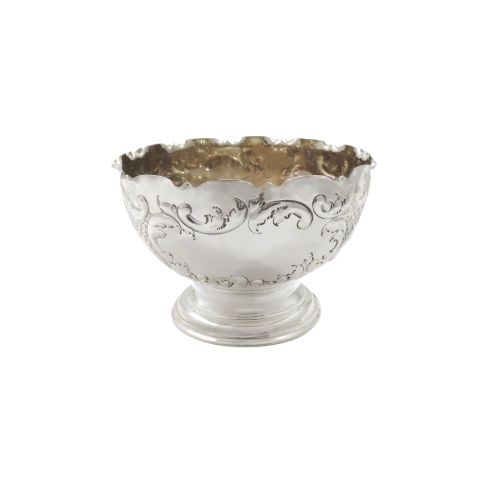
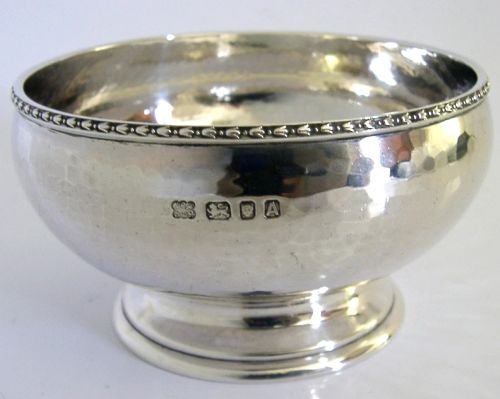
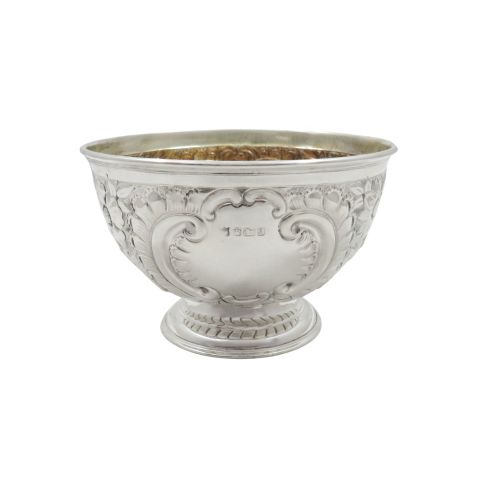
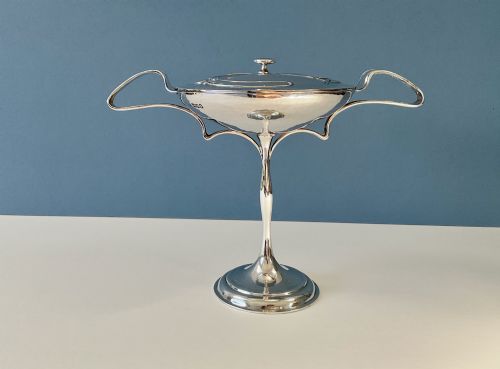
These pedestal sugar bowl examples span Georgian, Victorian, and Edwardian periods, offering refined forms that anchor a traditional tea table.
Pedestal Sugar Bowl
A pedestal sugar bowl sits elevated on a foot or base, taking the form of baskets, bowls, and sweetmeat dishes designed for the table. You will frequently encounter Victorian sterling silver and silver-plated examples alongside Georgian and Edwardian iterations on this page.
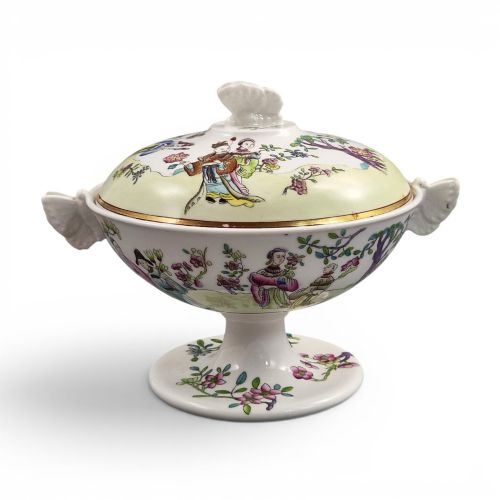
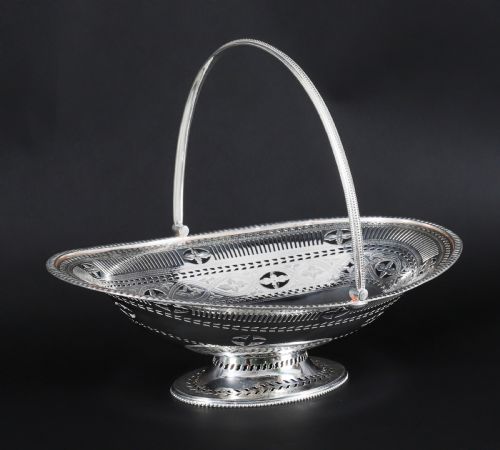
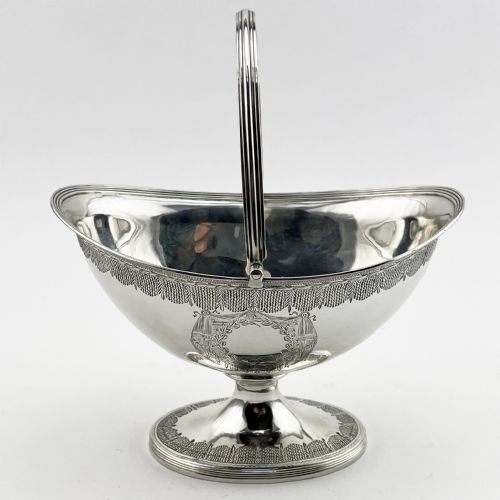
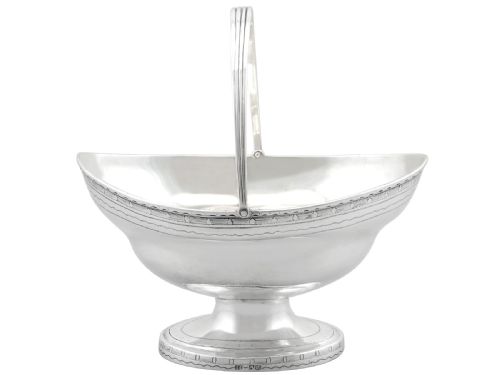
The assortment includes swing-handled baskets, covered bowls, and footed vessels manufactured for domestic use. Makers from various periods adapted these pieces with fretwork, blue rims, and butterfly handles.
Originating as tableware for serving sugar and sweetmeats, these vessels reflect the changing dining fashions across the eighteenth, nineteenth, and early twentieth centuries.
How They Were Made
Silversmiths shaped sterling silver, silver plate, and old Sheffield plate through hammering, planishing, and casting. Workers also utilised glass, copper, enamel, gilding, and felspar porcelain.
Decorative techniques include fretwork piercing, applied handles, and hand-painted motifs as seen on porcelain bodies. Makers combined structural pedestals with swinging or fixed handles to complete the vessels.
Some nineteenth-century sweetmeat baskets feature delicate butterfly handles that flutter above the rim.
What Varies in Quality
Quality rests in the crispness of the piercing, the weight of the metal, and the balance of the pedestal foot. Master silversmiths achieved finer proportions and more intricate hand-hammered surfaces than routine commercial workshops.
The integration of decorative elements, such as pierced fretwork and cast handles, separates standard tableware from superior examples. Preservation of original gilding and enamel further distinguishes the finer pieces.
Henry Chawner·Hammond, Creake And Co·Elkington And Co·Royal Worcester·Walter Brind
The Pedestal Sugar Bowl Glossary
- Pedestal foot
- A raised base supporting the main body of a bowl or basket. This elevation creates a distinct profile common in Georgian and Victorian tableware.
- Sweetmeat basket
- A small footed vessel designed for holding confections and sweetmeats. These often feature swing handles and pierced metalwork.
- Planished hammer
- A hammering technique that leaves subtle, controlled facets across a metal surface. This process hardens the silver while creating a distinct reflective texture.
- Felspar porcelain
- A fine ceramic body developed in the nineteenth century. It provides a durable base for detailed hand-painted decoration.
- Old Sheffield plate
- A composite material formed by fusing a thin sheet of silver to a thicker copper base. This technique preceded modern electroplating.
Pedestal Sugar Bowl: Frequently Asked Questions
What is a pedestal sugar bowl?
A pedestal sugar bowl is a footed tabletop vessel created to hold sugar during tea service. These pieces range from open baskets to covered bowls.
Craftsmen produced them in silver, plate, porcelain, and glass across the Georgian, Victorian, and Edwardian eras.
How were pedestal sugar bowls used?
They served on the dining or tea table to dispense sugar granules, lumps, or sweetmeats to guests. The inclusion of handles allowed diners to pass the vessel easily.
Many incorporated matching spoons or were lined with coloured glass to protect the metal from moisture.
How do I identify a Georgian pedestal sugar bowl?
Georgian examples often display neoclassical lines, bright-cut engraving, or pierced fretwork supported by a square or round foot. Hallmarks stamped on the metal confirm the exact year and maker.
Porcelain variants from this era feature hand-painted details and distinctive handle forms.
How should I clean silver pedestal bowls?
Clean silver vessels with a soft cloth and specialised silver polish designed to remove tarnish without abrading the metal. Avoid harsh chemical dips that strip patination.
Wash porcelain and glass components gently in warm soapy water without submerging cemented metal mounts.