





Engraved Pedestal Bowl
An engraved pedestal bowl elevates fruit, sugar or sweets on a raised foot, bringing refined silver, glass or bronze to the table.
Engraved Pedestal Bowl
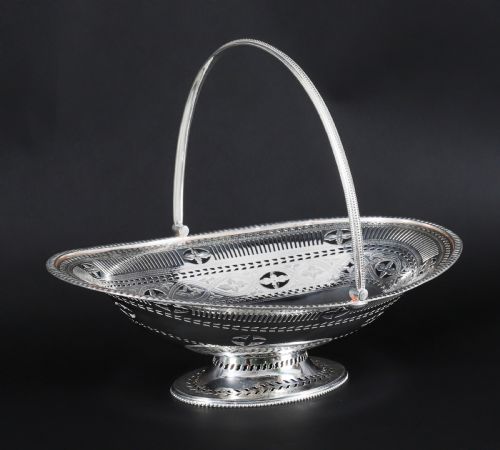
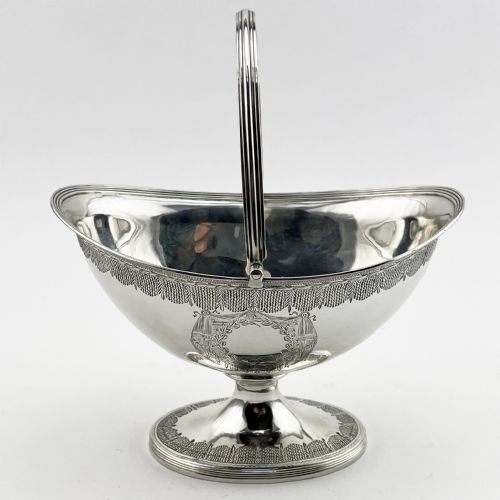
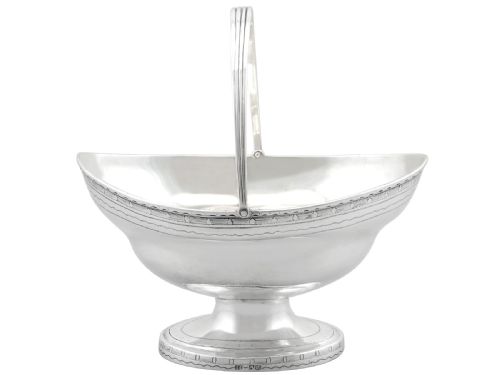
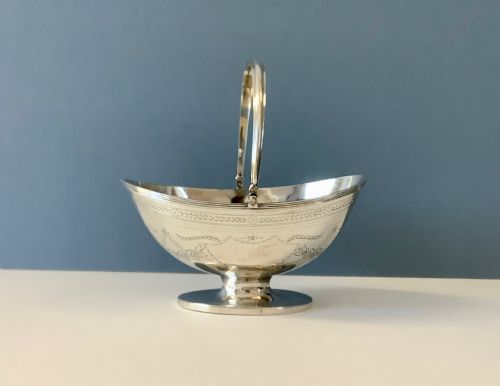
An engraved pedestal bowl is an elevated vessel designed for presentation on the dining table or sideboard, appearing in forms such as fruit baskets, sugar baskets, sweet bowls and tazzas. You encounter these pieces across periods stretching from the eighteenth century through the nineteenth century and into the early twentieth century, spanning Georgian, Victorian and Edwardian eras. The selection on this page demonstrates that makers produced these footed forms in varied styles including neoclassical, gothic revival and persian patterns.
Silver and silver plate dominate the offerings for an engraved pedestal bowl, alongside variants in sterling silver, copper, brass, bronze with agate, pewter and glass. Formats range from large bread and fruit baskets with swing handles to shallow tazzas, sweetmeat baskets and centrepiece bowls. These raised vessels served practical functions for hospitality and dining while acting as decorative centrepieces in domestic settings.
Materials and construction methods
Silversmiths constructed sterling silver and silver plated examples by hammering, spinning or casting the metal before applying surface decoration. Artisans then hand-engraved floral, foliate or geometric motifs across the body of the bowl using sharp gravers.
Glass vessels such as tazzas and vases involved blowing molten glass into moulds or free-blowing the form, followed by wheel-engraving, etching or gilding the surface. Bronze and brass examples utilised casting techniques, sometimes incorporating applied cabochons of agate or gold washes to enrich the finished object.
Some unexpected travellers arrive from Paris restaurants or Indian workshops, proving that a pedestal bowl takes many forms far beyond the formal dining room.
Factors of distinction
The crispness and depth of the hand-engraving separate standard vessels from superior examples, as finely executed cuts catch the light and retain their sharpness across the curves of the bowl. The weight and gauge of the metal also dictate quality, where substantial silver or cast bronze provides a solid foundation that resists bending.
Proportion between the pedestal foot and the bowl dictates the visual balance of the piece, supported by the quality of any chased or pierced detailing around the rim. Makers who integrated cast handles, fitted swing mechanisms or applied decorative elements with precision created more substantial objects for the table.
Henry Chawner·William Bennett·Birchall and Hayne
The Engraved Pedestal Bowl Glossary
- Pedestal bowl
- A vessel raised on a central foot or stem. This elevated form lifts the contents above the surface of the table.
- Tazza
- A shallow saucer-like dish or bowl mounted on a stem and foot. Often utilised for serving small cakes or sweets during nineteenth-century dining.
- Sweetmeat basket
- A small basket designed for holding confectionery, nuts or sweetmeats. These pieces frequently feature pierced metalwork and swing handles.
- Comport
- A large standing dish or bowl used for fruit or centrepiece display. The term is often used interchangeably with a tall pedestal bowl.
- Old Sheffield plate
- A composite material made by fusing a thin sheet of silver to a thicker copper base. Developed in the eighteenth century before electroplating became common.
Engraved Pedestal Bowl: Frequently Asked Questions
What were pedestal bowls used for?
These elevated vessels served multiple purposes in formal dining, holding fruit, sugar, cakes or small sweetmeats for guests. Placed in the centre of the table or on sideboards, they combined utility with visual display.
Over time, their roles shifted as dining customs changed, moving from functional tableware to decorative display pieces in Edwardian and Victorian interiors.
How do I identify a Georgian pedestal bowl?
Georgian examples, spanning the eighteenth and early nineteenth centuries, often exhibit restrained neoclassical lines, hand-beaded borders and crisp hand-engraving. Maker marks stamped on the base help confirm the period of production.
Silver pieces from this era typically display hallmarks indicating the town, year and silversmith, providing clear documentation of their origins.
Are silver plated bowls collectible?
Silver plated vessels, including old sheffield plate and nineteenth-century electroplate, are widely collected for their craftsmanship and decorative appeal. The quality of the plating and the precision of the engraving determine their desirability.
Many plated pieces mirror the forms of sterling silver equivalents, offering similar aesthetic value for the dining table.
How should I clean a silver bowl?
Silver bowls require gentle cleaning with a soft cloth and a reputable silver cream to preserve the engraved details. Avoid abrasive cleaners that can wear away thin silver plating or the highlights of the engraving.
Regular, careful dusting and minimal polishing maintain the natural lustre without harming the antique metal surface.