


Pedestal Lamp Table
A pedestal lamp table serves as a sturdy support for illumination beside seating, combining a central column and base with a compact surface.
Pedestal Lamp Table
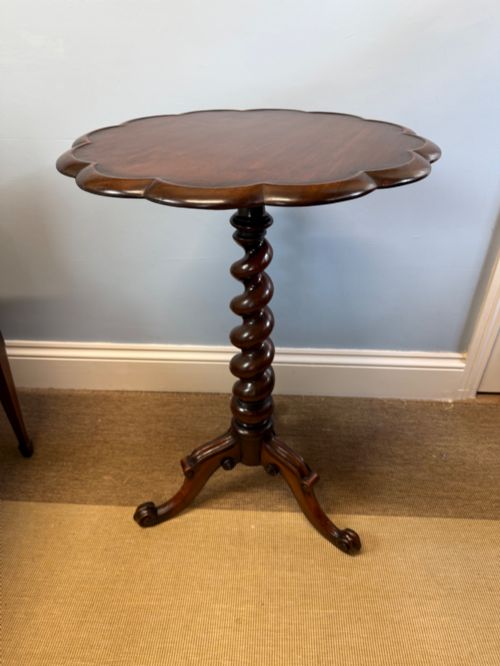
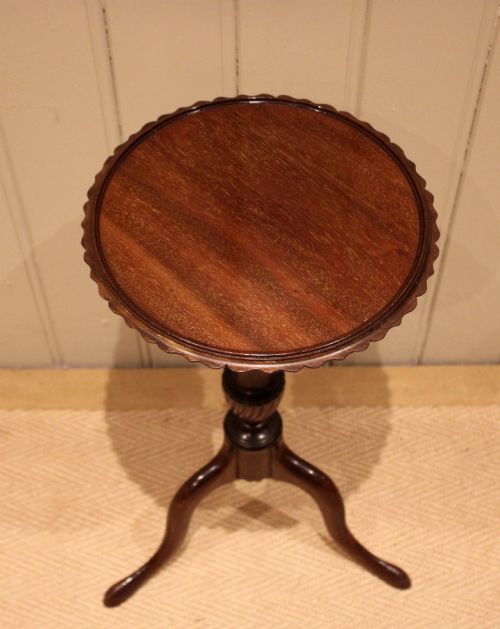
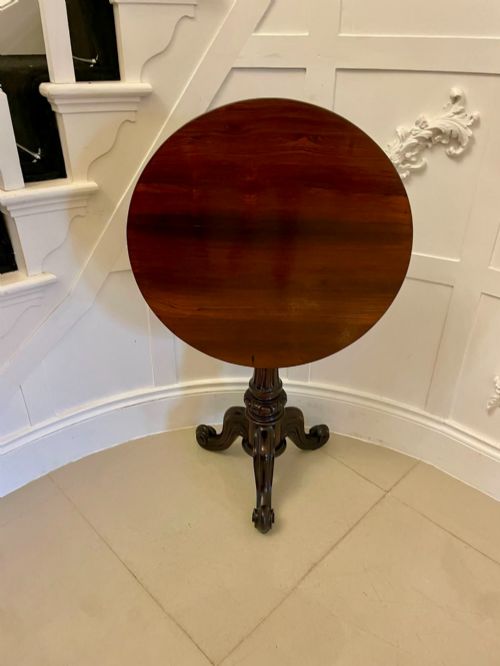
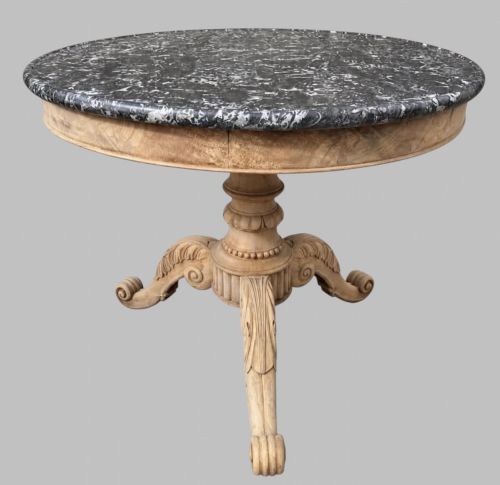
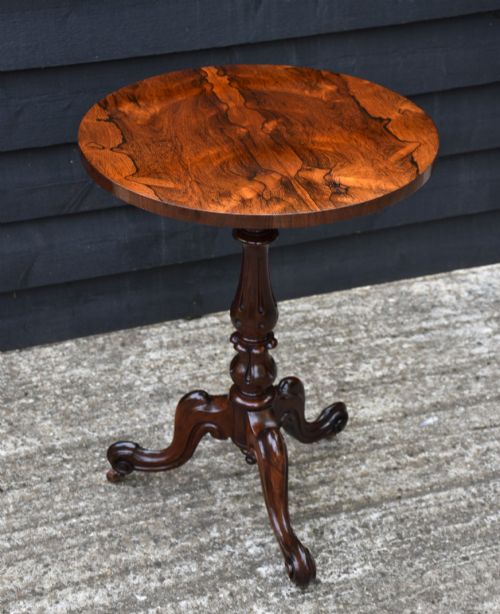
When searching for a pedestal lamp table, buyers encounter compact occasional furniture designed to hold lighting alongside seating areas. The items on this page span several eras, with Victorian and William IV examples appearing frequently alongside Edwardian and later twentieth-century pieces.
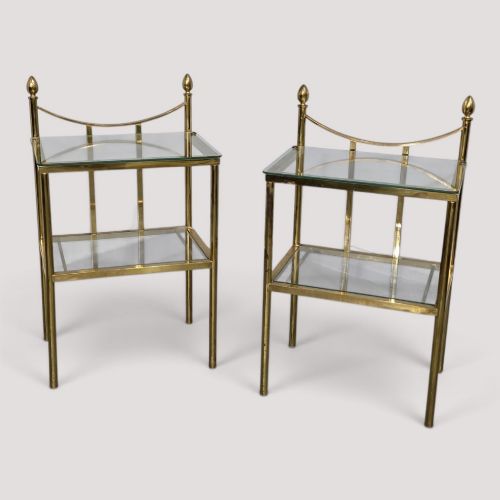
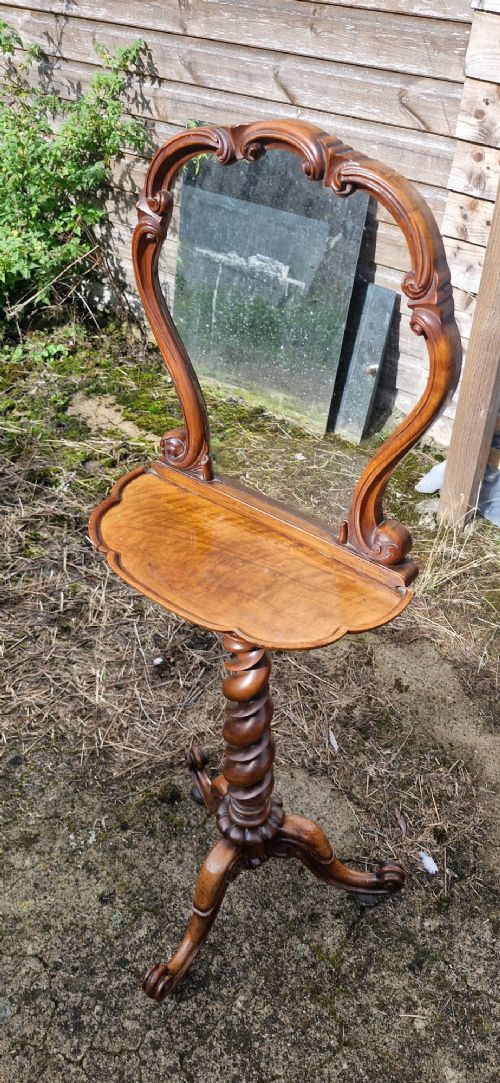
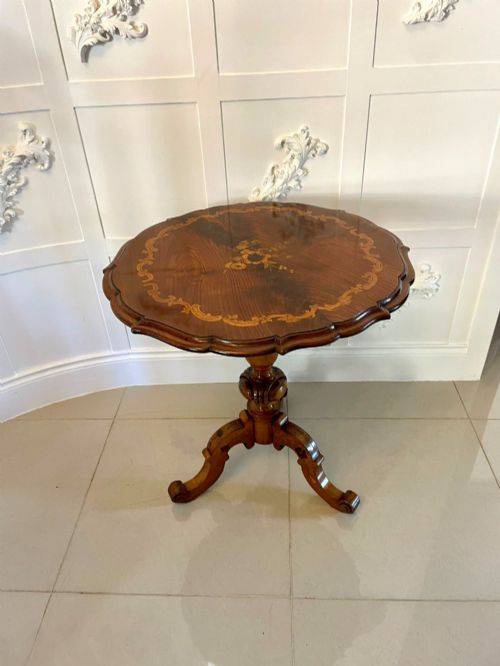
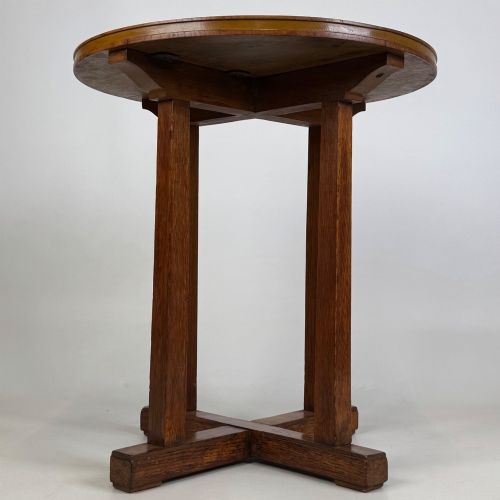
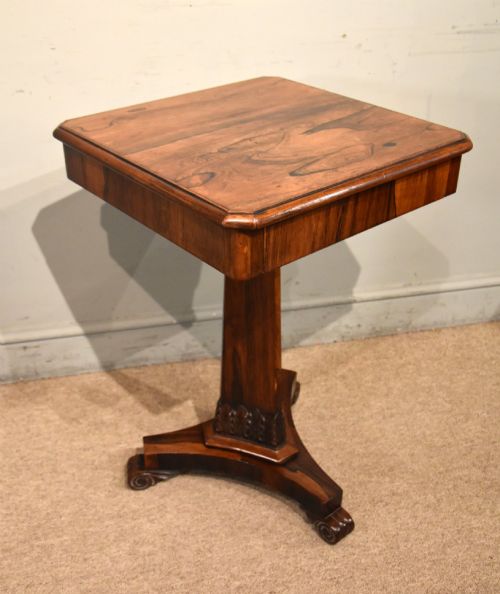
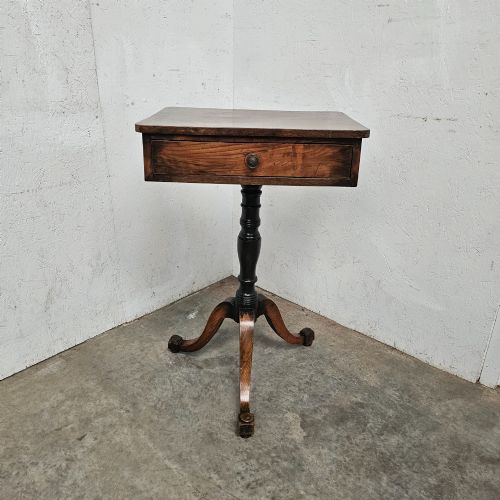
Forms vary from circular wine tables and tripod stands to square or oval occasional tables and small bedside cabinets. These pieces utilise single central pedestals or three-legged supports to maximise stability while occupying minimal floor space in a room.
How They Were Made
Cabinet makers constructed these tables using dense hardwoods such as mahogany, walnut, rosewood, and oak. Surface decoration often involved marquetry inlay, burr wood veneers, and satinwood, adding visual texture to the timber tops.
Structural support relied on turned pedestals, tripod legs, and occasionally brass or gilded metal components. Tops were sometimes fixed, tilt-top, or fitted with leather inserts and marble surfaces depending on the intended function of the table.
Listings feature 19th-century, Victorian, Edwardian, and William IV periods in mahogany, walnut, rosewood, oak, and marble.
What Varies in Quality
Construction standards separate standard utilitarian items from finer examples produced by skilled workshops. Selection of timber figure, such as burr walnut or figured mahogany, indicates the ambition behind the piece.
The execution of decorative elements like marquetry inlay, brass mounts, and carved pedestal bases determines the refinement of the finished item. Balance and stability in the central column and leg joints remain central to overall durability.
Gillows
The Pedestal Lamp Table Glossary
- Pedestal
- A single central support column rising from a weighted base or branching feet. This structure allows tables to support lamps while maintaining a small footprint.
- Wine Table
- A small circular occasional table originally intended for holding glasses or bottles. These pieces share similar proportions with lamp tables and appear interchangeably in many interiors.
- Tilt-Top
- A table top hinged to the central pedestal so it can fold vertically when not in use. This mechanism allowed tables to be stored against walls in period rooms.
- Marquetry
- Decorative patterns formed by fitting together thin slices of various woods and other materials onto a surface. It appears on finer Victorian and Edwardian tabletops.
- Tripod Base
- A pedestal support dividing into three radiating feet for stability. This configuration prevents rocking on uneven floor surfaces.
Pedestal Lamp Table: Frequently Asked Questions
What is a pedestal lamp table used for?
These tables provide a stable surface for lighting, drinks, or small decorative items beside chairs and sofas. Their compact proportions allow them to fit easily into corners or tight spaces within a room.
Historically, similar small stands functioned as wine tables, candle stands, or sewing tables. Today they serve versatile roles as bedside tables or accent pieces in living spaces.
How do I identify a William IV table?
William IV pieces typically feature heavy mahogany or rosewood construction with robust central pedestals and platform bases. Carved scrollwork and bold proportions distinguish furniture from this specific nineteenth-century era.
Secondary woods and construction methods inside drawers or beneath tops provide further clues to dating. Comparing the timber grain and turning style helps separate William IV items from later Victorian revivals.
Can I use a wine table as a lamp table?
Wine tables and lamp tables share nearly identical sizes and pedestal constructions, making them functionally interchangeable. Both accommodate a small table lamp without overwhelming a seating area.
Checking the diameter of the top ensures it matches the base of the lamp you intend to place upon it. Tilt-top mechanisms on wine tables should be checked for stability before supporting heavy items.
How do I care for antique wood tables?
Maintaining wood surfaces involves dusting regularly with a soft cloth and avoiding exposure to direct sunlight or extreme temperature shifts. Periodic waxing helps nourish antique timber finishes without building up heavy residue.
Placing felt pads beneath lamps prevents scratches and ring marks on polished veneer or solid wood tops. Using coasters protects delicate surfaces from moisture.