






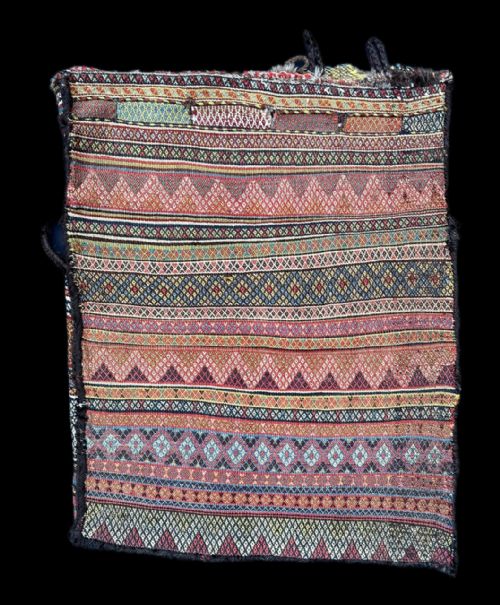
Patterned Wool Cushion Cover
A patterned wool cushion cover brings rich tribal texture and history into a room through flat-woven kilim and nomadic textiles.
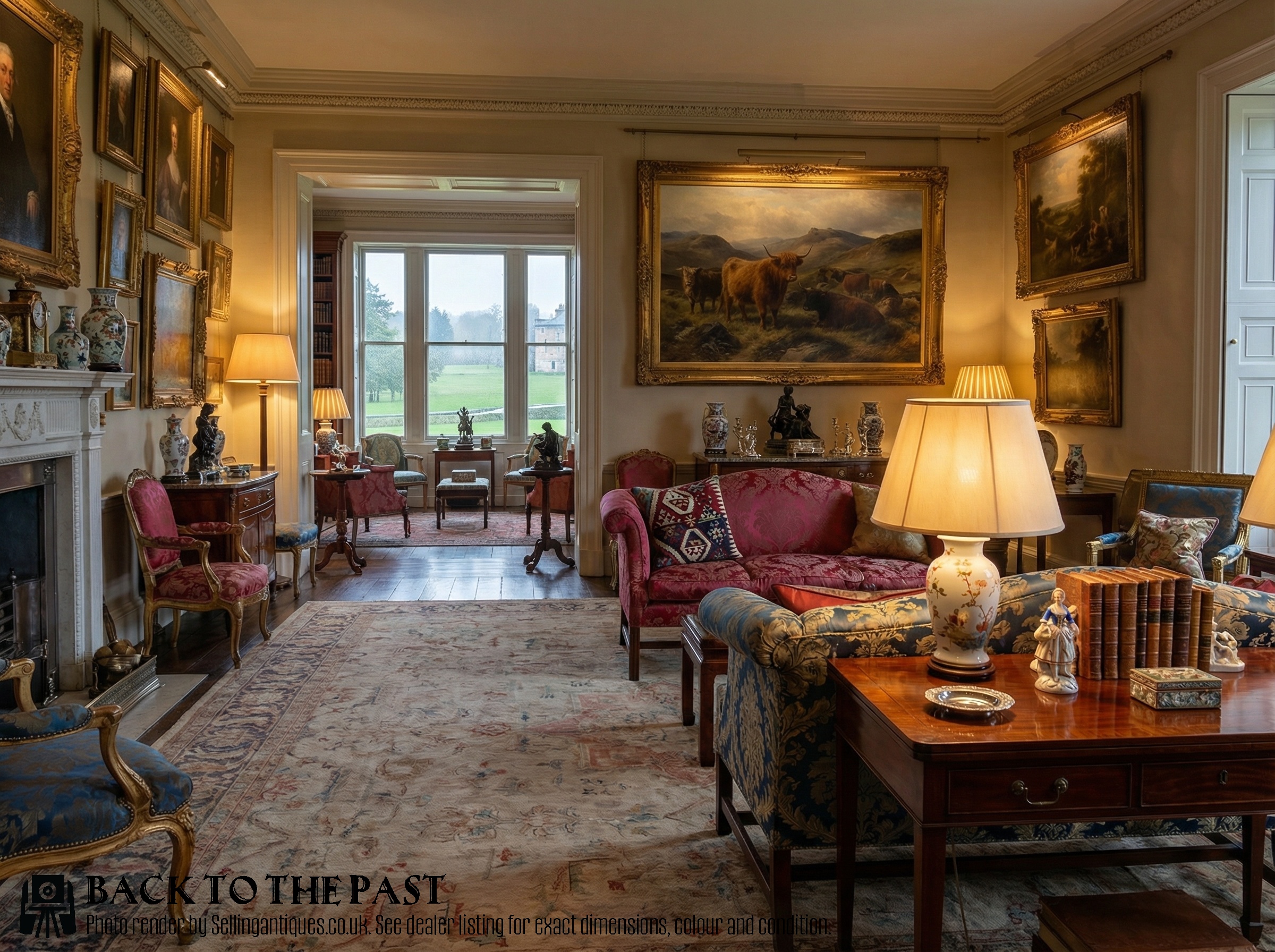
Patterned Wool Cushion Cover
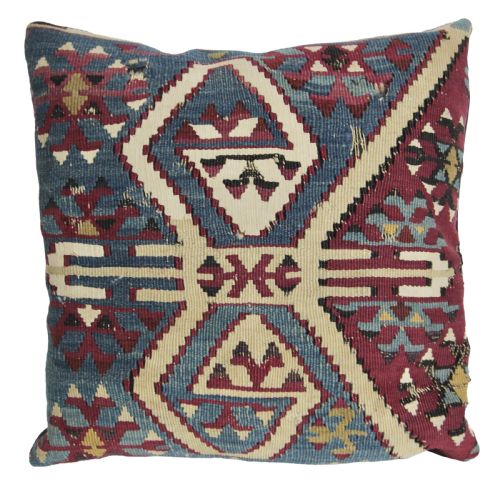
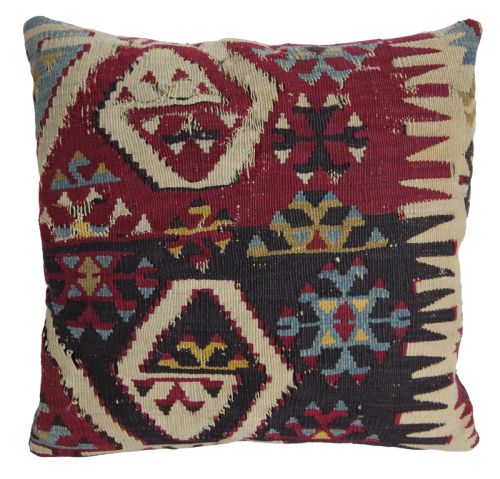
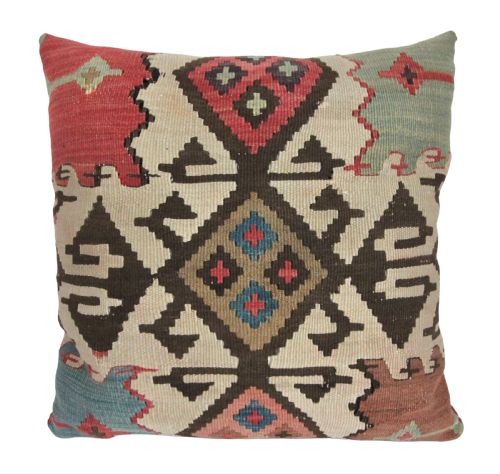
A patterned wool cushion cover is a textile piece fashioned from antique kilim fragments and tribal weaving. When you search for a patterned wool cushion cover, you encounter nineteenth-century nomadic examples created by Anatolian and Qashqai weavers.
The objects listed here take the form of cushions, throw cushions, and repurposed bag faces. These items originate from the nineteenth century, including specific dates such as 1850, 1870, and 1880, alongside broader nineteenth-century designations.
The version you are most likely to meet on this page is the antique kilim cushion. These pieces transform traditional tribal weaving into functional home furnishings whilst retaining their original character.
Materials and construction
These textiles are constructed primarily from wool combined with cotton foundations or backing materials. The weavers utilised natural dyes to achieve the distinct coloration found across traditional Anatolian and nomadic tribal pieces.
The manufacturing process relies on hand-woven techniques, visible in traditional Anatolian and Qashqai storage-bag faces and flat-woven kilim surfaces. Artisans created durable utility items through dense interlacing of wool yarns.
Nomadic weavers packed their lives into wool storage bags that now rest quietly on modern sofas as cushions.
Assessing quality and character
Quality in these textiles rests upon the fineness of the hand-weaving and the integrity of the wool. Tighter, more precise flat-weaving distinguishes superior pieces from simpler utilitarian examples.
The depth and persistence of natural dyes separate the better examples from standard items. Rich, harmonious colour variation indicates careful dye preparation and superior raw materials.
The Patterned Wool Cushion Cover Glossary
- Kilim
- A flat-woven textile produced without a pile, forming the face of many traditional cushions. These versatile weaves display geometric motifs.
- Anatolian
- Pertaining to the historic region of Anatolia, associated with traditional tribal weaving traditions. Pieces from this area often feature distinctive regional patterns.
- Nomadic Tribal
- Describing textiles created by moving pastoral groups rather than settled town workshops. This heritage influences the spontaneous geometric designs.
- Qashqai
- Referring to the confederacy of nomadic pastoralists in south-west Persia known for fine weaving. Their bag faces and textiles demonstrate exceptional wool work.
Patterned Wool Cushion Cover: Frequently Asked Questions
How do I clean an antique wool cushion cover?
Gentle surface brushing or professional textile cleaning preserves the integrity of antique wool and natural dyes. Avoid harsh soaking or vigorous scrubbing to protect the historic fibres.
Allow adequate ventilation and keep the piece away from direct sunlight to prevent fading of the natural colours.
Where did nineteenth-century nomadic cushions originate?
The pieces originate primarily from Anatolian tribal workshops and Qashqai nomadic groups in south-west Persia. These makers produced utilitarian storage bags and kilims for daily pastoral life.
Survival of these textiles demonstrates the robust nature of traditional hand-weaving and natural dyeing techniques from the 1850 to 1880 period.
How do I style a tribal wool cushion?
Pair the geometric patterns and rich wool textures with neutral modern seating to create a balanced focal point. The subtle variations in natural dyes complement leather, linen, and wood.
Layering different sizes of throw cushions adds depth and comfort to living spaces without overwhelming the room.