

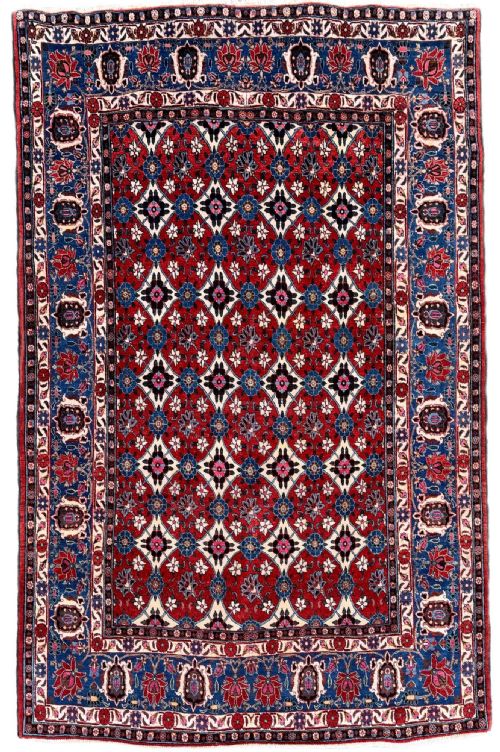
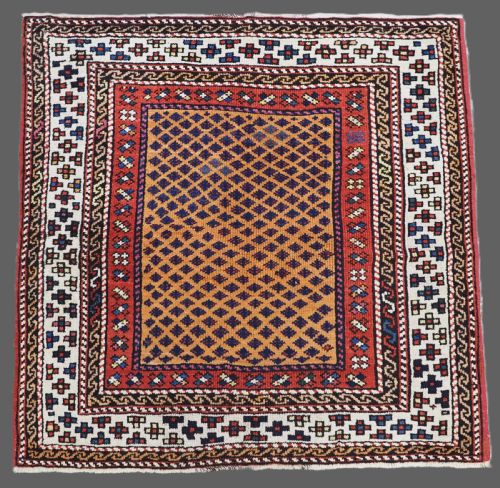
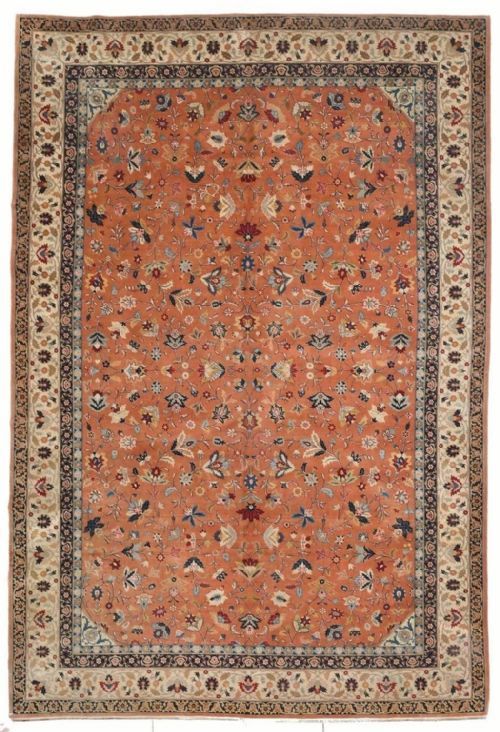
Patterned Area Rug
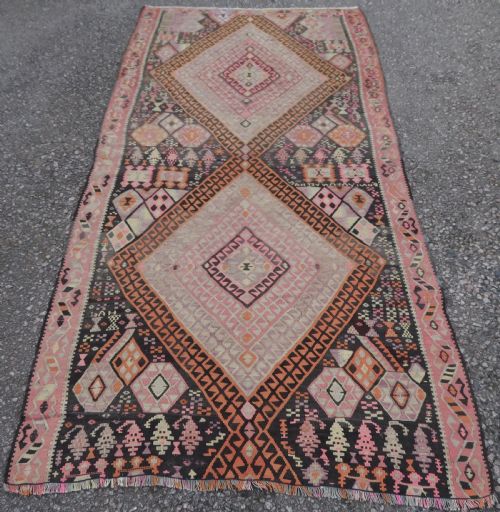
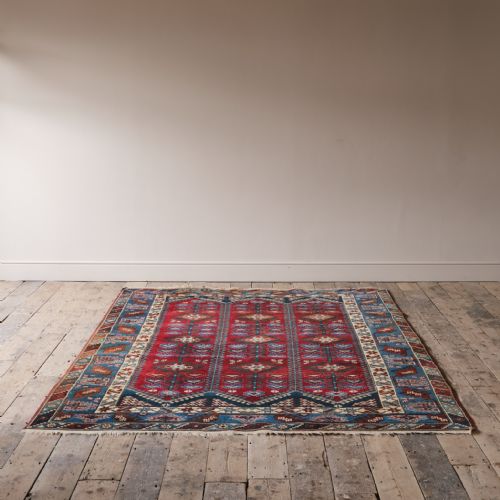
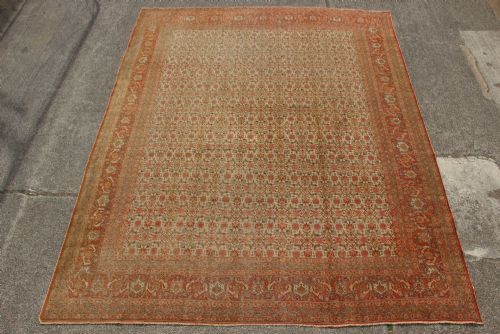
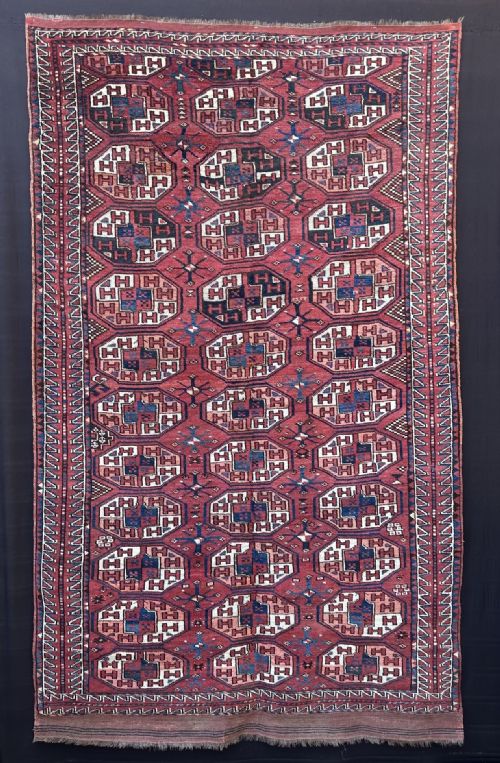
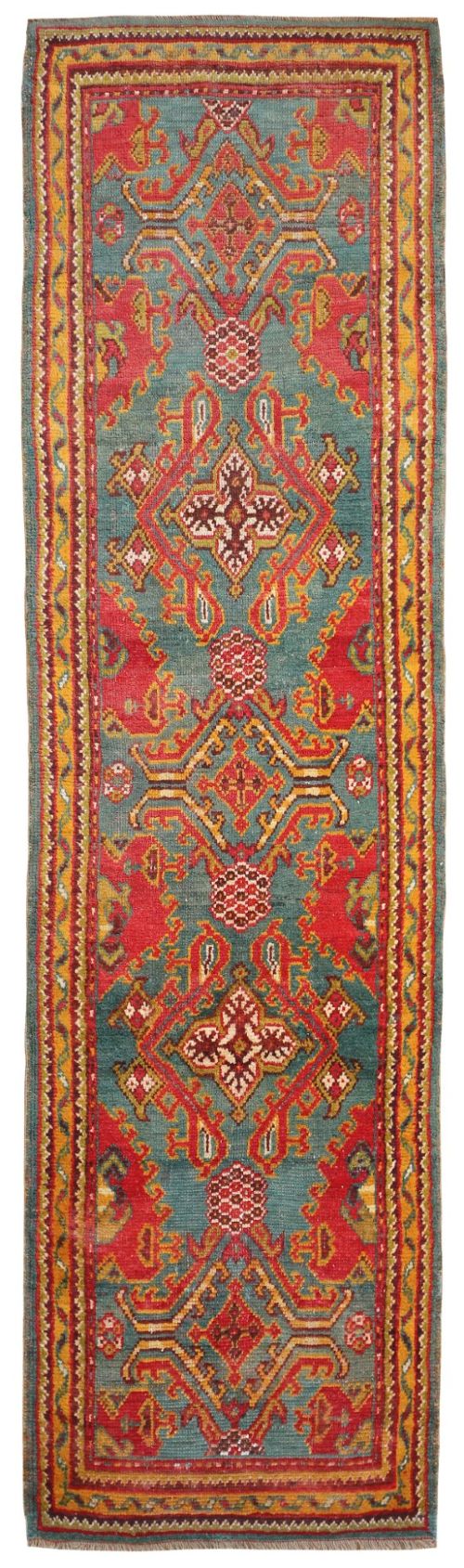
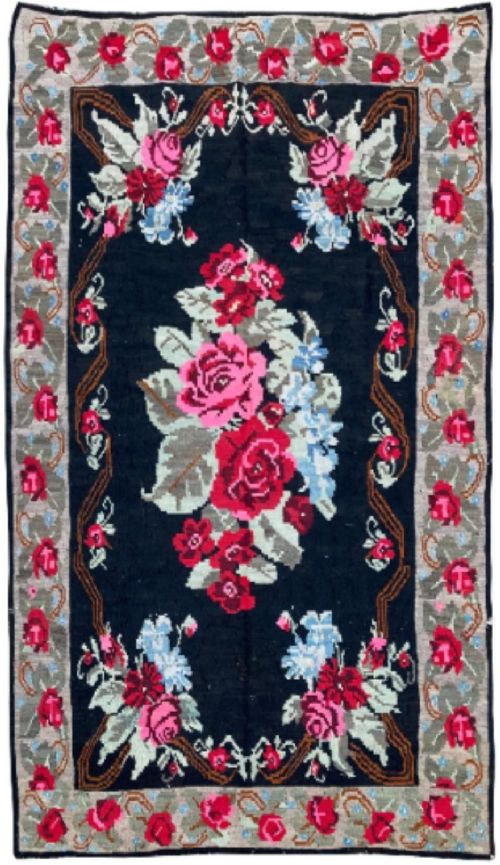
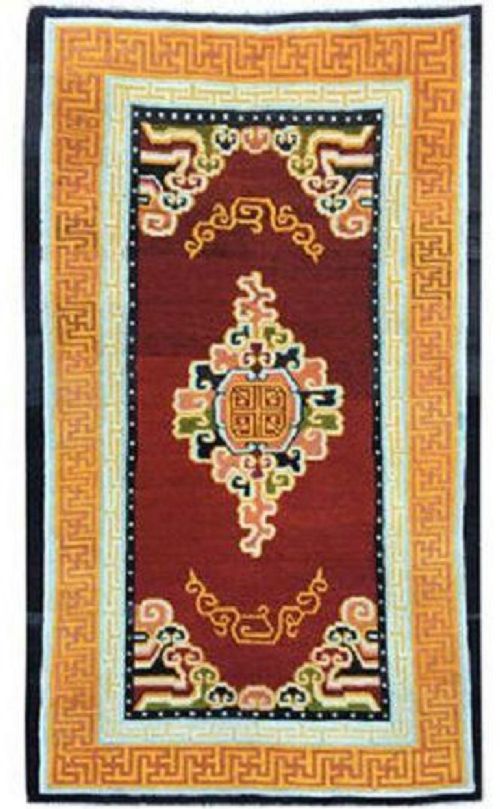
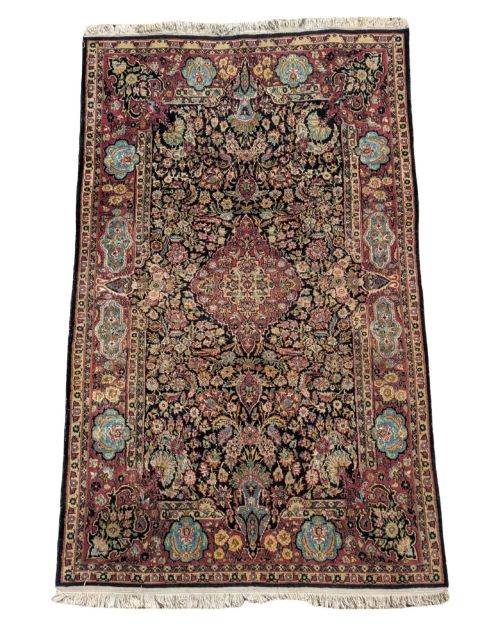
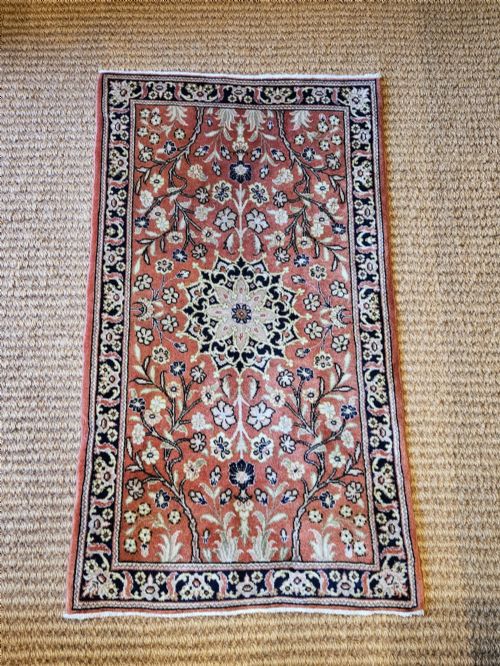
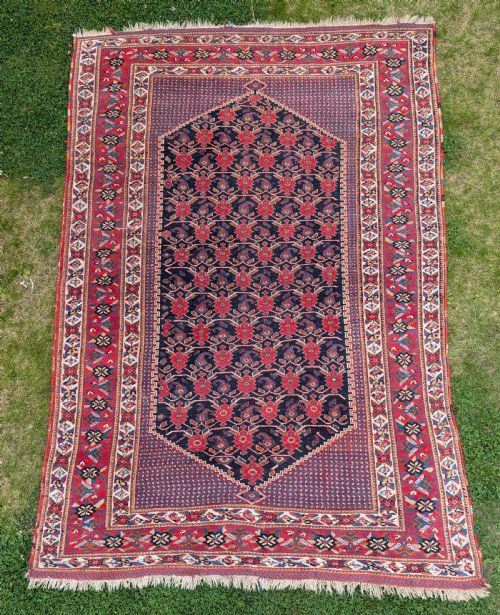
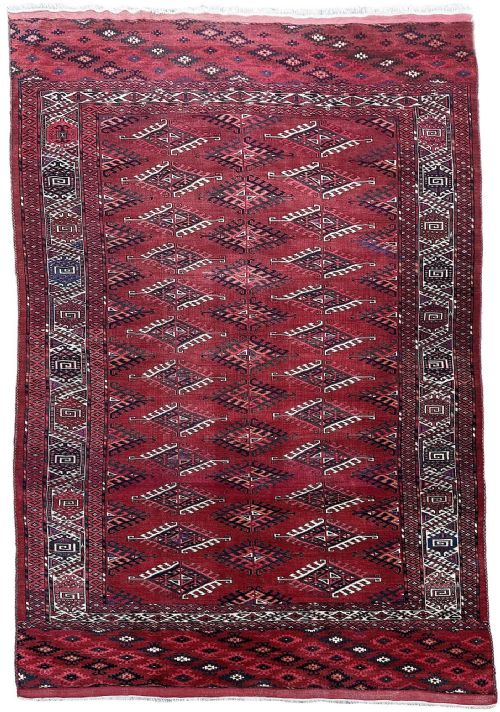
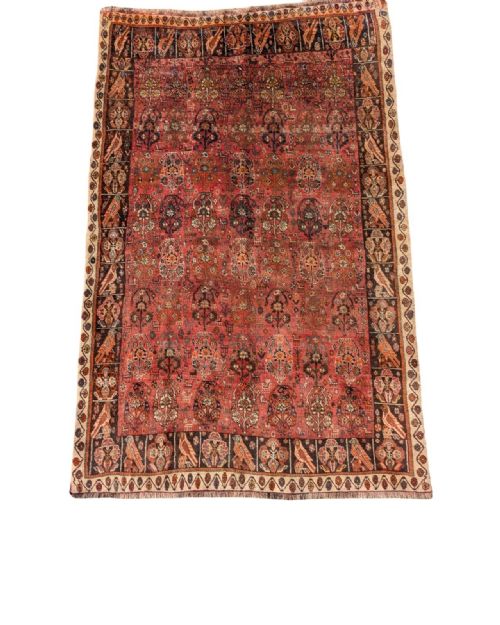
These patterned area rug examples bring together Persian, Caucasian and Turkmen work from the nineteenth and early twentieth centuries.
Patterned Area Rug
A patterned area rug covers a range of woven floor coverings originating from Central Asia, Persia, Turkey and the Caucasus during the periods spanning the mid-nineteenth century to the 1930s. Buyers searching for a patterned area rug encounter various forms, from small hearth rugs and runner rugs to large carpets and tent door rugs.
The selections on this page lean heavily towards traditional Persian and tribal village pieces, including specific types such as Afshar, Kashan, Tabriz, Heriz and Turkmen carpets. These items reflect the distinctive design traditions and regional weaving practises of their respective origins.
Village and tribal rugs dominate the material, bringing geometric medallions, all-over boteh patterns and lattice designs into domestic spaces. Collectors find runners, square sizes and large formats suitable for different interior layouts.
Materials and construction
Makers utilised wool, hand-spun wool, cotton and silk as the primary fibres for pile and foundation, often combining them with natural dyes to achieve lasting colour depth. Hand-knotted and hand-woven techniques define the construction across these historical pieces.
The interaction of natural dyes with hand-spun wool creates the subtle tonal variations observed in older examples. Silk highlights appear in specific city carpets to accentuate particular design motifs against the wool background.
The listings span wool, cotton, silk, hand-spun wool and natural dyes across eight decades of production.
Evaluating the examples
Quality rests on the precision of the hand-knotting, the integrity of the foundation materials and the complexity of the regional design. Tighter knot density and finer wool preparation distinguish the top tier of weaving from simpler village work.
The choice of natural dyes and the balance of the composition govern visual success. Pieces retaining strong dye saturation and clear drawing demonstrate superior execution by the weaver.
The Patterned Area Rug Glossary
- Runner
- A long, narrow carpet format designed for hallways or corridors. These pieces measure significantly longer than they are wide.
- Kilim
- A flat-woven carpet lacking a pile, produced using a slit-weave technique. This construction results in a lightweight, reversible textile.
- Boteh
- A traditional teardrop or almond-shaped motif with a curved upper end. It appears frequently in all-over patterns across Persian rugs.
- Lattice
- A decorative framework of crisscrossing lines forming a repeating grid pattern across the field. This geometric arrangement structures the interior field of the rug.
Patterned Area Rug: Frequently Asked Questions
How do I clean an antique rug?
Surface dirt responds to gentle, regular vacuuming without the use of a rotating brush. Professional textile cleaning is necessary for deep washing to protect the natural dyes and fibres.
Harsh chemical detergents and excessive water damage historic wool and silk. Specialists familiar with antique textiles should handle any significant restoration or washing.
Can these rugs go in high traffic areas?
Durable wool construction allows many traditional village carpets to withstand everyday walking. Placing a suitable underlay beneath the textile prevents slipping and reduces fibre wear.
Finer silk pieces and older, delicate tribal items suit low-traffic rooms or wall display rather than busy hallways. Assessing the pile density and foundation strength helps determine suitable placement.
What is the difference between village and city rugs?
Village and tribal rugs usually feature geometric motifs, asymmetrical designs and spontaneous use of colour created by independent weavers. City rugs typically display symmetrical floral patterns, curved lines and precise medallions produced in structured workshops.
Workshop pieces often utilise cotton foundations for stability, whereas many tribal rugs incorporate all-wool structures. Both traditions offer distinct aesthetic qualities rooted in their geographic origins.
How are different regional styles told apart?
Design vocabulary, colour palettes and border arrangements point directly to specific weaving regions. For instance, Heriz carpets display bold geometric medallions, while Kashan and Tabriz pieces showcase refined floral curves.
Examining the weave structure, knot type and edge finishing provides further clues about provenance. Comparing the specific motif style against known regional examples clarifies the origin.