

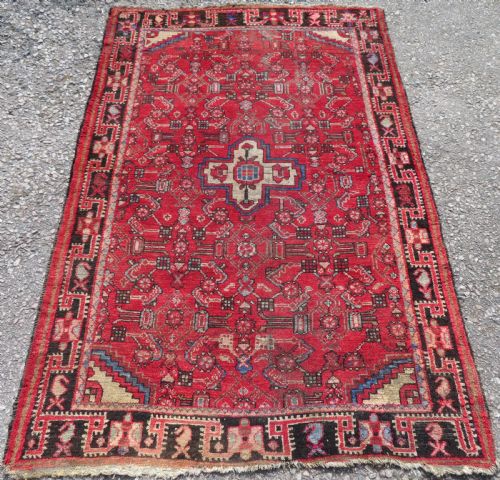
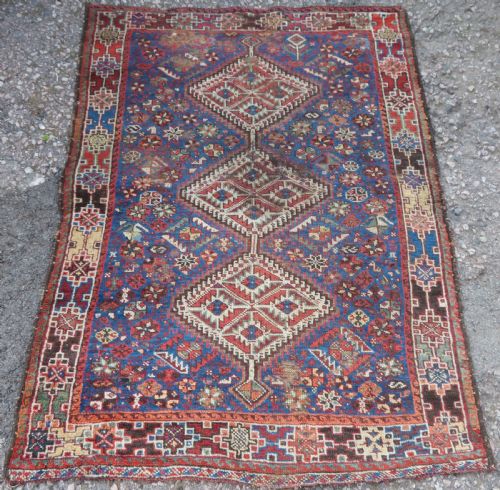
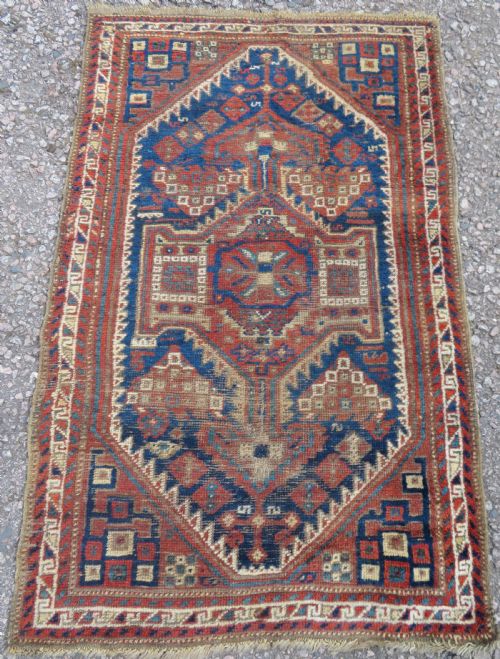
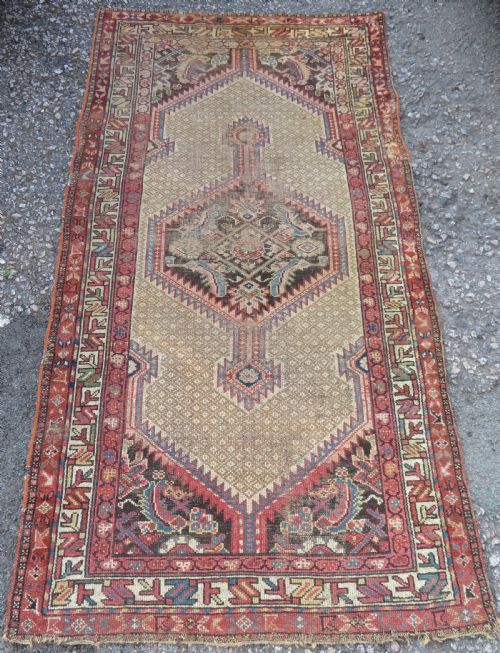
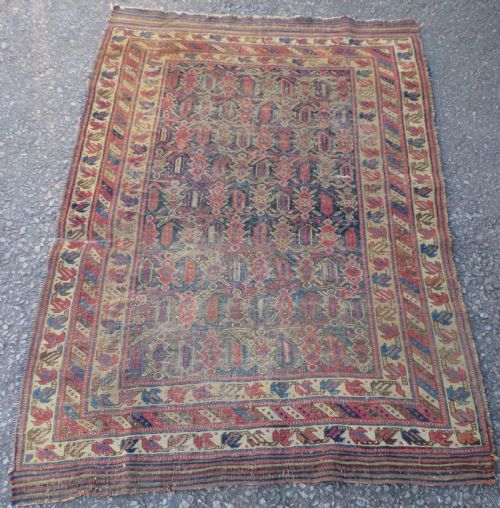
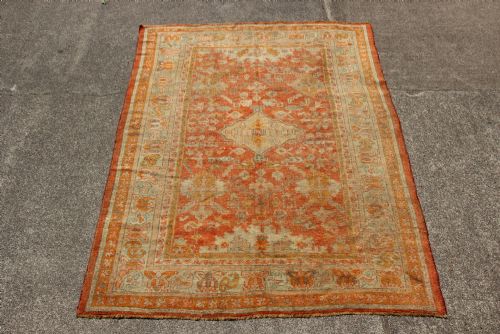
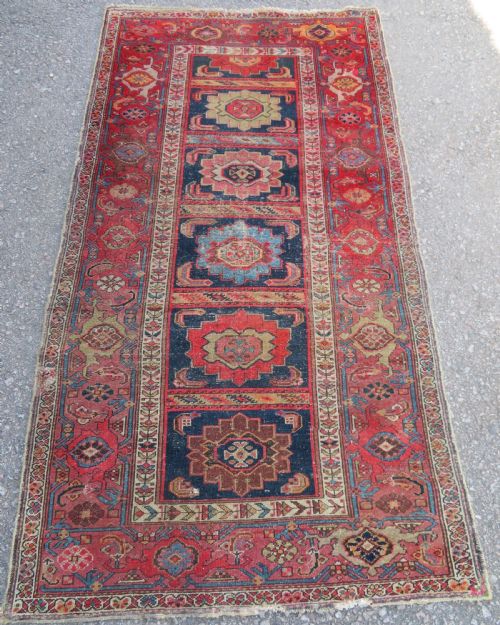
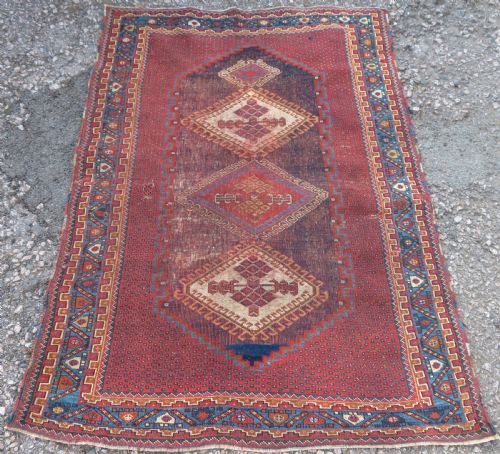
Distressed Area Carpet
A distressed area carpet brings faded grandeur and worn wool to a room through centuries of footfall and age.
Distressed Area Carpet
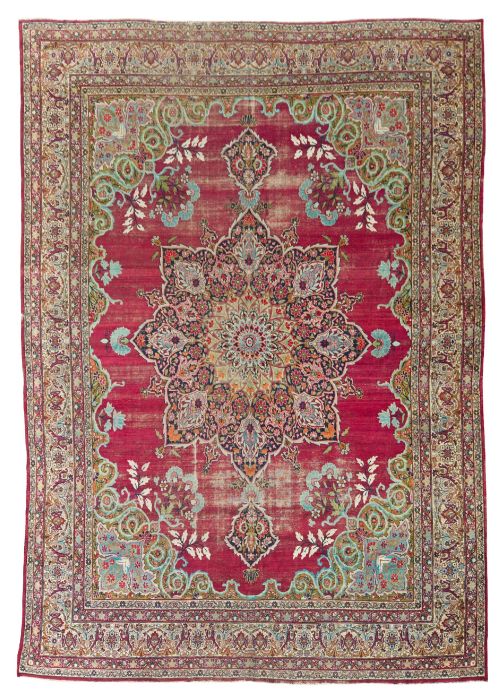
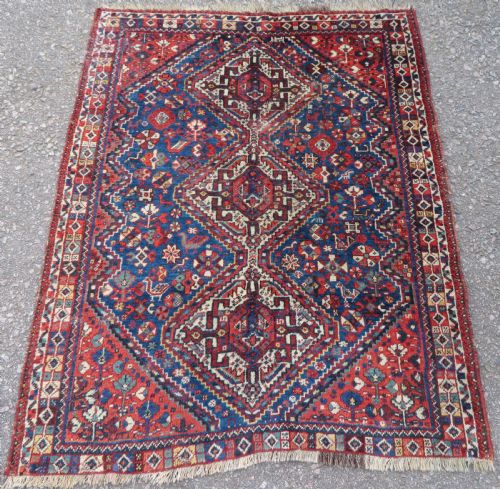
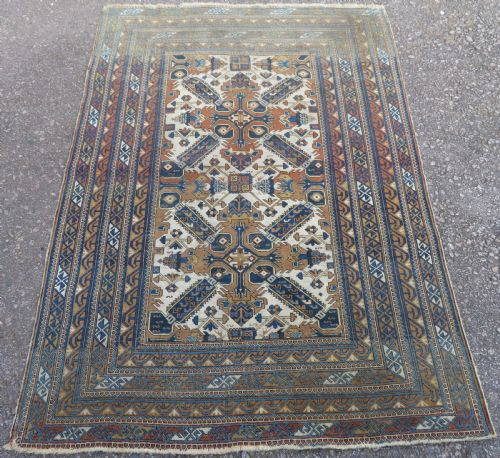
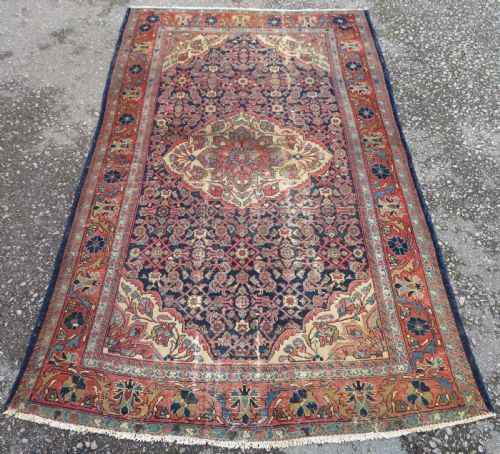
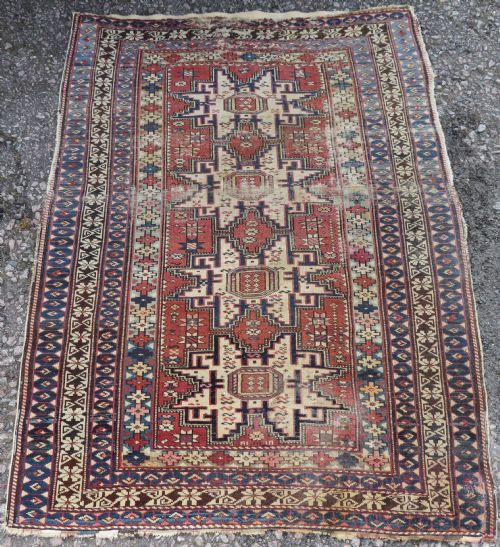
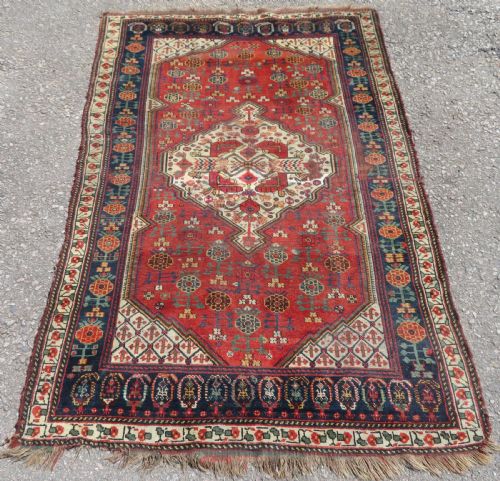
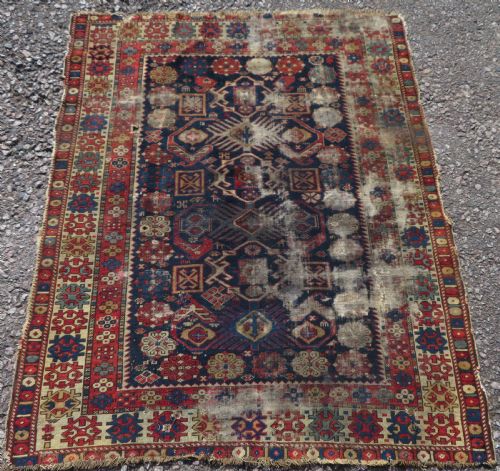
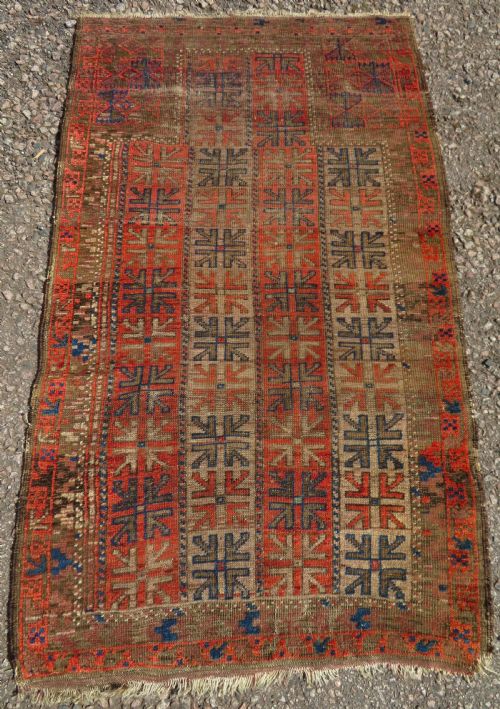
A distressed area carpet is a floor covering defined by weathered pile, softened hues, and visible signs of age rather than pristine factory condition. When searching for a distressed area carpet, buyers encounter antique Persian, Caucasian, and Anatolian weaves dating from the nineteenth and early twentieth centuries. These pieces span small tribal formats and large room-sized carpets, each shaped by decades or centuries of domestic use.
The most common examples on this page are Persian and Caucasian tribal rugs, alongside larger Oushak, Heriz, and Kirman carpets. Their designs incorporate geometric medallions, nomadic symbols, and flowing floral motifs that have mellowed through time. The appeal lies in the patinated texture and the way subdued wool absorbs light differently than a newly woven floor covering.
How they were made
Makers constructed these carpets using hand-spun wool, cotton foundations, and occasionally camel hair, knotted by hand over foundational warps and wefts. Artisans relied on natural dyes extracted from plants and minerals, which explains why the colours fade gracefully rather than turning harsh with age. The combination of resilient wool pile and organic dye compounds allows the textiles to wear down evenly across heavy traffic paths.
Weavers in different regions employed distinct knotting densities and structural techniques, from the coarse, sturdy weaves of nomadic tribes to the finer knotting found in city workshops. As the pile thinned from generations of walking, the underlying foundation threads emerged, creating the characteristic worn aesthetic that defines these older floor coverings.
Distressed Area Carpet Retail Price Guide 2026
Typical asking prices for distressed area carpet among the pieces listed under this phrase on Sellingantiques today, from the lower quarter to the upper quarter. They describe what is for sale here now, not the wider market.
What varies in quality
Quality in a distressed area carpet depends on the integrity of the remaining foundation and the balance of the fading rather than mere thinness of pile. A superior piece retains structural soundness in its cotton or wool foundation despite a low surface pile, ensuring the rug lies flat and stable without immediate need for intervention. The subtlety of the colour transition also matters, distinguishing an organically mellowed surface from uneven or accidental chemical fading.
The precision of the original tribal or workshop design, even when obscured by wear, separates finer weaves from more utilitarian output. Proportions, border balance, and the quality of the hand-spun wool contribute to a harmonious aged appearance that holds visual weight in an interior.
The Distressed Area Carpet Glossary
- Pile
- The vertical tufts of wool or hair that form the soft surface of the carpet. In these pieces, the pile is often low or worn down to the foundation.
- Foundation
- The underlying structure of warps and wefts that holds the knots together. When the pile wears away, this grid becomes visible.
- Natural Dyes
- Colourants derived from organic sources such as plants and insects. They age by softening into muted, harmonious tones.
- Warp
- The vertical foundation threads stretched tightly on the loom before knotting begins. Fringe ends typically emerge from these parallel strands.
- Weft
- The horizontal threads passed across the warps between rows of knots to secure the structure. They help determine the stiffness and drape of the textile.
Distressed Area Carpet: Frequently Asked Questions
How do I clean a worn carpet?
Vacuum gently using suction alone without a rotating beater brush that can catch on loose wool or worn foundation threads. Professional washing by a specialist familiar with antique textiles is necessary for deeper cleaning.
Avoid immersion washing or harsh chemical spot treatments, as delicate natural dyes and aged wool require careful handling to prevent further deterioration.
Will a thin carpet slide on floors?
Yes, because older woven rugs lack modern backing materials and have reduced weight from low pile. Placing a quality rug underlay beneath the piece prevents shifting and adds a layer of cushioning against hard flooring.
An appropriate underlay also protects the fragile foundation threads from friction against wood or stone surfaces.
How do I identify a tribal rug?
Tribal rugs typically feature geometric motifs, asymmetrical layouts, and earthy palettes derived from nomadic or village traditions rather than urban workshops. The wool often feels denser and less uniform due to hand-spinning methods used outside city centres.
Formats tend to be smaller and narrower, reflecting the portable nature of looms used by weaving communities.
What causes the distressed look?
Generations of foot traffic, natural fibre attrition, and decades of sunlight exposure gradually wear down the wool pile and soften the colours. This process transforms vibrant nineteenth-century dyes into the muted patinas prized by collectors today.
Intentional washing techniques historically used to tone down bright imported colours also contributed to the weathered surface appearance.