


Patinated Bronze Figural Sculpture
Patinated bronze figural sculpture captures human and animal forms through cast metalwork, offering expressive detail and lasting presence for collectors.
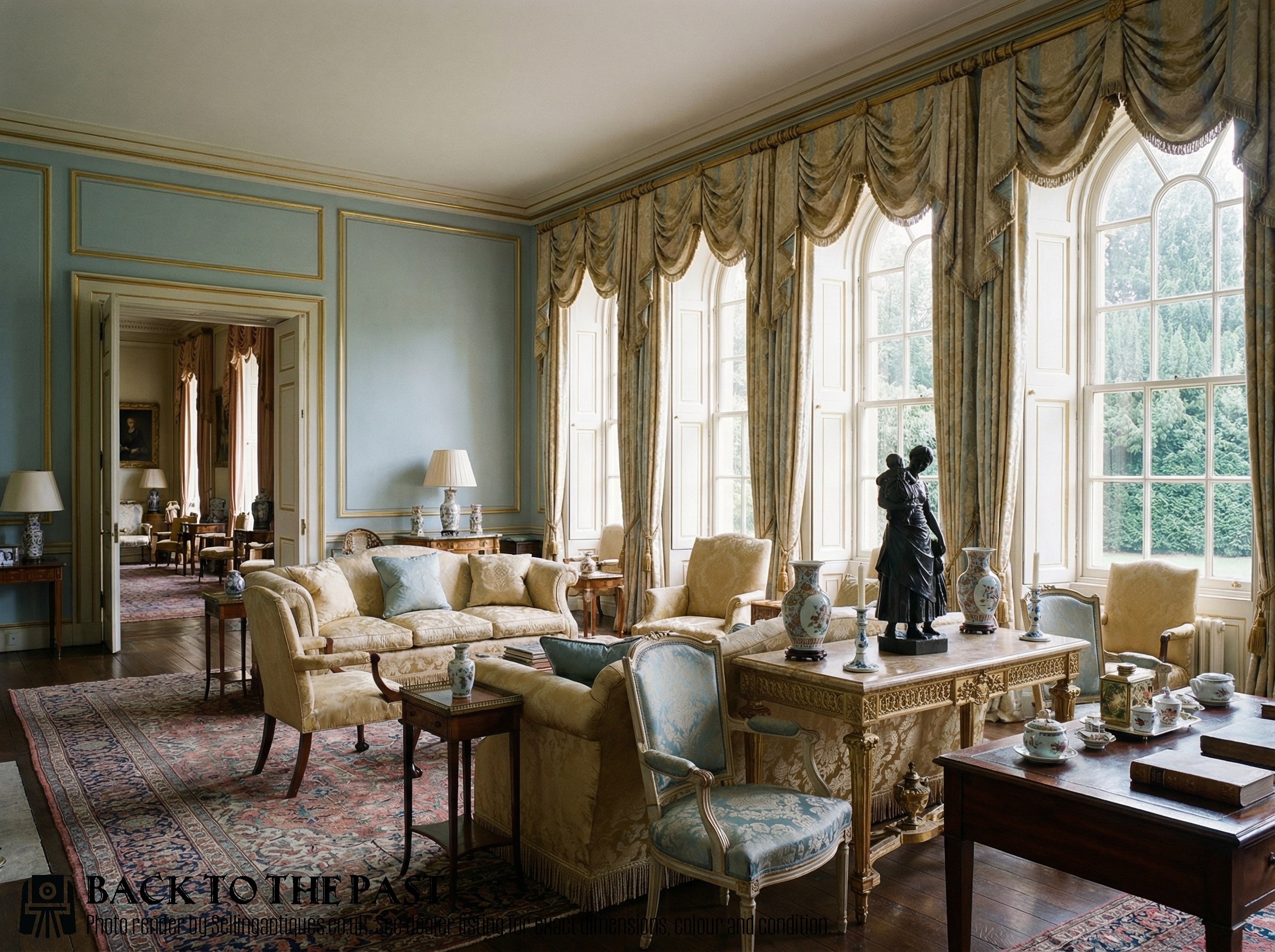
Patinated Bronze Figural Sculpture
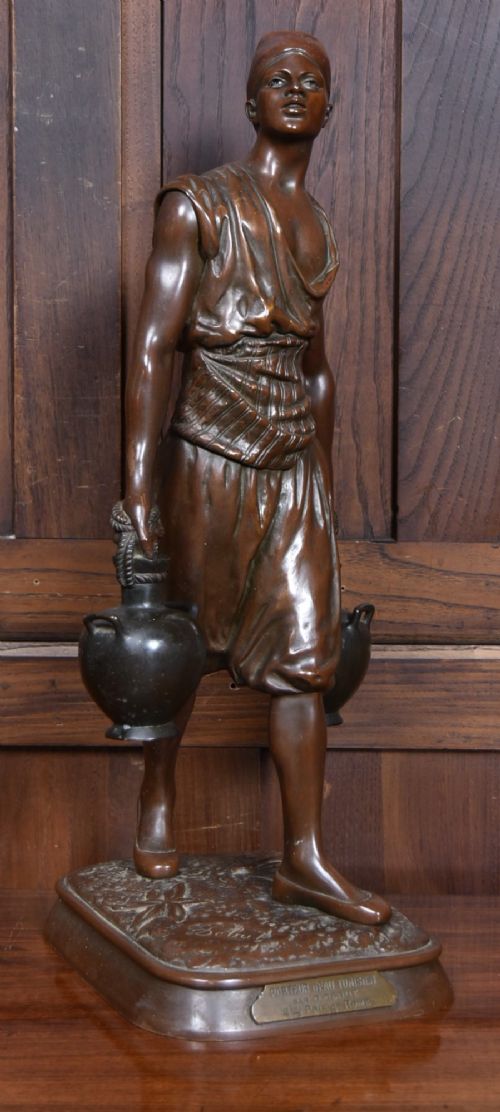
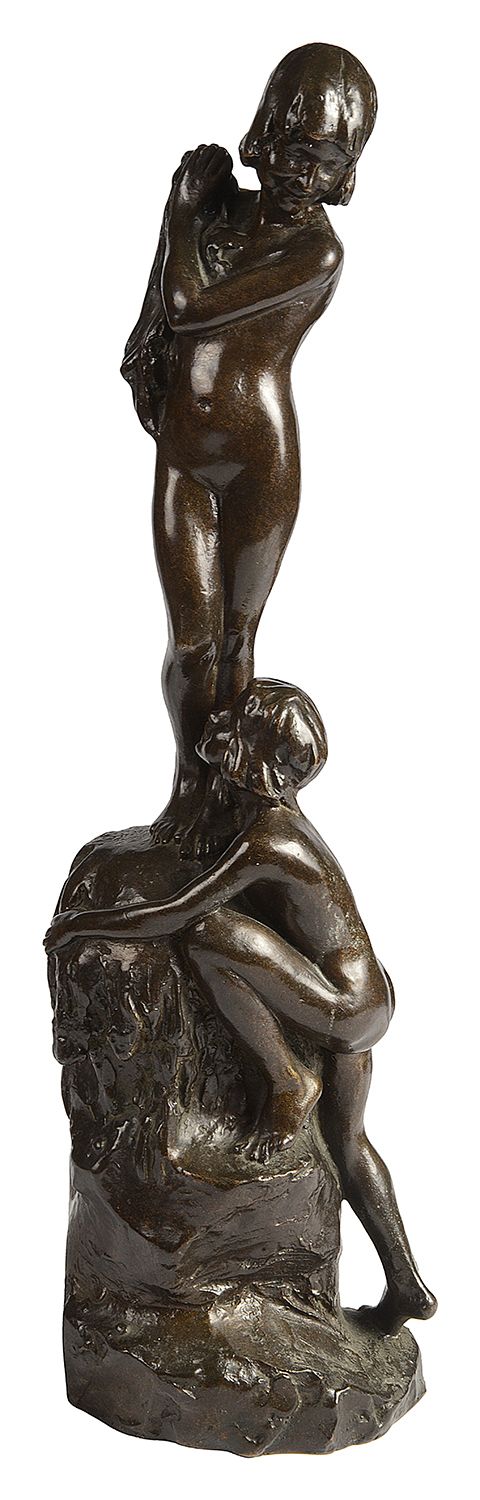
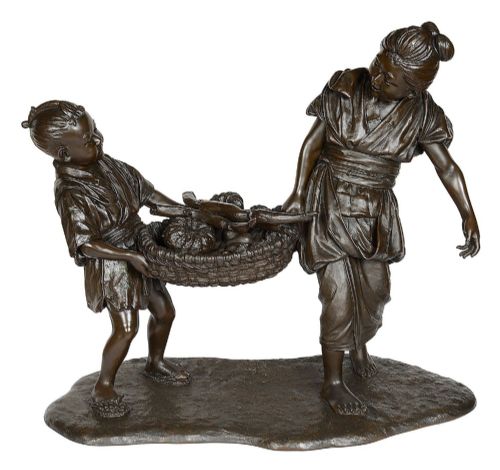
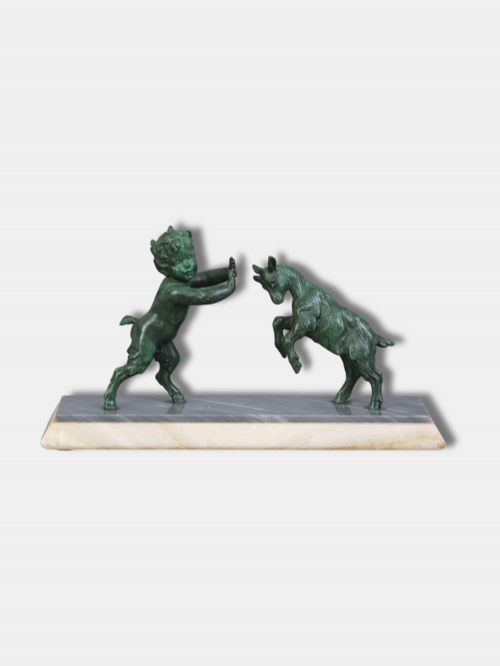
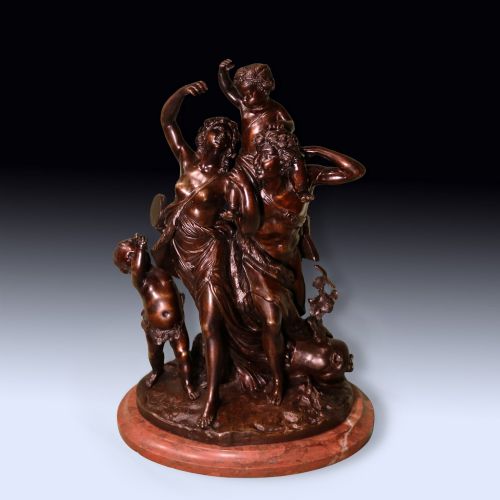
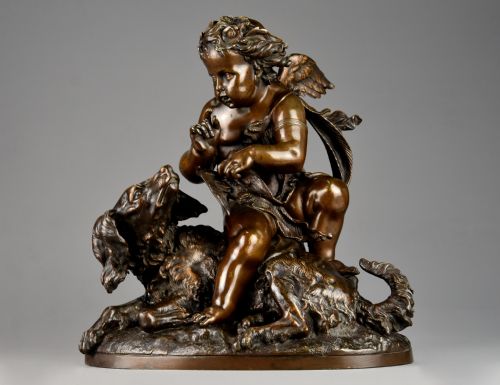
Patinated bronze figural sculpture encompasses cast metal depictions of human figures, animals and mythological subjects produced across the nineteenth and early twentieth centuries. These works range from small tabletop studies and decorative mantle clocks to large sculptural groups cast in European workshops.
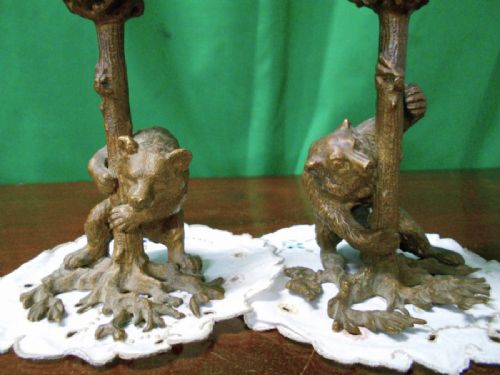
French makers dominate the selection, working in styles that span from French Rococo Revival and Neoclassical traditions to sweeping Art Nouveau curves and geometric Art Deco lines. Collectors frequently encounter figures mounted on marble or onyx bases, alongside functional objects incorporating figural casts such as lamps, vases and candlesticks.
How they were made
Foundries utilised the lost-wax casting method or sand casting to reproduce intricate models in bronze, applying chemical treatments to the metal surface to create deliberate patination in tones ranging from warm brown to deep black. Many sculptural groups combine patinated bronze with contrasting materials such as gilded bronze, carved marble, onyx, enamel and wood.
Makers often signed or inscribed their casts before mounting them onto stone plinths or integrating them into functional items like candelabras and mantel clocks.
Nineteenth-century founders occasionally cast domestic pets and farm animals with expressions so human they practically demand a seat at the dinner table.
What varies in quality
The refinement of the casting process dictates the crispness of fine details such as facial expressions, drapery folds and hair texture. Superior pieces retain sharp definition without excessive smoothing or heavy chasing applied after the metal leaves the mould.
The depth and consistency of the patination, alongside the integration of quality subsidiary materials like veined marble bases, separate standard commercial editions from masterworks produced by renowned foundries and named sculptors.
Emile Carlier·Jules Dalou·E. Drouot·Auguste Moreau·Charles Korschann·Ernst Barrias·Alexandre Kelety·Emmanuel Villanis
The Patinated Bronze Figural Sculpture Glossary
- Patination
- The chemical treatment applied to the surface of bronze to alter its colour and protect the metal underneath. This layer develops subtle variations in tone over decades of handling.
- Lost-wax casting
- A traditional technique where a model is coated in wax, encased in mould material, and melted out to create a cavity for molten bronze. This method allows for exceptional detail in complex figural work.
- Chasing
- The process of hand-finishing a raw metal casting using small punches and chisels to refine surface textures and remove casting flaws. Skilled chasing elevates the sculptural definition.
- Spelter
- A zinc alloy frequently utilised as a less expensive alternative to bronze for decorative figures and clock mounts. It feels lighter and accepts patination differently than true bronze.
- Ormolu
- Gilded bronze produced by applying a mercury-gold amalgam to the metal surface and heating it to bond the finish. The resulting golden lustre appears frequently on nineteenth-century French decorative objects.
Patinated Bronze Figural Sculpture: Frequently Asked Questions
What is patinated bronze?
Patinated bronze is copper alloy cast into a form and treated with chemicals to produce an intentional surface colour, protecting the metal while enhancing visual depth.
This finish develops a subtle sheen over time, reflecting the atmospheric conditions and handling the piece has experienced across generations.
How do I clean my sculpture?
Dust the surface gently with a soft, dry brush or microfiber cloth to prevent particle buildup without disturbing the underlying patina. Avoid using water, detergents, or commercial metal polishes, as these abrasive agents strip the original chemical finish.
Applying a very light coat of microcrystalline wax by hand can protect the bronze if it is displayed in a dry environment.
Are these pieces signed?
Many nineteenth and early twentieth-century casts bear the signature or monogram of the sculptor, often stamped directly into the bronze base during the casting process. Foundry marks may also appear alongside the artist's name to indicate where the work was produced.
Unsigned pieces remain common, reflecting commercial foundry production rather than works by named master sculptors.
How do I date a bronze figure?
Dating relies on stylistic indicators such as the flowing organic lines of Art Nouveau or the rigid geometry of Art Deco, alongside the costume and subject matter depicted. Foundry marks, inscriptions, and the type of base material also provide reliable clues to the period of production.
Examining the underside of the casting often reveals construction methods characteristic of specific decades.