
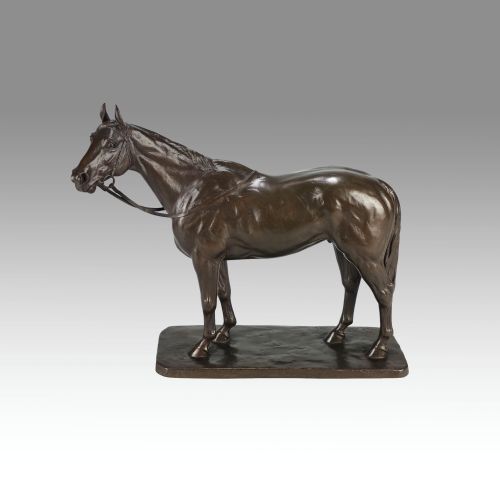
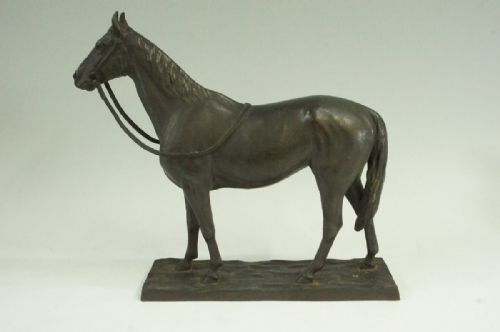


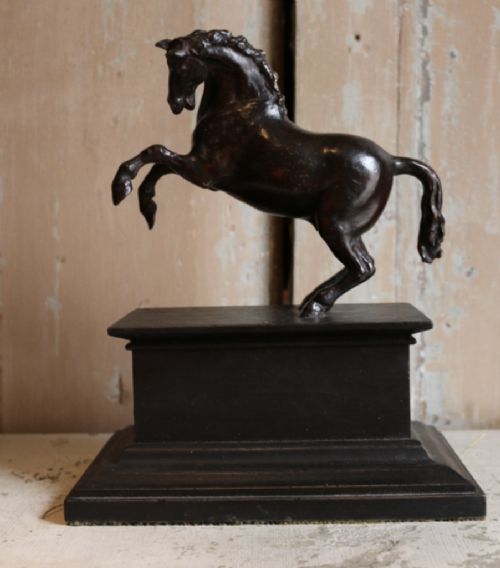


Patinated Bronze Equestrian Figure
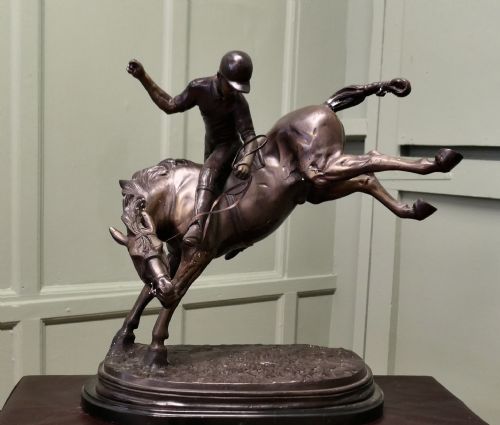
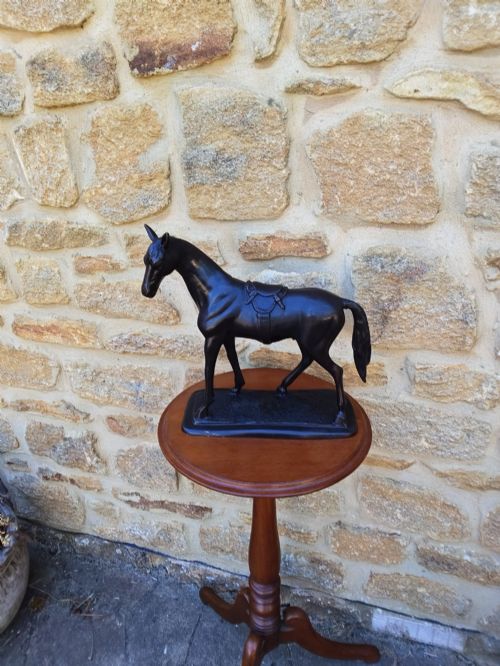
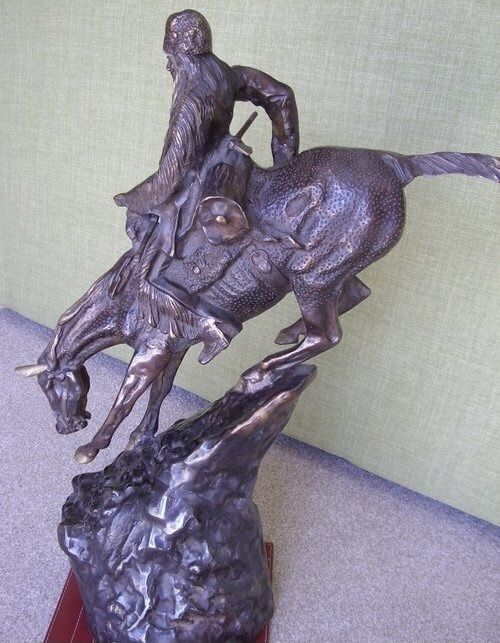
A patinated bronze equestrian figure captures horse and rider in enduring metal, bringing classical motion and historic foundry work straight into your study.
Patinated Bronze Equestrian Figure
When you search for a patinated bronze equestrian figure, you are looking at solid metal sculptures depicting mounted riders and horses from various historical periods. The examples on this page span the nineteenth century through the Art Deco era, encompassing animalier studies and neoclassical subjects.
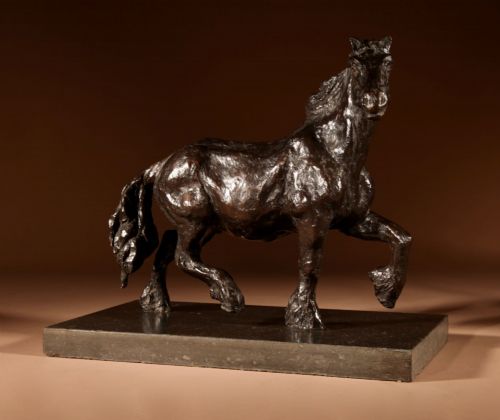
You are most likely to meet French and Japanese animalier bronzes here, alongside Western Americana pieces and Grand Tour casts. These works range from powerful draft horses to polo players and jockeys, often mounted on marble or stone bases.
Makers working within the French School and Japanese foundries produced many of these figures, frequently referencing earlier models by classical sculptors. Each piece reflects the specific aesthetic concerns of its decade, from Victorian grandiosity to modernist restraint.
Materials and casting methods
These figures utilise cast bronze as the primary medium, often finished with a chemical patination to create deep brown, black, or greenish tones. Many pieces incorporate secondary materials such as marble or stone for structural bases, while a select few feature brass accents or partial gilding.
Foundries employed traditional lost-wax casting or sand casting techniques to capture intricate details in the horse's musculature and the rider's attire. Skilled artisans then chased the metal surface by hand, refining textures and applying the surface patination before mounting the sculpture.
Styles span Animalier, French Neoclassical, Art Deco, Victorian, French School, Western Americana, and Modernist Animalier.
The markers of distinction
Quality in these sculptures rests upon the crispness of the chase work and the sensitivity with which the metal captures anatomy and movement. Finer casts retain sharp muscle definition, rein details, and facial expressions without losing the natural fluidity of horse and rider.
The sophistication of the patination and the quality of the supporting stone or marble base further distinguish superior examples. Foundries known for meticulous finishing achieved subtle colour transitions and durable surfaces that outlast cruder, late-stage commercial casts.
Kunio Itô·Alfred Dubucand·Charles Crozatier·Pierre Lenordez·Sakai Kōzan·Bruno Zach·Pierre Jules
The Patinated Bronze Equestrian Figure Glossary
- Animalier
- A nineteenth-century artistic movement dedicated to the realistic portrayal of animals. Sculptors in this style studied animal anatomy closely.
- Patination
- The chemical treatment applied to the bronze surface to alter its colour and texture. This process protects the metal and creates depth.
- Lost-wax casting
- A traditional method of metal casting where a molten alloy is poured into a mould created by a wax model. This technique allows for exceptional detail.
- Grand Tour
- A cultural journey undertaken by wealthy Europeans that often yielded small-scale bronzes of classical monuments and sculptures. These souvenir pieces became highly collectable.
- Chasing
- The hand-finishing process where artisans refine the raw metal cast using hammers and punches. This step restores lost details and removes surface flaws.
Patinated Bronze Equestrian Figure: Frequently Asked Questions
What is an animalier bronze?
An animalier bronze is a sculpture focusing primarily on the realistic depiction of animals, which gained immense popularity during the nineteenth century. These works capture creatures in motion or repose with careful anatomical precision.
Foundries across Europe produced countless studies of horses, big cats, and domestic animals, often cast in patinated bronze and mounted on stone or marble bases.
How do I display a bronze figure?
These sculptures require a stable, level surface away from direct sunlight and moisture to protect the patinated metal finish. Placing them on a sturdy desk or mantelpiece allows for proper appreciation from multiple angles.
Because many figures incorporate heavy marble bases, ensure the supporting furniture can safely bear the combined weight of the bronze and stone.
How are periods identified?
Period identification relies upon stylistic markers, casting techniques, foundry marks, and the character of the patination. Nineteenth-century pieces often display naturalistic detailing and rich, dark patinas typical of European animalier schools.
Twentieth-century works frequently shift toward Art Deco stylisation or cleaner modernist lines, reflecting the aesthetic movements active during their production.
What does patinated mean?
Patinated refers to the artificial or natural ageing process applied to the surface of the bronze. Artisans use chemical solutions and heat to achieve specific colour depths ranging from warm browns to deep blacks.
This finish not only enhances the visual texture of the horse's coat and the rider's garments but also protects the underlying metal from corrosion.