
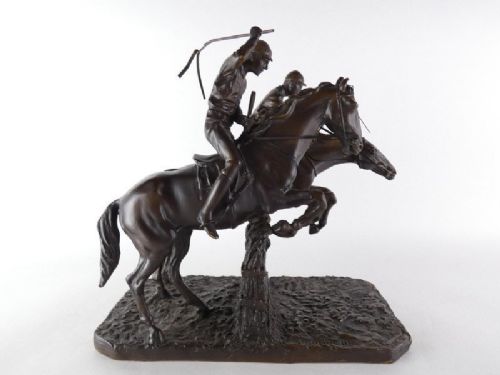


Dark Bronze Horse Sculpture
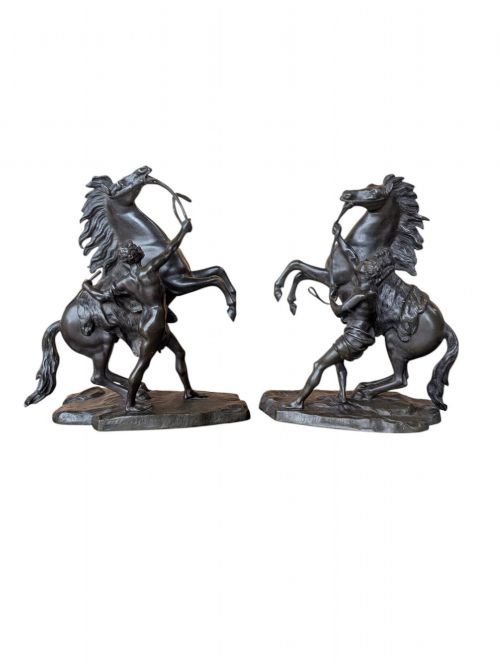
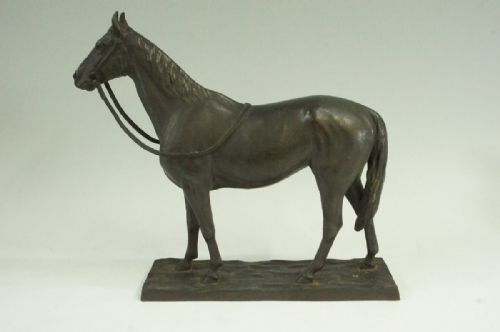
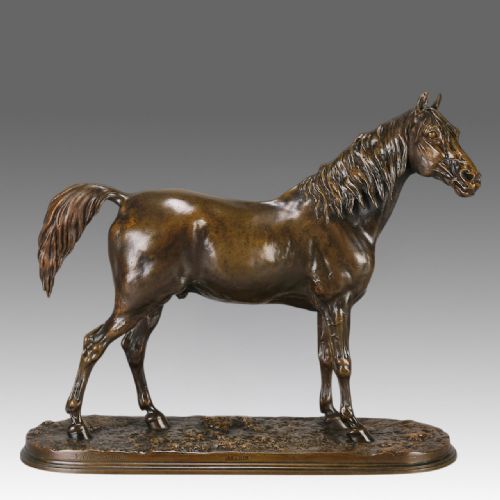
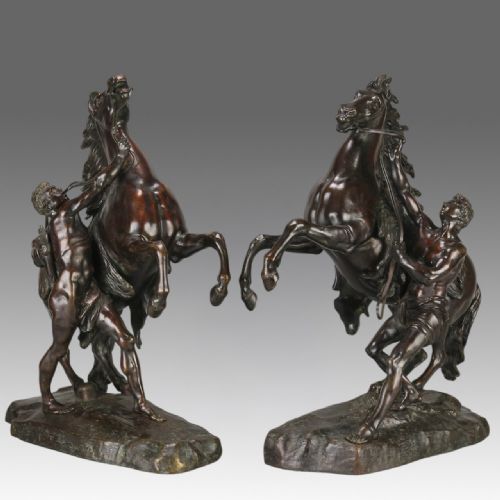
A dark bronze horse sculpture brings tangible muscular power and fluid anatomical motion into a room.
Dark Bronze Horse Sculpture
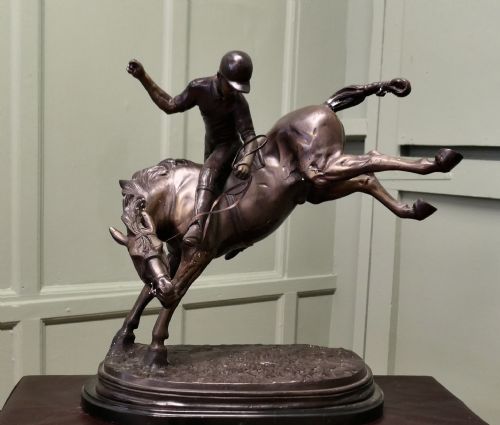
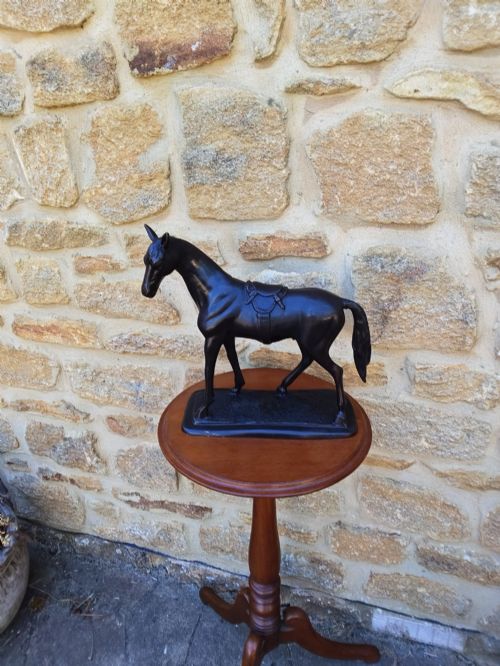
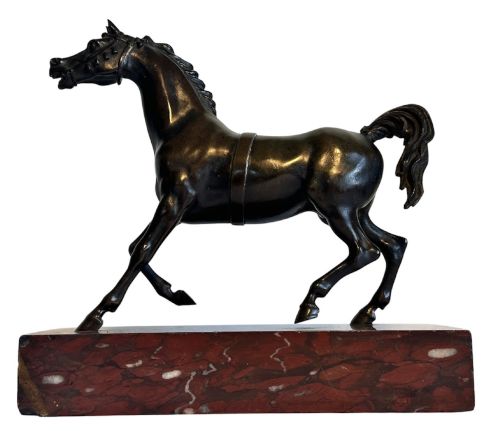
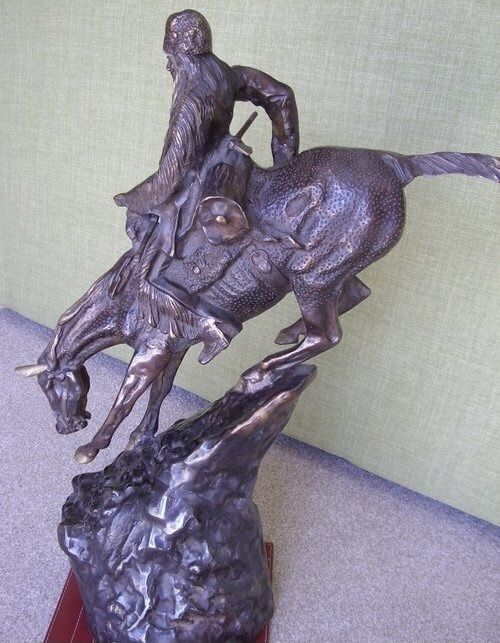
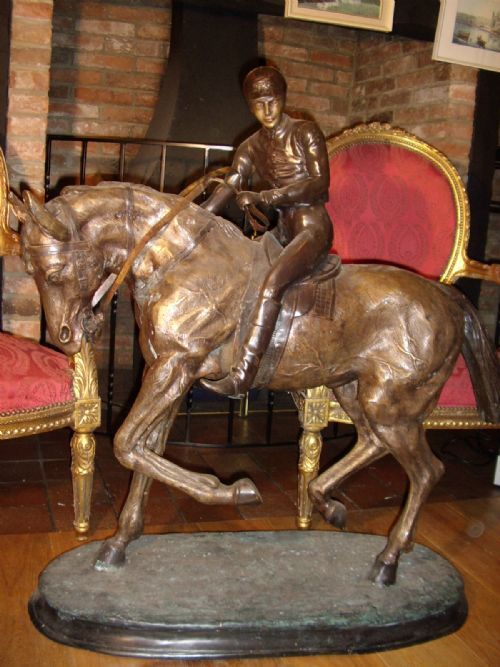
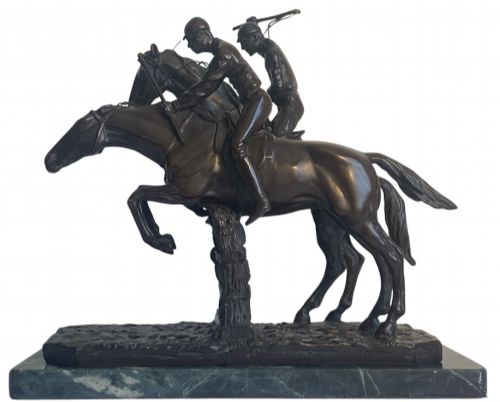
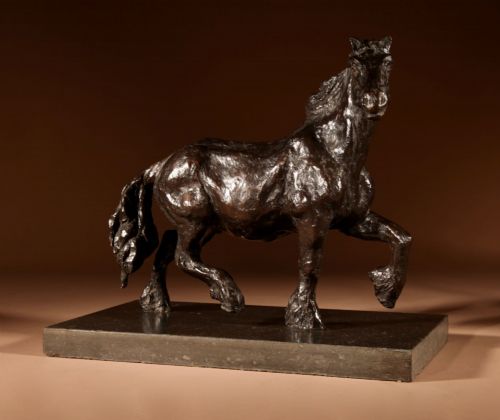
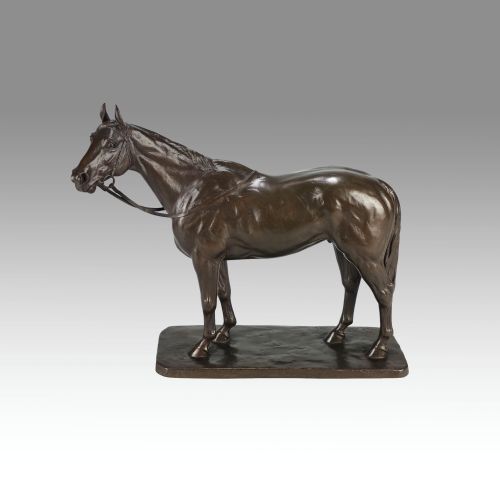
A dark bronze horse sculpture captures equine form, movement and character through cast metal shaped by European and Japanese makers. When searching for a dark bronze horse sculpture, collectors encounter depictions ranging from French Animalier racing studies and classical mythological figures to realistic draft animals and jockey groups.
The pieces on this page span from the seventeenth century through the mid twentieth century, with nineteenth century Victorian and French School examples appearing most frequently. These sculptures range from small Grand Tour souvenirs mounted on stone to monumental mantel figures and life size statues.
Makers recorded in these listings include notable nineteenth century French sculptors such as Pierre Jules Mêne and Isidore Jules Bonheur, alongside Japanese artists like Kunio Itô. Subjects encompass steeplechase racing, hunting scenes, riders such as Napoleon, and unmounted stallions.
Materials and casting methods
These sculptures utilise cast bronze, often treated with dark patination to accentuate muscular definition and anatomical detail. Many examples incorporate subsidiary materials, mounting the metal figures upon marble, green marble, wood, or stone bases.
Some pieces employ cold-painted techniques on the metal surface, while others rely entirely on the deep tones of the patinated bronze. Foundries applied chemical treatments to molten or finished metal to achieve dark, lustrous surface finishes.
Listings feature bronze sculptures, relief plaques, and statues incorporating marble, wood, and stone bases across nineteenth and twentieth century periods.
Distinctions in craftsmanship
Quality in these sculptures rests upon the precision of the casting and the fidelity of the anatomical modelling. Master founders captured tension in sinew, bone structure under skin, and the dynamic energy of a rearing or galloping animal without losing sculptural clarity.
The treatment of the dark patination and the integration of the sculpture with its marble or stone base further separate standard studio work from exceptional foundry output. Sculptures bearing signatures of recognised artists or established Tokyo and European foundries demonstrate superior handling of form and texture.
Pierre Jules Mêne·Isidore Jules Bonheur·John Willis Good·Kunio Itô·Franz Bergman
The Dark Bronze Horse Sculpture Glossary
- Animalier
- A nineteenth-century artistic movement focusing on the realistic portrayal of animals. Sculptors in this tradition studied anatomy closely in places like Paris menageries.
- Patina
- The surface coloration and sheen developed on bronze through age or chemical treatment. Dark patination highlights the contours of musculature.
- Grand Tour
- A cultural journey undertaken by European elites who collected small bronzes as souvenirs. These classical studies often featured horses and riders mounted on marble plinths.
- Cold-painted
- A decorative technique where paint is applied to cold bronze rather than fired onto the metal. This method appears frequently on early twentieth-century pieces.
- Relief
- Sculptural work where figures project from a flat background rather than existing in the round. These wall-mounted plaques depict equestrian and hunting subjects.
Dark Bronze Horse Sculpture: Frequently Asked Questions
What is an animalier bronze horse?
An animalier bronze horse is a realistic nineteenth-century sculpture focused on accurate animal anatomy and natural behaviour. These pieces depict horses in motion, resting, or participating in sports like steeplechase.
Artists observed live animals to capture tension and movement authentically in cast metal.
How do I identify a grand tour bronze?
Grand tour bronzes are typically smaller souvenir studies collected during European travels in the nineteenth century. They frequently depict classical figures, charioteers, or famous monuments mounted on stone or marble bases.
These pieces were produced to commemorate specific historical sites and classical artworks.
Why are some bronze horses mounted on marble?
Marble bases provide stability for heavy metal sculptures and frame the artwork cleanly. Green marble and white stone plinths were standard additions in nineteenth-century European foundries.
The stone base often carries signatures, titles, or foundry marks directly on its surface.
What does cold-painted bronze mean?
Cold-painted bronze refers to sculptures decorated with paint applied after the casting process without high-temperature firing. This technique allowed makers to add vibrant colour details to saddled horses and figures.
Careful handling is required to preserve the painted surface over time.