




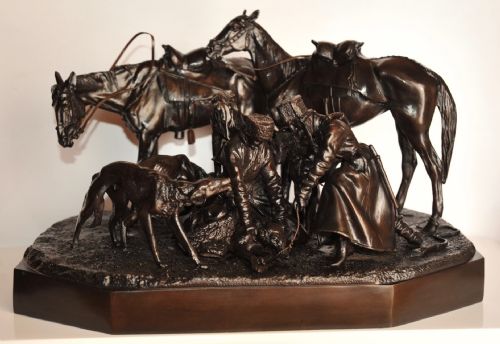


Brown Bronze Horse Figure
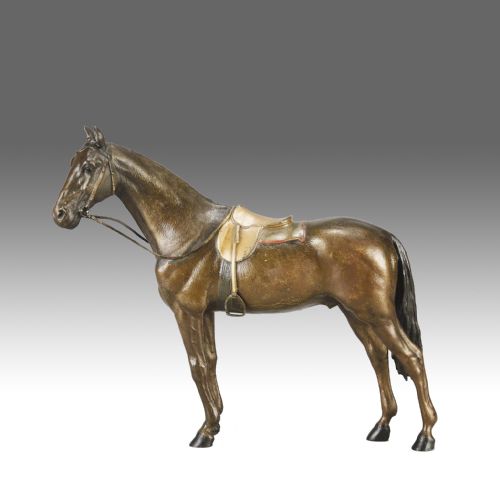
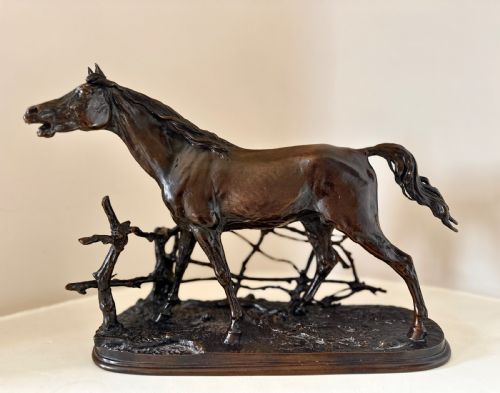
These brown bronze horse figure examples capture animal movement in metal, bringing the energy of the 19th Century Animalier school straight to the mantelpiece.
Brown Bronze Horse Figure
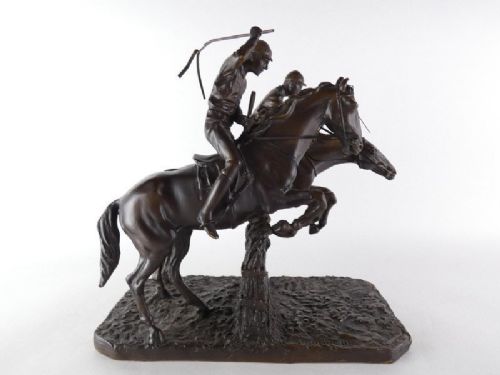
A brown bronze horse figure represents the pinnacle of 19th Century animalier sculpture, capturing horses in motion, at rest, or paired with riders. The pieces seen here span the Victorian and Edwardian eras, reaching into the early 20th Century.
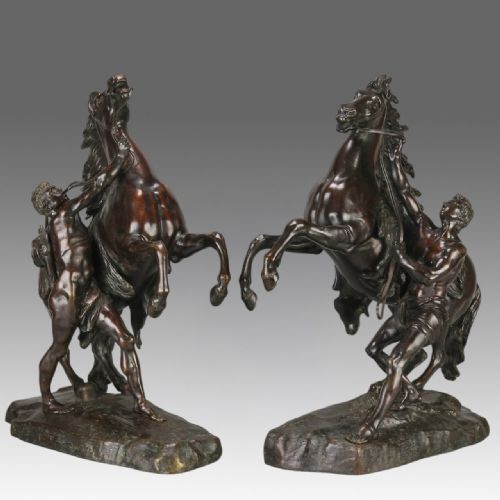
Most examples originate from French and Austrian foundries, shifting between academic realism and lively Vienna bronze work. Buyers frequently encounter sculptures depicting famous subjects such as the Marly horses or specific works by known animalier masters.
These figures range from cabinet-sized cold-painted casts to large equestrian studies mounted on marble bases. Each brown bronze horse figure reflects the intense observation of animal anatomy that defined European sculpture studios of the period.
How they were made
Foundries produced these pieces using traditional lost-wax casting in bronze, capturing precise muscle definition and surface texture. Many Austrian works received applied layers of cold paint to achieve lifelike colouration across the horse's coat and harness.
Finished bronzes were frequently mounted on shaped marble plinths, adding weight and contrast to the dark metal. Artisans chased and patinated the bronze surfaces by hand to deepen the brown tones and define every detail of mane, muscle, and tack.
Brown Bronze Horse Figure Retail Price Guide 2026
Typical asking prices for brown bronze horse figure among the pieces listed under this phrase on Sellingantiques today, from the lower quarter to the upper quarter. They describe what is for sale here now, not the wider market.
Materials across these listings span traditional bronze, carved marble, and delicate cold paint applied to metal surfaces.
What varies in quality
The survival of original cold paint or the depth and richness of the bronze patina separates ordinary casts from exceptional ones. Heavier marble bases and signed bases associated with prominent workshops further elevate the standing of a piece.
Franz Bergman·Isidore Jules Bonheur·P. J. Mene·Nikolai Lieberich·Charles Crozatier
The Brown Bronze Horse Figure Glossary
- Animalier
- A nineteenth-century artistic movement focused on the realistic depiction of animals. Sculptors in this tradition studied live subjects closely in menageries and rural settings.
- Cold-painted bronze
- A technique where bronze figures are painted with oil-based colours after casting, without subsequent kiln firing. This method allowed for vibrant, detailed finishes on small Austrian animal sculptures.
- Lost-wax casting
- A metal-casting process where a molten metal is poured into a mould that has been created by means of a wax model. Once the wax is melted away, the bronze fills the exact cavity left behind.
- Patina
- A thin layer that naturally or artificially forms on the surface of bronze through oxidation and chemical treatment. Artisans manipulate this layer to produce deep brown and dark tones on nineteenth-century sculptures.
- Equestrian
- Pertaining to horseback riding or the representation of horse riders in art. In sculpture, this term describes any figure depicting a human mounted on a horse.
Brown Bronze Horse Figure: Frequently Asked Questions
What is an animalier bronze horse?
An animalier bronze horse is a nineteenth-century sculpture focused on accurate anatomical detail and natural behaviour. These works concentrate on the raw power and motion of horses rather than idealised mythological subjects.
Created primarily by European foundries, these pieces reflect a scientific and artistic fascination with wildlife and domestic animals during the Victorian and Edwardian periods.
What are Marly horses?
Marly horses are monumental sculptural groups originally commissioned for Louis XIV, depicting spirited horses restrained by grooms. The famous marble originals by Coustou inspired numerous smaller bronze casts in the nineteenth century.
Collectors prize these derived bronze figures for their dramatic composition and theatrical representation of human and animal struggle.
Are these bronzes solid or hollow?
Most nineteenth-century bronze sculptures are hollow-cast using the lost-wax method to conserve expensive metal and reduce weight. Foundries achieved structural stability while keeping the overall mass manageable for display.
Heavier elements, such as the accompanying marble bases or specific mounts, often account for a significant portion of the total weight.