


Pastel Watercolour Painting
A pastel watercolour painting combines two distinct drawing mediums on paper to capture portraits, architecture, and pastoral landscapes.
Pastel Watercolour Painting
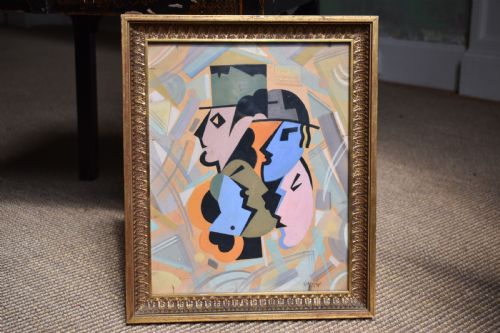
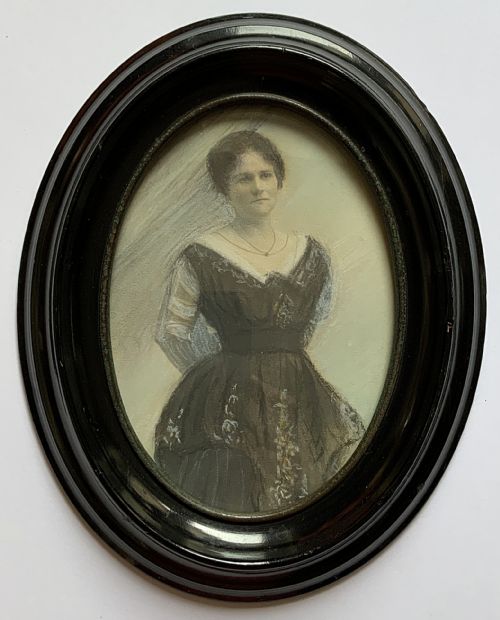
A pastel watercolour painting brings together water-based pigments and dry chalk or pastel on paper to create varied texture and tone. These works span the Victorian period through the mid twentieth century, encompassing formal portraits, theatrical scenes, and English country house views.
The selection ranges from miniature oval Victorian portraits to mid-century abstract compositions and expansive landscapes. Buyers encounter framed artwork protected under glass, preserving the delicate surface layers of chalk and pigment.
Early twentieth century works often depict coastal vistas and rural cottages, while later twentieth century pieces turn towards modern British abstraction and dynamic form. Every example presents original artwork executed on paper supports.
Materials and technique
Artists combine watercolour washes with pastel, chalk, and charcoal marks on paper to build depth and contrast. The transparent fluidity of watercolour provides a baseline wash, while dry pastel and chalk introduce opaque highlights and rich textural lines.
Most surviving examples are housed beneath glass within wooden or giltwood and gesso frames to protect the friable pastel surface from disturbance and moisture. Mixed media construction allows artists to merge the soft blending of pastels with the luminous fluidity of watercolour.
Framing materials span simple wooden surrounds to ornate giltwood and gesso frames protecting works under glass.
Assessing quality and execution
The preservation of the paper support and the vibrancy of the pigments under glass dictate the enduring appeal of the piece. Stronger works display an assured composition, whether depicting a detailed portrait or a brisk landscape.
Arthur Todd R A·Adrian Heath·Usabal y Hernandez·John Abernethy Lynas-Gray·Henry Wimbush·Robin Watt·Josiah Gilbert·Angus Rands·Lamorna Birch R A·Henry Bright·Herbert St John Jones·Rowland Suddaby
The Pastel Watercolour Painting Glossary
- Watercolour
- A paint consisting of soluble pigment suspended in a water-based solution. It yields translucent washes on paper.
- Pastel
- A dry art medium in the form of a stick, consisting of powdered pigment and a binder. It produces rich, velvety colour.
- Gesso
- A paint mixture consisting of a neutral binder mixed with chalk, gypsum, or pigment. It is used to prepare wood frames.
- Giltwood
- Wood that has been treated and covered with a thin layer of gold leaf. It frames many traditional works.
Pastel Watercolour Painting: Frequently Asked Questions
How should I display pastel watercolour painting?
Keep works under glass and away from direct sunlight to protect the fragile pastel pigments from fading and moisture damage. Proper framing prevents the paper from touching the glass directly.
Choose interior walls with stable humidity and temperature to ensure the paper support and wooden frames remain preserved for decades.
Are these works always original?
The selections shown consist entirely of original hand-drawn and painted works on paper rather than mechanical reproductions. Artists applied their pigments directly, leaving unique brushstrokes and chalk marks.
Examining the surface under magnification reveals the genuine interaction of watercolour washes and dry pastel strokes unique to each sheet.
What subjects do these paintings feature?
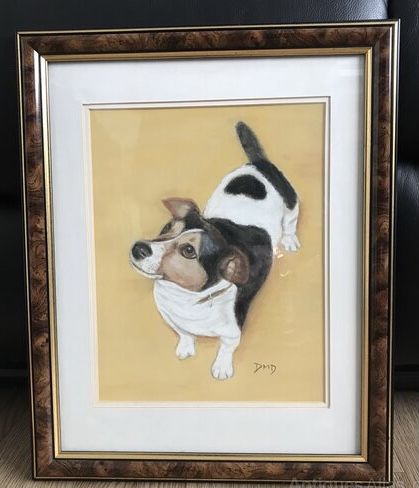
Subjects range widely from Victorian portraiture and theatrical scenes to pastoral landscapes and mid-century abstract compositions. Artists recorded domestic animals, urban architecture, and coastal views across Britain.
Each period brought distinct subject matter, shifting from formal portraiture towards expressive modern British landscapes and abstraction.
How do I date a piece?
Dating relies on stylistic clues, framing materials, artist signatures, and recorded biographical dates of the creators. Victorian pieces often feature formal portrait subjects, while later twentieth-century works embrace looser styles.
Inscribed dates on mounts or reverse inscriptions provide precise markers for works originating in the nineteenth and twentieth centuries.