
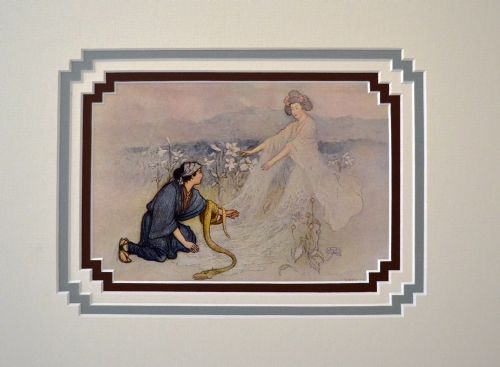


Cream Watercolour Paper Art
Cream watercolour paper art brings together delicate pigment and tinted grounds across Victorian, Edwardian and Regency periods.
Cream Watercolour Paper Art
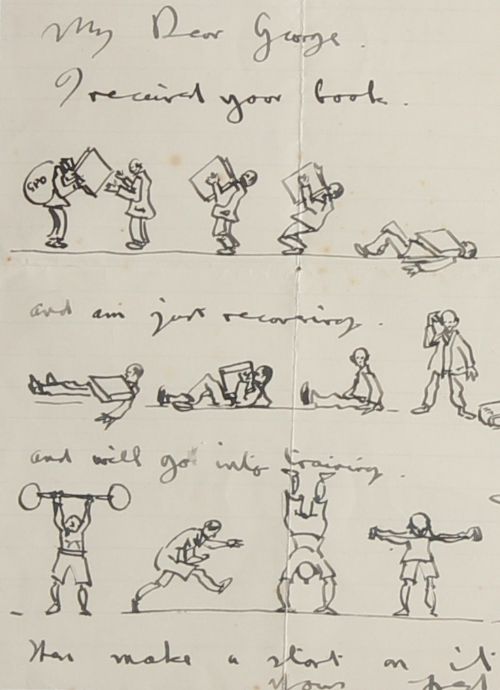
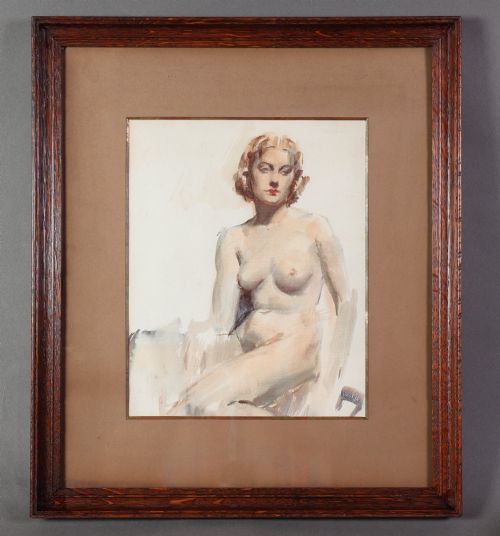
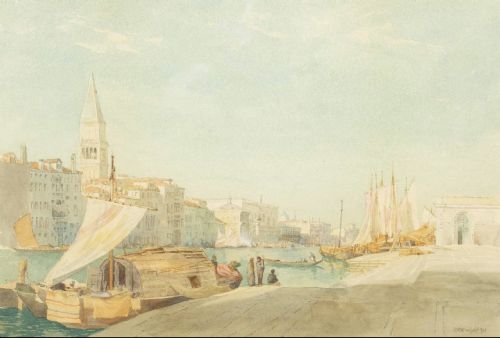
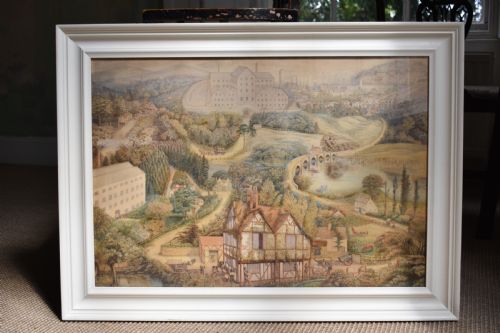
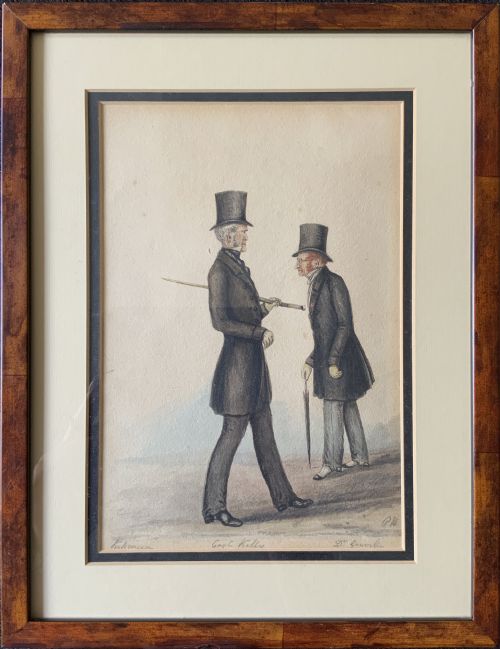
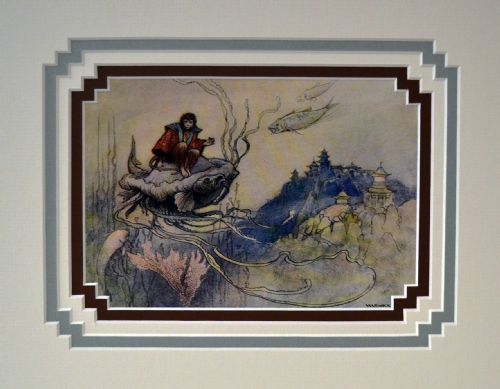
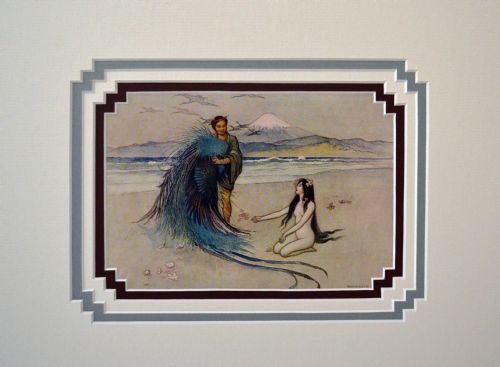
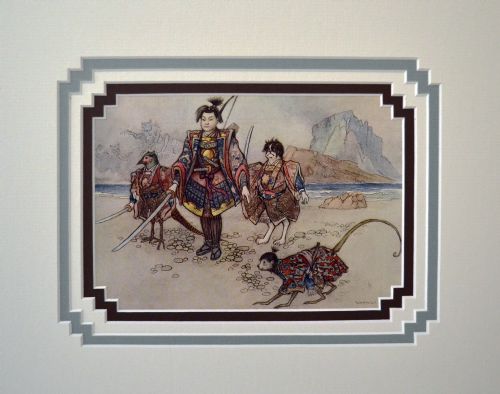
Cream watercolour paper art comprises works on paper executed in watercolour pigment, gouache and ink, often preserved behind glass within wood frames. When exploring cream watercolour paper art, buyers will encounter paintings, framed artwork and antique prints originating from the nineteenth century through the early twentieth century.
Materials and Techniques
Artists applied watercolour pigment and gouache over pencil or ink foundations directly onto tinted paper grounds. Mount board and glass were subsequently utilised to protect the delicate media within traditional wooden frames.
The combination of opaque gouache and translucent watercolour allowed creators to build luminous highlights and rich shadow depths across the fibrous surfaces.
Listings span the nineteenth century through the mid-twentieth century, featuring paper, watercolour, gouache, ink and wood.
Assessing Quality
The distinction between tiers rests upon the dexterity of the brushwork and the precision of the draughtsmanship visible beneath the pigment. Stronger examples display confident handling of light and form, whereas lesser works exhibit hesitation or rigid composition.
Preservation of the original sheet also dictates standing, with well-maintained surfaces retaining vibrant pigment strength and minimal tonal degradation from past exposure to light.
Fred Lawson·Warwick Goble·Cornelius Pearson·William Frederick Settle·James Hardy Junior·Helena Maguire·Edith Barrow·Stanley Orchart·Takashi Nakayama·Henry Wimbush·Dame Laura Knight·Paul Louis Barruel·John E Bosanquet·Henry Edridge·Leo Klin·George Marks·Henry Scott Tuke·Alexander Melville·K B Curtis
The Cream Watercolour Paper Art Glossary
- Gouache
- An opaque water-based medium that provides solid colour application and dense highlights in works on paper. It is frequently combined with transparent watercolours to create contrast.
- Mount board
- The heavy cardboard framing card placed between the artwork and the glass. It prevents the pigment surface from touching the glazing.
- Japonisme
- The influence of Japanese art on Western styles, visible in specific Edwardian illustrations and prints. This aesthetic often emphasises flat areas of colour and asymmetrical composition.
- Regency
- The period spanning the early nineteenth century, characterised by distinct portraiture and classical architectural motifs. Pieces from this era often feature refined pencil underdrawing.
Cream Watercolour Paper Art: Frequently Asked Questions
How should cream watercolour paper art be framed?
These works require protection behind glass to shield the delicate pigments from dust and atmospheric moisture. Acid-free mount board should be included to separate the paper from the glazing.
Traditional wood frames suit the Victorian and Edwardian periods of the artwork. Keeping the pieces away from direct sunlight prevents the watercolour pigments from fading over time.
What subjects appear in these works?
The inventory encompasses a wide variety of subjects including coastal landscapes, architectural landmarks, botanical studies and portraits. Artists also recorded literary scenes and domestic animal studies.
Different periods favoured distinct themes, with Regency works often focusing on detailed portraiture and Edwardian pieces exploring landscape and illustration.
How do I identify the period of a piece?
Dating relies upon stylistic markers, costume details in portraits, and the specific characteristics of the paper and framing materials. Signatures and inscriptions by listed artists also provide concrete chronological anchors.
Comparing the handling of the watercolour pigment with established movements like the Victorian or Edwardian schools clarifies the era of creation.
Can I display these works in bright rooms?
Watercolour pigments and tinted papers are sensitive to ultraviolet light and can fade with prolonged exposure. Displaying them on interior walls away from direct sunlight ensures their longevity.
Conservation-grade glass with UV-filtering properties offers an additional layer of protection for fragile nineteenth-century works on paper.