




Panelled Oriental Rug
When you explore a panelled oriental rug, you enter a rich textile tradition of patterned compartments, tribal medallions, and structured geometric designs.
Panelled Oriental Rug
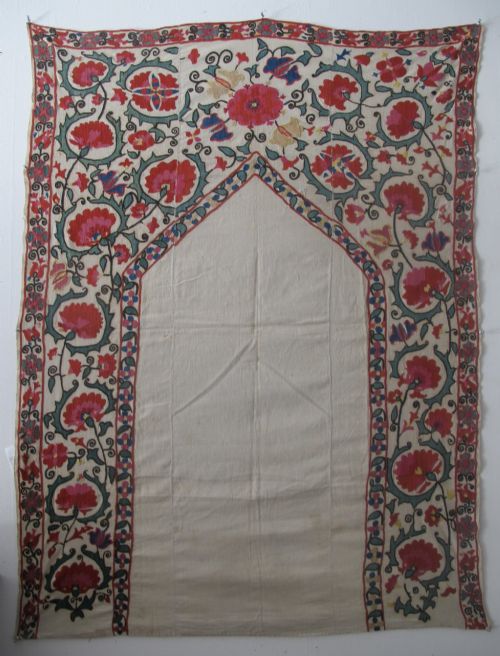
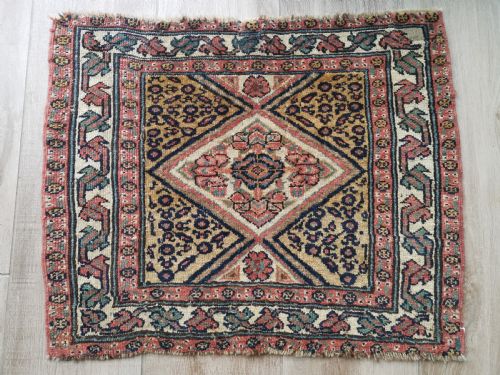
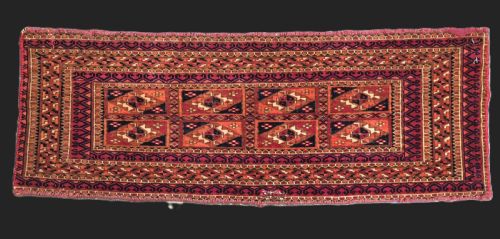
A panelled oriental rug encompasses a diverse range of tribal and regional textiles, including Turkmen storage bags, Persian carpets, and Uzbek suzanis. These pieces are characterised by distinct compartments, guls, or tile patterns that divide the visual field into structured sections.
The selections available here span from the mid-nineteenth century through the early twentieth century, featuring works from Turkmen, Persian, Ottoman, and Central Asian makers. Buyers encounter items ranging from fragment panels and bagfaces to large floor carpets and embroidered wall hangings.
Many of these textiles originate from nomadic or village traditions where specific tribal groups utilised compartmentalised layouts to display traditional motifs. The frequent presence of torba faces, chuvals, and mafrash panels indicates that many items began as functional storage containers before being preserved as decorative pieces.
Materials and Construction
The construction of these textiles relies primarily on natural wool, cotton, and silk, frequently combined with natural dyes to create enduring colour palettes. Artisans employed specialised weaving techniques, embroidery, and applique work utilising silk thread, felt, and occasional metallic threads.
Nomadic and village weavers constructed flatweaves, pile rugs, and embroidered panels using locally sourced materials suited to their environment. The integration of cotton grounds and wool foundations provided the structural stability required for intricate geometric and architectural layouts.
Nomadic weavers occasionally incorporated subtle deliberate irregularities into repeating guls to ward off the evil eye.
Assessing Quality and Execution
Quality in these textiles rests upon the precision of the drawing, the fineness of the weave, and the vibrancy of the colour palette. Superior examples display crisp definition within their structural guls or tile patterns, demonstrating exceptional control by the maker.
The condition of the materials, the integrity of the foundation, and the complexity of the secondary ornamentation further distinguish finer pieces. Well-preserved textiles retain their original borders, backs, or applique details without extensive structural compromise.
The Panelled Oriental Rug Glossary
- Gul
- A primary medallion or repeating octagonal motif found frequently in Turkmen and Central Asian tribal weaving. These designs often identify the specific clan or tribe that produced the textile.
- Suzani
- A type of embroidered textile originating from Uzbekistan and surrounding regions, typically worked in silk thread on a cotton or linen ground. They frequently feature large floral or medallion layouts.
- Torba
- A small Turkmen storage bag used within nomadic tents, usually wider than it is tall. Surviving examples often consist of the decorative face separated from the original backing.
- Mafrash
- A rectangular storage box or bedding bag constructed by nomadic tribes such as the Shahsavan, often featuring flatwoven or sumac techniques. Panels from these items are frequently repurposed into smaller rugs or kilims.
- Chuval
- A large tent bag used by Turkmen tribes for household storage, typically featuring multiple rows of guls. These items showcase skilled pile weaving and detailed tribal iconography.
Panelled Oriental Rug: Frequently Asked Questions
What is a panelled oriental rug?
A panelled oriental rug is a textile featuring a design divided into distinct compartments, tiles, or geometric guls. These layouts are common in tribal rugs, storage bag faces, and carpets from Central Asia, Persia, and the Ottoman Empire.
Such structured formats allow weavers to organise complex tribal symbols and repeating motifs into orderly sections. They range from small nomadic bagfaces to large decorative carpets.
How were these tribal bags used?
Nomadic groups utilised bags like torbas and chuvals inside their tents for storing bedding, clothing, and household provisions. Their structured panels and durable wool construction protected belongings while decorating the living space.
Many surviving pieces are now mounted or displayed as wall hangings after being separated from their original leather or fabric backs. This transition preserves the intricate face work for modern collectors.
How should I care for an antique textile?
Protect antique textiles from direct sunlight to prevent natural dyes from fading over time. Gentle vacuuming without a beater bar helps remove dust without damaging fragile wool or silk threads.
For wall-mounted pieces, ensure the weight is distributed evenly across a proper sleeve or backing support. Professional textile conservators should handle any major cleaning or structural stabilization.