


Multicolour Persian Carpet
A multicolour persian carpet brings nomadic energy and rich dye palettes into a room, offering centuries of tribal weaving traditions.
Multicolour Persian Carpet
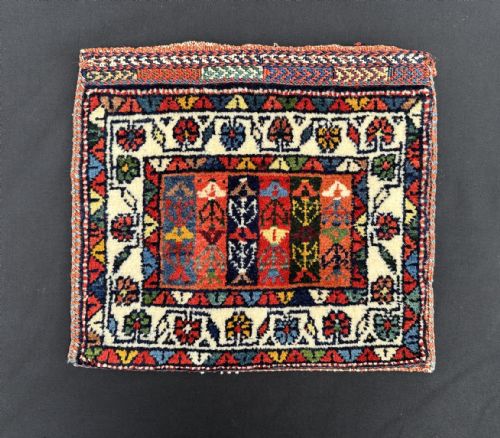
When you search for a multicolour persian carpet, you encounter woven textiles originating from various tribal and regional traditions across Persia. These pieces span the nineteenth and twentieth centuries, encompassing formats from small vanity bags to room-sized carpets and long runners.
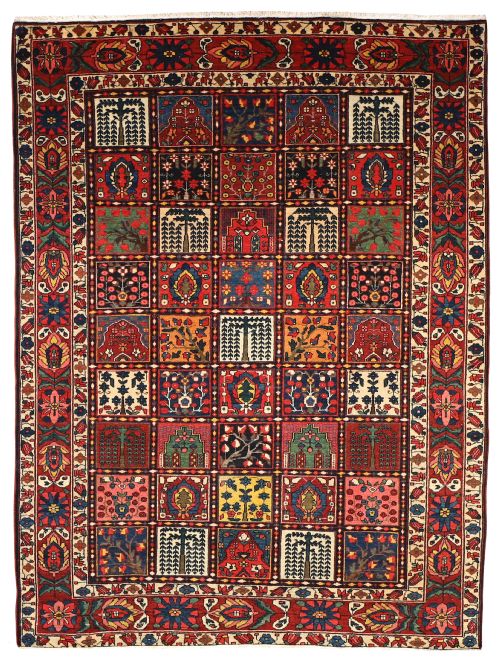
The selections on this page are dominated by tribal expressions such as Qashqai, Kurdish, Bakhtiari, and Afshar works. You will frequently find flatwoven kilims, village rugs with garden or latch hook medallion designs, and structural formats executed in wool and cotton foundations.
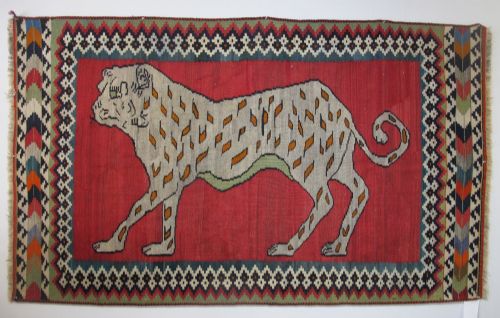
Tribal makers produced these textiles for domestic use or regional trade, resulting in robust constructions intended for practical floor coverings. The designs often reflect the distinct iconography of southern and western Persian groups, including shrub motifs, repeat shields, and stylised lion figures.
How they were made
These carpets and rugs rely on animal fibres, primarily wool for the pile and surface decoration, supported by cotton foundations in specific regional works. Certain pieces incorporate silk elements to highlight particular details within the design field.
Weavers utilised natural dyes to achieve the vivid palettes characteristic of these textiles, producing lasting hues that mellow gracefully over time. Flatweaving techniques like kilim construction sit alongside knotted pile methods depending on the tribal origin and intended function of the textile.
Some nineteenth-century weavers included fierce stylised lions right into their floor coverings, guarding the household against imaginary hazards.
What varies in quality
The fineness of the knotting and the tightness of the weave distinguish standard village production from exceptionally accomplished tribal pieces. Artisans who maintained precise geometric control and complex iconography achieved greater structural integrity in their rugs.
The richness and complexity of the natural dye palette play a major role in the visual impact of the textile. Examples that exhibit deep, varied hues demonstrate superior material preparation and dye mastery by the maker.
The Multicolour Persian Carpet Glossary
- Kilim
- A flatwoven textile produced without a pile, created by tightly interweaving warp and weft threads. These pieces often feature sharp geometric patterns.
- Runner
- A long, narrow carpet format designed for hallways, corridors, or alongside furniture. They frequently display repeating medallions or shield motifs.
- Medallion
- A central ornamental motif placed in the middle of the carpet field, often anchoring the surrounding geometric or floral design.
- Warp
- The vertical foundation threads stretched tightly on the loom before weaving begins. The pile knots are tied around these stationary strands.
Multicolour Persian Carpet: Frequently Asked Questions
How do I clean a tribal rug?
Gentle surface brushing and professional specialist cleaning are essential for maintaining wool and natural dye textiles. Avoid harsh chemical agents that can strip the natural colours.
Water saturation should be minimised during any maintenance to protect the cotton or wool foundation threads from weakening.
Where were these carpets made?
These pieces originate from various regions and tribal territories across Persia, including the Kerman province and the Chahar Mahal valley. Different groups like the Qashqai, Kurdish, and Luri tribes developed distinct regional aesthetics.
Local access to specific materials and dyestuffs shaped the visual characteristics unique to each geographical area.
Are these rugs suitable for hallways?
Runner formats and long kilims function effectively in high-traffic corridors due to their narrow proportions and robust wool construction. Their durable flatwoven or knotted structures withstand regular foot movement.
Using an appropriate underlay helps keep the runner stable on hard flooring surfaces.
How do I identify a tribal design?
Tribal designs typically feature geometric motifs, latch hooks, stylised animals, and repeating shield patterns rather than refined court florals. These visual elements reflect the traditional iconography passed down within specific weaving groups.
Asymmetrical details often point to the spontaneous, uncarted nature of nomadic production.