
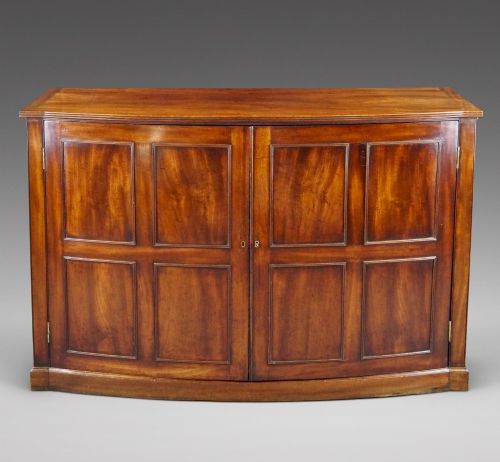


Panelled Door Bookcase
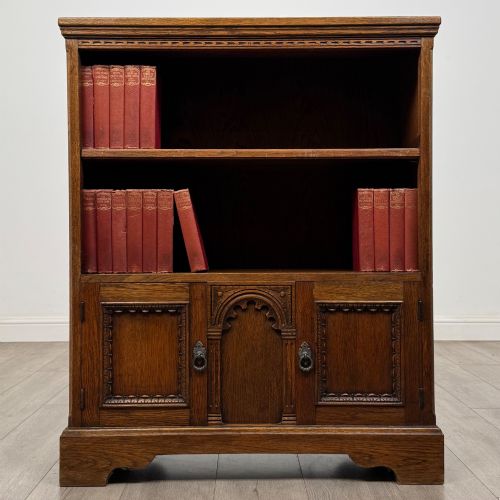
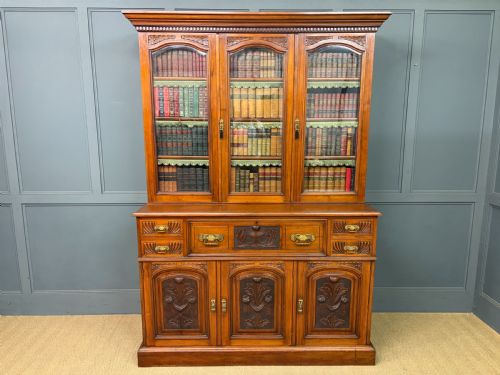
A panelled door bookcase provides a substantial storage solution for libraries and studies, concealing lower shelves behind solid timber panels while keeping upper sections visible.
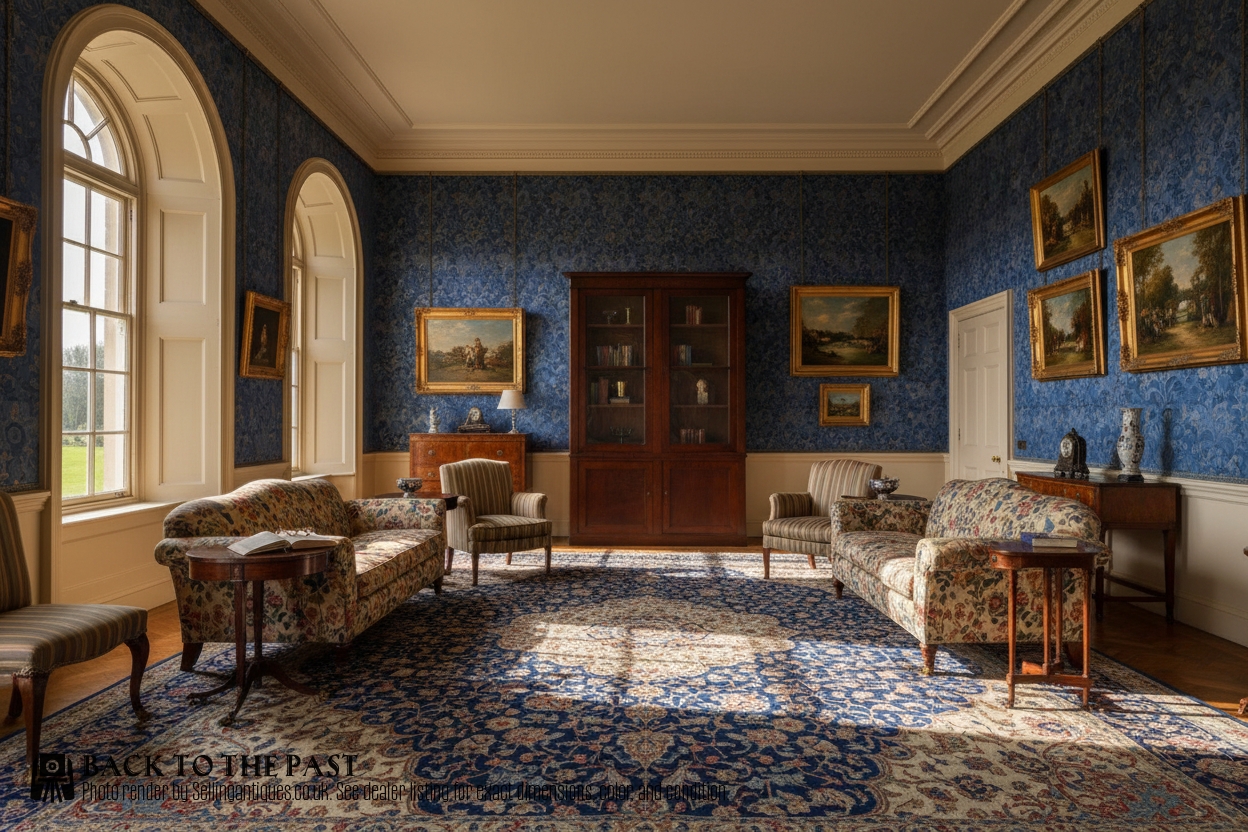
Panelled Door Bookcase
A panelled door bookcase combines upper display storage with lower enclosed cabinet space, offering practical concealment alongside traditional book storage. These items serve domestic libraries, studies and living rooms where both open display and hidden storage are required.
The evidence on this page shows pieces spanning the Georgian, Victorian and Edwardian periods, alongside later 20th century examples. Oak and mahogany form the core of the selection, accompanied by rosewood, walnut and satinwood across various regional traditions.
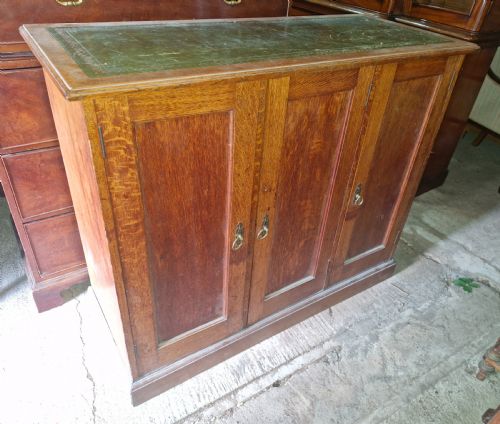
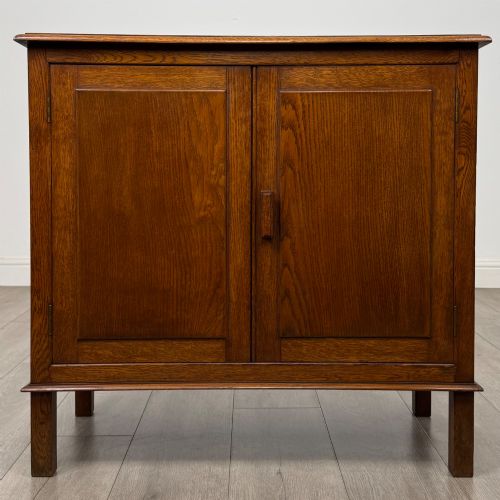
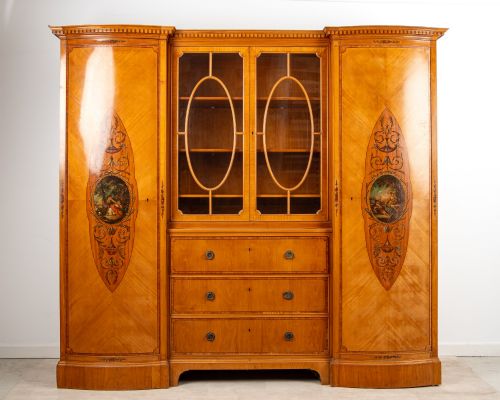
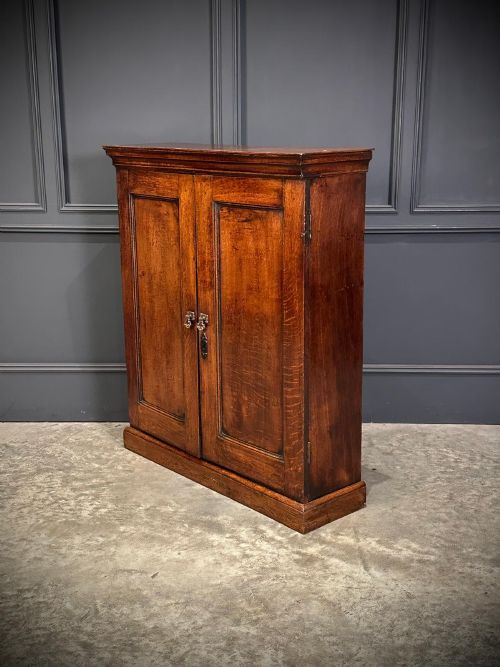
Formats range from bureau bookcases with fitted writing compartments to large library bookcases and smaller freestanding cupboards. The defining characteristic remains the solid wooden panel within the lower doors, distinguishing them entirely from fully glazed display cabinets.

Materials and construction methods
Cabinet makers built these pieces using solid timbers including oak, mahogany and walnut, frequently applying veneers of rosewood or satinwood to primary surfaces. Frame and panel construction allowed wood to expand and contract naturally with seasonal humidity changes without splitting.
Joinery techniques involved mortise and tenon joints for structural rigidity, particularly around heavy doors and shelving units. Brass hardware, glass panes and hand-painted panels appear as secondary materials across specific periods and revival styles.
Panelled Door Bookcase Retail Price Guide 2026
Typical asking prices for panelled door bookcase among the pieces listed under this phrase on Sellingantiques today, from the lower quarter to the upper quarter. They describe what is for sale here now, not the wider market.
Listings feature oak, mahogany, rosewood, walnut, satinwood, brass, glass, fabric and metal across multiple centuries.
Distinctions in construction and material quality
The choice of primary timber and the precision of the cabinet joinery determine the standing of each piece. Superior examples utilise dense, well-figured hardwoods with tight, flush joints in the panel frames.
Secondary elements such as hand-cut dovetails in the drawer construction and original brass fittings indicate higher standards of workshop production. The integrity of the internal shelving supports and the balance of the heavy doors further separate standard utility pieces from finer library furniture.
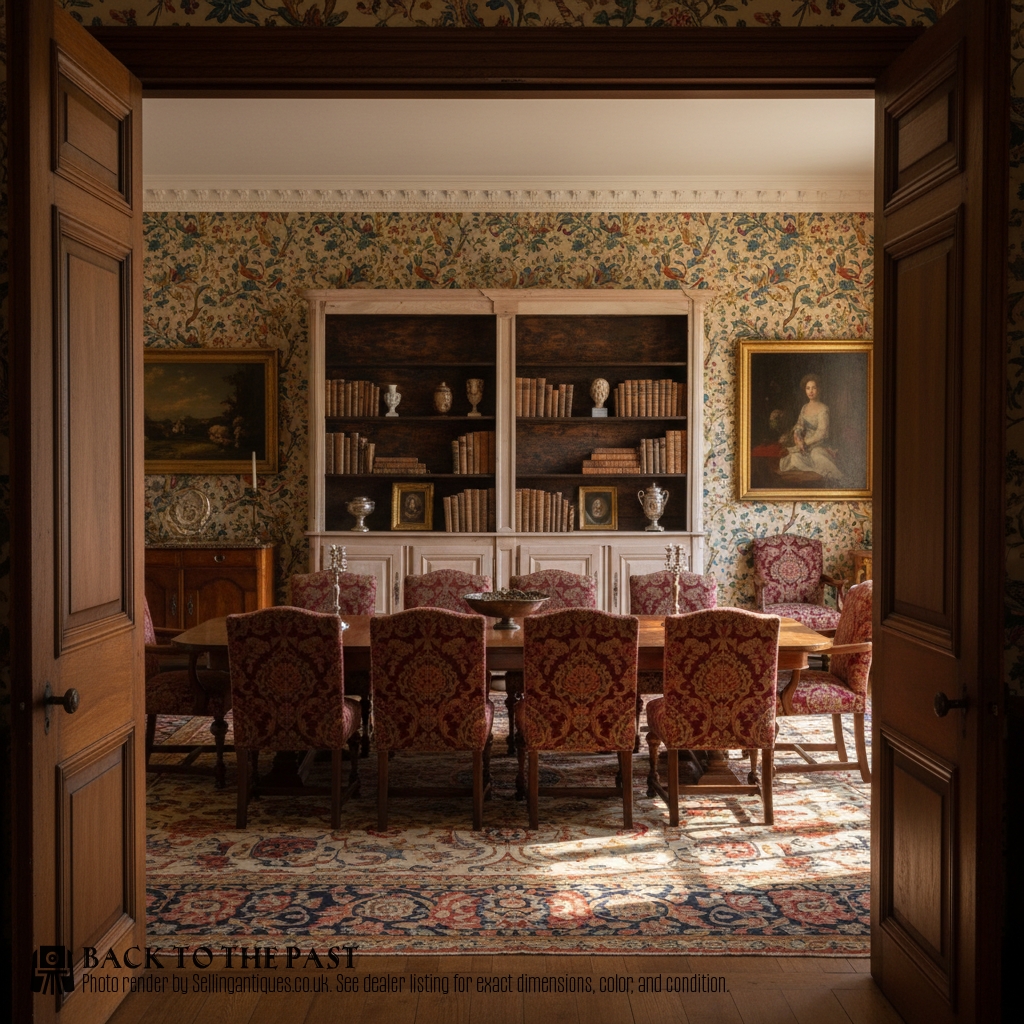
The Panelled Door Bookcase Glossary
- Breakfront
- A cabinet design where the central section projects forward from the flanking outer sections. This architectural arrangement creates depth and visual variety across large library pieces.
- Bureau bookcase
- A combination of a sloping writing desk and an enclosed bookcase upper section. The fall-front flap opens to reveal small drawers and pigeonholes.
- Chiffonier
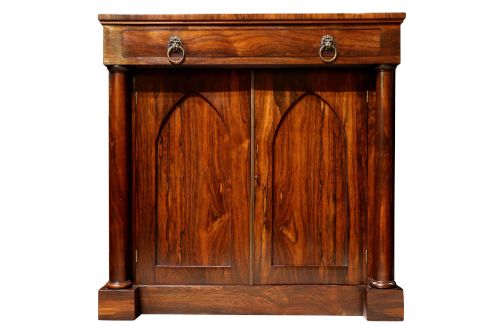
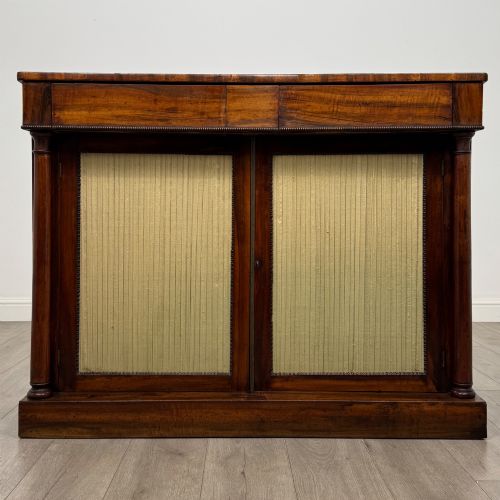
- A low sideboard or cabinet featuring enclosed cupboards below, sometimes surmounted by a small shelf or tier. These pieces frequently incorporate panelled doors in Victorian and Regency examples.
- Compactum
- A large wardrobe or combination cabinet designed to maximise storage efficiency within a single footprint. They often incorporate linen slides alongside hanging space and shelving.
- Parquetry
- Geometric mosaic woodwork used for decorative surface patterns on tabletops and cabinet doors. Makers arranged contrasting timbers to create repeating shapes.
Panelled Door Bookcase: Frequently Asked Questions
How do I date a panelled door bookcase?
Dating relies on identifying timber choices, construction methods and stylistic revival details recorded in the piece. Georgian and Victorian examples display distinct proportions and moulding profiles compared to Edwardian or later 20th century items.
Examining internal drawer linings, backboards and fixing methods provides further confirmation of the period. Secondary details like brass handles and hinges often match the manufacturing era.
What is the difference between a bureau bookcase and a standard bookcase?
A bureau bookcase includes an integrated desk component with a folding flap for writing. This workspace sits beneath the upper book storage and above the lower panelled doors.
A standard bookcase focuses entirely on vertical shelf storage without a dedicated writing surface. The lower section typically houses enclosed cupboards rather than functional desk drawers.
Are these bookcases suitable for modern homes?
These pieces offer versatile storage that adapts well to contemporary living spaces. The lower panelled doors conceal modern clutter while upper shelves hold books or decorative objects.
Selecting the right size involves measuring ceiling height and floor space carefully. Smaller oak and mahogany variants fit comfortably into domestic studies and sitting rooms.
How should I care for antique timber bookcases?
Maintaining wooden furniture requires stable room humidity and protection from direct sunlight. Consistent environmental conditions prevent the solid panels and veneers from splitting or warping.
Regular dusting with a dry, soft cloth preserves the finish. Application of appropriate wax feeds the timber without building up heavy residues.