

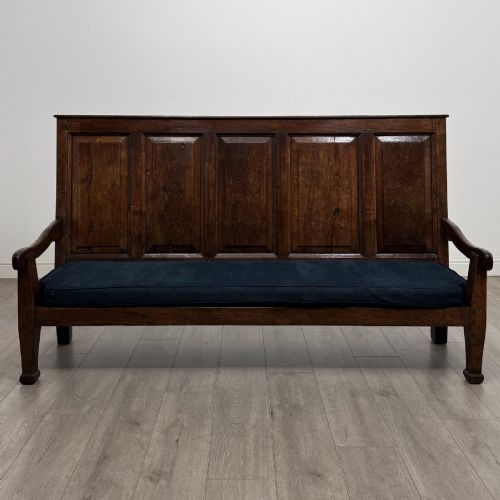
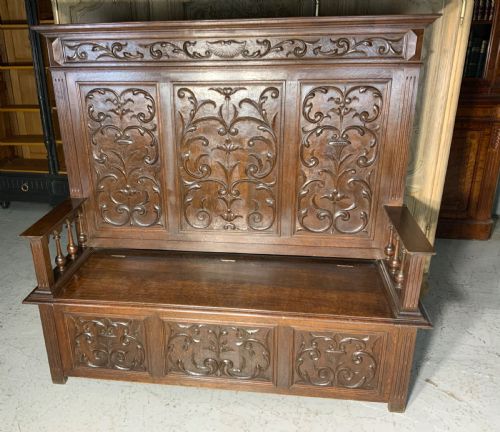


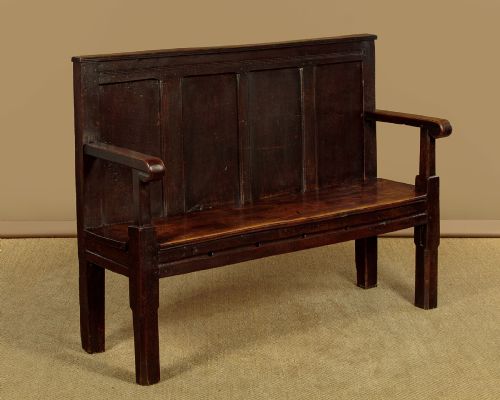
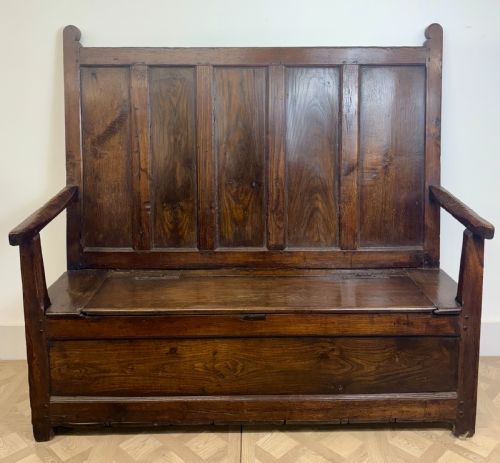
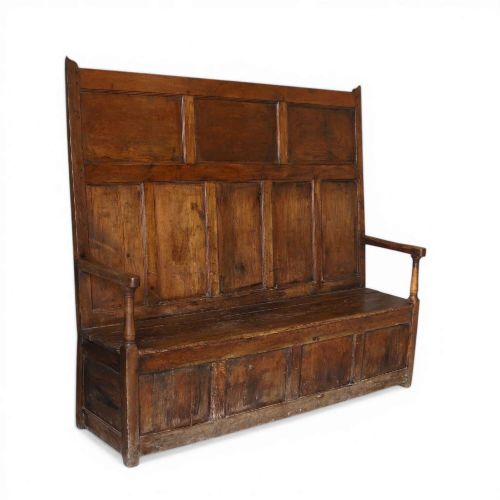
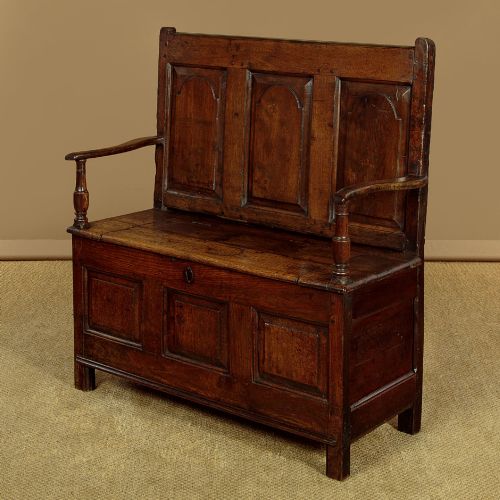
Panelled Back Oak Bench
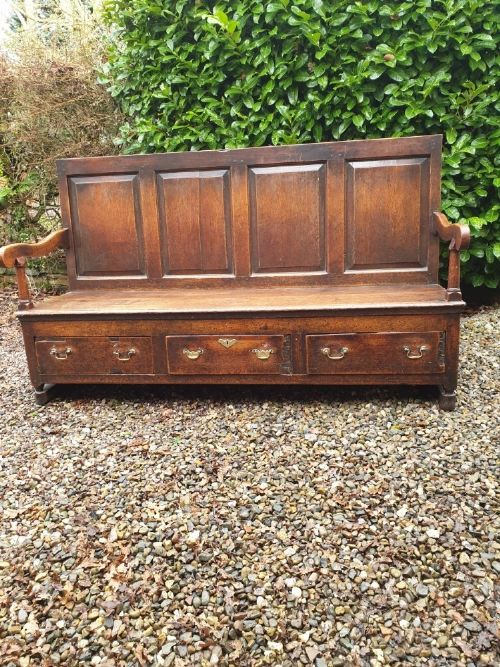
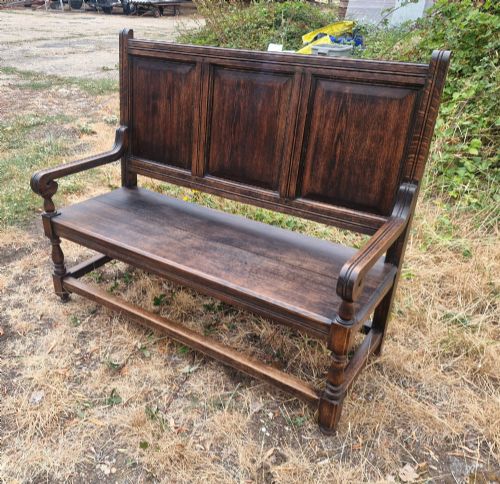
A panelled back oak bench offers solid timber construction and high-backed seating designed to block draughts in period interiors.
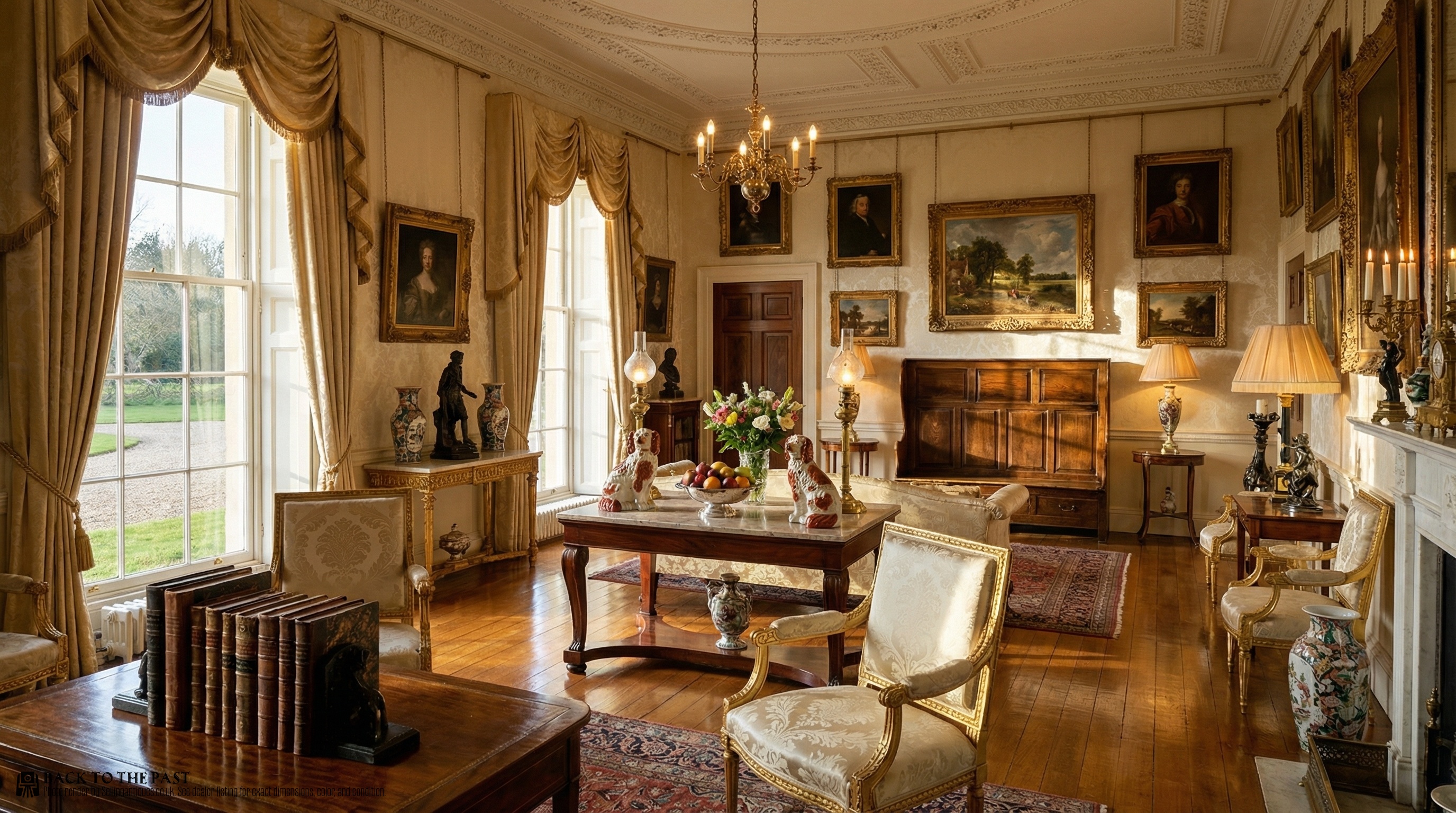
Panelled Back Oak Bench
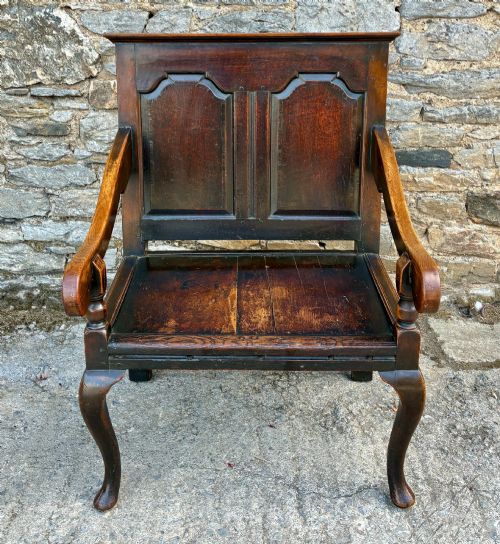
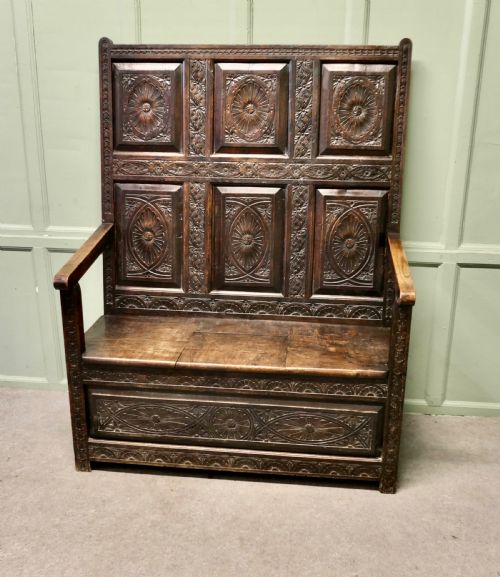
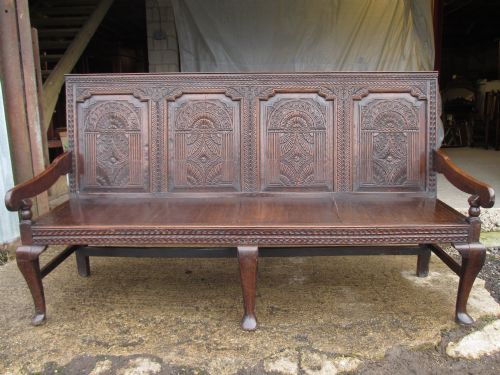
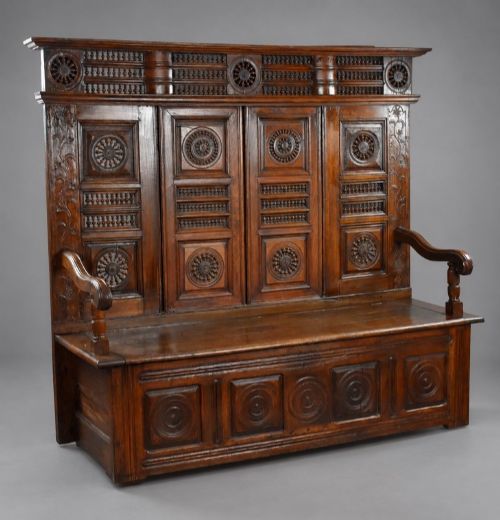
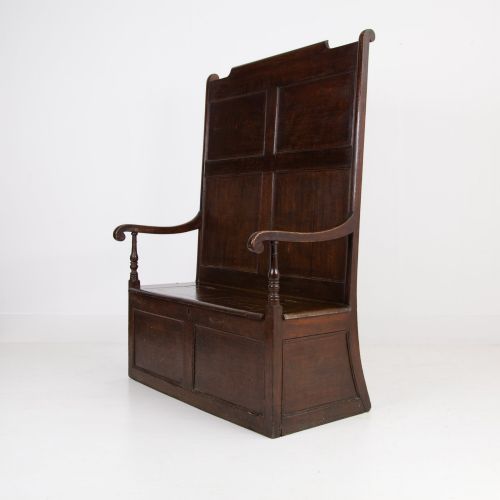
A panelled back oak bench, often termed a settle or hall bench, is a substantial seat designed for historic hallways and living spaces. These pieces emerge from periods spanning the seventeenth century through to the Edwardian era, incorporating regional variations such as Welsh and North Country formats. Buyers frequently encounter box settles featuring integrated storage beneath the seat, alongside high-backed and wingback configurations.
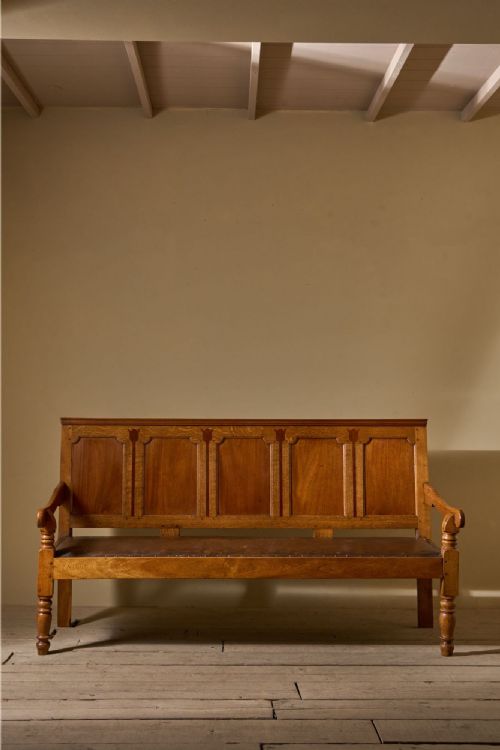
The selection ranges from early carved examples originating in the seventeen-hundreds to later nineteenth-century revivals and country pieces. Forms include straight-backed benches, five-panelled designs, and barrel settles shaped to retain warmth near a hearth. Walnut and ash occasionally appear alongside the primary timber, reflecting the diverse origins of vernacular seating.
Materials and Construction
Construction relies primarily on solid oak, shaped through traditional joinery techniques such as frame-and-panel assembly to accommodate seasonal wood movement. Artisans utilised supplementary materials including iron, brass, and leather for hinges, fixings, and upholstery where applicable. Surface treatments vary from natural bleached finishes and limed effects to hand-carved decorative motifs.
Regional workshops combined structural oak with secondary timbers like ash, whilst decorative details such as tulip carvings or Flemish-style relief work demonstrate specific period aesthetics. The joinery ensures the high backrests and box bases remain rigid, supporting the weight of the timber panels without modern adhesives.
Panelled Back Oak Bench Retail Price Guide 2026
Typical asking prices for panelled back oak bench among the pieces listed under this phrase on Sellingantiques today, from the lower quarter to the upper quarter. They describe what is for sale here now, not the wider market.
Listings feature oak panelled benches spanning the 17th, 18th, 19th, and Edwardian periods, incorporating regional variations in ash and walnut.
Evaluating Quality
Quality rests upon the integrity of the timber panels, the crispness of any hand-carved ornamentation, and the proportion of original material remaining in the frame. Pieces featuring integrated storage boxes show superior craftsmanship where the lid and hinges integrate seamlessly with the structural panels. Early seventeenth- and eighteenth-century examples command attention through the depth of the patina accumulated on the oak surfaces over centuries.
The sophistication of the joinery distinguishes vernacular country pieces from formal commission work, particularly in the construction of high backrests and wingback curves. Variations in the grain of the oak and the subtlety of decorative panels indicate the skill of the original maker, separating standard utility seating from finer decorative items.
The Panelled Back Oak Bench Glossary
- Settle
- A wooden bench with a high back and solid arms, traditionally placed near a fire to block draughts. These seats often incorporate a box compartment beneath the hinged seat for storage.
- Box Settle
- A variant featuring an enclosed chest base beneath the seating area. This design provided dual utility as a seat and a dry storage chest in historical homes.
- Frame-and-Panel
- A method of construction where a central panel floats within a grooved outer frame. This technique accommodates the natural expansion and contraction of timber.
- Wingback
- A style of high backrest featuring enclosed sides or wings designed to trap heat around the sitter. These configurations appear frequently in barrel and high-backed settles.
- Vernacular
- Furniture built by local tradesmen using regional traditions and readily available materials rather than following strict metropolitan design patterns. Welsh and North Country examples demonstrate these distinct regional styles.
Panelled Back Oak Bench: Frequently Asked Questions
Where did people use panelled back oak benches?
These benches traditionally stood in the halls and kitchens of historic houses, where their high panelled backs deflected cold draughts from stone floors and uninsulated walls.
In modern interiors, they function effectively as hallway seating or dining benches, providing both a focal point and practical storage within the base compartment.
How do I care for antique oak furniture?
Maintain the timber by applying traditional beeswax periodically to nourish the dry grain and preserve the natural patina built up over centuries of handling.
Keep the bench away from direct heat sources and drastic humidity changes to prevent the oak panels from splitting or warping over time.
How can I tell the age of a panelled settle?
Age is determined by observing the construction marks, tool traces on the oak timbers, and the style of the hand-carved panels. Seventeenth- and eighteenth-century pieces display pegged joinery and hand- planed surfaces distinct from later Victorian revivals.
Examine the uniformity of the wood grain and the wear patterns around the arms and seat to understand the history of use.