
Country Oak Wooden Bench
A country oak wooden bench brings substantial timber and honest vernacular lines directly into a hallway or living space.
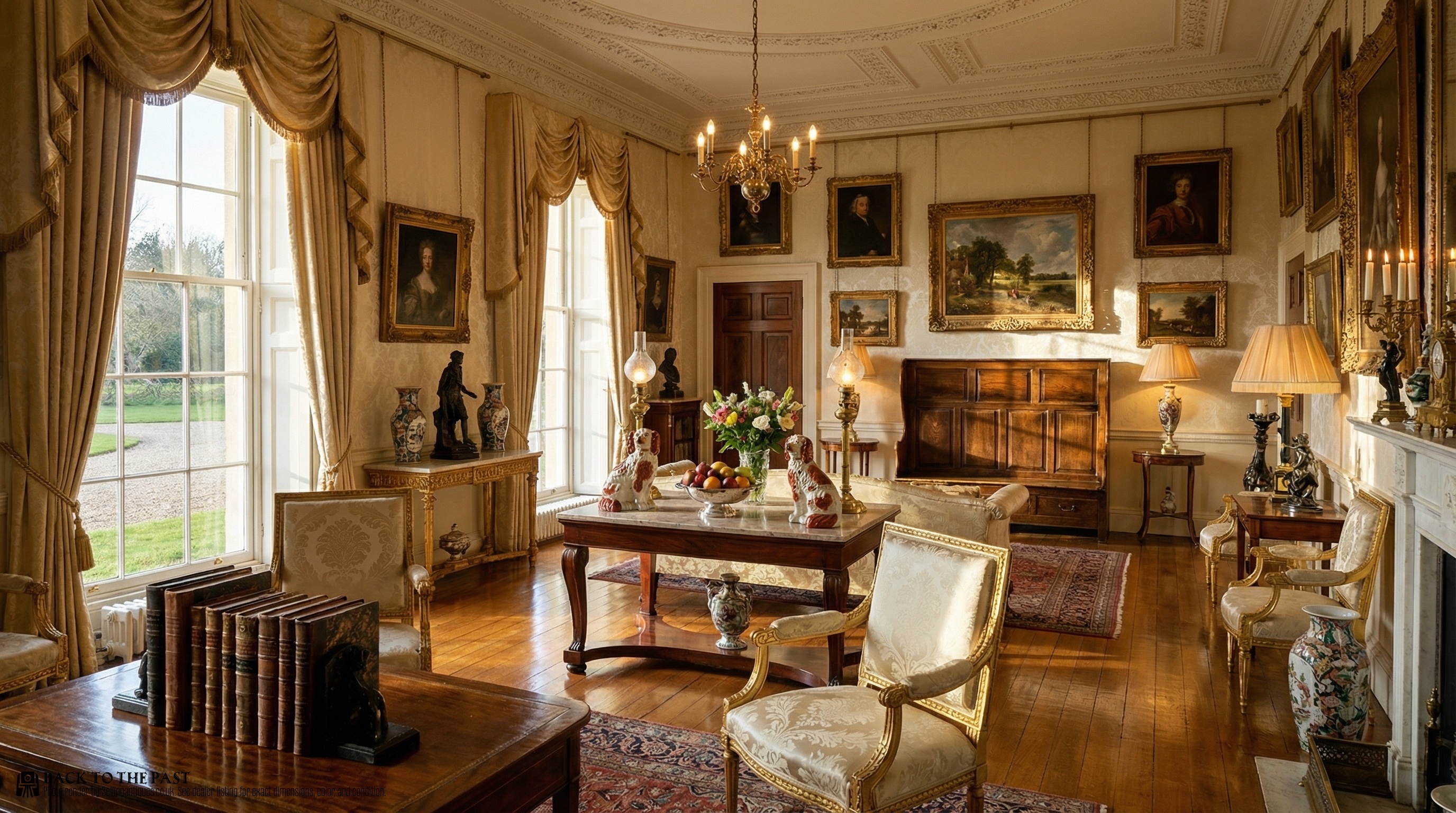
Country Oak Wooden Bench
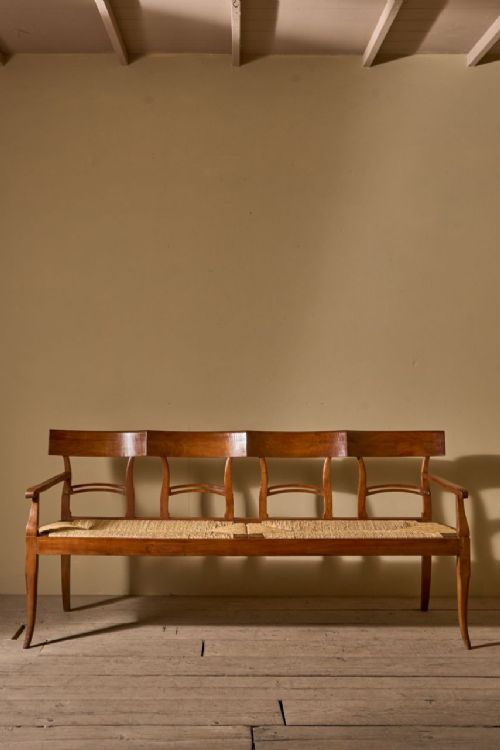
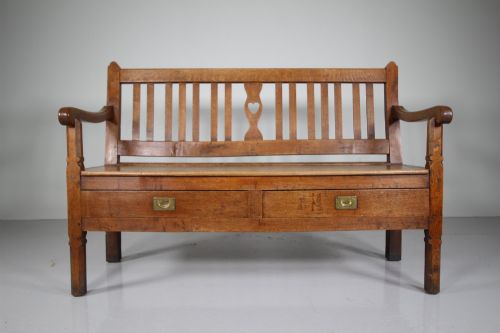
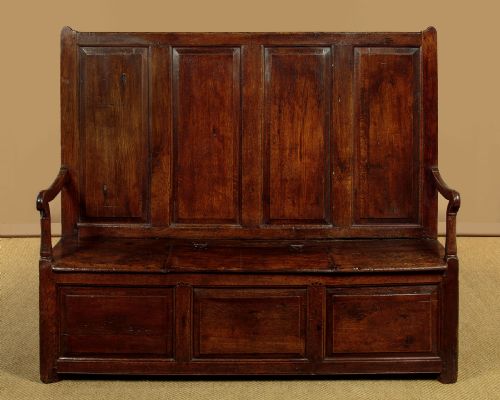
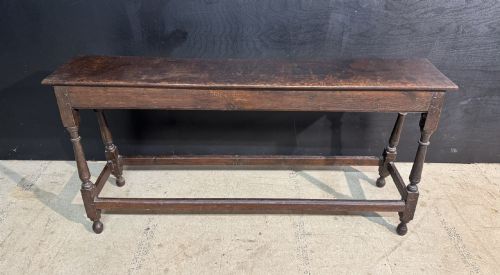
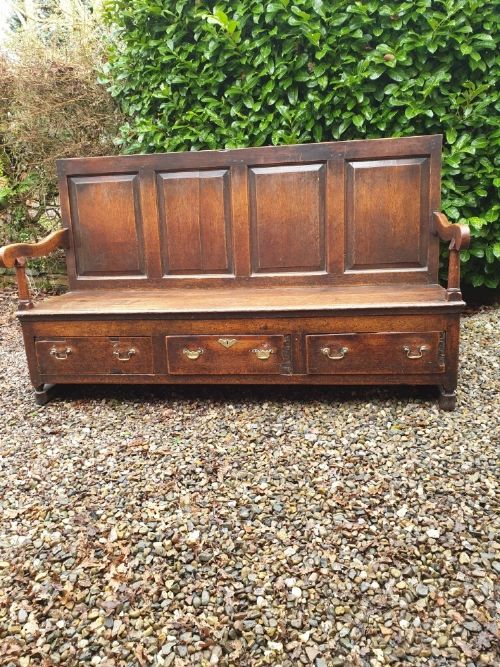
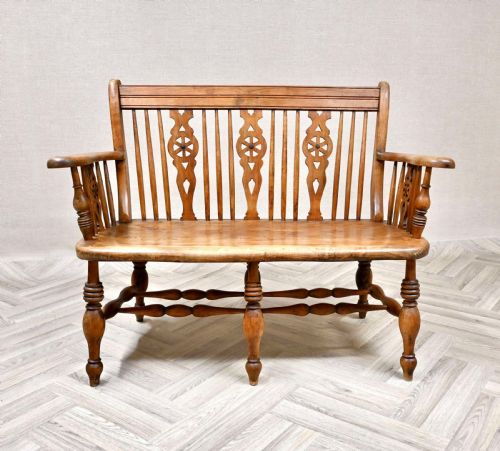
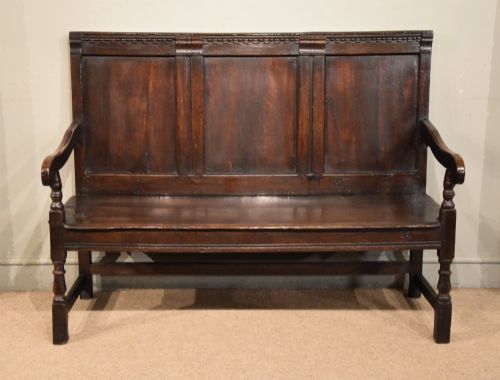
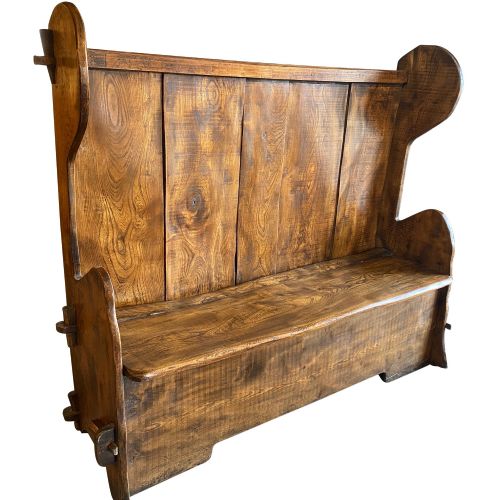
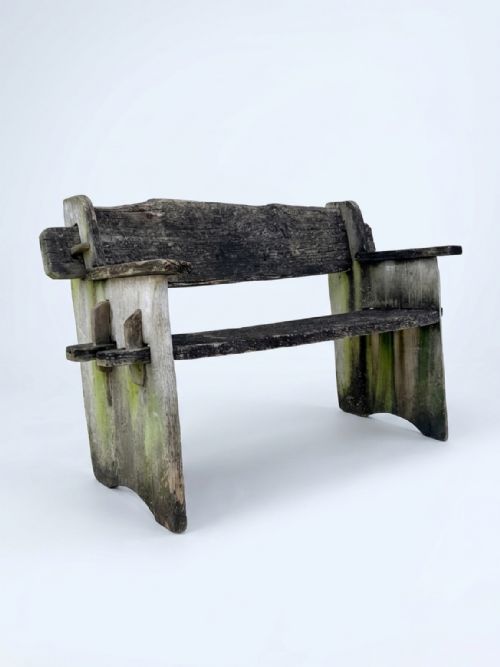
A country oak wooden bench encompasses long farmhouse seats, high-backed settles with integrated storage boxes, and sturdy hall benches designed for daily domestic use. The pieces span periods from the seventeenth century through to the Edwardian era, reflecting regional English, Welsh, Irish, and French vernacular traditions.
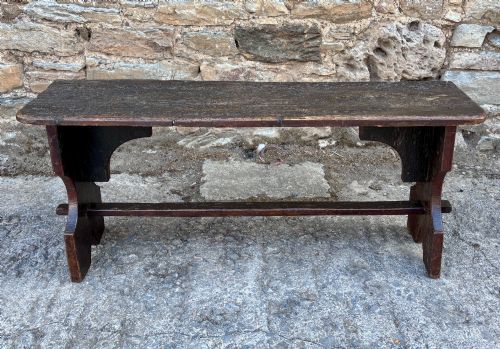
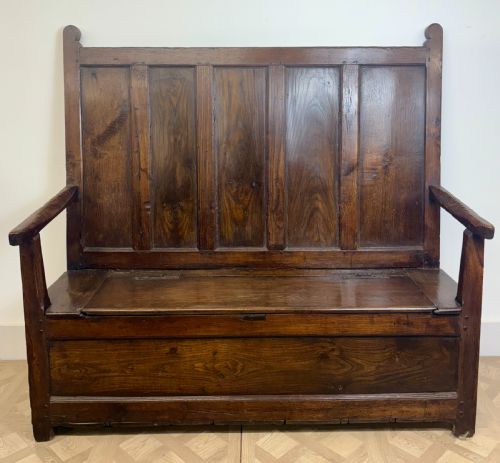
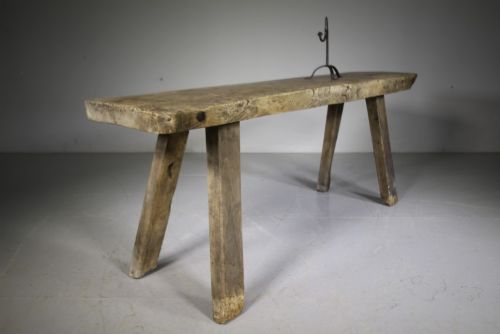
Settles with panelled backs and enclosed box bases frequently appear alongside simpler open benches and joint forms. Buyers also encounter low pig benches adapted as coffee tables, alongside occasional pairs originating from country houses.
Materials and Construction
Constructed primarily from solid oak, these pieces frequently incorporate secondary timbers such as ash, elm, cherrywood, and hardwood for structural components or seating planks. Joinery relies on traditional pegged mortise and tenon joints designed to withstand heavy domestic strains.
Surface finishes range from scrubbed unpolished timber to deep patinated wax, occasionally complemented by iron brackets, brass fittings, or rush seating. Structural framing prioritises utilitarian strength over ornate embellishment, allowing the natural grain of the timber to dominate.
Some seventeenth-century settles were built with hooded tops specifically designed to trap hearth heat around the lucky person seated nearest the fire.
Assessing Quality and Character
Quality rests in the integrity of the original timber frame, the depth of surface patina developed through centuries of use, and the retention of primary structural elements. Pieces that maintain their original panel backs, board seats, and uncompromised box bases command greater appreciation.
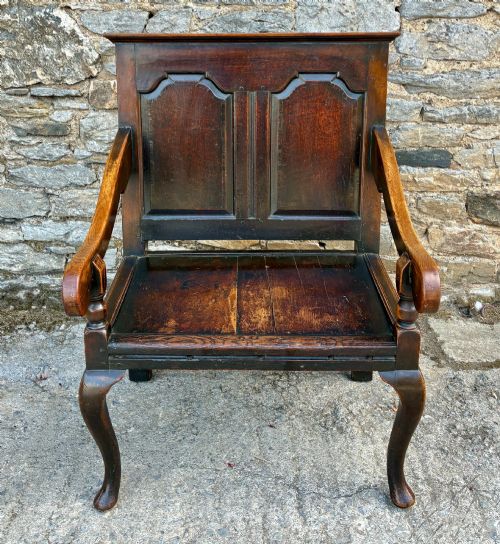
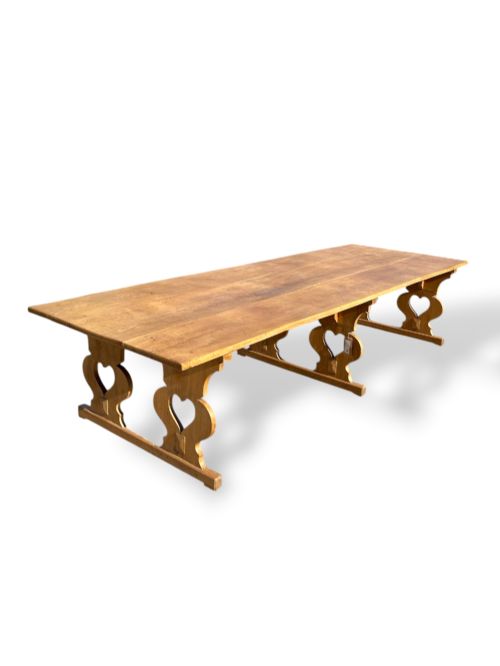
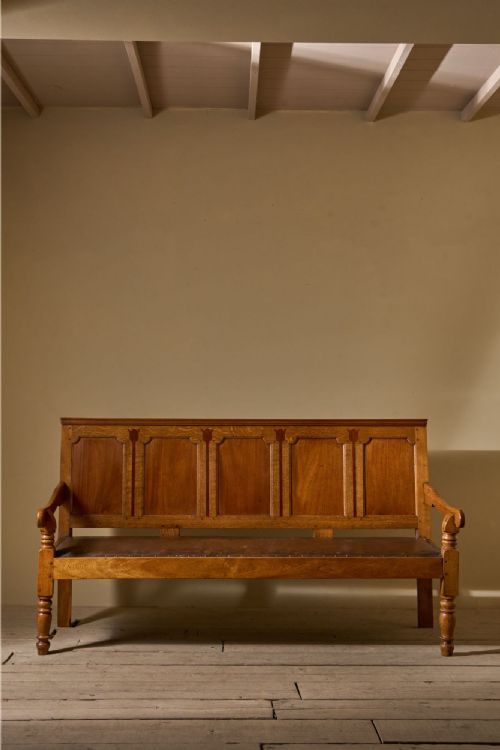
Proportion and regional vernacular detailing also differentiate examples, such as carved tulip motifs, distinct arm scrolls, or sturdy trestle supports. Alterations to height or replaced floor-level timbers alter the original vernacular balance of the piece.
The Country Oak Wooden Bench Glossary
- Box Settle
- A high-backed wooden bench featuring an enclosed storage compartment beneath the seat. This form protected sitters from draughts in early domestic interiors.
- Joint Stool
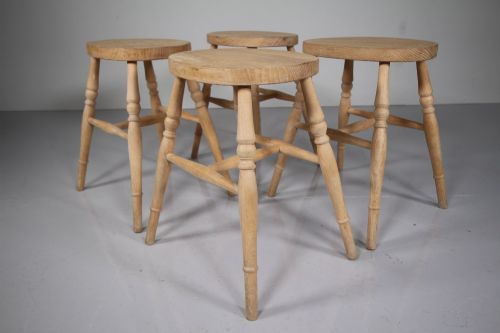
- A sturdy wooden stool constructed with mortise and tenon joints using pegs rather than glue. These utilitarian pieces served multiple seating and resting purposes.
- Vernacular
- Objects designed by regional craftspeople for practical local use rather than following formal academic design rules. Such pieces display regional quirks in timber selection and construction.
- Pig Bench
- A low, narrow wooden bench traditionally used in agricultural settings for butchery preparation. Today these heavily patinated low forms frequently serve as coffee tables.
- Panel-Back
- A wooden seat back constructed from framed wooden panels rather than solid planks. This method allows the timber to expand and contract naturally without splitting.
Country Oak Wooden Bench: Frequently Asked Questions
Where should I place a settle?
A high-backed settle functions effectively in a hallway to create a welcoming entrance or near a dining table for communal seating.
The enclosed lower box also provides practical concealed storage for boots, textiles, or everyday clutter.
How do I clean an oak bench?
Dust the timber regularly with a dry cloth and apply a traditional beeswax sparingly to nourish the grain.
Avoid modern liquid polishes or silicone sprays, which can build up and dull the historic patina over time.
Are these benches comfortable?
Most antique country benches feature rigid wooden seats designed for durability rather than soft lounging. Adding loose cushions or sheepskins easily softens the timber for extended sitting.
How can I tell the age?
Dating relies on examining tool marks, construction methods such as hand-cut pegs, and the natural wear patterns on the timber surfaces. Variations in timber shrinkage and fastener types offer further clues to the period of manufacture.