

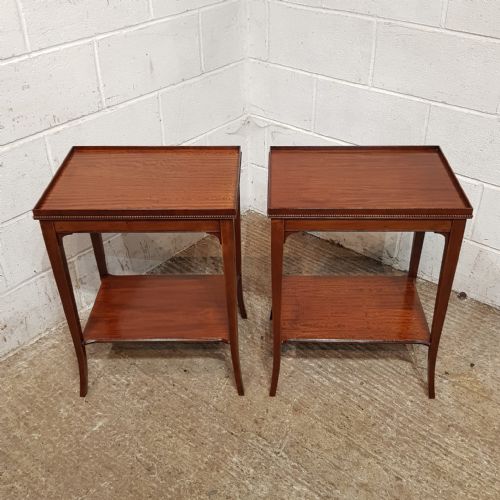
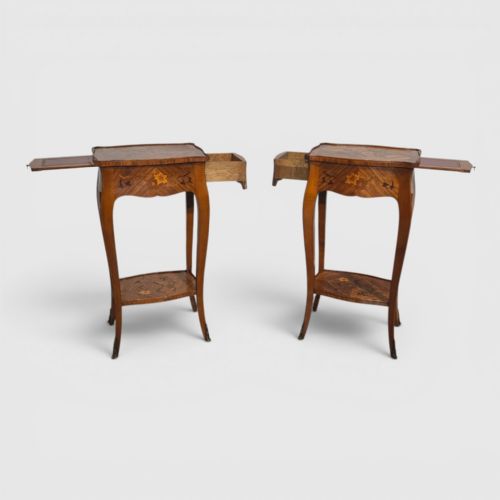
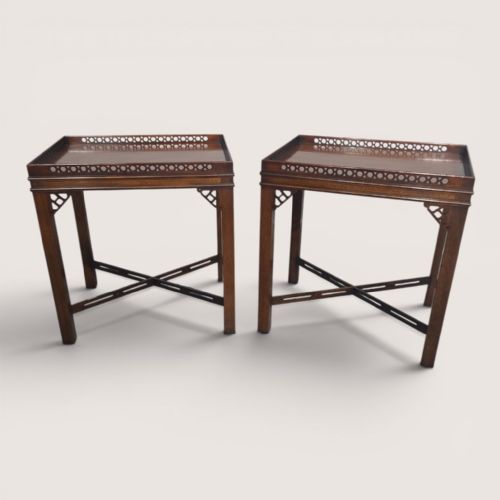
Pair Wooden Table Lamps
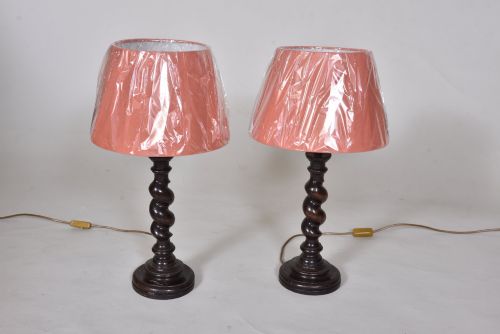
These pair wooden table lamps combine matched timbers with functional lighting, offering a balanced scheme for side tables and bed chambers.
Pair Wooden Table Lamps
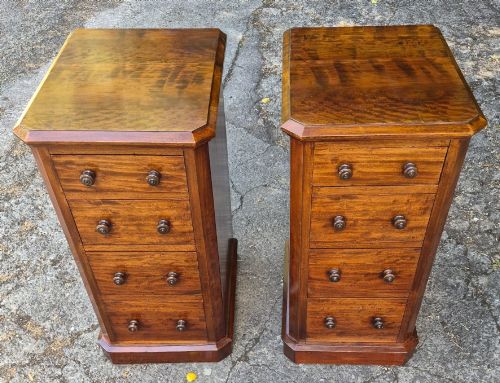
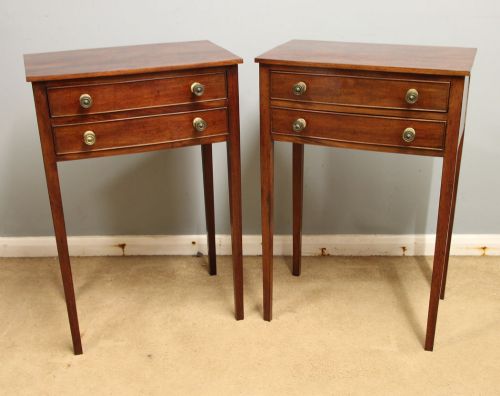
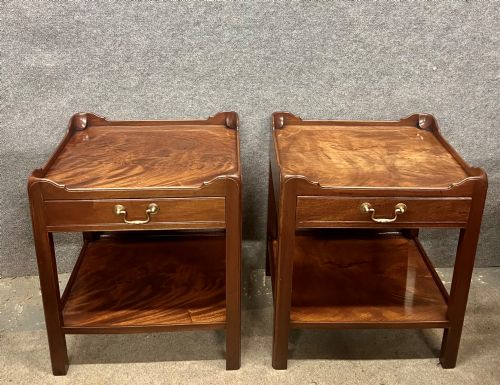
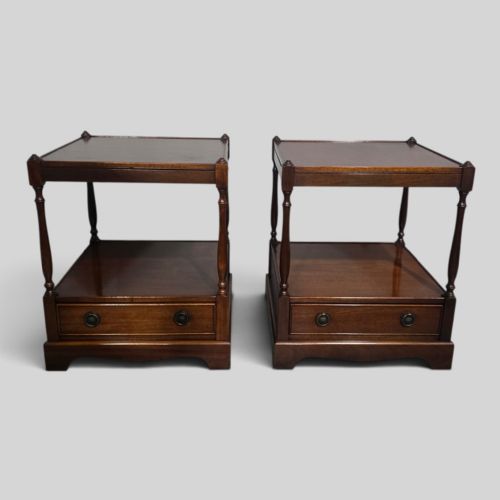
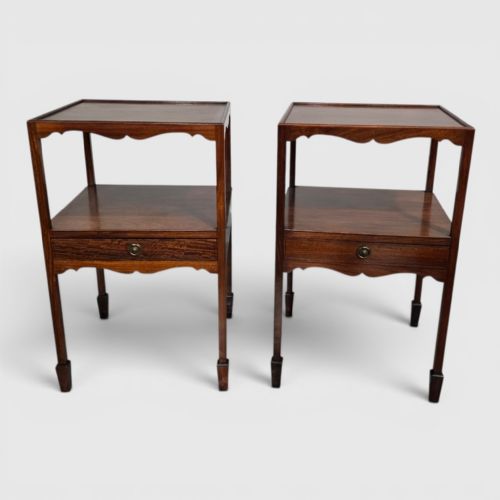
A search for pair wooden table lamps reveals matched configurations spanning dedicated lighting bases and dual-purpose furniture such as bedside chests and side tables adapted for illumination. These pieces originate across the eighteenth, nineteenth, and early twentieth centuries, encompassing Victorian, Edwardian, and Georgian styles alongside revival designs.
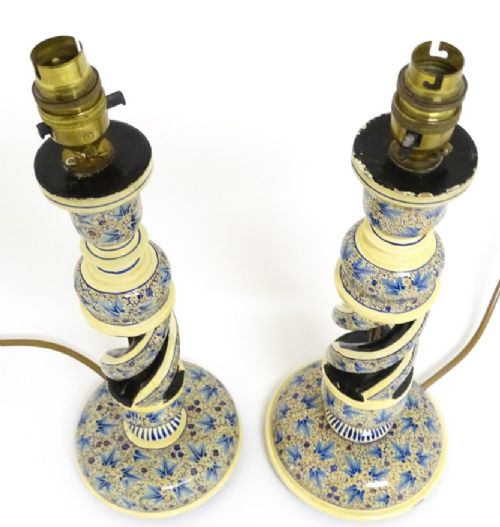
The selection here frequently brings together mahogany, oak, and walnut lamp bases alongside occasional tables that serve the same room placement. Buyers encounter regional variations including Kashmiri hand-painted finishes and Anglo-Indian or French Rococo influences within the broader wood and brass constructions.
How they were made
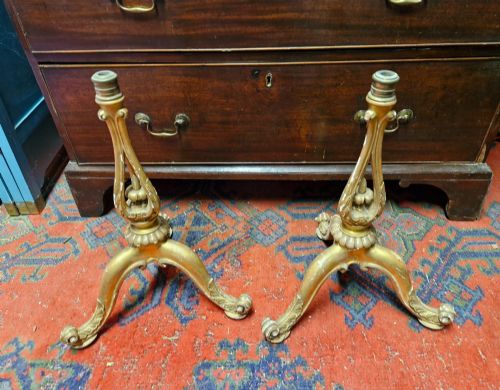
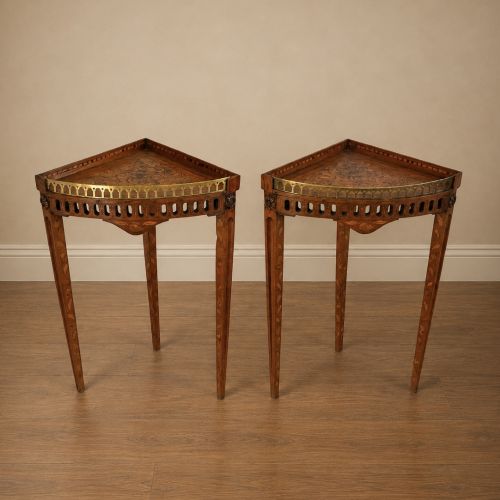
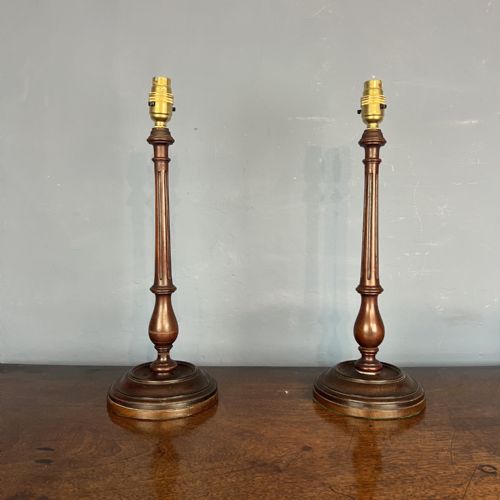
Cabinet makers and turners utilised solid hardwoods like mahogany, oak, and walnut, frequently incorporating marquetry inlay, brass galleries, or giltwood highlights. Turned columns, tripod supports, and carved timber sections formed the structural foundations for both dedicated lamp bases and dual-purpose tables.
Surface ornamentation involved hand-painting, ebonising, and polishing over timber grains. Conversion pieces adapted existing furniture or architectural elements, mounting electrical fittings to carved wood, brass, or papier-mâché components.
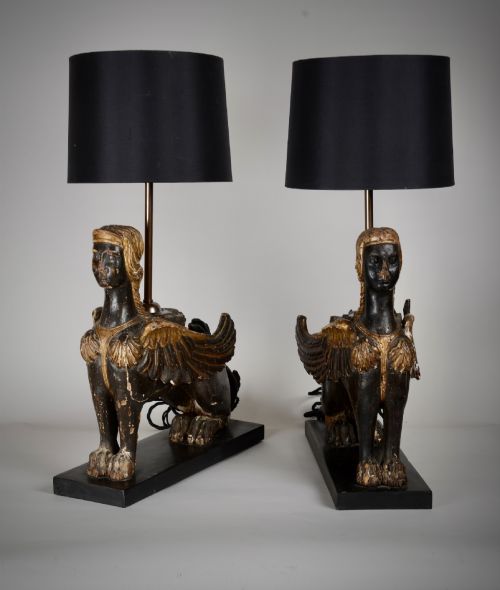
Several Victorian sphinxes traded their mythological duties for household illumination.
What varies in quality
The calibre of a pair depends heavily on the crispness of the timber carving and the fidelity of period details such as marquetry inlay and brass mounts. Superior examples display consistent grain matching across both items and well-proportioned turning that reflects precise period craftsmanship.
Matched sets show greater harmony in height, timber tone, and decorative execution than assembled pairs. The integration of electrical conversions also influences the overall standard, distinguishing professional adaptations from simpler alterations.
The Pair Wooden Table Lamps Glossary
- Marquetry
- Decorative veneer work arranged in geometrical or pictorial patterns. Craftsmen applied contrasting woods to create detailed surface designs on tabletops and furniture borders.
- Tripod base
- A three-legged support structure commonly found on light tables and floor-standing lamp standards. This design offers stability on uneven flooring.
- Giltwood
- Timber treated with gold leaf or gold paint to simulate solid gold. It appears frequently on decorative nineteenth-century lamp bases and frames.
- Corinthian
- An architectural order featuring ornate capitals decorated with acanthus leaves. This classical motif ornaments wooden columns used for traditional lamp bases.
- Inlay
- Pieces of contrasting material inserted into a recessed timber matrix to form a decorative surface. This technique highlights Edwardian and Georgian cabinet work.
Pair Wooden Table Lamps: Frequently Asked Questions
How do I match lamps with tables?
Consider the scale of the room and the height of surrounding furniture when placing matched wooden lights. Taller columns suit larger side tables, while compact turned bases fit bedside chests.
Ensure the timber tones complement existing furniture in the space, balancing darker mahogany pieces with lighter oak or walnut finishes.
What is a conversion lamp?
A conversion lamp is an older object, such as a candlestick, architectural fragment, or smaller table, adapted to hold electrical components. These pieces retain their original decorative function while serving a modern lighting purpose.
Inspect the wiring path and mounting method to understand how the original timber structure was modified for electrical use.
How do I identify Edwardian pieces?
Edwardian items date from the reign of King Edward VII, spanning the early years of the twentieth century. They often feature lighter mahogany construction, subtle marquetry inlay, and refined classical proportions.
Compare the simpler decorative restraint of these pieces against the heavier carving typical of earlier Victorian designs.