
19th Century Lamp Base
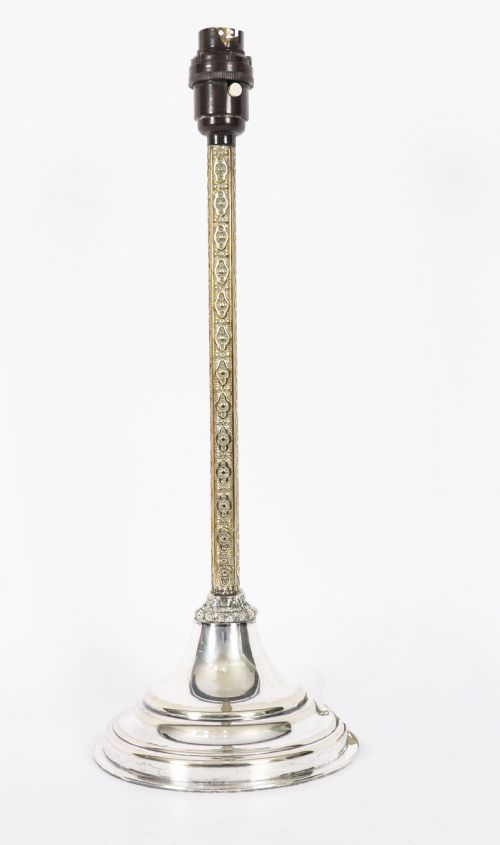
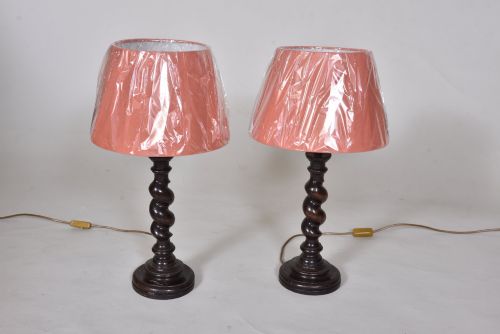
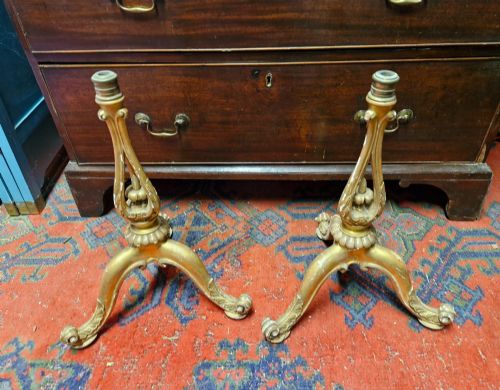
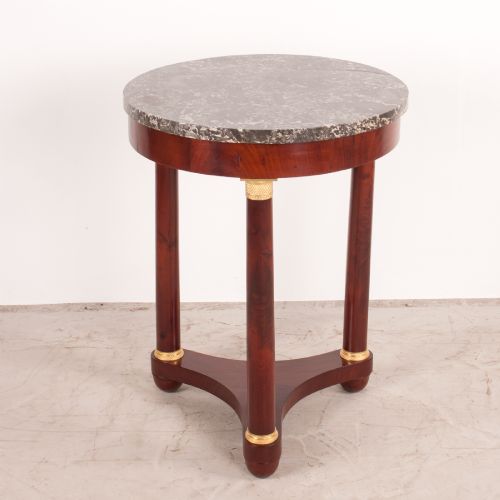
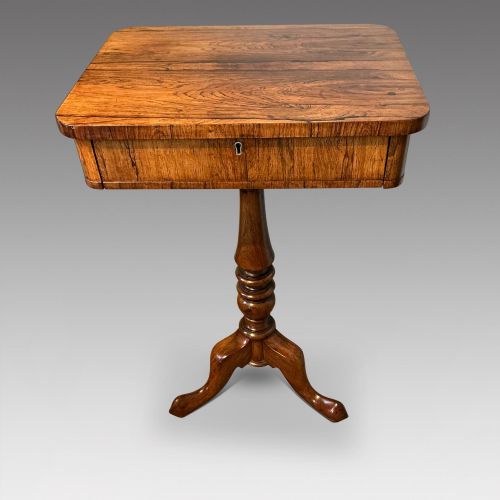
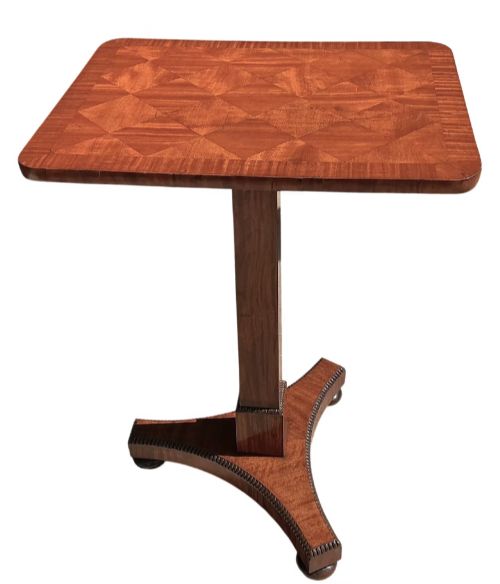
These 19th century lamp base examples bring period character and varied materials from brass and glass to carved wood into a room.
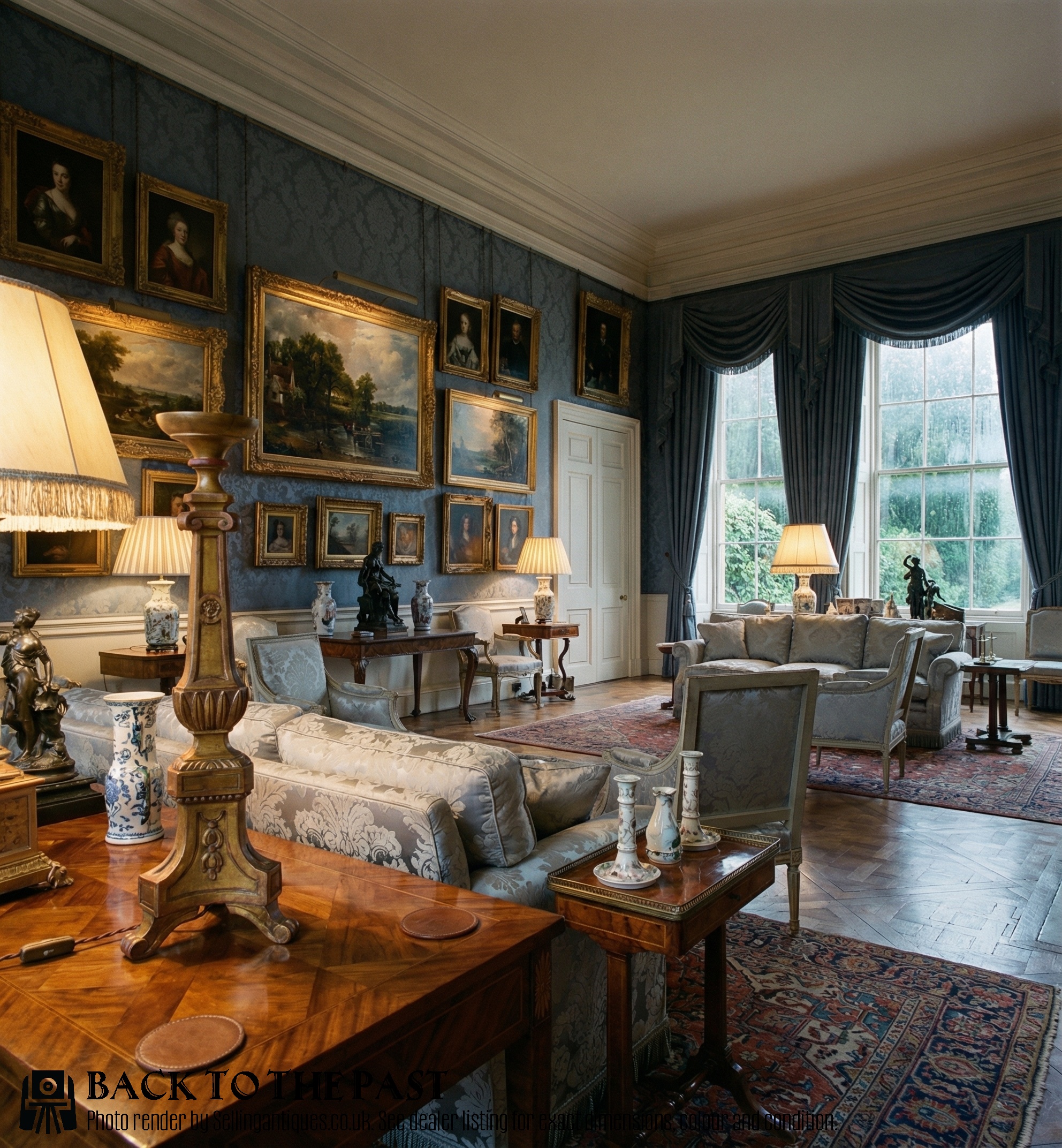
19th Century Lamp Base
A 19th century lamp base bridges functional lighting and period craftsmanship, drawing on forms spanning Regency, Victorian, and William IV eras. Buyers searching for a 19th century lamp base encounter diverse material combinations, including brass columns, opaline glass reservoirs, and carved mahogany supports. Many pieces reflect formal stylistic revivals such as Rococo and Jacobean, alongside international influences like Qing Dynasty ceramics and Grand Tour bronzes.
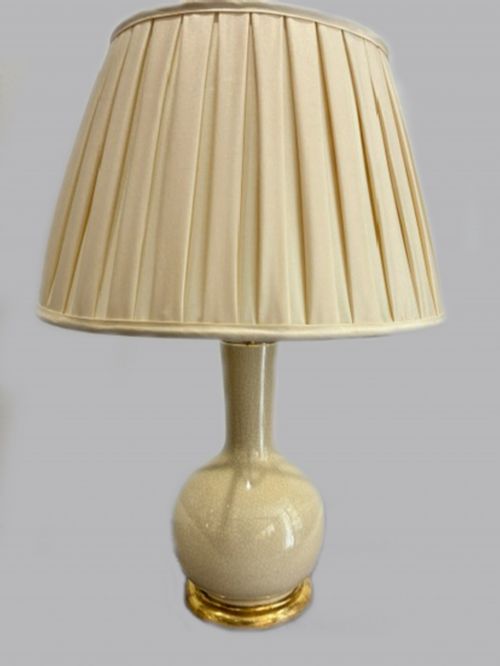
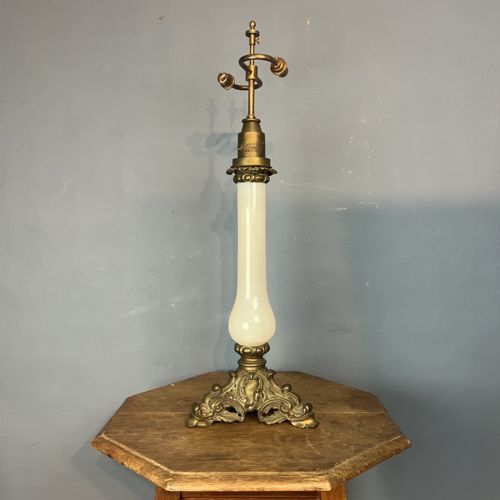
The selection here encompasses converted oil lamps, classical Corinthian columns, and carved wood figures, demonstrating how lighting technology evolved alongside interior taste. Architectural metalwork stands out in silver-plated and gilt bronze formats, while ceramic bodies introduce crackle ware and Delft blue and white designs. These objects function equally as sculptural focal points and practical table lighting within traditional or contemporary interiors.
Materials and construction
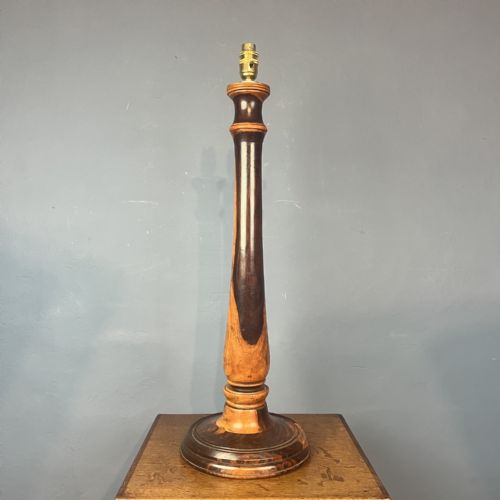
Metals such as brass, silver plate, and gilt bronze provide structural integrity and decorative surface detail, frequently shaped into classical Corinthian columns or gadrooned bases. Wood components utilise dense timbers like mahogany, rosewood, oak, and burr elm, turned or carved to form sturdy pedestals and tripod supports. Glass and porcelain elements introduce translucent colour and painted decoration, incorporating opaline glass, cut glass, and German porcelain.
Assembly techniques combine metal casting, joinery for wooden bases, and secure mounts for glass or ceramic bodies. Many metal components rely on patinated finishes, parcel gilding, and stamped manufacturer marks to denote origin and production quality.
Materials in these listings include brass, mahogany, rosewood, marble, silver plate, glass, gilt bronze, and fabric.
Factors of quality
Superior examples of a 19th century lamp base display crispness in cast metal ornament, refined carving on wooden pedestals, and intact original gilding or silver plating. The weight and stability of the base indicate the grade of materials employed, with heavy brass and dense hardwoods offering better balance.
The integration of components reveals manufacturing standards, visible in the precision of cut glass, the subtlety of painted porcelain, and the presence of authentic maker stamps. Surface preservation, including untouched patination and minimal wear to delicate details, distinguishes finer specimens from standard utility pieces.
Mappin and Webb·Mc Gary·Goldsmiths and Silversmiths Company·Holland and Sons
The 19th Century Lamp Base Glossary
- Corinthian column
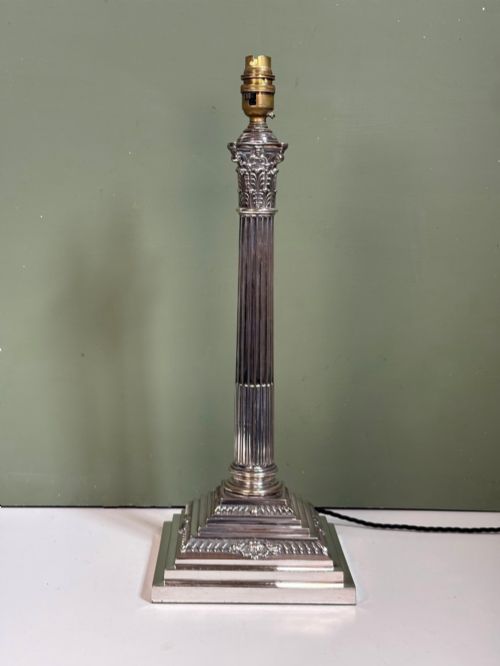
- A classical architectural column form featuring ornate acanthus leaves on the capital, frequently utilised for metal lamp bases. This design references ancient Greek and Roman architecture.
- Gadrooned base
- A decorative rounded moulding carved or cast with radiating curved patterns, often seen on the lower portion of metal or wooden stands. It adds textural depth to classical silhouettes.
- Opaline glass
- A pale, translucent milk glass popular in Victorian manufacturing, used to create softly glowing lamp bodies and reservoirs. It diffuses light evenly.
- Ormolu
- Finely ground high-carat gold mercury-gilded to a bronze object, creating a bright metallic finish. This technique was widely employed in French decorative arts.
- Parcel gilt
- A finishing method where selected portions of an object are covered in gold leaf while other areas remain in their natural metal or wood state. This creates contrast and highlights specific decorative details.
19th Century Lamp Base: Frequently Asked Questions
What periods do these bases cover?
The listings span the 19th century, incorporating specific stylistic movements such as Regency, William IV, and Victorian designs.
Craftsmanship also reflects international influences and revival styles including French Empire and Grand Tour aesthetics.
How were original oil lamps converted?
Many historical lamps transitioned from burning oil to electricity during later rewiring projects, retaining their original metal or ceramic bodies.
Conversions often preserve the burners, reservoirs, and weighted bases while updating the internal wiring for modern use.
Are shades included with the bases?
Some pieces retain handmade or period-appropriate shades, while others consist solely of the structural base.
Buyers frequently pair unshaded bases with custom fabric or glass shades to suit their interior colour scheme.
How do I identify a Corinthian column?
Corinthian columns feature distinctive capitals decorated with carved or cast acanthus leaves and scrolls near the top.
This classical order appears frequently on heavy brass and silver-plated metal lamp shafts from the period.