
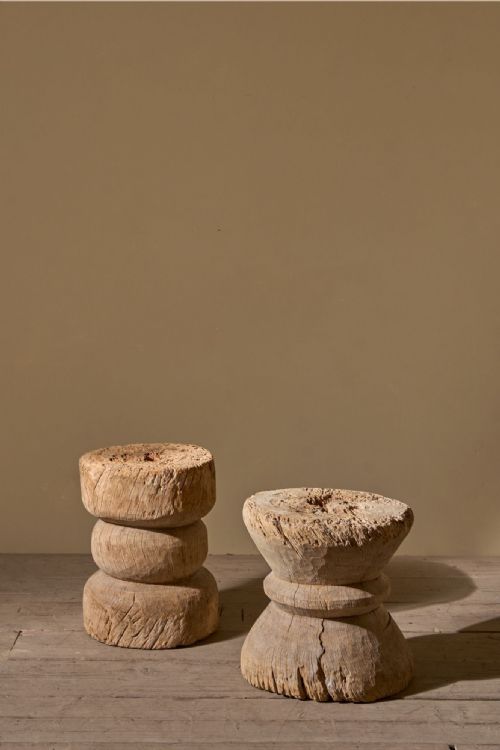
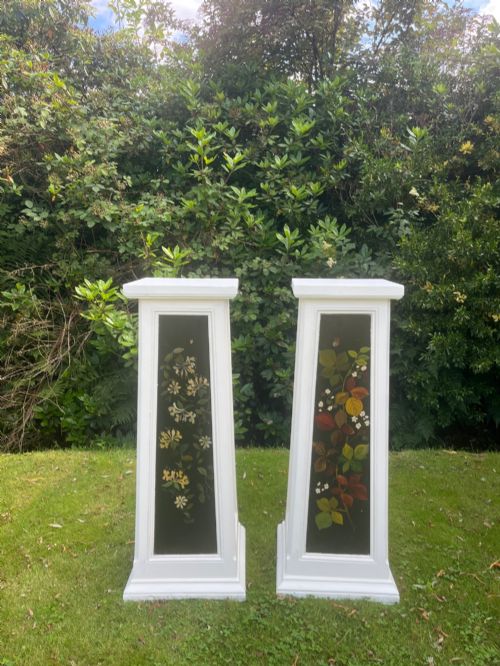
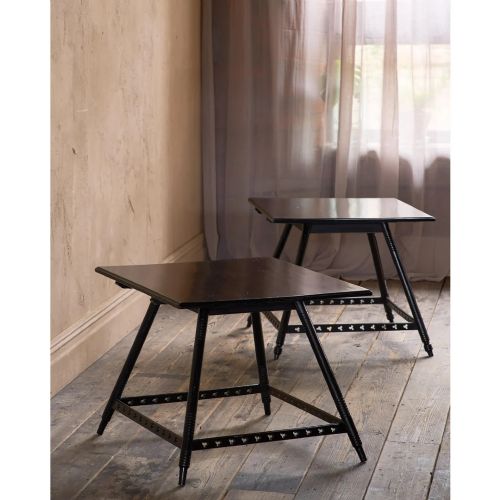
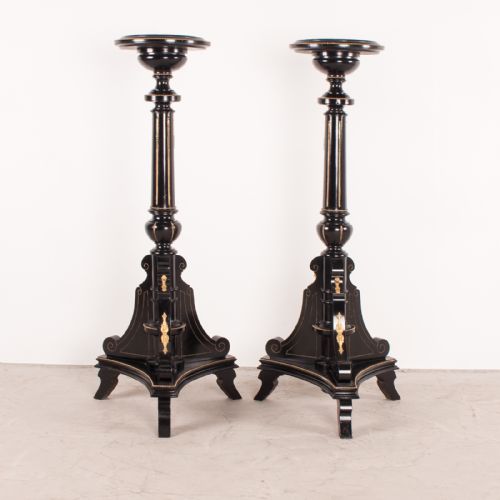


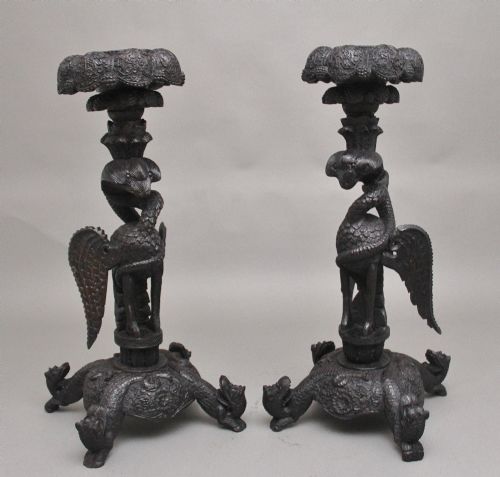
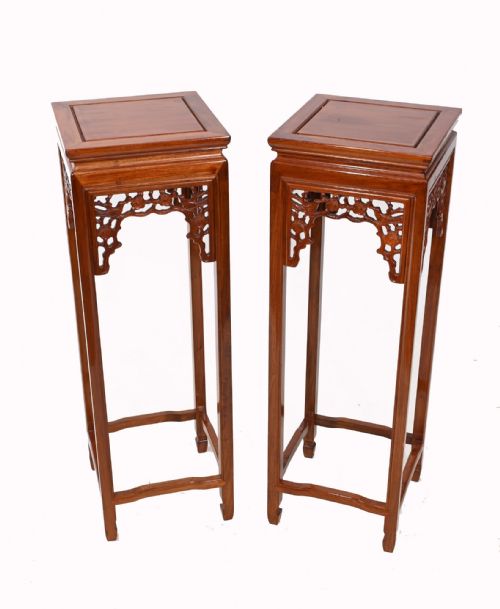
Pair Wooden Plant Stands
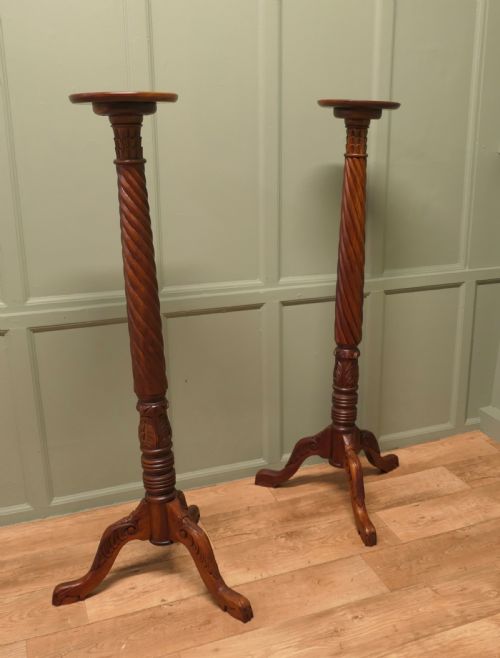
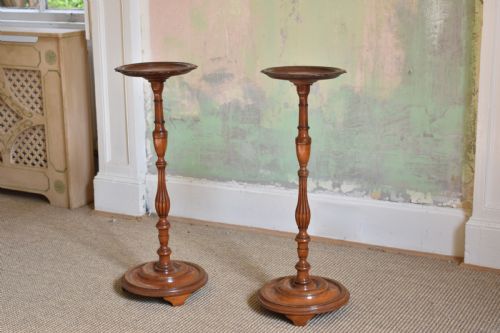
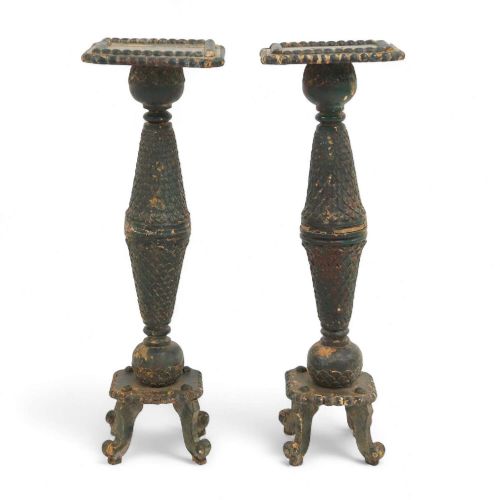
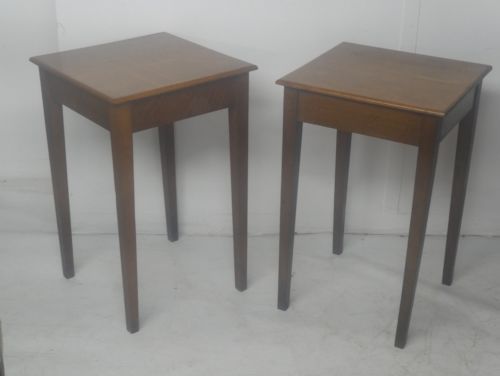
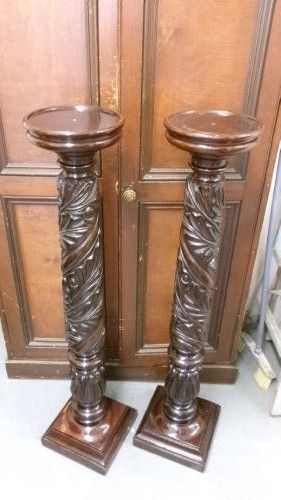
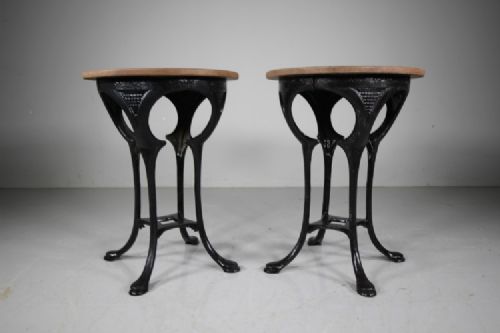
These pair wooden plant stands elevate greenery and display sculpture across periods from the nineteenth century to the twentieth.
Pair Wooden Plant Stands
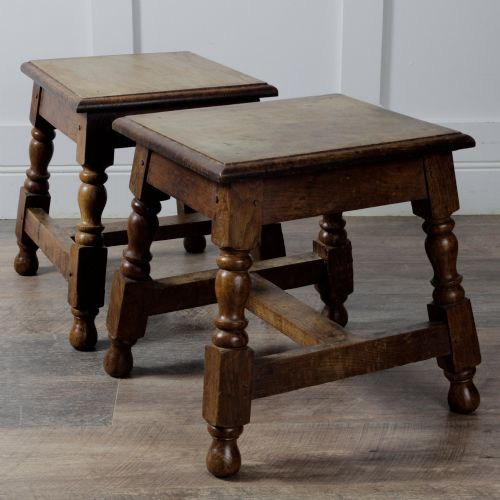
When searching for pair wooden plant stands, buyers encounter tall pedestals, torchieres, and low stools designed to hold urns, jardinieres, and decorative vessels. The selection spans nineteenth-century Victorian pieces alongside Edwardian and 1920s examples.
Most entries function simultaneously as side tables, lamp tables, and display columns. Forms range from hexagonal and octagonal surfaces to carved barrels and classical fluted columns.
Origin points vary widely, covering English country house furniture, Qing dynasty Asian hardwoods, Anglo-Indian carved works, and French painted columns. This variety allows matching with distinct interior schemes.
Materials and construction
Carpenters utilised dense timbers including mahogany, walnut, satinwood, oak, padouk, and ebonised wood to build stable weight-bearing columns. Burr wood accents and marquetry inlay frequently add decorative contrast to primary surfaces.
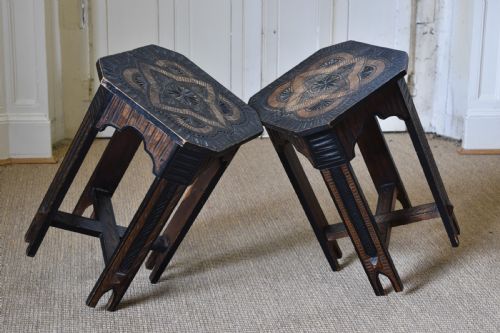
Surface finishes involve clear polish, original green paint, lacquer, and intricate chip carving. Brass mounts and cast iron components appear on select examples to reinforce joints or provide decorative detailing.
Listings feature woods spanning mahogany, satinwood, oak, walnut, and ebonised finishes across the nineteenth and early twentieth centuries.
Evaluating craftsmanship
Superior examples display crisp hand-carving and stable joint construction that safely supports heavy stone or ceramic vessels without wobbling. Timber selection dictates the visual depth, particularly where burr wood or matched grain patterns are employed.
Original painted or lacquered surfaces retain their historic character and pigment integrity. Inferior pieces often suffer from later repainting or structural reinforcement that obscures the original maker's hand.
Liberty and Co·Archibald Knox·Marguerite
The Pair Wooden Plant Stands Glossary
- Torchiere
- A tall stand designed originally to support a torch or candle, later adapted for lamps and urns. These slender pieces elevate display items to eye level.
- Hongmu
- A category of dense Chinese hardwoods prized for deep colour and weight. Artisans use this material for Qing dynasty stands.
- Padouk
- A heavy tropical timber exhibiting reddish brown tones. It withstands carving well and appears frequently in Anglo-Asian furniture.
- Inlay
- The technique of embedding contrasting woods or shell into a primary surface to create decorative motifs. Satinwood and mahogany often receive this treatment.
- Ebonised
- Wood treated with a dark finish to imitate expensive ebony. This technique was popular during the Victorian and Aesthetic Movement periods.
Pair Wooden Plant Stands: Frequently Asked Questions
How do I choose the right height?
Match the height of the stand to the scale of the room and the object placed on top. Taller torchieres suit empty corners, while shorter stools work beside seating.
Consider sightlines in the space so the displayed item sits comfortably relative to surrounding furniture.
Can these hold heavy plants?
Solid hardwood construction provides the necessary stability for substantial ceramic pots and heavy garden urns. Check the base footprint to ensure adequate balance.
Heavier marble or terracotta pots require sturdy four-legged pedestals rather than slender single-column designs.
Where should I place them?
Position stands in hallways, framing doorways, or beside windows to catch natural light. They also fill blank wall spaces effectively.
Keep wooden surfaces away from direct heat sources to prevent timber splitting.
How do I care for the wood?
Dust regularly with a soft, dry cloth to prevent grit accumulation on carved details. Apply a quality wax periodically to nourish historic timber.
Avoid placing damp plant pots directly on antique wood surfaces to prevent water rings.