
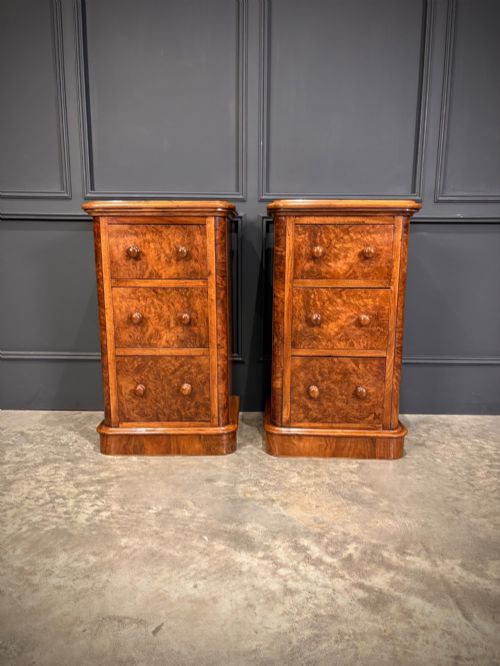

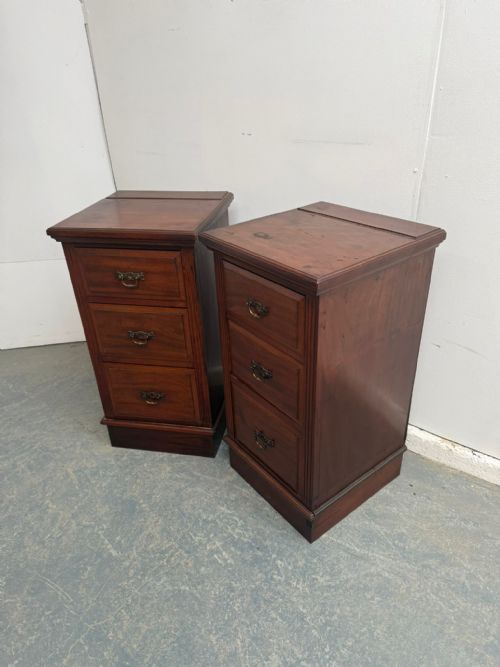
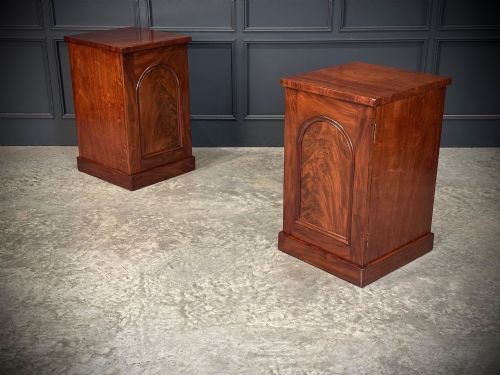
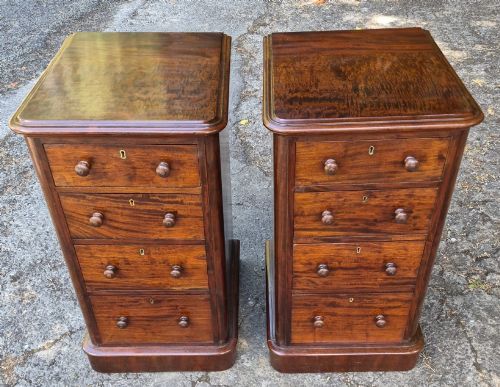
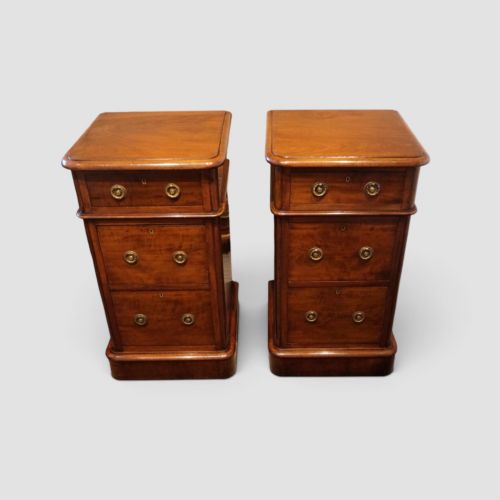
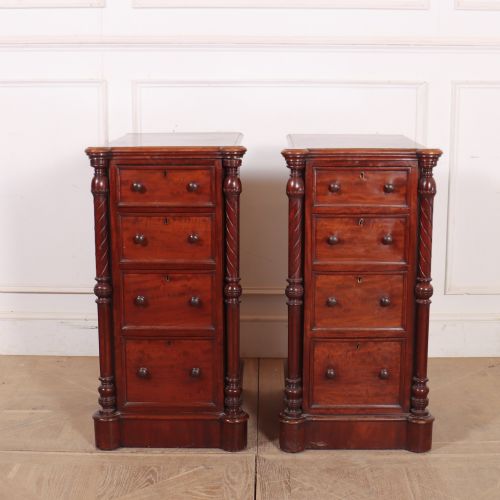
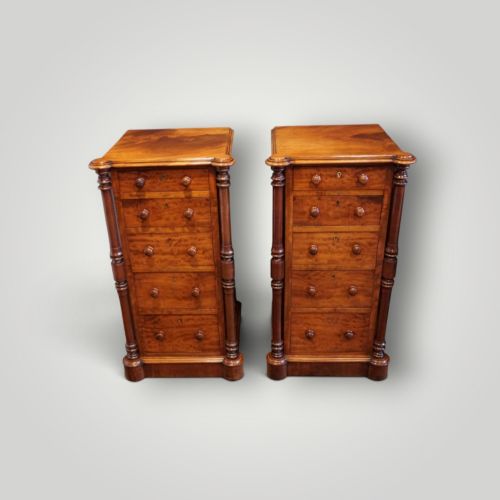
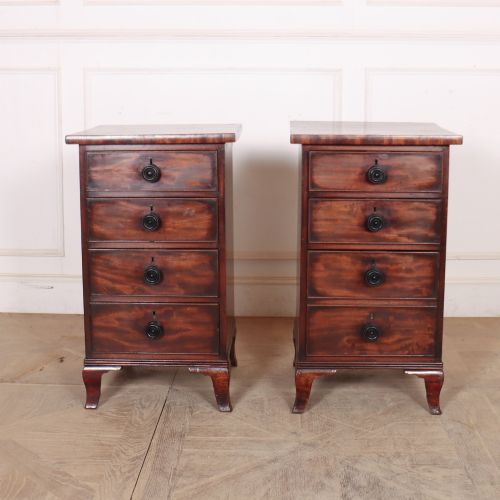
Pair Victorian Nightstands
Pair Victorian nightstands bring matched bedside storage and period character to a bedroom.
Understanding Pair Victorian Nightstands
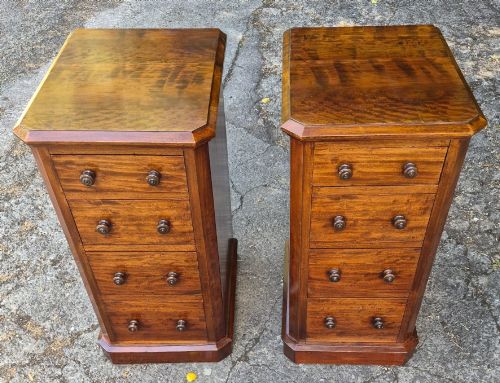
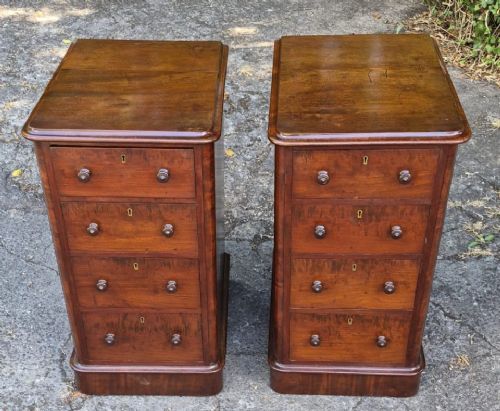
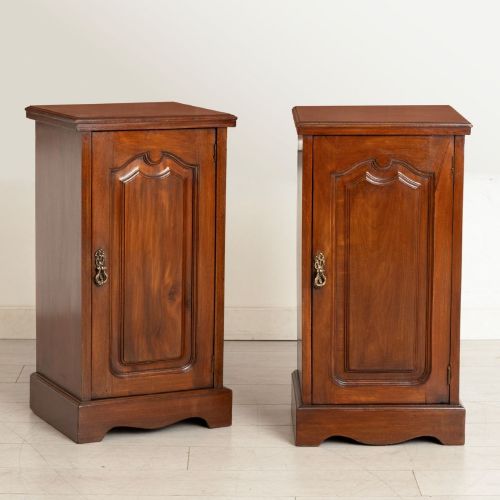
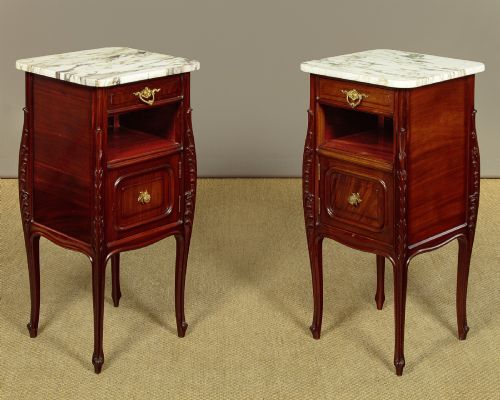
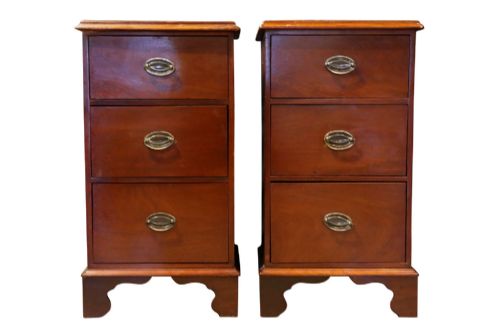
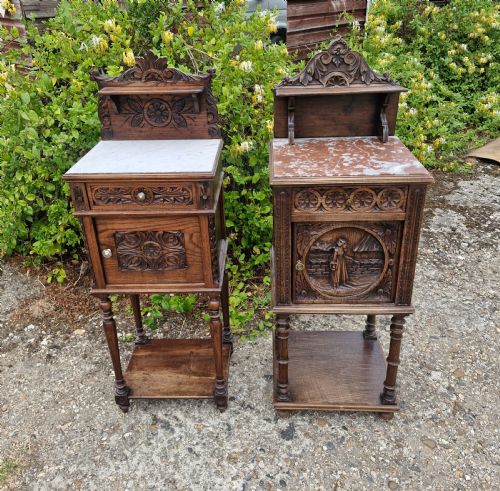
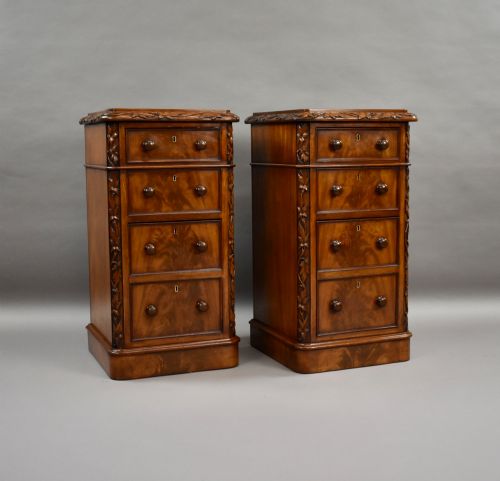
Pair Victorian nightstands comprise matched bedside chests, cabinets, lockers and drawers designed to stand beside a bed. These bedroom pieces appear in forms such as bedside cupboards, bedside chests and four-drawer bedside lockers. They serve as functional storage units that hold nighttime necessities while maintaining symmetry on both sides of a bed.
The versions most commonly met on this page date from the Victorian era, including pieces from eighteen eighty, nineteen hundred, and around eighteen sixty. They span various timber selections and utilitarian configurations built to suit nineteenth century domestic spaces. Each matched pair provides balanced proportions that suit traditional and contemporary bedroom layouts alike.
Materials and Construction
Makers constructed pair Victorian nightstands using solid timbers and applied veneers over secondary woods. Materials recorded in the listings include mahogany, flame mahogany veneer, walnut, satin birch, pine, and brass hardware.
Joinery techniques supported everyday domestic use through fitted drawers, panelled cupboard doors, and carved wooden details. Metal fittings such as brass handles and hinges completed the hardware setup on these bedside cabinets and chests.
Retail Price Guide 2026
Typical UK retail prices for pair victorian nightstands, calculated from the Sellingantiques database of over a million retail prices indexed since 2003. This retail price guide relies exclusively on Sellingantiques data; no external sources or auction records are used, so the figures do not describe the wider market.
Some nineteenth century nightstands secretly housed chamber pots behind doors labelled as mere bookshelves.
Judging Quality
Quality in pair Victorian nightstands rests on timber selection and the harmony of the matched pair. Pieces featuring figured mahogany or satin birch demonstrate superior material choice compared to standard pine versions.
Refined execution shows in crisp carving details, well-fitted drawers, and intact veneer surfaces. The visual balance between both items in the pair determines how successfully they function as a matched set.
The Pair Victorian Nightstands Glossary
- Bedside chest
- A small chest of drawers specifically built in height and width to sit beside a bed. These units provide enclosed storage via multiple drawers.
- Bedside locker
- An alternative nineteenth century term for a bedside cabinet or cupboard. These pieces often feature a panelled door enclosing shelf space.
- Flame mahogany veneer
- A thin slice of mahogany timber displaying a distinctive flickering flame grain pattern. Cabinet makers applied this over a stable wood base for decorative effect.
- Satin birch
- A pale, golden hardwood with a lustrous, silky sheen used for Victorian furniture. It offers a lighter aesthetic alternative to darker timbers like walnut.
- Victorian
- The period spanning the reign of Queen Victoria from eighteen thirty seven to nineteen zero one. Furniture from this era encompasses various revivals and utilitarian designs.
Frequently Asked Questions
How were pair Victorian nightstands used?
Bedside units held chamber pots, water jugs, and personal items before modern plumbing reached the bedroom. Enclosed cupboards and drawers kept private items out of sight.
Today they function as bedside tables supporting lamps, books, and modern nighttime necessities while preserving bedroom symmetry.
What woods were used for pair Victorian nightstands?
Makers utilised a variety of native and imported hardwoods and softwoods. Mahogany and walnut appear frequently, sometimes enhanced with flame mahogany veneer.
Other examples employ satin birch for a lighter appearance or pine for utilitarian domestic storage.
How do I tell Victorian nightstands apart from later pieces?
Victorian pieces display nineteenth century construction methods, traditional timber choices, and period hardware like brass handles. Lockers and chests from this era show hand-cut joinery details.
Materials such as solid mahogany, walnut, and satin birch help identify genuine nineteenth century manufacture compared to modern reproductions.
How do I care for antique bedside cabinets?
Protect wood surfaces by keeping pieces away from direct heat sources and strong sunlight. Regular dusting with a soft, dry cloth preserves the polished finish.
Avoid excessive moisture and use coasters to prevent water rings on the top surfaces of mahogany and walnut tables.