




Victorian Satin Birch Furniture
Victorian satin birch furniture brings a pale, luminous warmth to period rooms through finely figured timber and robust nineteenth-century craftsmanship.
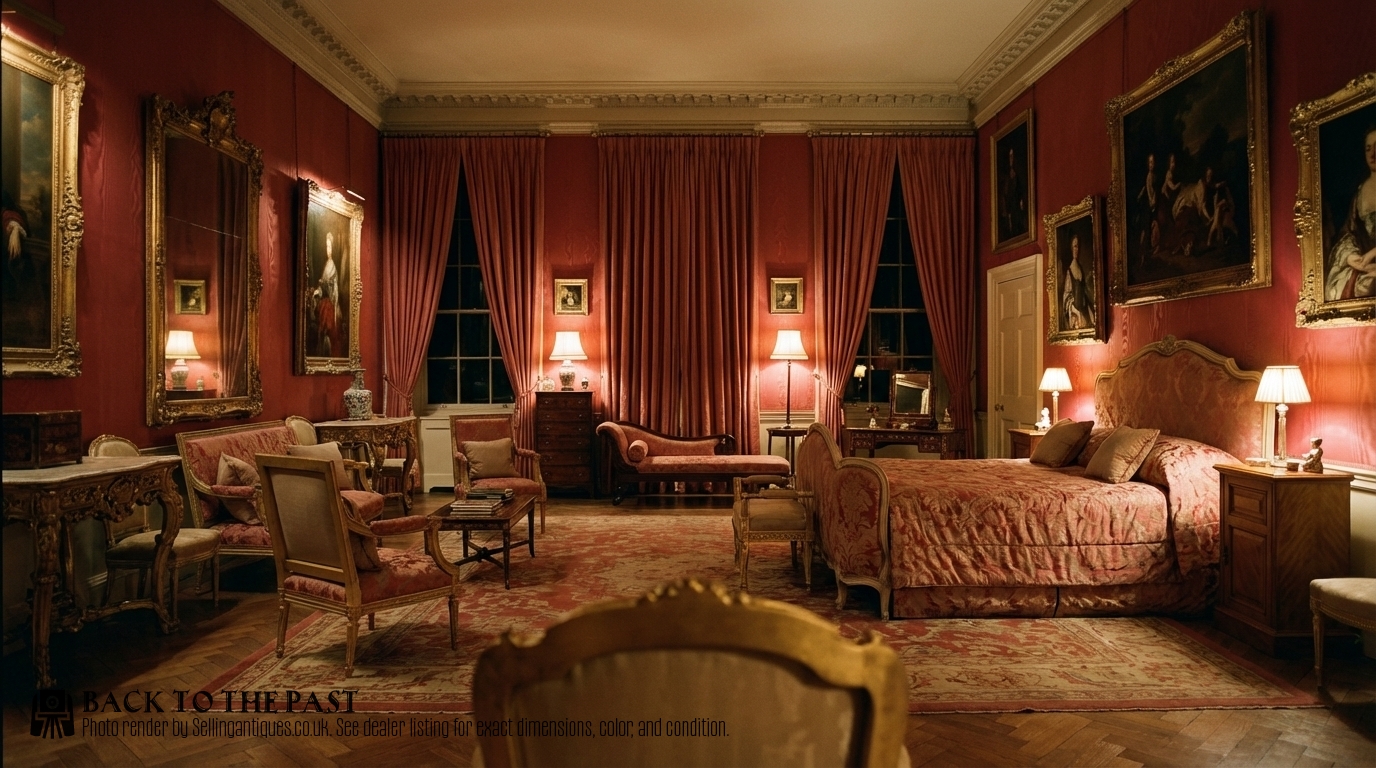
Victorian Satin Birch Furniture
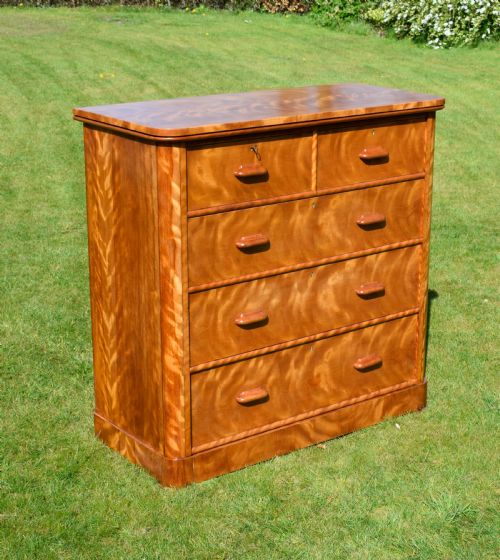
Victorian satin birch furniture comprises a range of bedroom and living pieces created during the nineteenth century, particularly from the eighteen sixties to the nineteen hundreds. Buyers searching for victorian satin birch furniture encounter practical forms designed for domestic utility, including chests of drawers, writing desks, and bedside cabinets.
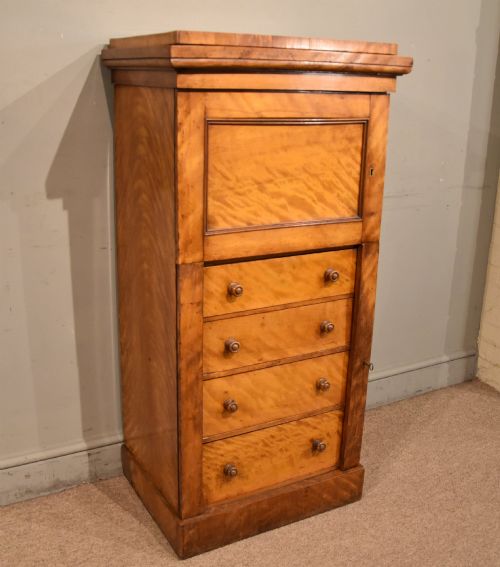
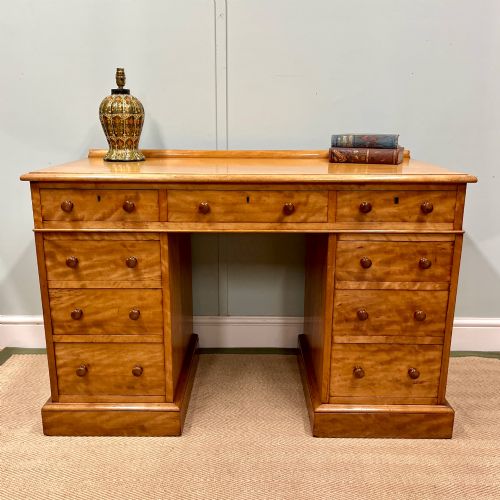
The pieces on this page span the Victorian era, embracing styles such as Victorian Gothic Revival and the Aesthetic Movement. Smaller items like wall shelves and washstands appear alongside substantial pedestal desks and Wellington chests.
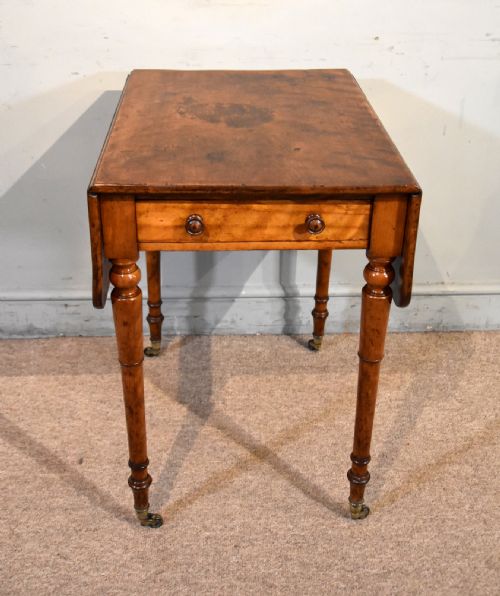
Makers of the period utilised the distinct blonde grain of the timber to create striking contrast against darker woods or to stand alone in polished splendor. Each piece reflects the functional domestic requirements of its decade, from dressing chests with candle sconces to Pembroke tables.
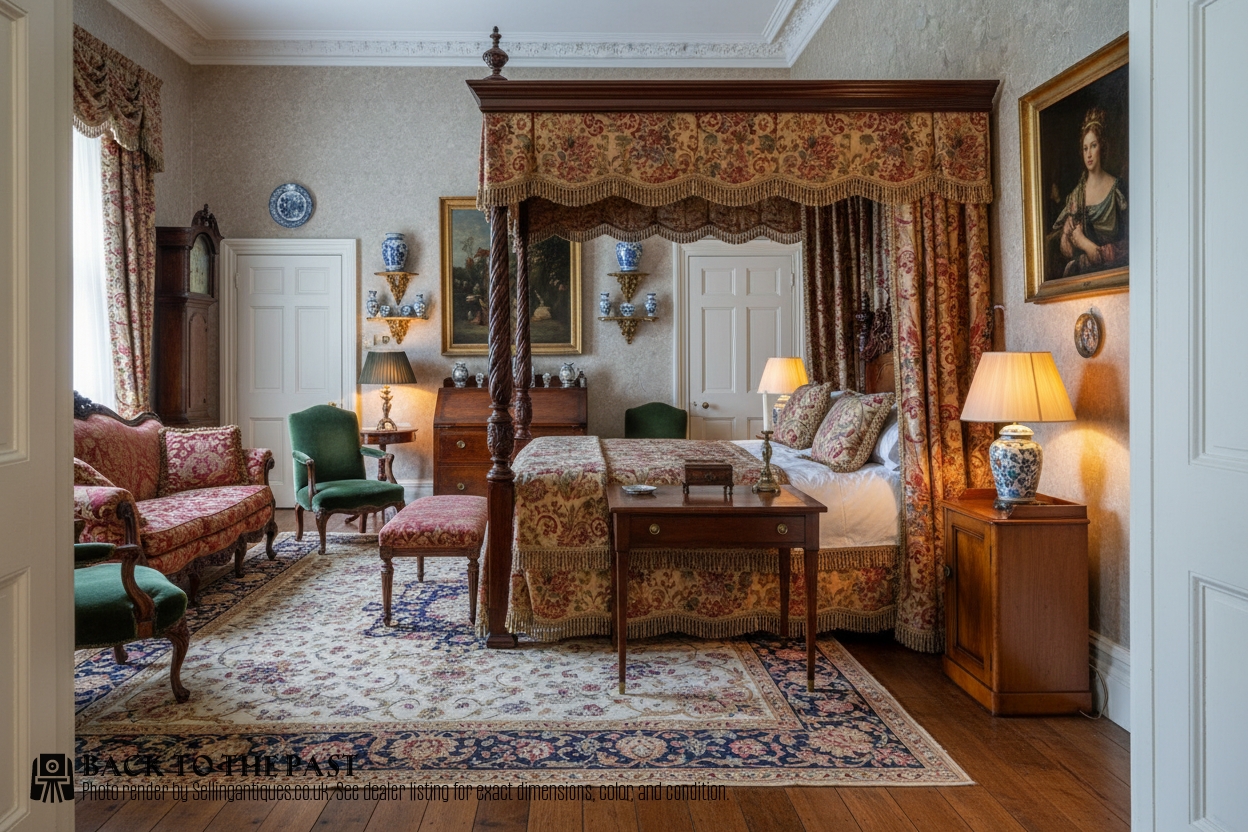
Materials and construction methods
Makers constructed these pieces primarily using solid birch and satin birch veneers, occasionally incorporating secondary woods such as pine for internal framing and drawer linings. Brass hardware, glass elements, and leather writing inserts frequently complete the composition of desks and tables.
The timber selection prioritises the shimmering, satin-like figure of the birch, which cabinet makers applied carefully to primary surfaces. Structural integrity relies on traditional nineteenth-century joinery techniques, ensuring the durability seen in surviving pedestals and cabinets.
Victorian Satin Birch Furniture Retail Price Guide 2026
Typical asking prices for victorian satin birch furniture among the pieces listed under this phrase on Sellingantiques today, from the lower quarter to the upper quarter. They describe what is for sale here now, not the wider market.
Listings feature periods from eighteen sixty to nineteen hundred, showcasing materials like satin birch, brass, and leather across diverse forms.
Distinctions in quality
The quality of these items rests primarily on the grain figure of the satin birch and the precision of the cabinet maker's joinery. Superior examples exhibit exceptionally well-matched veneer patterns across drawer fronts and primary panels, whereas simpler items rely on plain timber surfaces.
Maker attribution elevates certain pieces, with workshop signatures and established firm markers indicating higher standards of design and execution. The sophistication of structural details, such as integrated brass fittings and secondary wood selection, further separates standard domestic output from high-status commissions.
Johnstone and Jeanes·Heal and Son·J Shoolbred·Howard and Sons
The Victorian Satin Birch Furniture Glossary
- Satin birch
- A timber derived from the birch tree featuring a lustrous, light golden figure resembling satin. Cabinet makers prized this wood for its reflective qualities throughout the nineteenth century.
- Wellington chest
- A tall, narrow chest of drawers secured by a locking hinged vertical side flap. This form gained popularity during the Victorian period for holding papers or linen.
- Pembroke table
- A small table with hinged drop leaves on two opposing sides. These versatile tables often featured a single drawer and slender legs.
- Aesthetic Movement
- A late nineteenth-century design style emphasising visual beauty over narrative subject matter. Furniture in this style often showcased clean lines and honest construction.
- Pedestal desk
- A large freestanding writing desk supported by two supporting pedestals containing drawers. They provide substantial workspace and storage.
Victorian Satin Birch Furniture: Frequently Asked Questions
What is satin birch?
Satin birch is a dense hardwood selected for its pale, glowing grain pattern that catches light distinctively. It was widely utilised by nineteenth-century cabinet makers for bedroom and library furniture.
Unlike darker mahoganies or walnuts, this timber brings brightness to interior spaces while maintaining formal Victorian proportions and utility.
How do I care for satin birch?
Maintenance involves dusting with a soft, dry cloth and avoiding direct sunlight to preserve the pale tone of the timber. Periodic application of appropriate wax feeds the wood without building up heavy residues.
Keep these pieces away from excessive heat sources and damp environments to protect the historic veneer and timber joints.
How are these desks used today?
Nineteenth-century writing tables and pedestal desks serve effectively as functional workspaces in modern studies and home offices. Their compact proportions often suit contemporary room dimensions better than massive modern desks.
Writing surfaces inset with leather provide durable areas for daily tasks while retaining period character.
What distinguishes late Victorian pieces?
Late Victorian items often reflect lighter aesthetic influences, moving away from heavy ornamentation towards simpler, refined forms. Pieces from this period can incorporate Aesthetic Movement ideals or simpler utility designs.
Construction methods remain robust, but the decorative vocabulary shifts to emphasise natural wood figures and restrained proportions.