

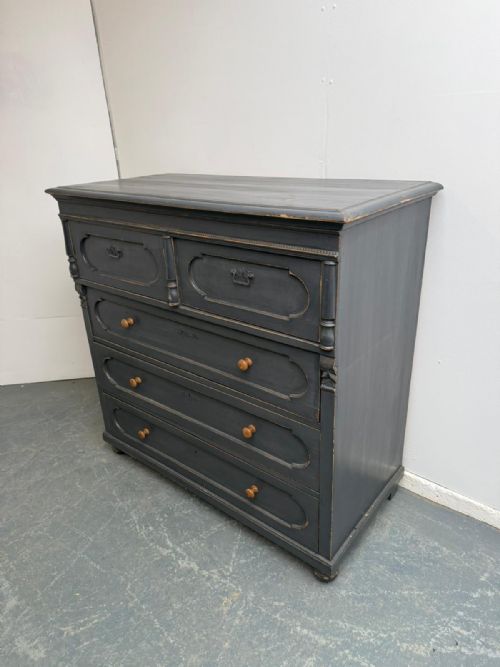


Victorian Five Drawer Chest
A victorian five drawer chest offers the storage and presence that modern utility furniture simply cannot match.
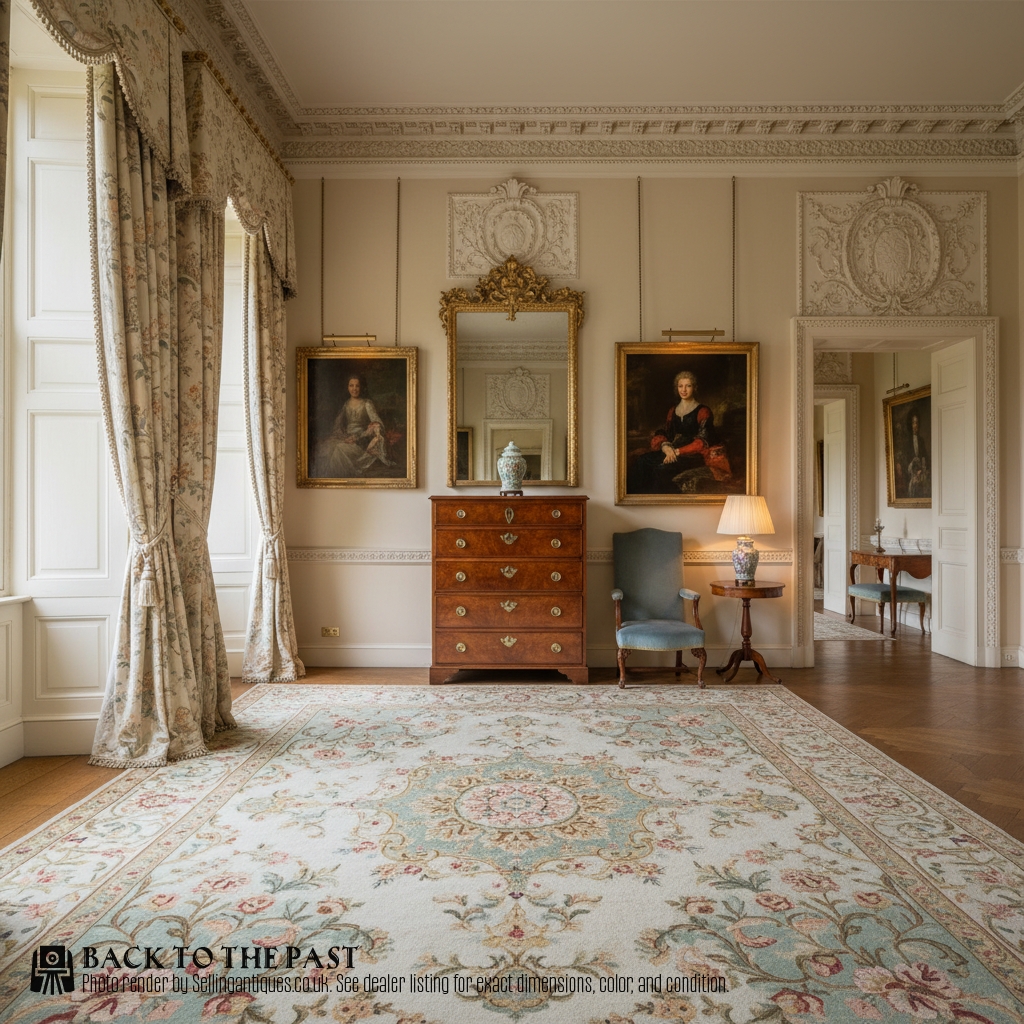
Victorian Five Drawer Chest
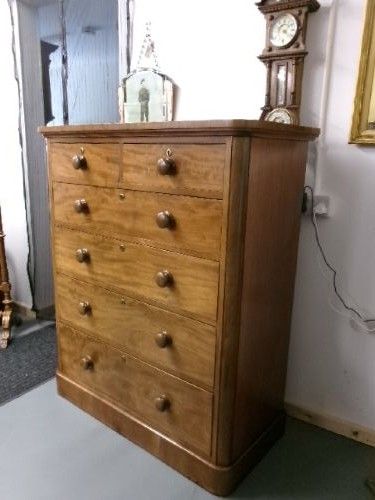
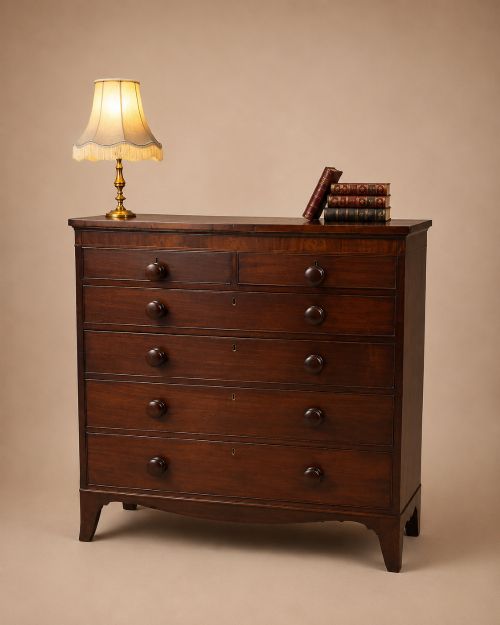
A victorian five drawer chest is a substantial domestic storage piece designed to hold clothing and household linens. Most examples encountered here present a vertical arrangement of five graduating drawers, often referred to in period terms as five height chests or tallboys.
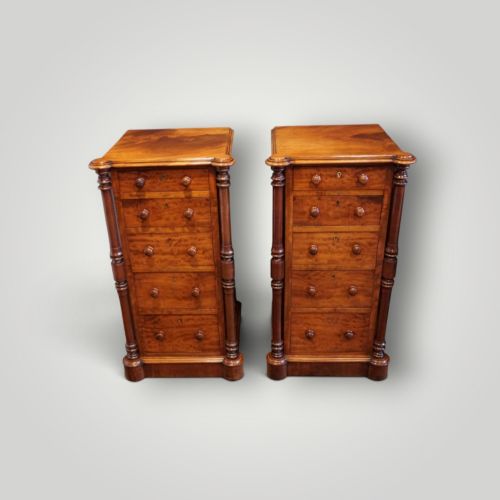
The materials span mahogany, walnut, satin birch, ash, and pine, reflecting both formal parlour tastes and simpler country workshops. Alongside standard bedroom chests, the evidence includes bedside variants, collectors cabinets, and spice boxes sharing similar drawer configurations.
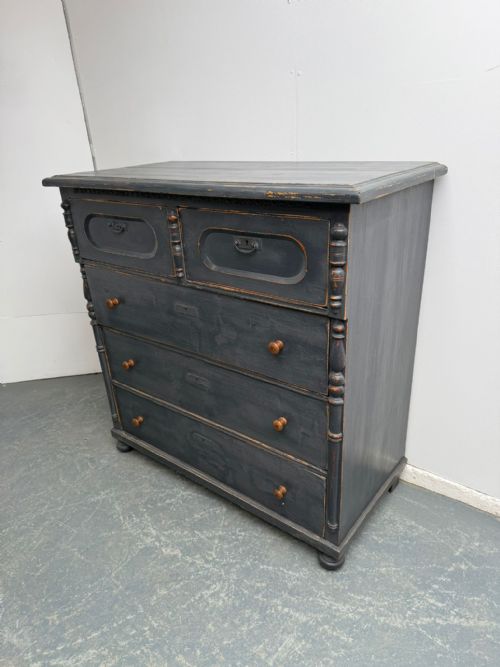
Origins range across the nineteenth century, taking in early Victorian, mid-Victorian, and late Victorian periods, alongside country interpretations styled with painted or waxed finishes.
What varies in quality
The hierarchy of quality rests primarily on the choice of timber and the precision of the cabinet work. Dense flame mahogany and figured walnut set the upper tier, whereas secondary pine examples lean on surface finishes like deep wax or period paint.
Construction subtleties dictate durability, notably how smoothly the five drawers run within their housing and whether secondary woods are used faithfully for internal linings.
One towering pine chest arrives equipped with a remarkably deep blanket drawer at the base, built for serious winter bedding.
Warings Liverpool·Harris Lebus
The Victorian Five Drawer Chest Glossary
- Tallboy
- A tall chest of drawers, often constructed in two sections, rising higher than a standard dressing chest to maximise vertical storage.
- Flame mahogany
- A veneer sliced from the point where branches join the main tree trunk, producing a distinctive flickering flame pattern across the drawer fronts.
- Wellington chest
- A tall, slender chest secured by a hinged locking stile on one side that fastens over the drawer edges.
- Blanket drawer
- An exceptionally deep bottom drawer designed originally for bulky linens and heavy bedding.
- Ebonised
- Timber treated with a chemical stain or dark finish to imitate expensive ebony.
Victorian Five Drawer Chest: Frequently Asked Questions
How do I date a five drawer chest?
Dating relies on timber choices, handle styles, and construction methods characteristic of the nineteenth century. Early pieces often display finer mahogany veneers, while later examples incorporate walnut or ash.
Secondary woods and drawer linings also shift across the decades, moving from solid hardwoods to pine carcases as regional workshops adapted to changing industrial supply chains.
What is a Wellington chest?
A Wellington chest is a tall, narrow variation distinguished by a vertical locking bar on the right side. This locking stile fastens with a key to secure all five drawers simultaneously.
Originating in the mid-nineteenth century, this compact form allowed gentlemen to lock away valuables or private journals securely within a bedchamber.
How do I care for a waxed pine chest?
Pine pieces finished with wax require minimal upkeep beyond occasional dusting with a dry, soft cloth. Avoid placing them near direct heat sources that might dry out the softwood.
Applying a traditional beeswax formulation once or twice a year helps maintain the lustre and protects the porous surface from everyday wear.
Are walnut and mahogany chests cared for differently?
Both hardwoods benefit from stable indoor environments away from direct sunlight, which can fade rich tones over time. Regular dusting prevents particulate buildup in the carved details and around drawer pulls.
Period finishes respond well to microcrystalline wax rather than silicone sprays, preserving the original patina without sealing moisture into the grain.