

Pair Table Urns
These pair table urns unite classical proportion with ornamental grace, offering symmetrical presence for mantelpieces and side tables alike.
Pair Table Urns
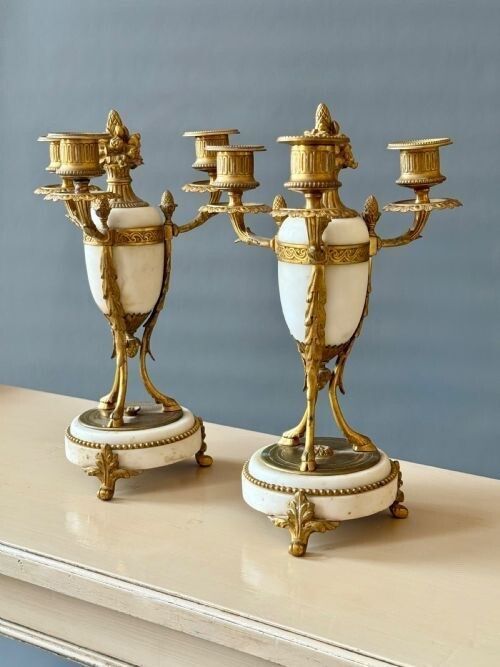
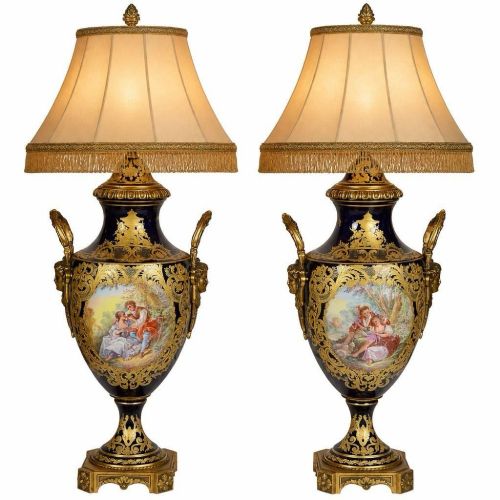
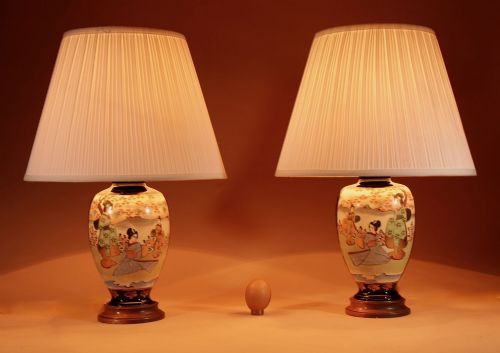
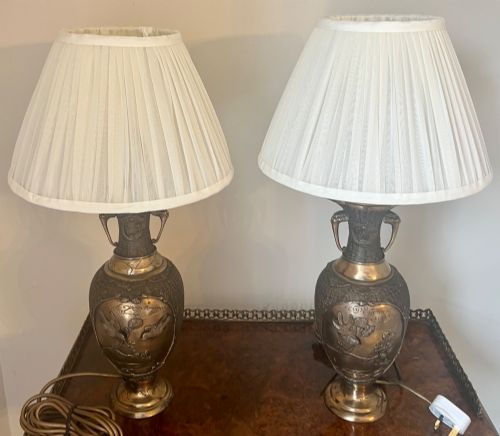
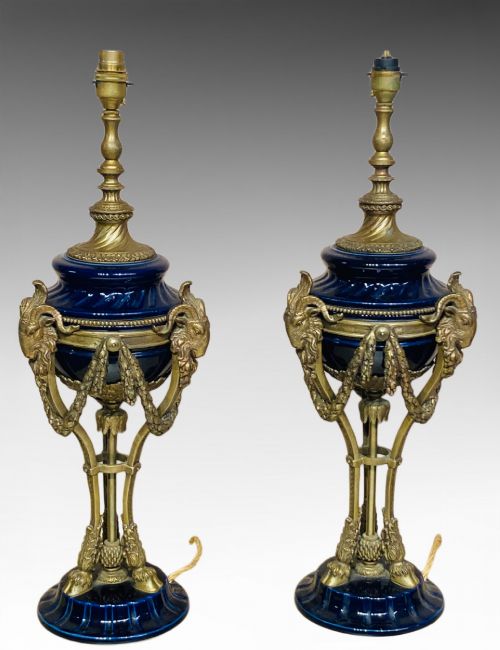
When you search for pair table urns, you encounter decorative vessel forms derived from classical antiquity, frequently adapted into lamps or stands. The evidence shows these pieces span the nineteenth century into the early twentieth century, drawing on Regency, Victorian, Louis XVI, and Meiji period aesthetics.
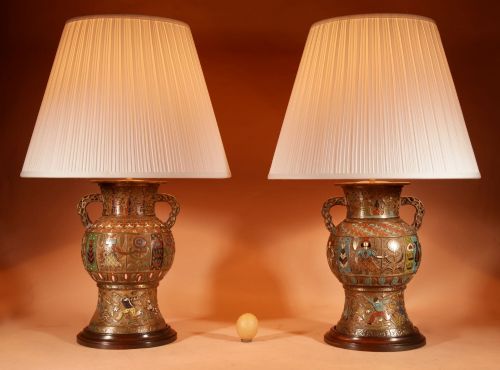
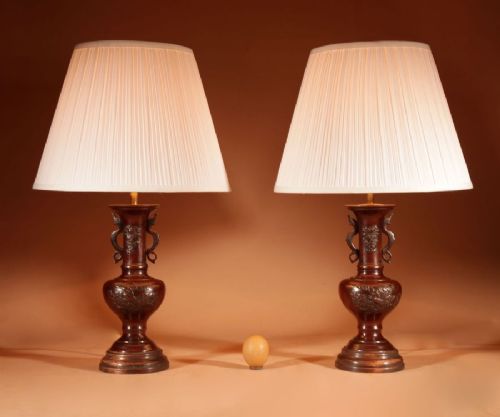
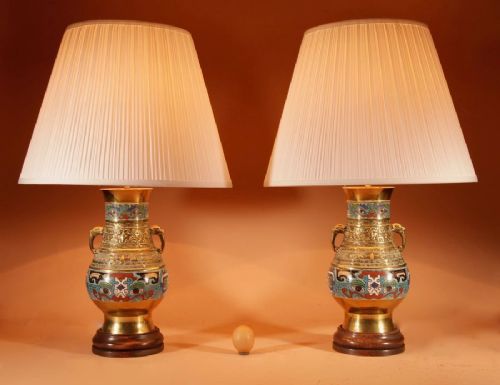
You are most likely to meet French and Japanese examples on this page, rendered in marble, bronze, or brass, alongside carved wooden stands and ceramic bodies. Many items originate from nineteenth-century workshops inspired by earlier classical or Asian designs.
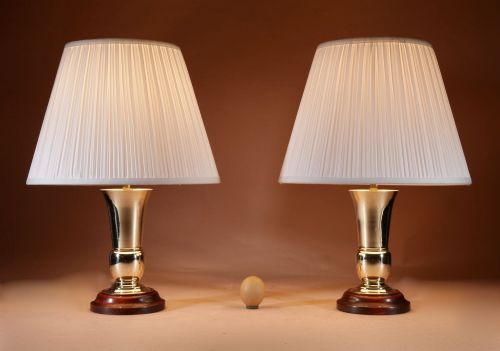
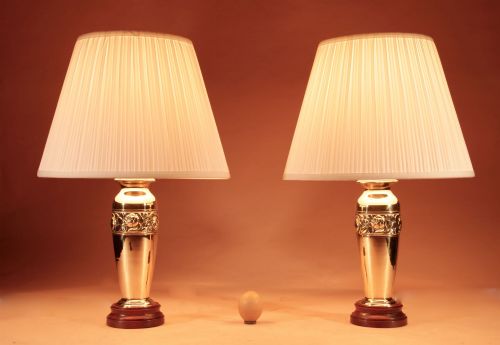
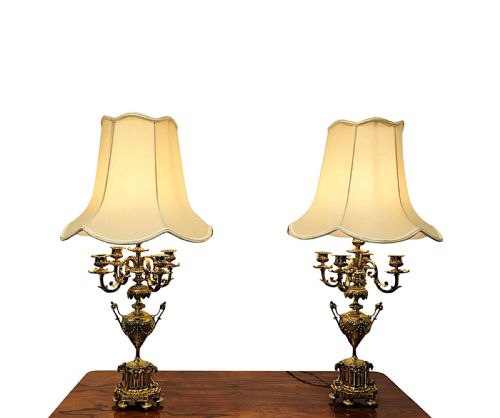
The category encompasses both functional lighting, such as urn-shaped table lamps and candelabra, and decorative garnitures or stands designed to display other objects symmetrically.
How they were made
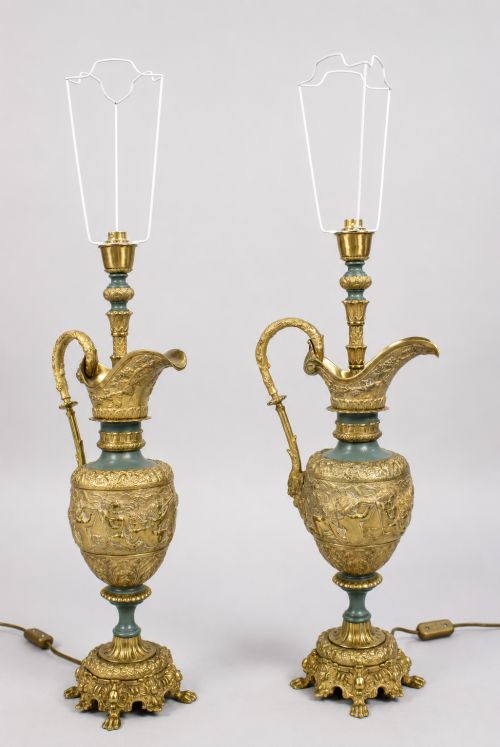
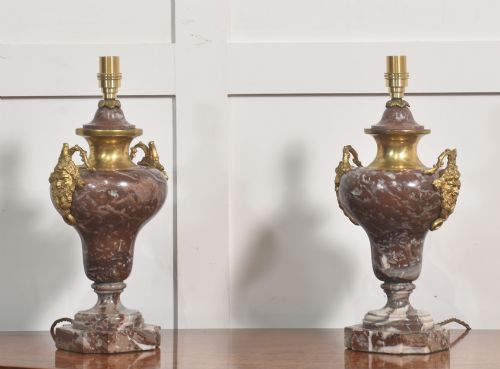
The construction of pair table urns combines metalcasting, stone-cutting, and wood-carving techniques, often utilising ormolu mounts to embellish marble or porcelain bodies. Artisans cast bronze and brass components before applying gilding, patination, or silver plating to achieve finished decorative surfaces.
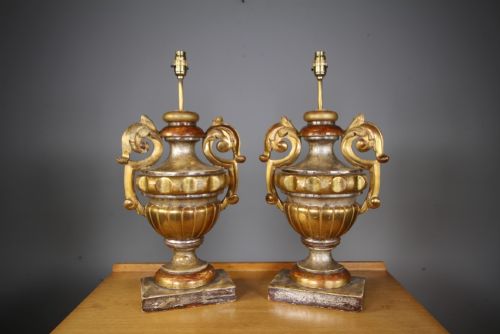
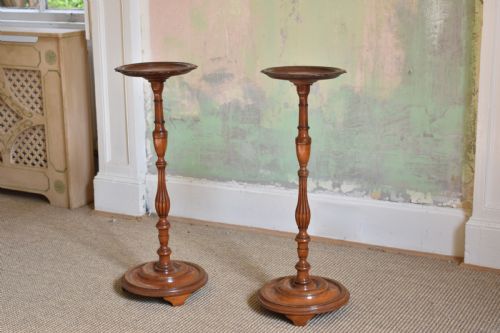
Marble and hardstones are turned and polished to form the main bodies of the urns, while woodworkers carve mahogany, satinwood, and Chinese hardwoods for associated stands and tables. Many examples incorporate intricate champlevé enamel or hand-painted ceramic details reflecting specific period traditions like Satsuma and Sevres.
Materials documented across these listings include marble, bronze, brass, ormolu, fabric, and various hardwoods.
What varies in quality
The refinement of the casting and carving distinguishes finer pair table urns from simpler productions, with crisp detail in ormolu mounts and naturalistic depth in carved foliage. Superior examples display thoughtful integration between original urn bodies and subsequent nineteenth-century adaptations.
The choice of materials dictates the upper tier of the range, where richly figured rouge marble, heavy cast bronze, and select hardwoods elevate the piece. Balanced proportions and harmonious matching within the pair demonstrate the original maker's skill and subsequent preservation.
Hicks and Meigh·Royal Worcester·Bruce and Burns
The Pair Table Urns Glossary
- Ormolu
- Gilded bronze applied as a decorative mount to furniture, clocks, and urns. This technique became prominent in French neoclassical design.
- Cassolette
- A dual-purpose vessel functioning as a perfume burner or a vase, often featuring a reversible lid. These frequently appear in neoclassical and Louis XVI style interiors.
- Garniture
- A set of three or more matching decorative objects, typically comprising a central urn flanked by vases, candelabras, or clocks. They provide symmetrical display on mantelpieces.
- Champlevé
- An enamelling technique where troughs are dug into a metal surface and filled with vitreous paste before firing. Japanese and European makers utilised this method on brass bases.
Pair Table Urns: Frequently Asked Questions
What were pair table urns used for?
Originally serving as classical decorative vessels, urns often functioned as garnitures on mantelpieces or were adapted to hold flowers and aromatics in formal rooms.
Over time, many pairs underwent conversion into table lamps or served as ornamental focal points on pedestals and occasional tables.
How do I date these urns?
Dating relies on identifying stylistic markers such as Neoclassical or Louis XVI revival motifs, alongside material traits like nineteenth-century ormolu mounts and hand-finished marble.
Examining construction methods and the integration of later electrical wiring helps distinguish nineteenth-century production from twentieth-century revivals.
Are these pieces matching pairs?
The inventory includes both original matched pairs created together and matched pairs assembled later by makers based on complementary size and style.
Subtle variations in patina, carving depth, or marble veining often indicate the distinction between factory-matched sets and later groupings.
How should I place them in a room?
Their symmetrical nature makes pair table urns ideal for balancing mantelpieces, flanking mirrors, or sitting atop matching hardwood occasional tables and stands.
Placing them on suitable surface heights allows the detailed ormolu mounts and patinated bronze or marble to catch ambient light.