

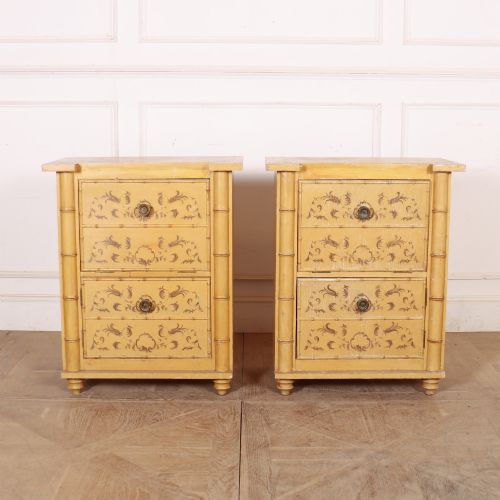


Pair Painted Nightstands
Pair painted nightstands bring symmetry and decorative charm to a bedroom, offering surface space and concealed storage shaped by continental and domestic traditions.
Pair Painted Nightstands
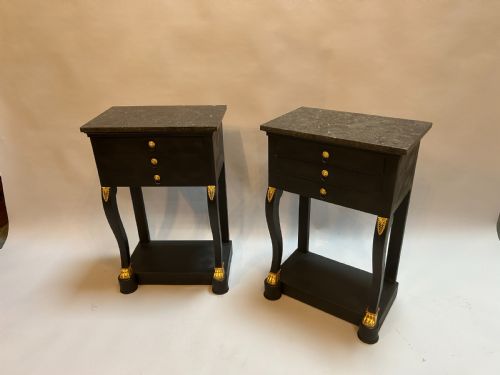
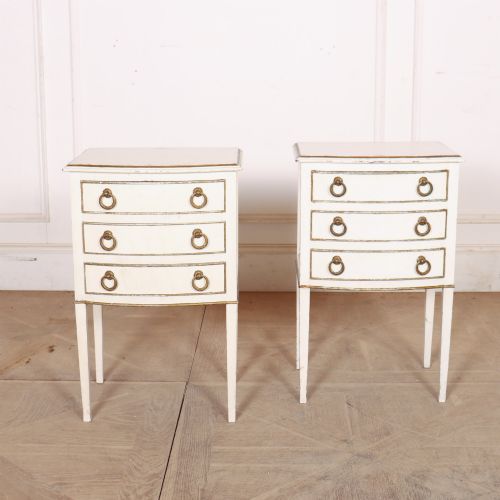
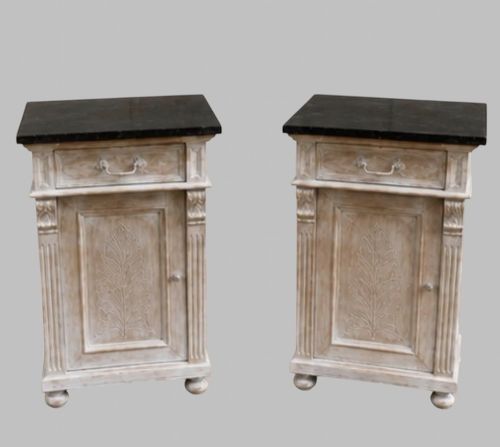
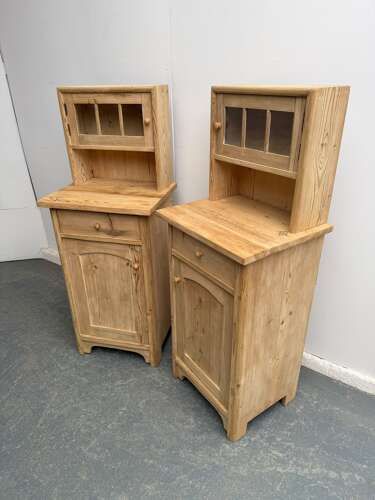
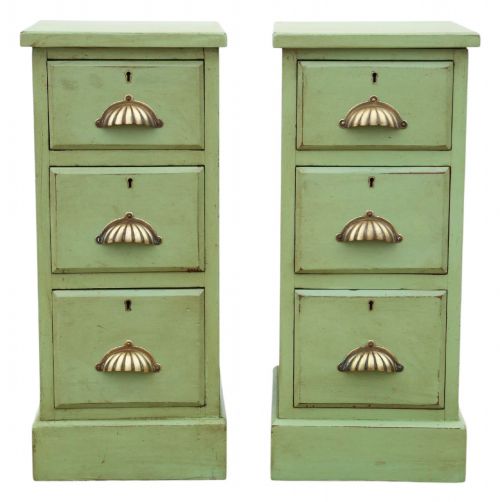
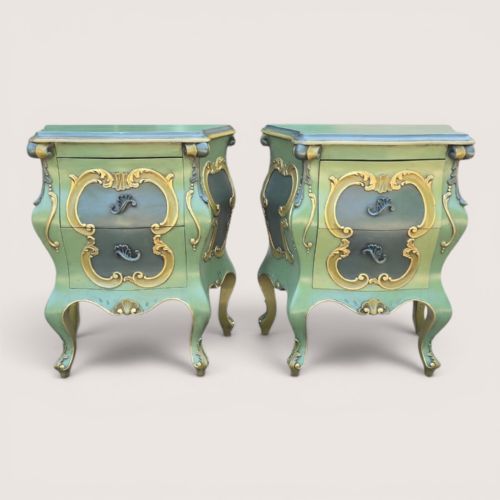
When you search for pair painted nightstands, you encounter matching sets of bedside storage designed to sit symmetrically beside a bed. The pieces span periods from the nineteenth century through the early decades of the twentieth century, with strong representation from French and Swedish workshops.
The forms on this page include bedside cabinets, commodes, chests of drawers, and lamp tables. Many reflect continental styles such as Gustavian, French Chateau, and Louis XV Revival, alongside English country pieces.
Materials and construction
Makers utilised timber such as pine, oak, and satinwood as the primary carcase materials, often combining hardwoods and softwoods within a single piece. Surfaces received layers of paint, sometimes finished with gilding or decorative motifs.
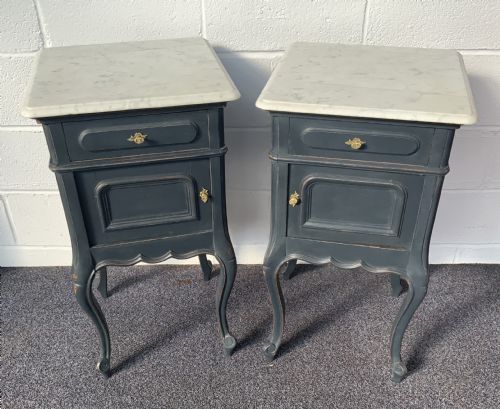
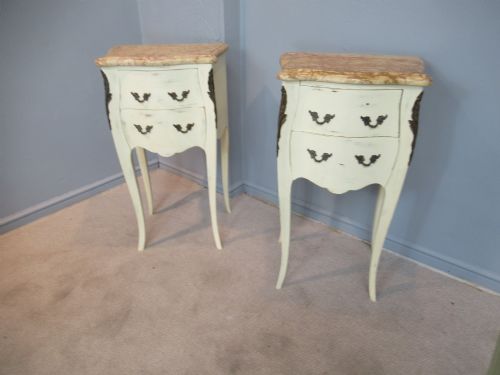
Some pieces incorporate additional materials like marble tops, brass fittings, and metal hardware to add durability and contrast to the painted wooden structures.
Some nineteenth-century makers applied clever faux bamboo paint effects to ordinary pine, proving that timber could dress up in costume.
Evaluating craftsmanship and finish
The distinction between tiers rests upon the execution of the painted finish and the integrity of the joinery in the drawers and carcase. Hand-mixed paint applications and subtle decorative details separate standard production from finer cabinet work.
Proportion and the retention of original surfaces, such as early painted layers or authentic marble tops, determine the standing of individual pairs within their period.
The Pair Painted Nightstands Glossary
- Commode
- A low cabinet or chest of drawers, often standing on legs, originating from French furniture traditions. It provides enclosed storage for a bedside setting.
- Gustavian
- A Swedish neoclassical style characterised by restrained ornamentation, light colour palettes, and balanced proportions. It emerged during the late eighteenth century and influenced subsequent nineteenth-century production.
- Satinwood
- A dense timber with a lustrous, yellowish sheen, frequently utilised in fine cabinet making during the Edwardian era. It takes a smooth finish suited to polished or painted treatments.
- Upstand
- A vertical board rising above the back or sides of a cabinet top to prevent items from slipping off. It is common on utility and bedroom furniture from the Victorian period.
Pair Painted Nightstands: Frequently Asked Questions
What periods do these nightstands come from?
The pieces span the nineteenth century through the early twentieth century. Common eras represented include the Victorian period, the Edwardian years, and the decades around nineteen hundred.
Craftsmen working across these periods drew on regional designs, particularly French provincial and Swedish country styles, to shape the bedside cabinets and tables.
Are these pieces matching pairs?
Yes, the listings comprise matched sets intended to sit on either side of a bed. They share identical proportions, materials, and decorative schemes.
Finding matching pairs from earlier periods requires careful pairing by makers who produced them concurrently for domestic bedchambers.
What materials are used in these nightstands?
Construction relies primarily on wood, including pine, oak, and satinwood. Surfaces are finished with paint, occasionally complemented by gilding or faux bamboo details.
Additional elements such as marble tops and brass hardware appear on specific continental and English examples to provide durable surfaces.
How do I identify French styles?
French pieces often display characteristics of Louis XV, Louis XVI, or French Chateau designs. These include curved cabriole legs, decorative mouldings, and refined painted surfaces.
Provincial variants offer a simpler interpretation of these courtly forms, suited to country houses and regional interiors.