

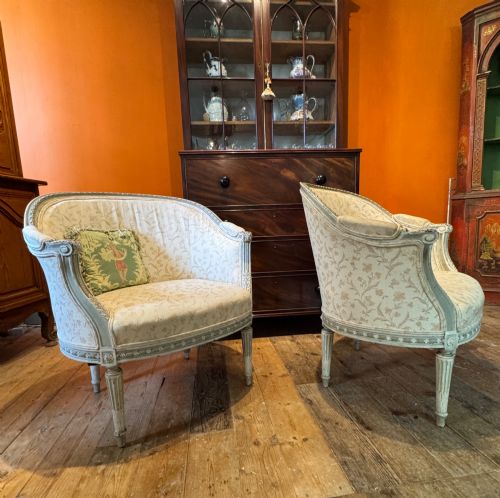
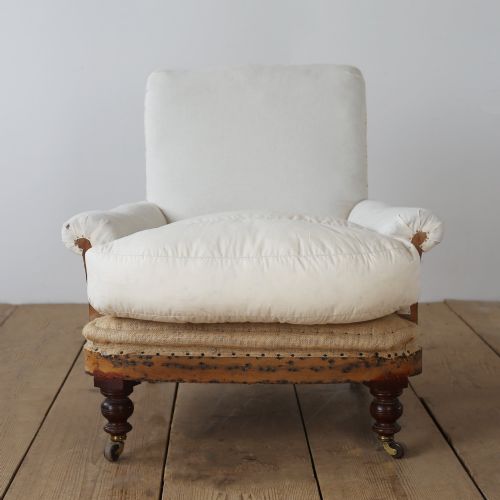
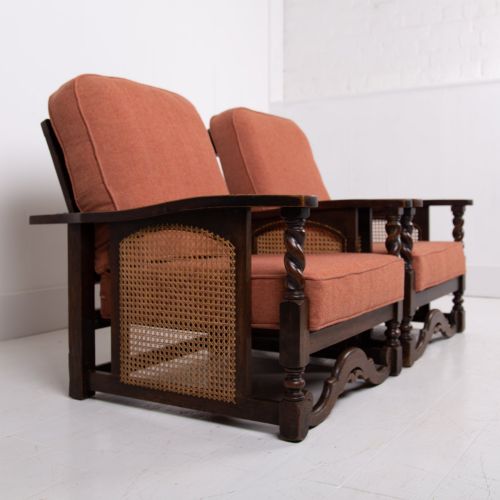
Pair of Upholstered Armchairs
A matched pair of upholstered armchairs brings symmetry and comfort to a room, offering enduring seating options derived from centuries of domestic design.
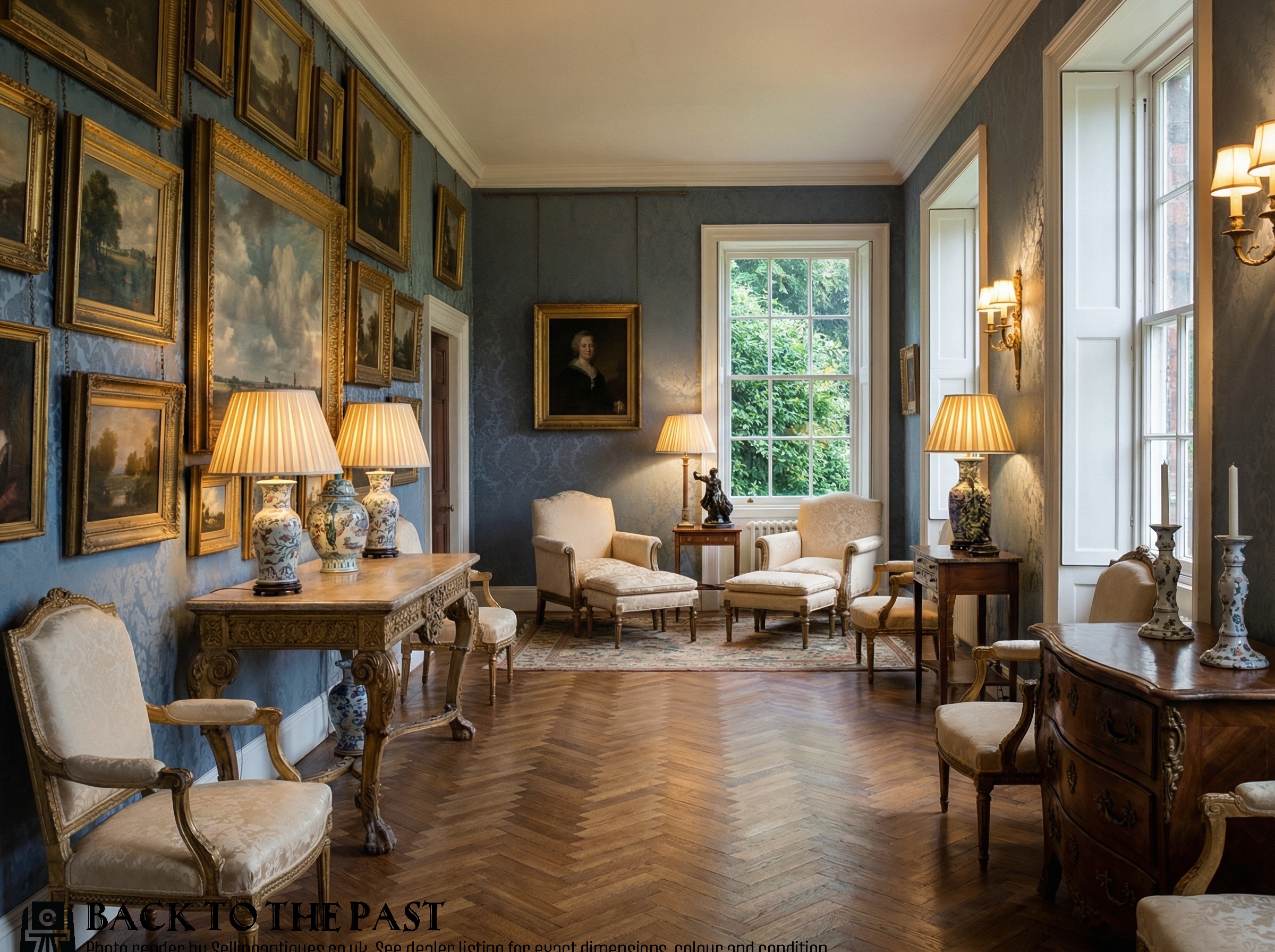
Pair of Upholstered Armchairs
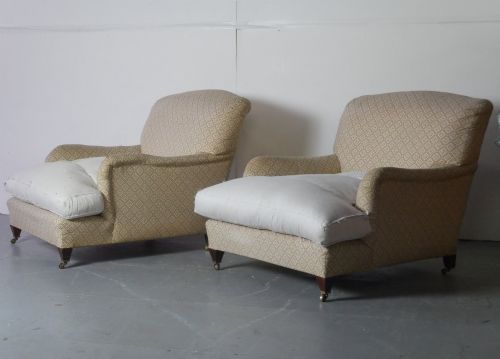
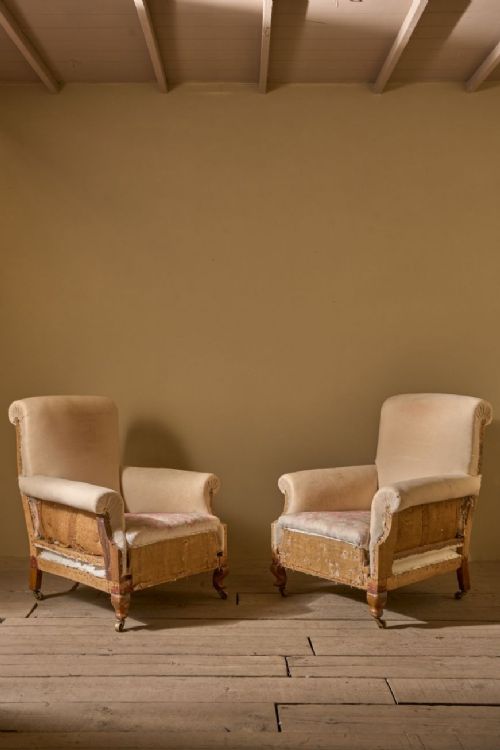
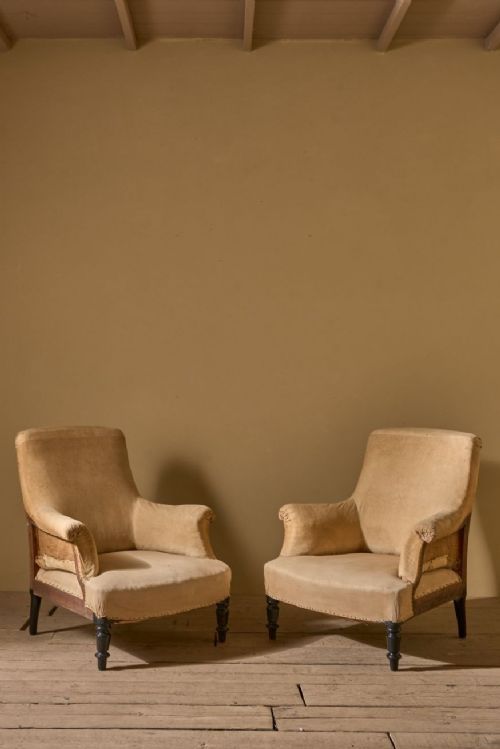
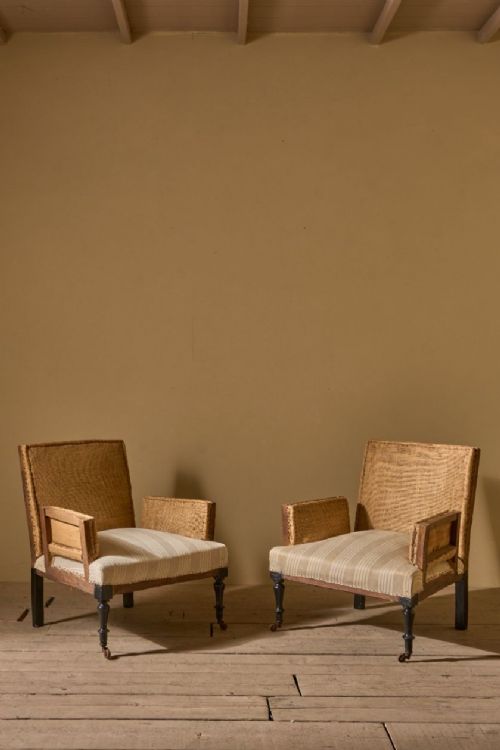
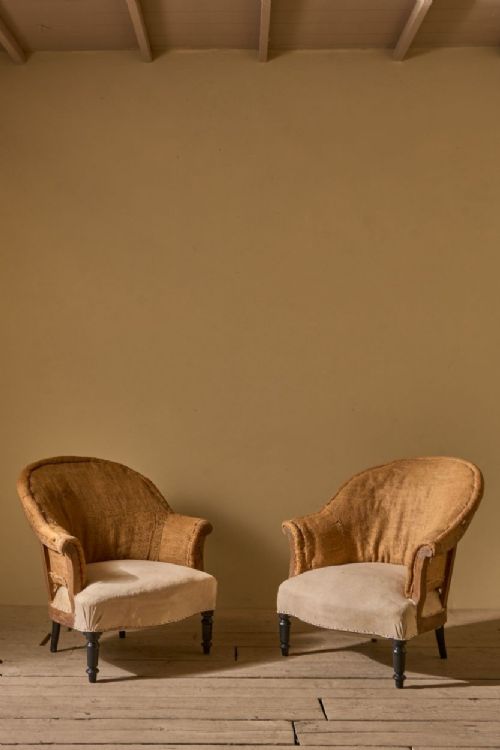
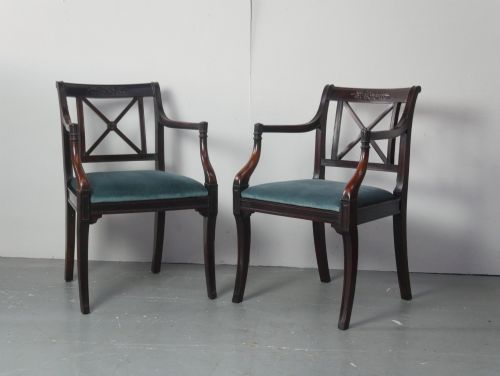
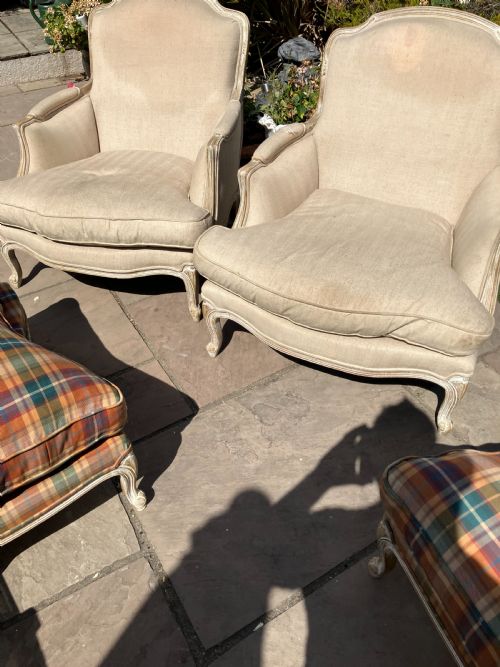
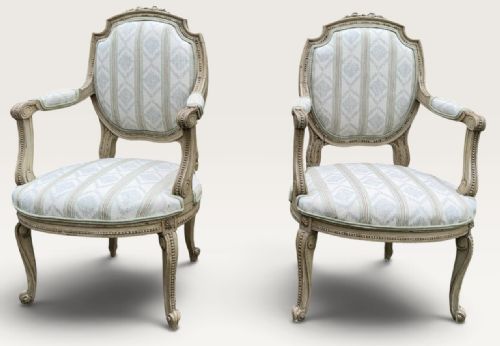
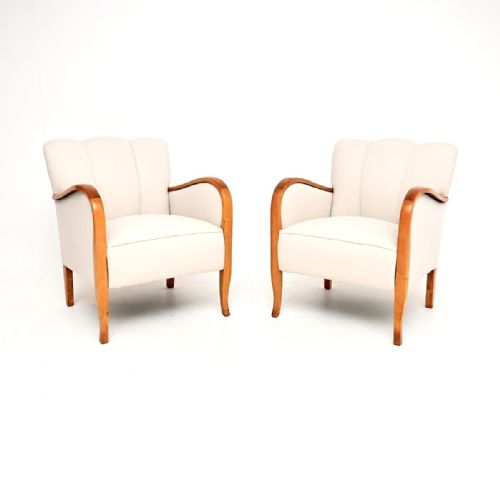
A pair of upholstered armchairs represents a coordinated seating selection designed for drawing rooms, libraries, and bedrooms, appearing frequently in Victorian, Edwardian, and Art Deco configurations. These seating pairs range from compact tub and corner chairs to large wing back designs and French Bergere forms.
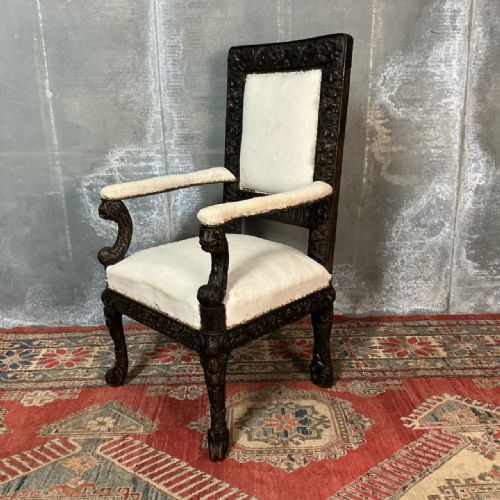
The selection encompasses stylistic revivals including Regency, Louis XV, and Renaissance styles, alongside pieces executed in walnut, mahogany, oak, and painted finishes. Buyers encounter both formal salon chairs covered in silk and casual country house seating tailored for daily use.
What varies in quality
The integrity of the wooden frame dictates the baseline standard, separating robustly carved or turned structural timber from simpler, less substantial joinery. Superior examples maintain crisp carving details on walnut and mahogany frames, whereas lesser specimens show softened contours or replacement structural elements.
Upholstery execution alters the tactile experience, distinguishing pieces retaining hand-tied springs and traditional stuffing materials from simplified modern renovations. The selection of covering material, from standard fabric to original Aubusson tapestry or fine leather, establishes the formal tier of the pair.
Listings feature eighteenth, nineteenth, and twentieth-century pieces, spanning Georgian, Victorian, Edwardian, and Art Deco periods.
Whytock and Reid·Howard and Sons
The Pair of Upholstered Armchairs Glossary
- Bergere
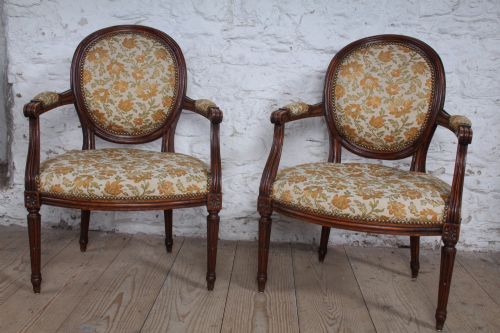
- An enclosed upholstered armchair featuring wooden frames, often with cane panels on the sides and back. These chairs originated in France and typically include a loose seat cushion.
- Spoon back
- A padded chair back shaped to resemble the hollow of a spoon, designed to fit the human spine. This contour appears frequently on Victorian walnut seating.
- Tub armchair
- A rounded seat where the arms curve continuously into a semicircular backrest. This compact form provides enclosed support.
- Wing back
- An armchair featuring projecting side pieces designed to shield the sitter from draughts. Early examples frequently sat beside open fireplaces.
- Knole
- A traditional English settee or armchair design featuring hinged adjustable arms that can remain upright or fold down. This style stems from seventeenth-century country house interiors.
Pair of Upholstered Armchairs: Frequently Asked Questions
How do I match two chairs?
A matched pair relies on identical proportions, frame timber, and decorative carving styles rather than identical fabric coverings. Many historical seating pairs undergo reupholstery over time, allowing owners to unify differing textiles through coordinated colour choices.
Matching involves examining the height of the backrest, the sweep of the arms, and the turnings of the legs. Close inspection of structural timber helps confirm that the pair originated from the same workshop.
What is a bergere chair?
A bergere chair is a French-style armchair characterised by an upholstered seat and enclosed wooden frame, frequently featuring woven cane sides. These seats emerged during the eighteenth century and remained popular through subsequent revival periods.
Originating in French drawing rooms, these armchairs emphasise comfort and lighter wood frames such as walnut or painted beech. They frequently accommodate loose down cushions.
Are these chairs comfortable?
Comfort depends upon the internal stuffing materials and spring construction employed within the upholstered frame. Victorian and Edwardian examples often utilise deep coil springing designed for extended lounging.
Library and club chairs prioritise padded armrests and supportive back angles. Reupholstered pieces frequently update internal webbing while retaining the original wooden chassis.
How do I date an armchair?
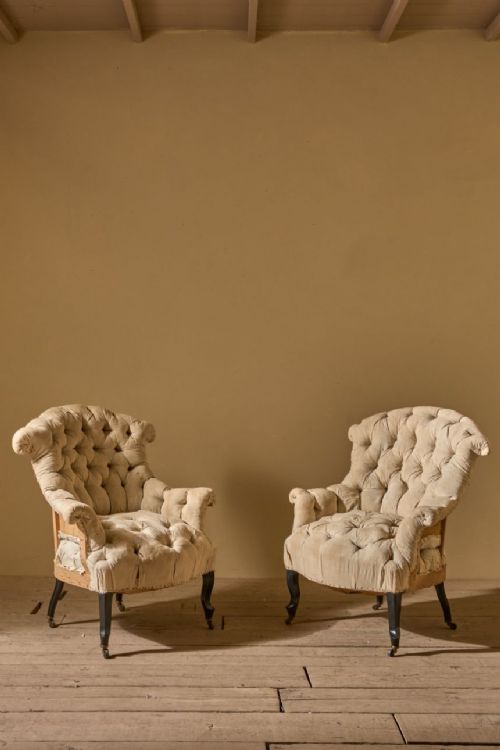
Dating relies upon identifying stylistic markers such as cabriole legs, button tufting, or carved mahogany motifs. Victorian pieces often display heavy walnut frames and spoon backs, while Art Deco examples favour geometric lines and leather or wool upholstery.
Examining the underside of the frame can reveal maker stamps, tool marks, or timber ageing patterns. Comparing the construction methods against known revival periods clarifies the manufacturing decade.