

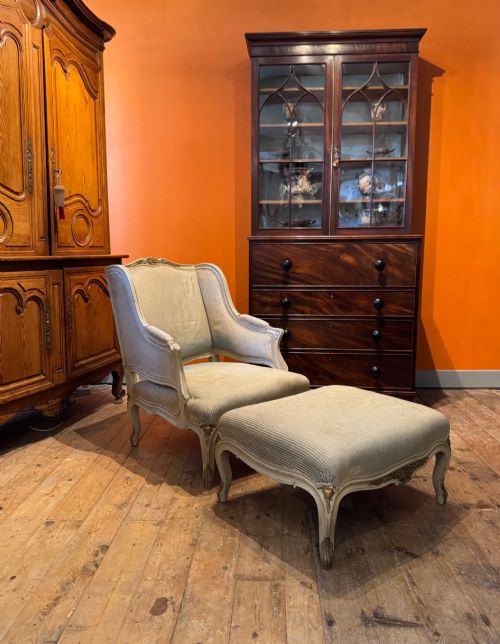


Antique Armchair and Footstool
These antique armchair and footstool sets offer matched comfort and period elegance, combining seating and support in coordinated designs.
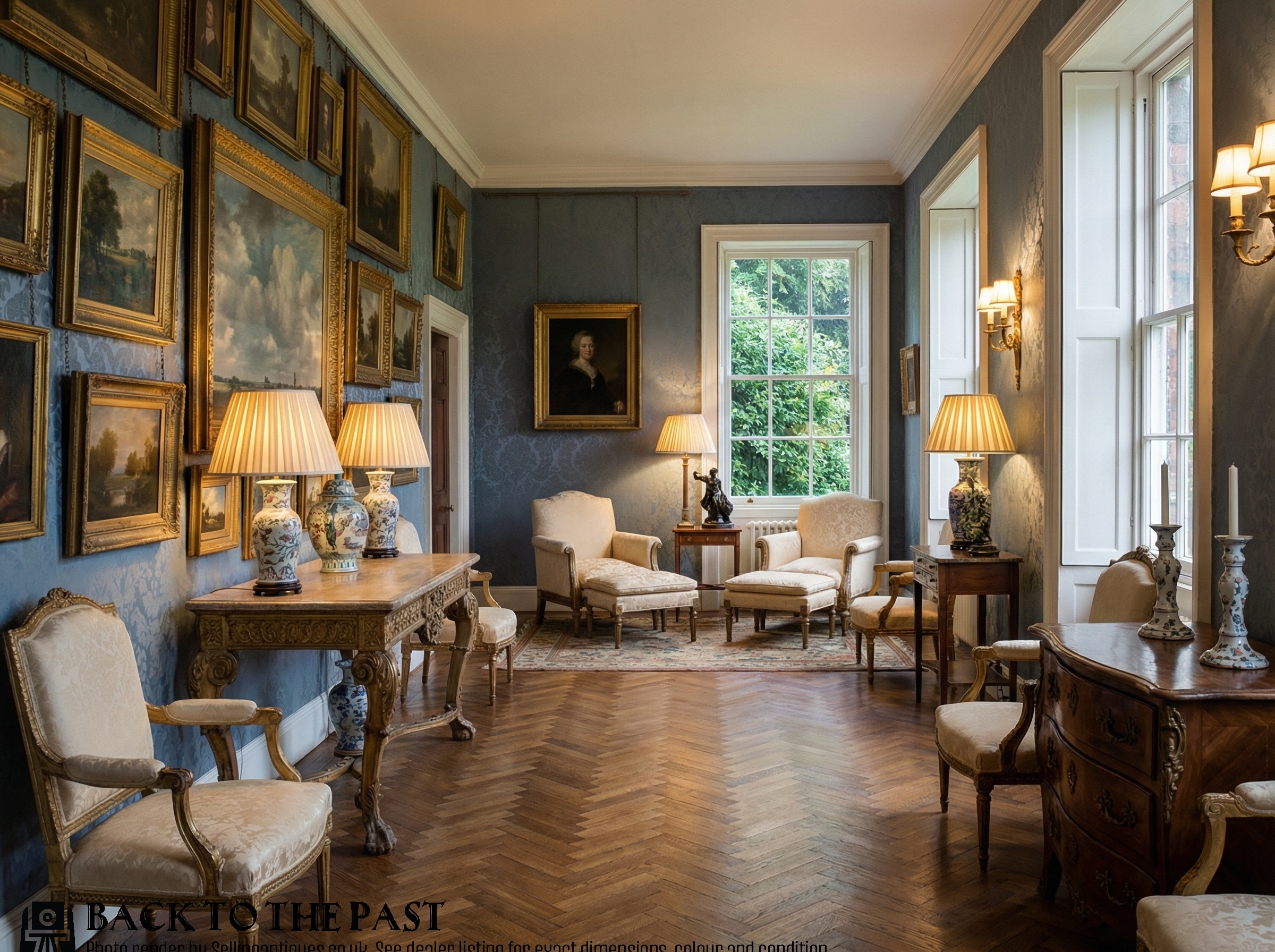
Antique Armchair and Footstool
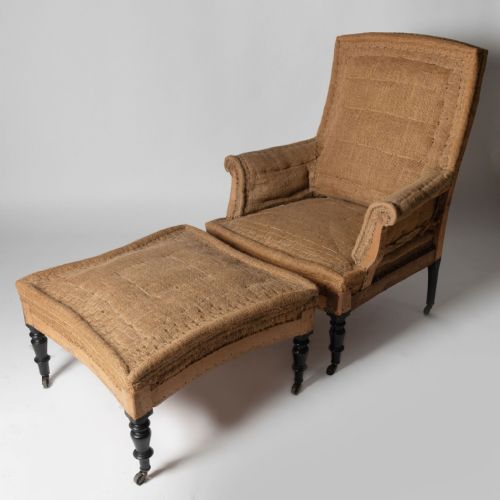
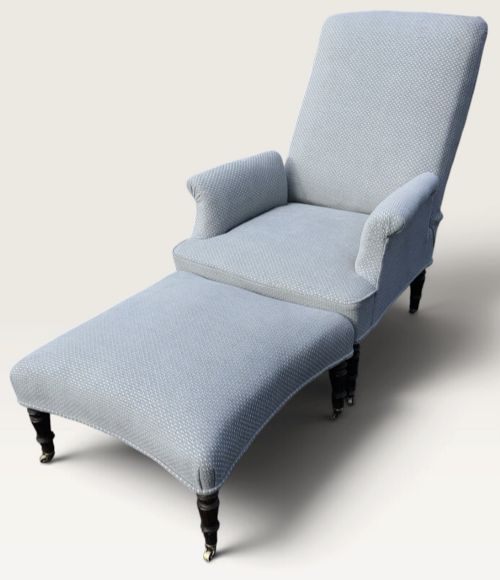
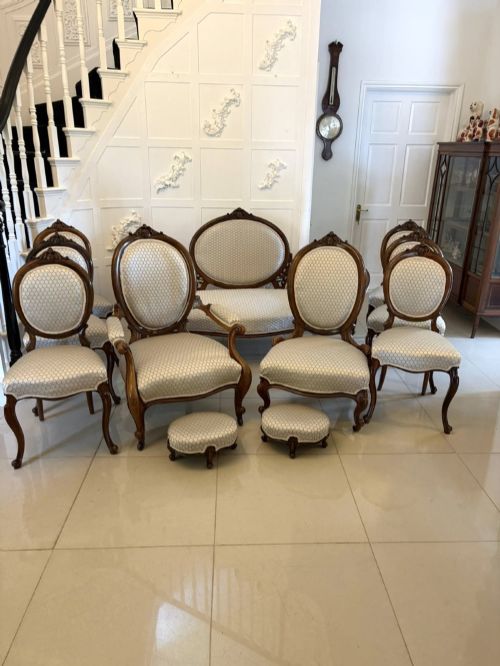
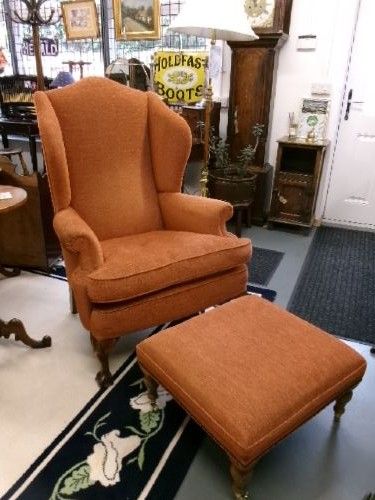
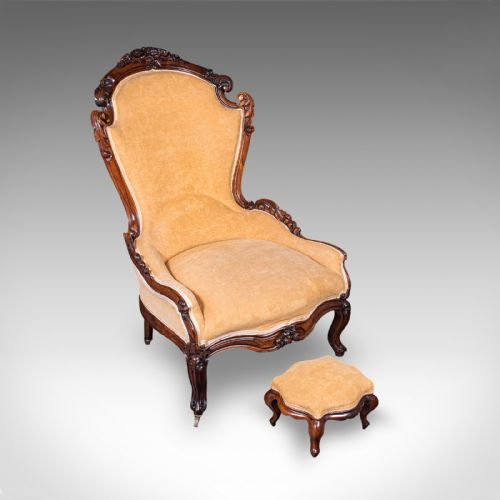
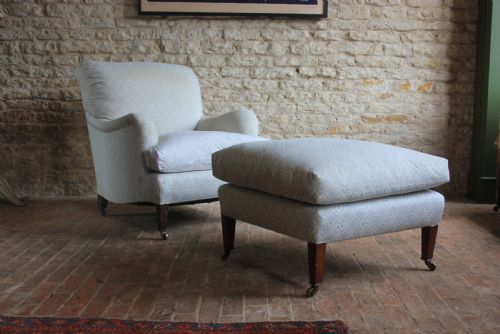
An antique armchair and footstool pairing combines a comfortable seat with a matching support for the feet, often acquired as a set or assembled from the same period. The selections here include nineteenth-century French salon pieces, Edwardian leather wingbacks, and Victorian walnut suites containing matching stools.
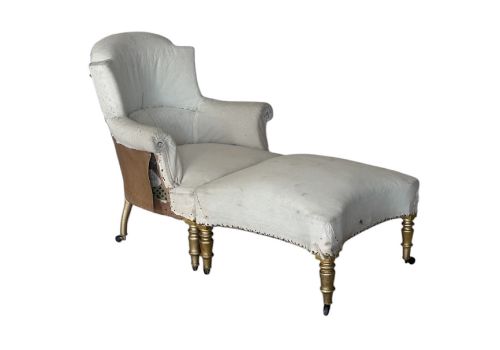
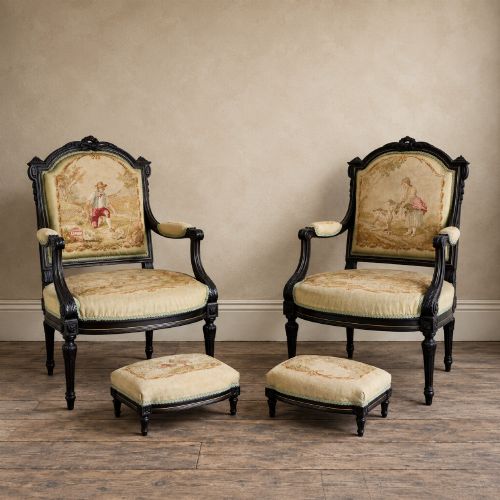
Buyers encounter various configurations ranging from single armchairs with a complementary stool to large pairs of armchairs accompanied by twin footstools. Some examples take the form of a duchesse brisée or chaise longue, while others present traditional British or French revival styles.
The materials and frames span walnut, mahogany, giltwood, and ebonised beech, upholstered in fabrics such as calico, leather, and buttoned textiles. These combinations reflect domestic comfort and formal entertaining across different decades of the nineteenth and early twentieth centuries.
How they were made
Cabinetmakers constructed the wooden frames of these armchairs and footstools using hardwoods such as walnut, mahogany, and beech, frequently applying ebonised finishes or gilding to suit revival tastes. Carved details adorn the structural woodwork on Victorian and French Louis-style examples.
Upholstery techniques involved traditional stuffing and springing, finished with materials like leather, calico, and buttoned fabric. Original paint finishes and exposed brass castors or fittings also appear on specific nineteenth-century and Edwardian pieces.
Antique Armchair and Footstool Retail Price Guide 2026
Typical asking prices for armchair and footstool among the pieces listed under this phrase on Sellingantiques today, from the lower quarter to the upper quarter. They describe what is for sale here now, not the wider market.
Some armchairs come with a matching stool or double up as a Duchess Brisee for maximum relaxation.
What varies in quality
The refinement of the woodcarving and the integrity of the frame construction distinguish finer armchair and footstool sets from simpler iterations. Intricate carved walnut or giltwood frames demonstrate higher craftsmanship than plain structural timber.
The quality of the materials used for the upholstery, whether oxblood leather, buttoned fabric, or original paint, influences the overall character of the piece. Matching sets that retain their original pairings without subsequent alterations hold greater consistency.
Howard & Sons
The Antique Armchair and Footstool Glossary
- Duchesse Brisée
- A two- or three-part chaise longue arrangement consisting of an armchair and one or more footstools that combine to form a continuous resting surface. This French form dates across the eighteenth and nineteenth centuries.
- Ebonised Beech
- Beechwood treated with a dark stain or finish to imitate ebony. Cabinetmakers utilised this material frequently during the nineteenth century for revival salon furniture.
- Giltwood
- Timber coated with a thin layer of gold leaf or gesso. This finish appears predominantly on French revival frames.
- Buttoned Back
- An upholstery technique where depressions are formed in the padding using buttons pulled tight to the frame. This method secures the filling and creates a patterned surface.
- Wingback
- An armchair featuring side panels attached to the armrests designed to shield the sitter from draughts. Edwardian leather examples utilise this form.
Antique Armchair and Footstool: Frequently Asked Questions
Are antique armchairs and footstools sold as matched sets?
Many examples on this page are listed together as matching pairs or suites from the same period, sharing identical upholstery and timber frames.
Other listings bring together an armchair and a complementary footstool from a similar date, maintaining visual harmony through wood type and finish.
What materials were used for these chairs and stools?
Frames are constructed from hardwoods including walnut, mahogany, and beech, occasionally featuring ebonised surfaces or giltwood.
Upholstery materials range from oxblood leather and buttoned fabrics to calico and original paint finishes.
How do I identify a French revival armchair?
French revival pieces often display Louis XV or Louis XVI style characteristics, including exposed carved wood frames and cabriole legs.
Such pieces frequently appear as salon armchairs, pairs with matching footstools, or multi-part chaise longue configurations.
What periods do these seating sets come from?
The listings span the nineteenth and early twentieth centuries, including Victorian, William IV, and Edwardian eras.
Maker styles and construction methods reflect these specific decades, from mid-century library chairs to later Edwardian leather wingbacks.