


French Bergere Chair Pair
A french bergere chair pair offers enclosed, deep-seated comfort rooted in centuries of cabinet-making traditions.
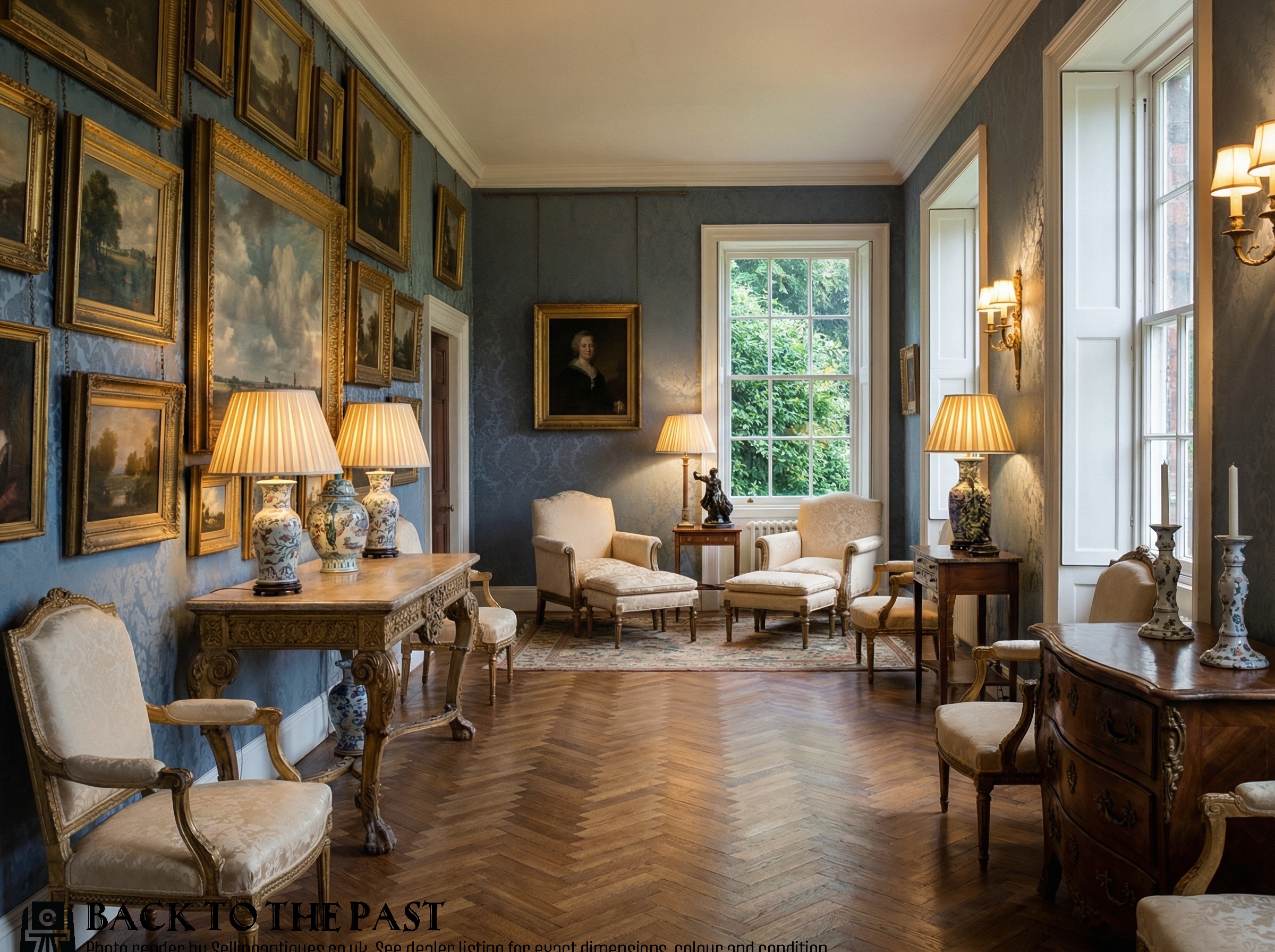
French Bergere Chair Pair
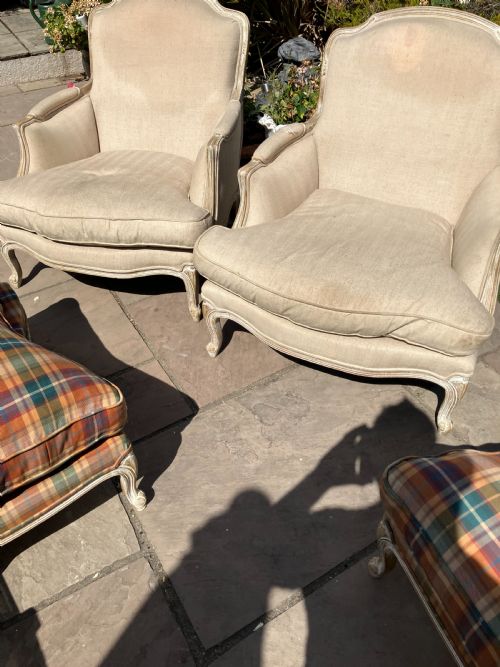
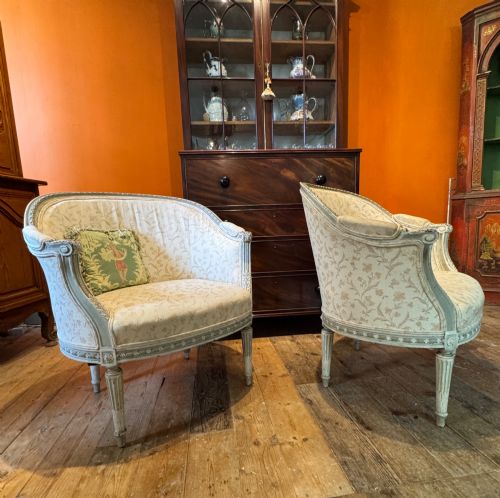
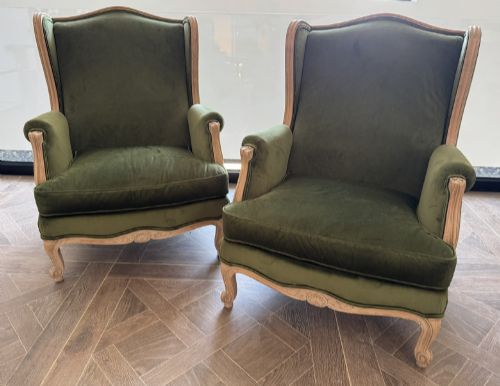
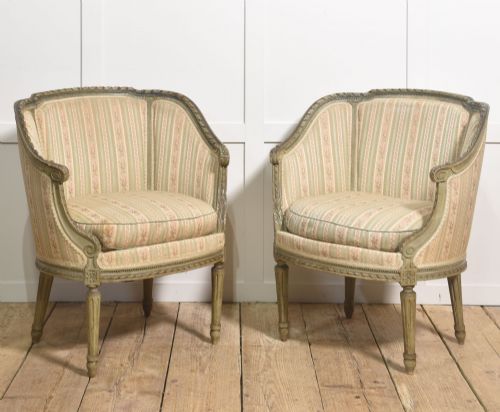
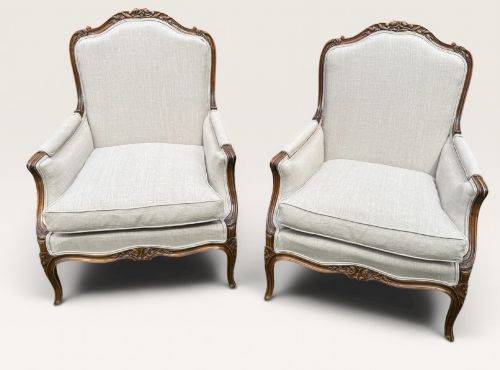
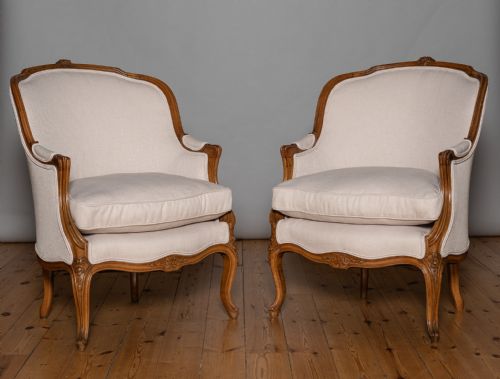
A french bergere chair pair consists of matching enclosed upholstered armchairs designed for deep lounging and formal salon use. These seating arrangements emerge from periods spanning the nineteenth and twentieth centuries, reflecting classic continental aesthetic shifts.
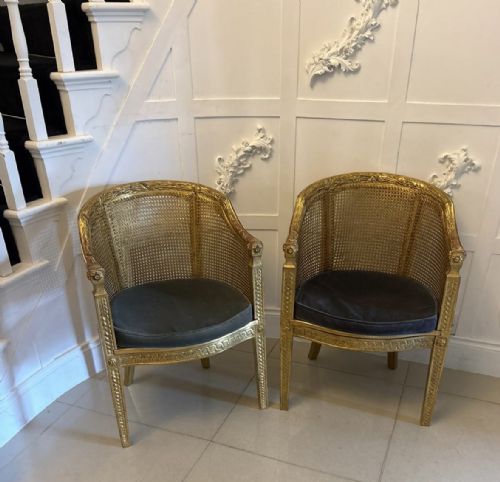
The prevalent versions on this page embody the Louis XV and Louis XVI styles, alongside specific regional interpretations like French Chateau and French Empire. Buyers frequently encounter painted, carved walnut, or giltwood frames paired with traditional cane panels and soft upholstery.
Armchairs and salon suites form the primary categories of these matched sets. They serve as focal points in drawing rooms or libraries, combining structural woodwork with upholstered comfort.
Materials and construction
Wood framing forms the backbone of these pieces, utilising solid beech, walnut, and giltwood. Artisans shape these timbers through detailed carving, paint application, or gold leaf gilding to achieve distinct stylistic finishes.
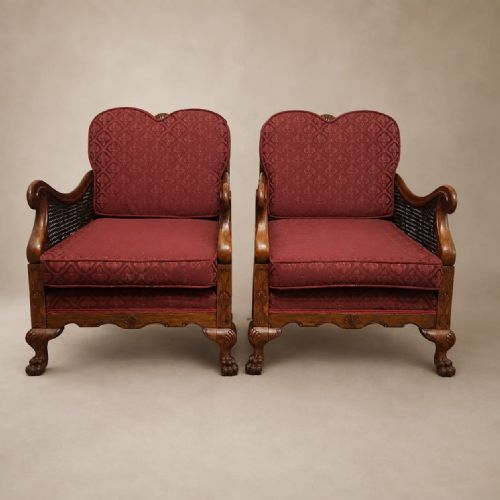
Caning techniques create the characteristic woven back and side panels seen on classic bergere forms. This natural material provides structural support while maintaining an open, airy appearance.
Upholstery layers complete the seating experience, incorporating textiles such as velvet, silk, linen, and fabric. These materials are fitted over padded armrests and loose cushions to ensure comfort.
Listings feature pieces spanning from the 1860s through the 1960s, utilising materials such as beech, walnut, giltwood, cane, and velvet.
Distinctions in craftsmanship
The integrity of the carved woodwork distinguishes finer examples from simpler production. Deep, crisp hand-carving in walnut or beech demonstrates superior artisan skill compared to shallow or mechanical shaping.
The preservation and tightness of the woven cane panels indicate high standards of execution. Intact, evenly tensioned cane work reflects careful historical maintenance and robust original manufacture.
The choice of finish and upholstery materials establishes the tier of the piece. Original paint surfaces, parcel-gilt details, and high-grade textiles like velvet or silk elevate the stature of the seating.
The French Bergere Chair Pair Glossary
- Bergere
- An enclosed upholstered armchair with wooden frames and solid sides, often featuring cane work panels. This form emerged in France during the eighteenth century for indoor relaxation.
- Cane
- Woven rattan material used for chair backs and panels. It offers lightweight durability and visual lightness.
- Giltwood
- Timber coated with gold leaf or gold paint to create a lustrous decorative surface. This finish appears frequently on formal salon seating.
- Fauteuil
- An open-armed upholstered armchair with exposed wooden framing. Unlike the bergere, its sides remain open.
- Louis XV Style
- A decorative aesthetic characterised by asymmetric curves, cabriole legs, and naturalistic floral carvings. It draws inspiration from mid-eighteenth-century French design.
French Bergere Chair Pair: Frequently Asked Questions
What defines a bergere chair?
A bergere is a closed armchair featuring upholstered armrests and solid sides, often incorporating woven cane panels.
This design prioritizes enclosed comfort and formal elegance, distinguishing it from open-armed seating types.
How were these pairs used historically?
These matched chairs served in grand salons, drawing rooms, and private libraries for relaxing and entertaining guests.
Their substantial forms and comfortable proportions made them central pieces for sophisticated domestic interiors.
How do I care for cane panels?
Cane requires gentle cleaning with a damp cloth and occasional conditioning to prevent the natural material from drying out.
Keeping these panels away from direct heat sources ensures the woven fibres remain flexible and strong.
How are different periods identified?
Period identification relies on observing wood types, carving styles, and structural assembly methods.
Pieces from the nineteenth and twentieth centuries carry distinct decorative traits associated with revivals of Louis XV and Louis XVI designs.