

Pair of Lamp Bases
When you need symmetry and height, a pair of lamp bases brings balanced illumination and presence to a room.
Pair of Lamp Bases
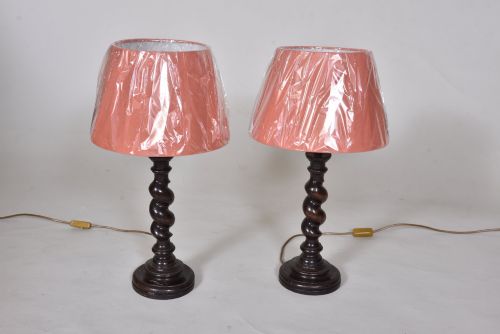
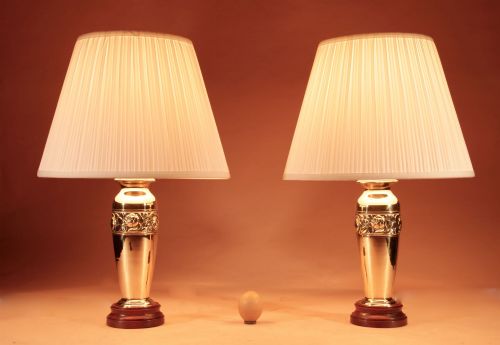
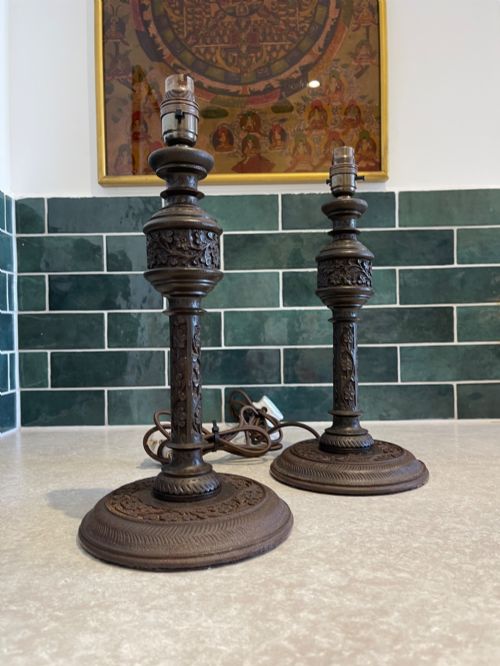
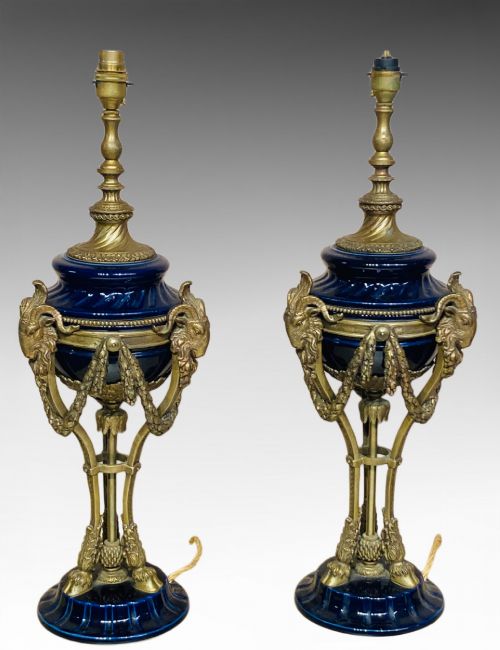
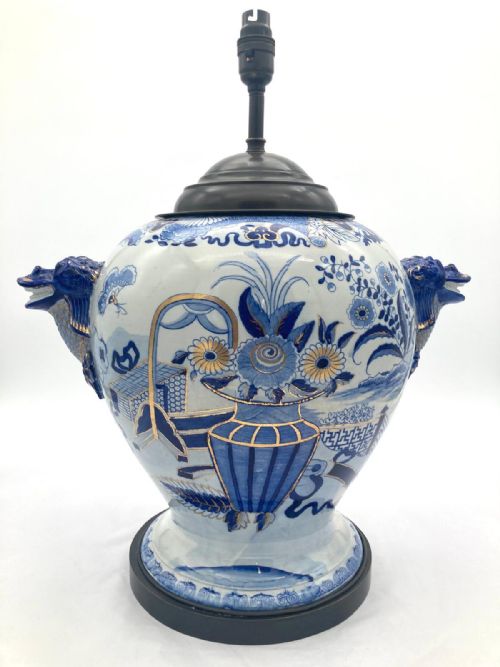
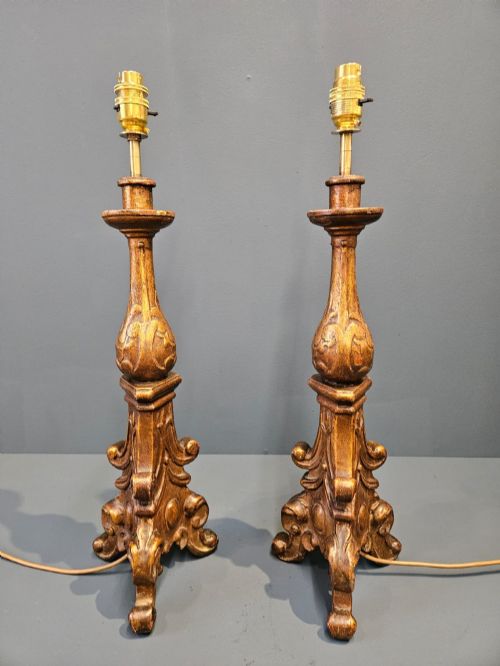
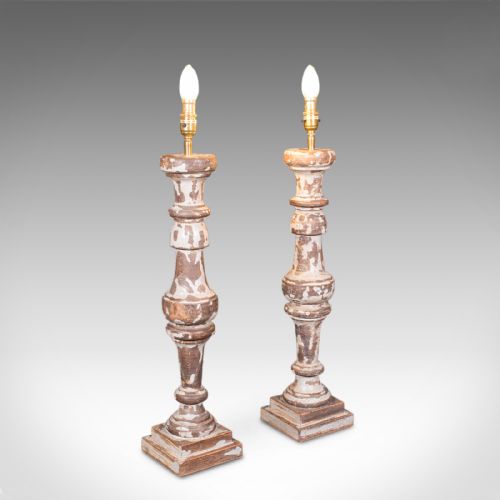
A pair of lamp bases provides matched lighting for sideboards, desks and bedside tables, often formed from older vessels or candlesticks converted for electrical use. When searching for a pair of lamp bases, buyers encounter everything from slender classical columns to heavy ceramic urns.
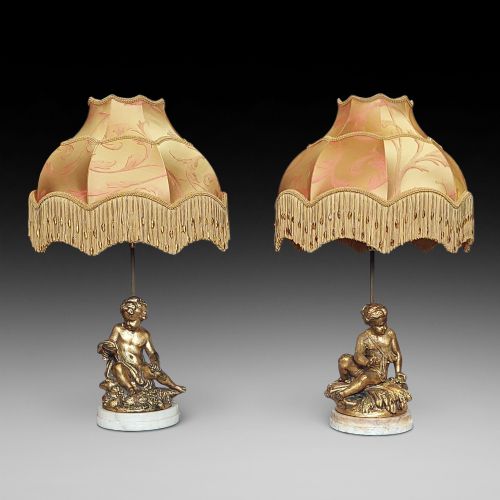
The selections span centuries, incorporating Georgian mahogany, Victorian brass, and French bronze designs from the nineteenth and early twentieth centuries. Converted vases, church candlesticks, and carved wooden figures frequently appear in this role.
Materials and construction
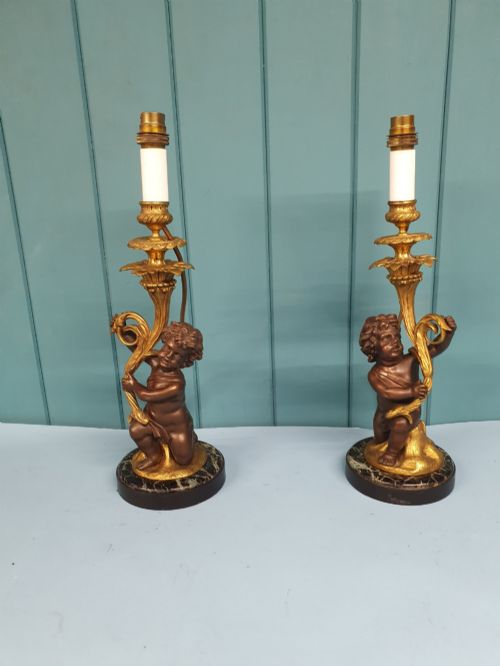
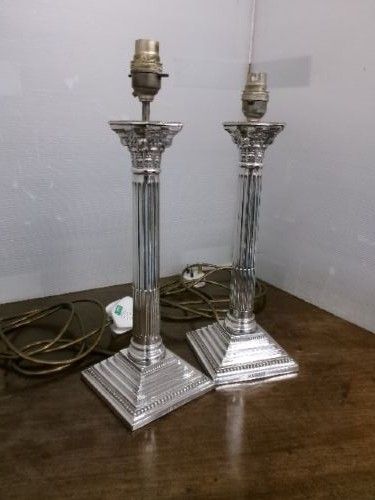
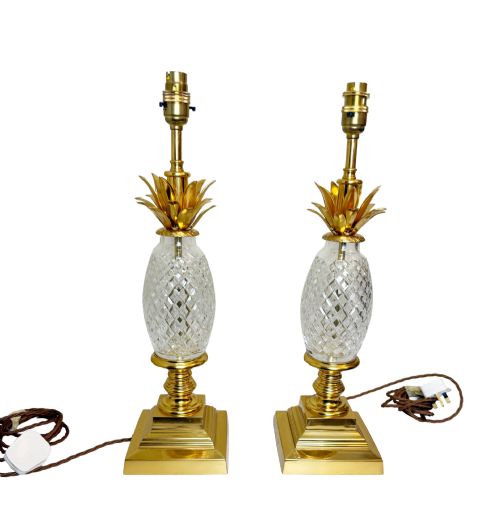
Metals such as cast bronze, brass, and silver plating form the structural core of many examples, often finished with gilt or ormolu mounts. Stoneware, porcelain, and glass bodies provide colour and pattern, frequently paired with marble bases for added weight.
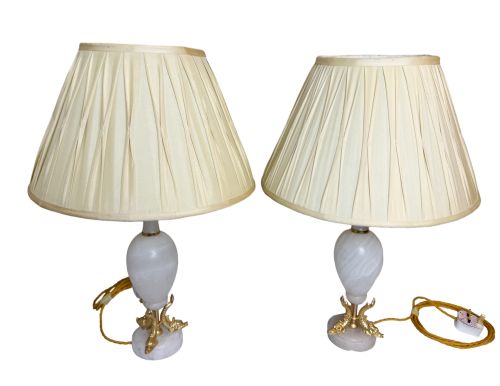
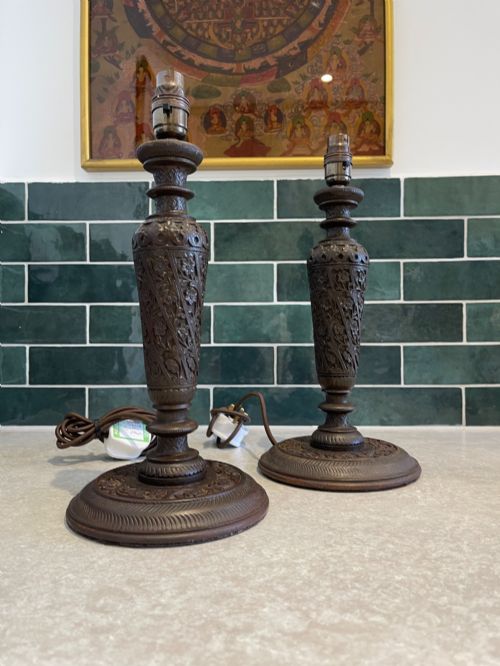
Organic materials including carved oak, mahogany, alabaster, and rootwood appear alongside fabric shades and painted pine. Many items utilise repurposed vessels, mounting antique ceramics or metalware onto bespoke weighted bases to ensure stability.
Listings feature brass, bronze, porcelain, and wood across periods spanning the eighteenth, nineteenth, and early twentieth centuries.
Judging quality
The standard of modelling in figural elements, such as cherubs or carved amorini, dictates the artistic merit of the piece. Crisp chasing on bronze and well-defined casting on brass columns separate superior workshop output from routine commercial production.
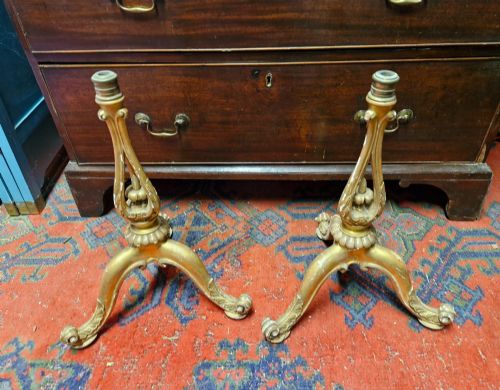
Proportion and material matching determine the success of a matched pair. Original gilding and untouched patination carry more aesthetic weight than later repainting or mismatched components.
The Pair of Lamp Bases Glossary
- Ormolu
- Gilt bronze, where a finely ground high-carat gold mercury amalgam is applied to a bronze object. This technique produces a rich, durable golden surface seen on French decorative arts.
- Cloisonné
- An ancient technique for decorating metalwork objects with coloured material held in place by thin metal strips. These compartments are filled with enamel paste before firing.
- Corinthian column
- A classical architectural order featuring an ornate capital decorated with acanthus leaves. This style was frequently adapted for nineteenth-century metal and wooden candlesticks and lamps.
- Tole
- Painted or enamelled sheet metal, typically iron or steel, used for decorative vessels and canisters. It was popular in France and Britain for domestic objects.
Pair of Lamp Bases: Frequently Asked Questions
How do I wire old lamp bases?
Older conversions often require updating to meet current electrical standards. A qualified electrician can easily rewire the internal cord and fit modern lamp holders while preserving the historic body.
Ensure the base remains stable and uncompromised during any rewiring work. Felt protection on the underside helps safeguard delicate wooden and marble surfaces.
Are these original lamps?
Many examples began life as candlesticks, vases, tea canisters, or architectural ornaments before conversion into lamps. This adaptive reuse has a long history in interior decoration.
Converted pieces retain their original decorative function while serving a contemporary purpose. Look for evidence of past oil burners or candle prickets to understand the original form.
How do I choose the right shade?
Proportion guides the selection of a complementary shade, ensuring the height balances the bulk of the base. Silk, linen, and parchment shades diffuse light effectively across different room settings.
Consider the colour palette of the base material when picking fabric tones. Neutral linings maximise the downward light output for reading or task use.
How do I clean antique brass bases?
Dusting with a soft, dry cloth prevents the accumulation of grime on metal and ceramic surfaces. Avoid abrasive polishes that strip historic patination and softer gilt layers.
Preserving the aged finish maintains the character of the object. Professional conservation advice is recommended for delicate or deteriorating gilt bronze.