


Late Victorian Brass Lamps
Late victorian brass lamps bring solid weight and warm metal tones to a room, combining period utility with decorative presence.
Late Victorian Brass Lamps
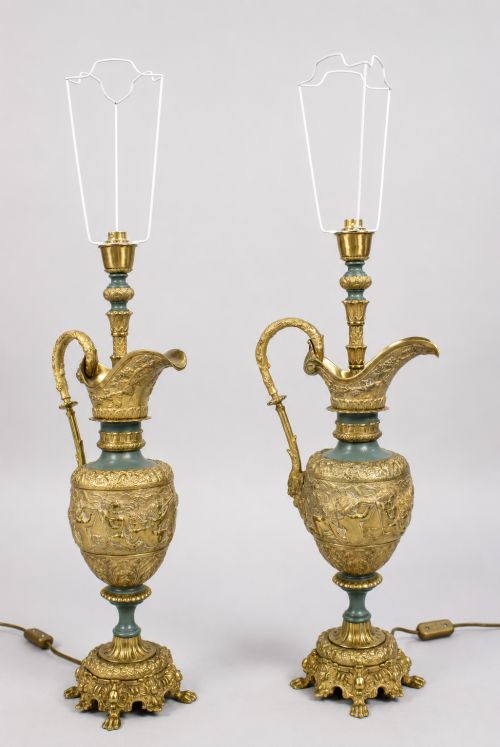
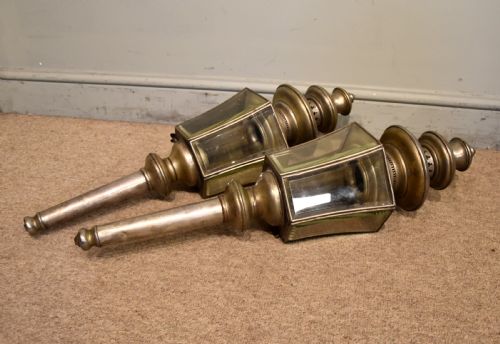
When you examine late victorian brass lamps on this page, you encounter pieces shaped by the technical shifts of the nineteenth century. Table lamps, floor standards, and oil-burning forms dominate the selection, often carrying the warm glow of polished metal.
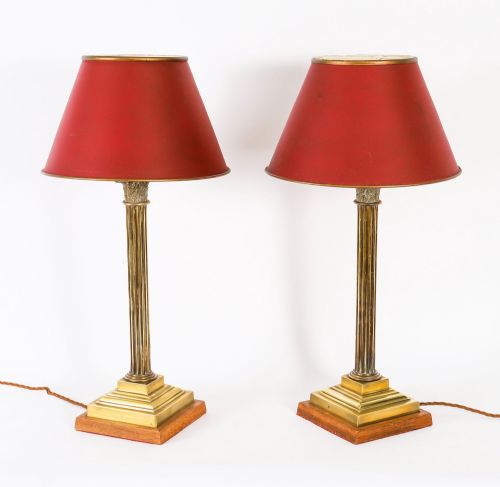
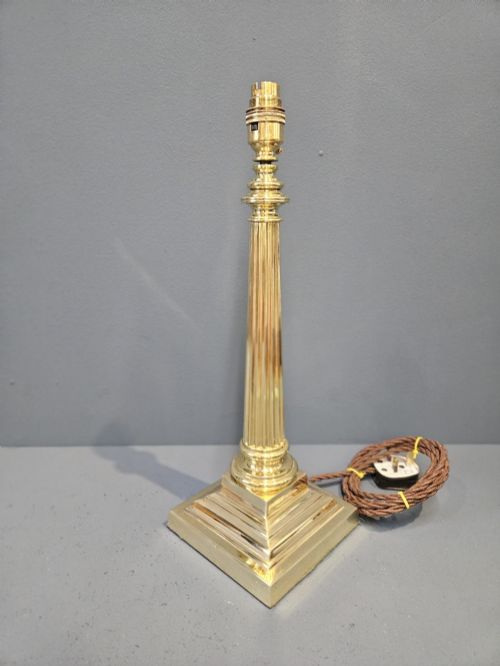
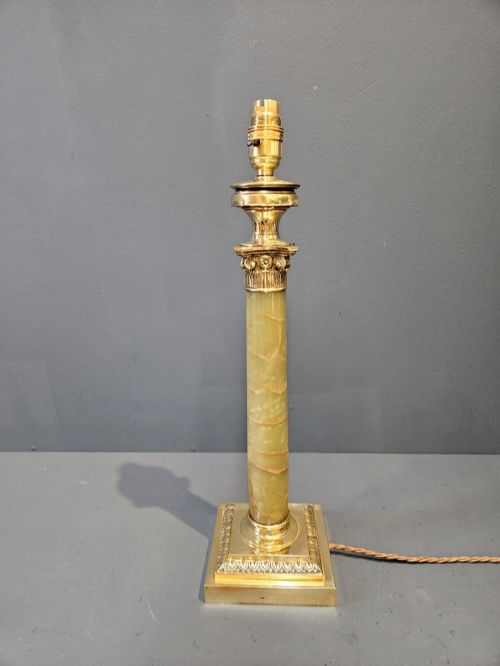
Many examples emerge from the late nineteenth century bearing classic architectural details such as reeded or Corinthian columns. These functional objects transitioned from utilitarian indoor lighting to decorative household fixtures over decades of domestic use.
How they were made
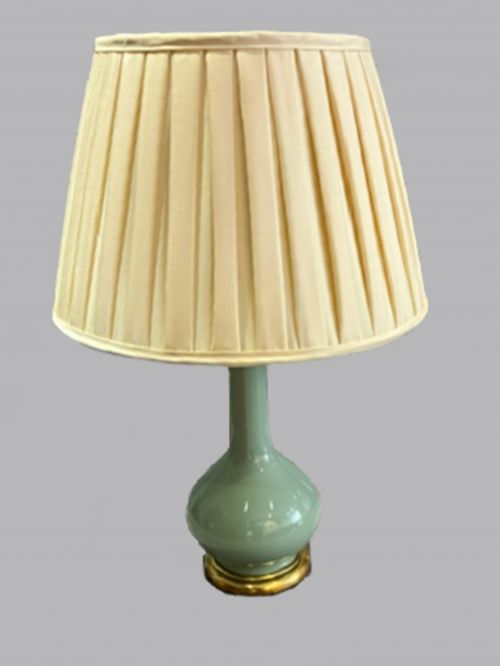
Maker workshops combined heavy brass castings with turned columns and applied mounts, frequently pairing the metal with glass reservoirs, ceramic bodies, or marble bases for stability. Artisans utilised techniques like piercing, chasing, and gilding to enrich the surfaces of standard and table lamps.
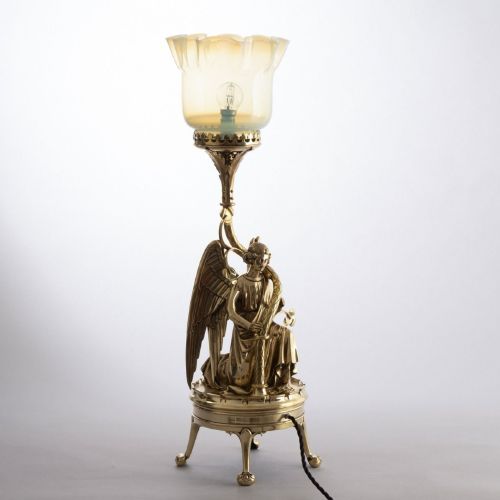
Founts and shades often incorporate coloured glass types such as cranberry, vaseline, and cut glass, reflecting the period's taste for vibrant hues. Telescopic mechanisms and extending brass standards allowed users to adjust height for reading or ambient room illumination.
Materials recorded across the selection include brass, copper, fabric, glass, porcelain, silk, and wood.
What varies in quality
Quality rests in the crispness of the brass casting and the weight of the base materials used to anchor taller standards. Pieces featuring hand-cut glass reservoirs or finely detailed Corinthian capitals demonstrate superior workshop execution compared to plainer utility models.
Proportion and scale distinguish the finer examples, particularly where classical columns or adjustable mechanisms maintain balance and structural integrity. The integration of secondary materials like marble, porcelain, or copper indicates ambition in the original design.
James Shoolbred·Clarkes
The Late Victorian Brass Lamps Glossary
- Corinthian column
- A classical architectural support featuring an ornate capital decorated with acanthus leaves. This form appears frequently on table lamps from the period.
- Standard lamp
- A tall floor-standing lighting fixture, sometimes built with telescopic mechanisms for height adjustment. These provided steady illumination in Victorian sitting rooms.
- Oil lamp
- A lighting device utilising a burner, wick, and fuel reservoir made from glass, ceramic, or metal. Many surviving examples later received electrical conversion.
- Vaseline glass
- A type of yellow-green glass containing uranium dioxide that glows under ultraviolet light. It appears in shades and reservoirs on decorative lamps.
- Pate sur pate
- A ceramic decoration technique where layers of liquid clay build up a cameo-like relief design. This method adorns select porcelain lamp bodies.
Late Victorian Brass Lamps: Frequently Asked Questions
Were these originally wired for electricity?
Most of these pieces started as oil lamps or candle supports before households adopted electric lighting. Later conversions allowed original brass and glass bodies to remain functional in modern spaces.
Rewiring typically preserves the original structure while meeting contemporary safety standards for domestic use.
How do I identify a standard lamp?
Standard lamps are tall floor-standing fixtures designed to illuminate an entire room from a corner or beside seating. They often incorporate heavy weighted bases and extending brass columns.
Many examples from this era include telescopic mechanisms to alter the height of the light source.
What materials accompany the brass?
Makers frequently combined brass with materials like marble, ceramic, copper, and coloured glass such as cranberry and vaseline. These additions provided necessary weight and visual contrast to the polished metal.
Pole bases might rest on cast iron or glass foundations for stability.
How should I clean antique brass?
Gentle dusting with a soft cloth preserves the historic surface and natural patina accumulated over the decades. Avoid harsh chemical polishes that strip away the aged character of the metal.
Preserving the original finish maintains the visual integrity of nineteenth-century metalwork.