


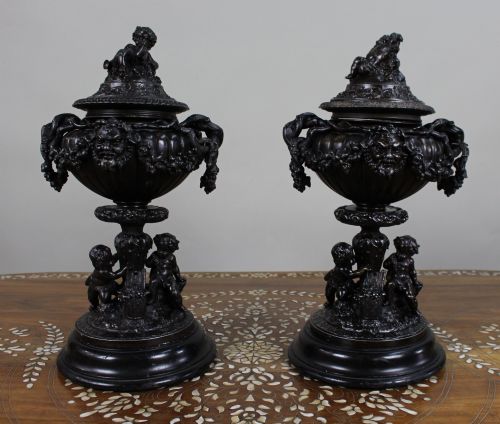
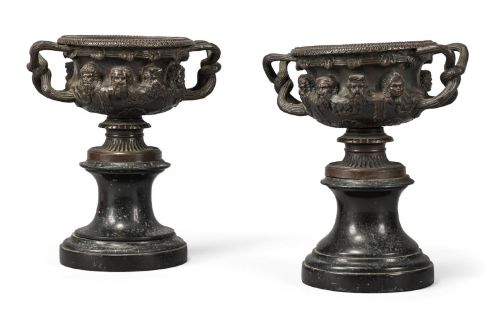
Pair of Classical Urns
Pair of classical urns bring architectural symmetry and antique dignity to a room, drawing on ancient forms for enduring decorative appeal.
Pair of Classical Urns
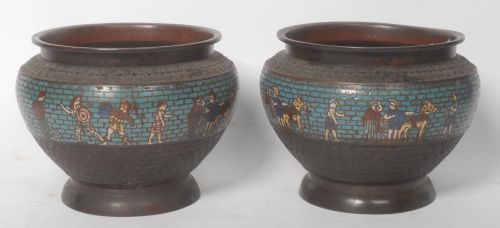
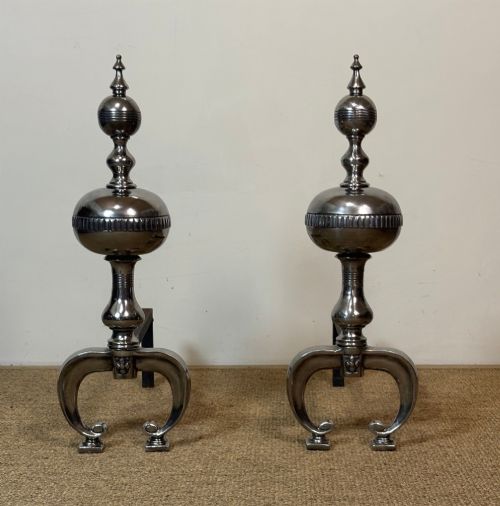
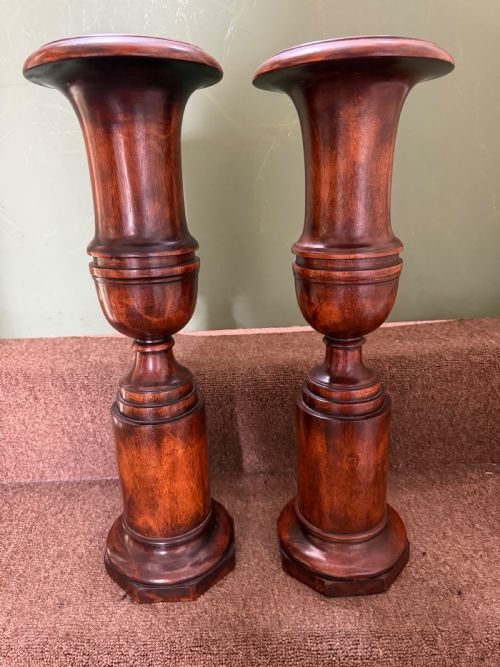
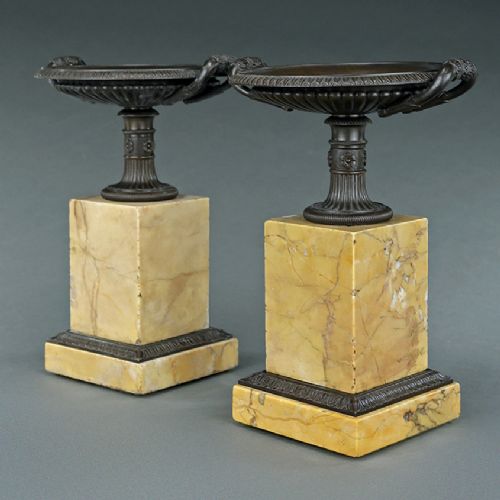
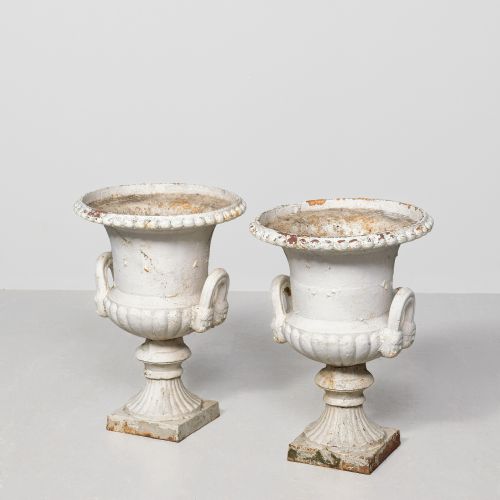
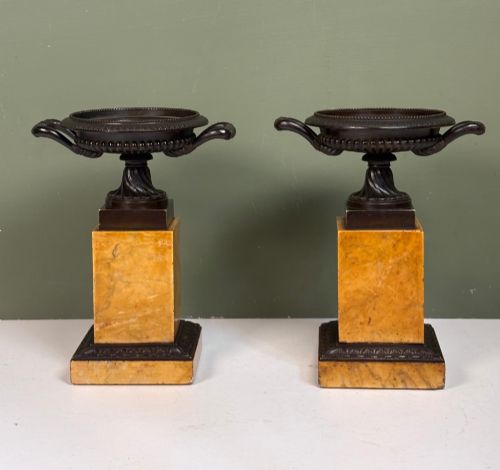
A pair of classical urns draws upon ancient Greek and Roman models, shaped as campana vessels, tazzas, and handled vases for interior display or garden placement. These decorative objects emerge frequently in nineteenth-century interpretations, reflecting the revival periods that favoured balanced proportions and academic motifs.
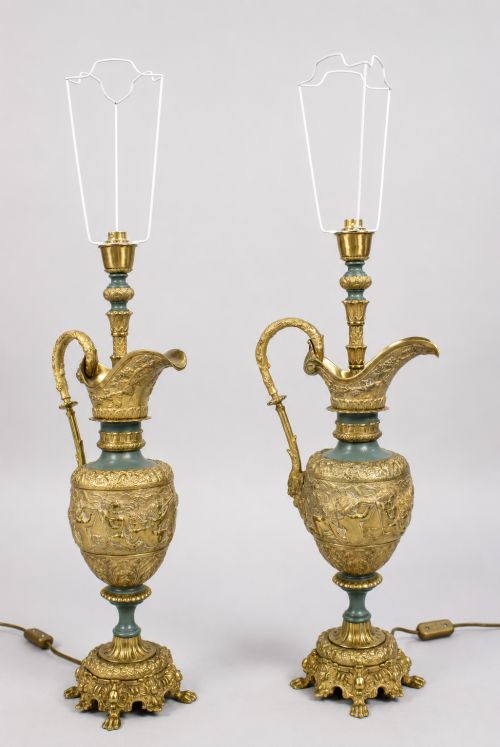
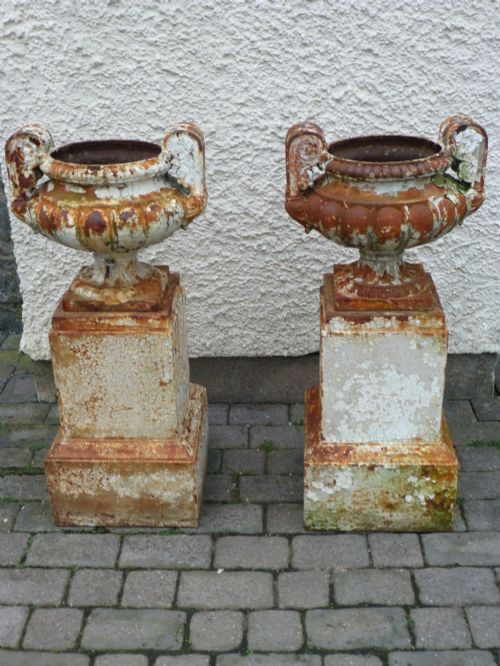
Buyers encounter heavy outdoor garden urns cast in iron alongside refined interior pieces fashioned from bronze, marble, and porcelain. Many examples integrate functional lighting or candleholders, showing how decorative metalwork and ceramics were adapted for domestic utility over successive decades.
Materials and Construction
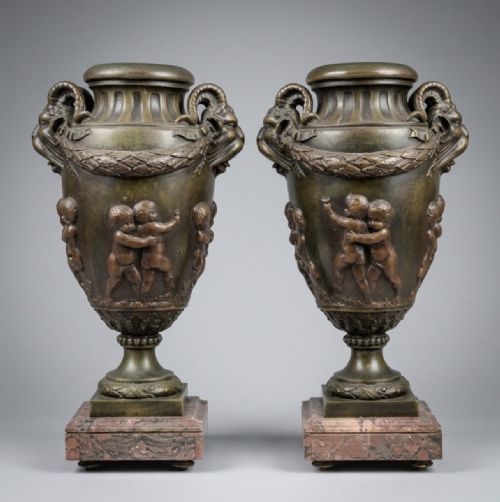
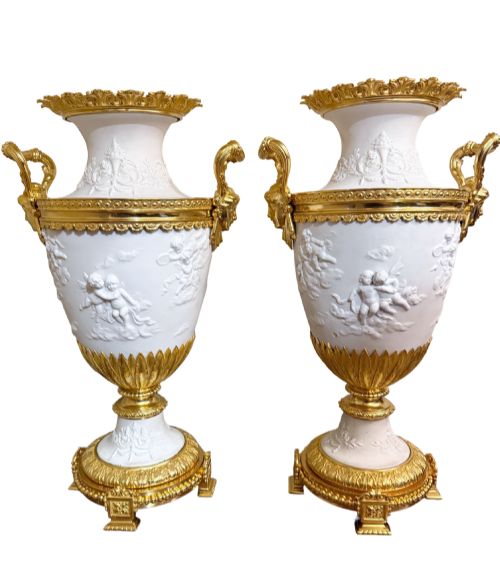
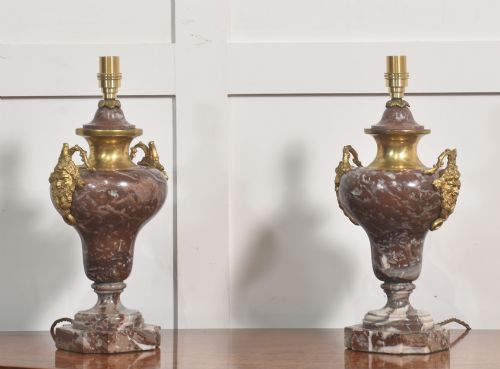
Foundries utilised cast iron and bronze for durable garden and library vessels, often employing lost-wax casting or sand-casting methods to achieve crisp relief details like Bacchic masks and putti. Ormolu and gilt bronze mounts were frequently applied to stone and marble bodies to provide contrasting metallic highlights.
Carved natural stones including Siena marble, rouge marble, and alabaster form the substantive bodies of many decorative examples. Skilled lapidaries turned these dense materials on lathes before mounting them on classical pedestals or plinths.
The selection includes cast iron, bronze, porcelain, marble, and terracotta materials spanning the nineteenth century.
Evaluating Quality
The refinement of the chasing and finishing on bronze and ormolu elements distinguishes superior examples from standard production pieces. Crisp undercutting in cast ornaments and the use of substantial, highly figured natural marbles indicate superior workshop execution.
Completeness of original components, such as matching lids, matching plinths, and untouched patination, elevates the standing of an item. Superior pieces retain their authentic mounting hardware and display harmonious proportions across both matched items.
Falkirk Carron Foundry·Coalbrookdale·Casier
The Pair of Classical Urns Glossary
- Campana
- A bell-shaped vessel with an inverted rim, widely utilised for classical garden and decorative urns. This silhouette derives from ancient ceramic and stone prototypes.
- Grand Tour
- A nineteenth-century travel tradition where wealthy collectors acquired classical bronzes and marbles in Italy. These souvenirs often replicated famous antique sculptures and architectural vases.
- Ormolu
- Gilded bronze metalwork applied as mounts, handles, or decorative feet on nineteenth-century decorative objects. The technique involves applying a gold amalgam to a bronze base.
- Spelter
- A zinc alloy cast into decorative figures and urns, often painted or bronzed to imitate heavier metals. It provided an accessible alternative to bronze during the nineteenth century.
Pair of Classical Urns: Frequently Asked Questions
Where should I place a pair of classical urns?
Large cast iron or terracotta examples suit garden terraces, stone plinths, and entranceways where they withstand weathering. Smaller bronze, marble, and porcelain versions work well on mantelpieces, sideboards, or as matched table lamps.
Positioning them symmetrically enhances architectural balance within a room or hallway. Ensure heavy stone and metal vessels rest on stable, supportive furniture.
How do I care for antique bronze and marble urns?
Dust bronze and gilt surfaces gently with a soft, dry cloth to prevent accumulation without disturbing the patination. Avoid abrasive cleaners or polishes that can strip thin gilding or damage patinated metal.
Keep marble and alabaster away from moisture and acidic substances to protect the polished stone surface. Gentle wiping with a damp cloth followed by immediate drying is sufficient for routine maintenance.
How can I tell the nineteenth-century period style?
Nineteenth-century interpretations of classical urns often draw directly from Regency, Louis XVI, and French Empire revivals. Look at the specific casting quality, patination, and the composition of the marble bases for period indicators.
Details like hand-chased bronze mounts and traditional construction methods help separate nineteenth-century productions from later twentieth-century decorative reproductions.
Were these urns originally made as lamps?
Many decorative urns and vases were later converted into table lamps during the nineteenth or twentieth centuries. Wiring was typically channelled through the centre without permanently destroying the original vessel body.
Unconverted decorative urns retain their solid bases and hollow interiors without electrical fittings. Both forms remain collectible depending on intended home usage.