


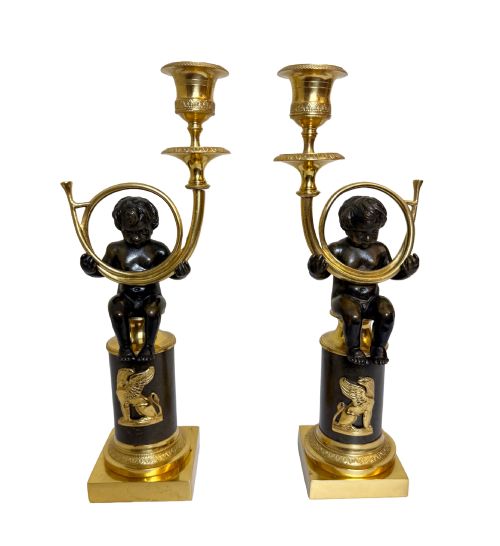
Pair of Bronzes
These curated pair of bronzes items bring classical balance, fine foundry work, and symmetrical decorative presence to any interior.
Pair of Bronzes
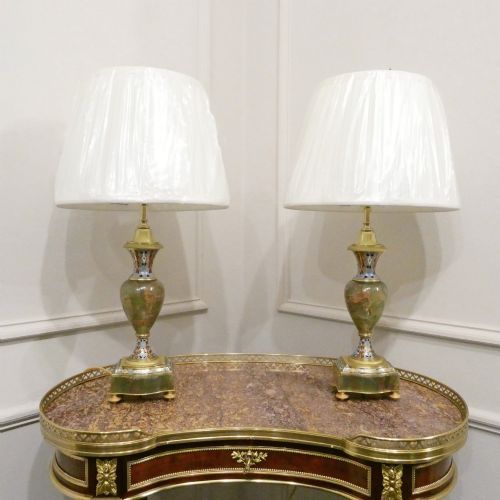
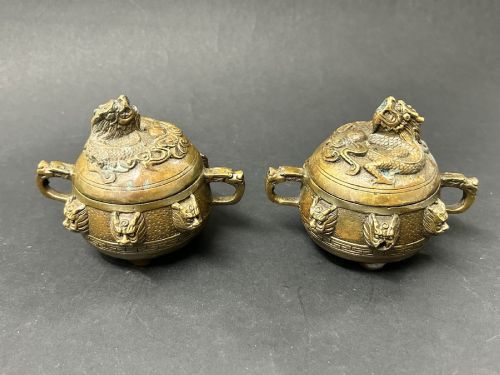
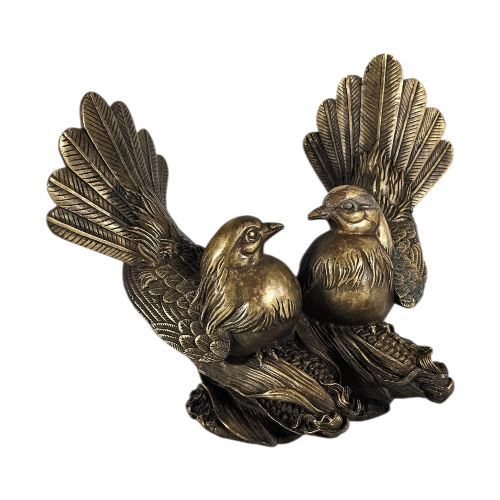
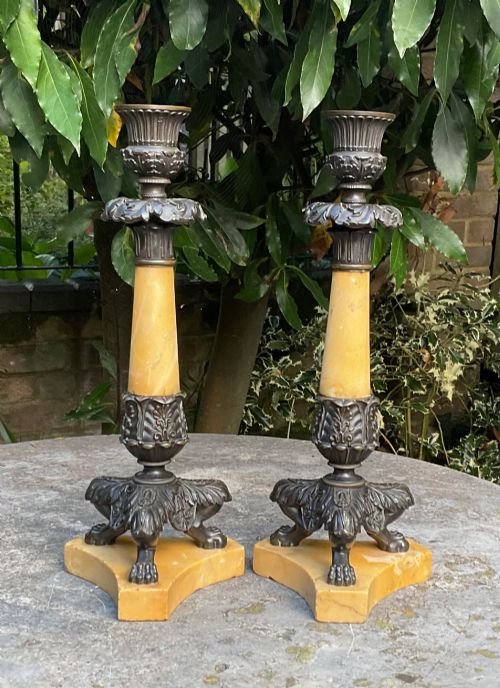
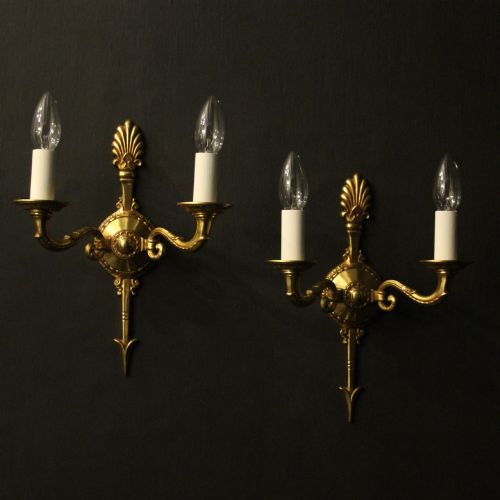
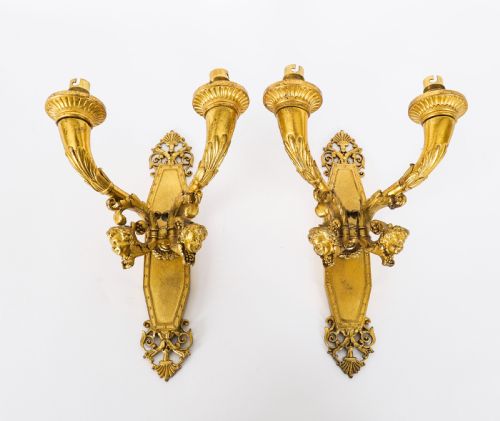
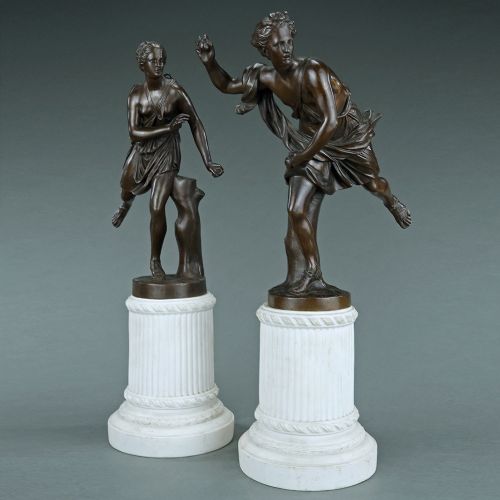
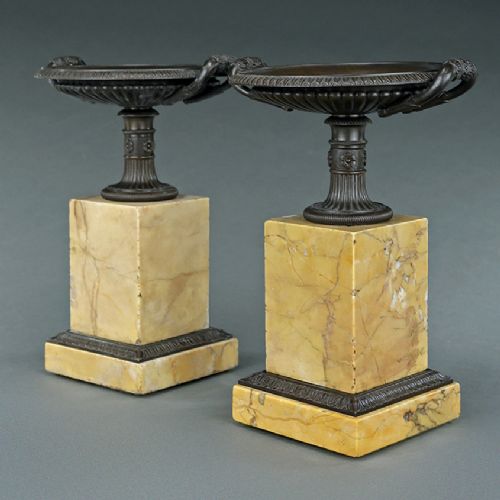
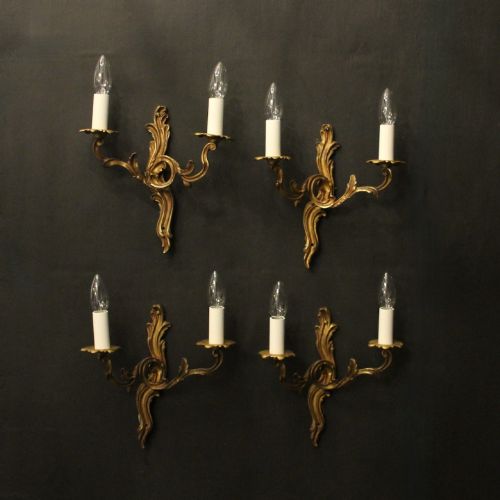
A pair of bronzes refers to matched sculptural works, candelabra, wall lights, and decorative objects cast in metal, frequently arranged symmetrically to flank a mantelpiece, console, or doorway. These matched sets embody the classical desire for balance and architectural harmony that drove European and Asian decorative arts over multiple centuries. Buyers selecting a pair of bronzes often look to anchor a room with mirrored visual weight and historical narrative.
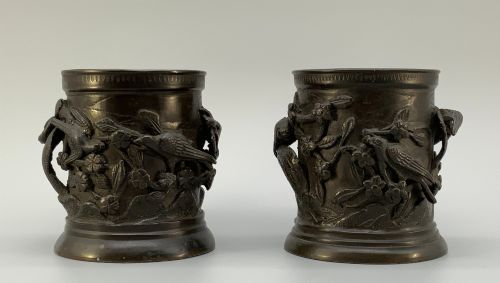
The selections available here span diverse origins, featuring French figural groups, Japanese Meiji period vases, Grand Tour classical reductions, and Regency lighting fixtures. Nineteenth-century French foundry work dominates the offerings, alongside earlier revival styles and twentieth-century interpretations. Each matched set demonstrates the dual casting technique required to create identical or complementary mirror-image sculptures.
Functional items such as wall sconces, candelabra, and table lamps appear alongside purely decorative figures and architectural ornaments. These utilitarian pieces combine practical illumination with sculptural ambition, often integrating marble bases or porcelain elements into the metal framework. Collectors acquire them both as standalone works of art and as operational furnishings for period interiors.
Casting materials and techniques
Foundries utilised the lost-wax casting method or sand casting to achieve intricate detail in bronze, brass, and spelter, often finishing the metal with chemical patination or mercury gilding known as ormolu. This foundational metalwork was frequently mounted upon white marble, onyx, or slate pedestals to elevate the sculpture and provide structural stability. Secondary materials such as champleve enamel, porcelain, and glass appear within the metal mounts to introduce colour and texture.
Chiselling and cold-working followed the initial cast to sharpen feathers, drapery folds, and facial expressions before final patination was applied. Gilt bronze elements required intensive labour to achieve the matte and burnished gold finishes characteristic of French Empire and Louis XVI revival objects. Patinated bronze and metal surfaces received chemical treatments to generate deep brown, green, or black tones that simulate ancient archaeological finds.
Watch for vigilant bronze sphinxes and watchful cranes standing guard on marble pedestals.
Distinctions in craftsmanship
The integration of secondary materials further separates tiers of execution, particularly in the fit of marble bases and the durability of the fire-gilding. Fine pairs display seamless joints between cast bronze elements and their stone or porcelain pedestals, alongside uniform patination that has aged evenly across both objects. Lesser pieces may show misalignment in mirrored components or uneven wear to surface gilding.
Barbedienne·Jean Gautherin·Mathurin Moreau·Jean Baptiste Germain
The Pair of Bronzes Glossary
- Ormolu
- Gilded bronze produced by applying an amalgam of gold and mercury to a bronze object and heating it to drive off the mercury. This technique creates a durable, rich golden surface typical of French decorative arts.
- Grand Tour
- A cultural journey undertaken by wealthy young Europeans to view classical antiquities, inspiring the production of reduced-scale bronze souvenirs depicting famous statues and architectural monuments.
- Champleve
- An enamelling technique where troughs or cells are hollowed out of the metal surface and filled with vitreous enamel before firing. The resulting coloured patterns contrast sharply with the surrounding bronze borders.
- Patination
- The chemical or natural coloration of a metal surface resulting from age, deliberate treatment, or environmental exposure. This protective and decorative layer defines the visual tone of the sculpture.
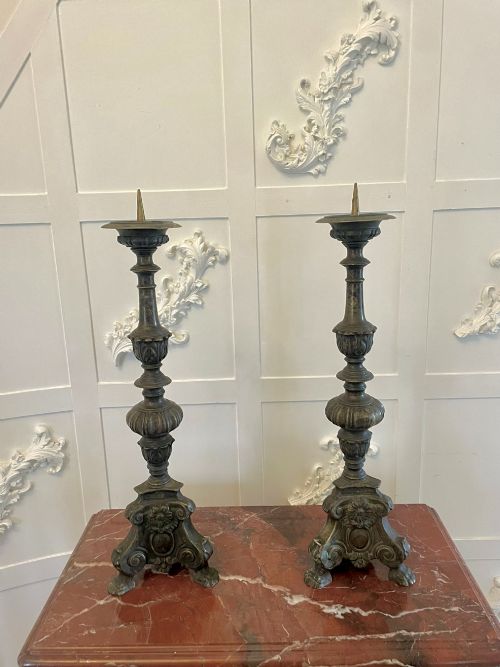
- Pricket
- A sharp metal spike fitted to the top of a candlestick or altar candleholder designed to impale the base of a wax candle. This medieval form persisted into later revival periods for ecclesiastical and decorative lighting.
Pair of Bronzes: Frequently Asked Questions
How do I clean antique bronze safely?
Dust surfaces gently with a soft brush and avoid commercial chemical dips that strip away historical patination.
Apply a microcrystalline wax sparingly if the metal requires protection against atmospheric moisture.
What is the difference between bronze and spelter?
Bronze is an alloy of copper and tin that yields high tensile strength and accepts crisp foundry chasing.
Spelter is a softer zinc-based alloy used as an economical substitute during the nineteenth century.
Why are some figures marked after classical sculptors?
Foundries frequently cast authorised reductions of famous ancient or Renaissance statues to supply the collector market.
These inscriptions indicate the artistic source rather than the direct hand of the original master.
How were candelabra used historically?
Matched pairs provided illumination on dining tables, sideboards, and mantelpieces before the widespread adoption of gas and electric lighting.
They functioned simultaneously as status symbols and decorative centerpieces during evening gatherings.