





Greek Mythology Figures
Greek mythology figures capture classic tales in bronze, marble and ink, offering a direct line to classical antiquity for your home.
Greek Mythology Figures
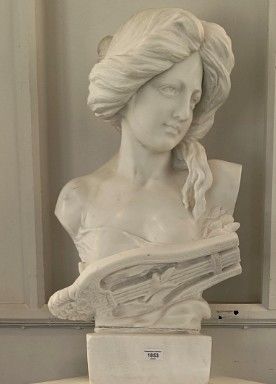
Greek mythology figures span sculptural bronzes, marble busts, and framed prints depicting classical deities, heroes, and mythological scenes.
Most pieces encountered here originate from the eighteenth and nineteenth centuries, including Grand Tour souvenirs and neoclassical works.
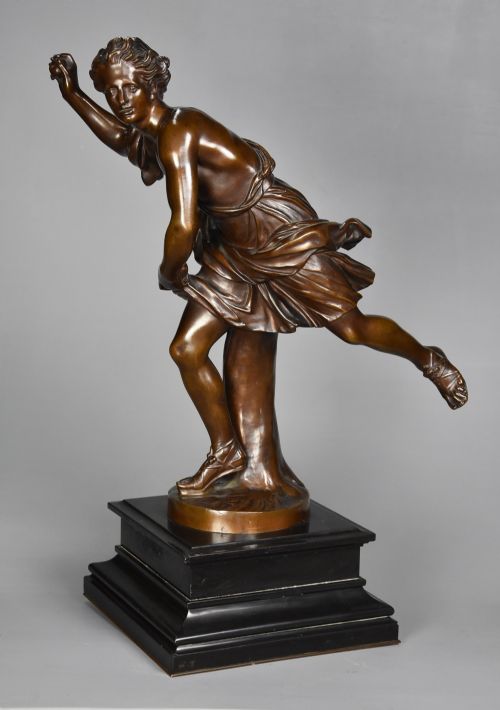
The selection ranges from large bronze statues of figures like Ajax and Perseus to delicate engravings and oil paintings.
Materials and methods
Foundry-cast bronze forms the backbone of the sculptural items, often utilising the lost-wax method to capture fine muscular detail and drapery.
Engravings and prints employ ink on paper, sourced from eighteenth and nineteenth-century publications documenting classical antiquities.
Selected works combine materials, pairing cast bronze figures with marble plinths or mounting oil paintings within ebonised wood frames.
Neoclassical and Classical Revival styles dominate the aesthetic, drawing directly from ancient Greek and Roman art.
Assessing quality
Sculptural quality rests on the crispness of the bronze chording and the fidelity of the cast to the original classical model.
Engravings and prints depend on the clarity of the plate impression and the preservation of the paper over centuries.
Signatures from established foundries or named artists elevate the standing of a piece within the broader tradition.
Barbedienne·John Flaxman·Franz Iffland
The Greek Mythology Figures Glossary
- Grand Tour
- A traditional trip of Europe undertaken by upper-class young European men of means in the 18th and 19th centuries. Souvenirs collected included small bronzes and classical prints.
- Neoclassical
- A Western cultural movement in the decorative and visual arts inspired by classical antiquity. It emphasises severe lines and heroic subjects.
- Lost-wax
- A metalcasting method in which a molten metal is poured into a mould that has been created by means of a wax model. This allows for intricate sculptural detail.
- Ebonised
- Wood that has been finished to look like ebony. It is commonly utilised for dark, polished picture frames surrounding classical prints.
Greek Mythology Figures: Frequently Asked Questions
What periods do these figures come from?
The pieces span the eighteenth, nineteenth, and early twentieth centuries. Many reflect the neoclassical tastes of the Victorian era and the Grand Tour tradition.
Dates range from eighteenth-century architectural and mythological engravings up to early twentieth-century bronze studies and illustrations.
How were Grand Tour bronzes used?
Travellers brought these smaller bronze sculptures home as physical reminders of their travels through Italy and Greece. They served as scholarly and decorative display pieces in studies and libraries.
Collectors placed them on desks, mantelpieces, or dedicated pedestals to signal classical learning and refined taste.
How do I identify a cast bronze?
Examine the weight, surface patina, and presence of foundry marks or artist signatures. Nineteenth-century casts often show deliberate chasing and cold-working after the metal cooled.
Look closely at the underside and joints for clues regarding manufacturing techniques and age.
How should I display framed prints?
Keep works on paper away from direct sunlight to prevent the ink and paper from fading. Ensure framing uses acid-free materials to protect antique engravings.
Pairing engravings in matching ebonised frames can create a cohesive wall display in a study or hallway.