


Antique Bronze Figural Pair
These antique bronze figural pair pieces combine sculptural presence with functional lighting or display, bringing nineteenth-century craftsmanship directly into domestic interiors.
Antique Bronze Figural Pair
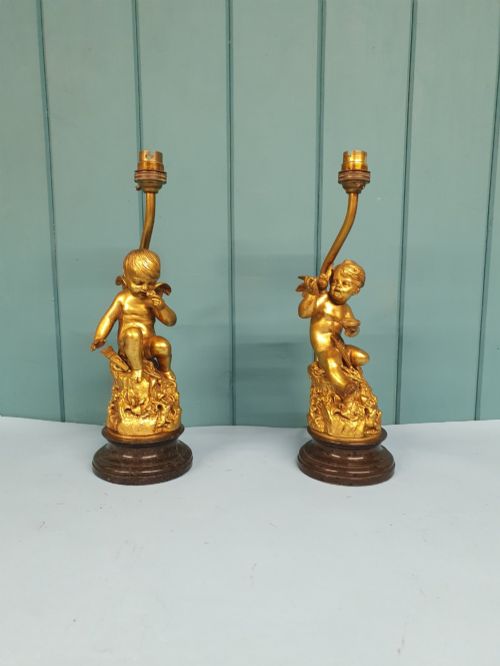
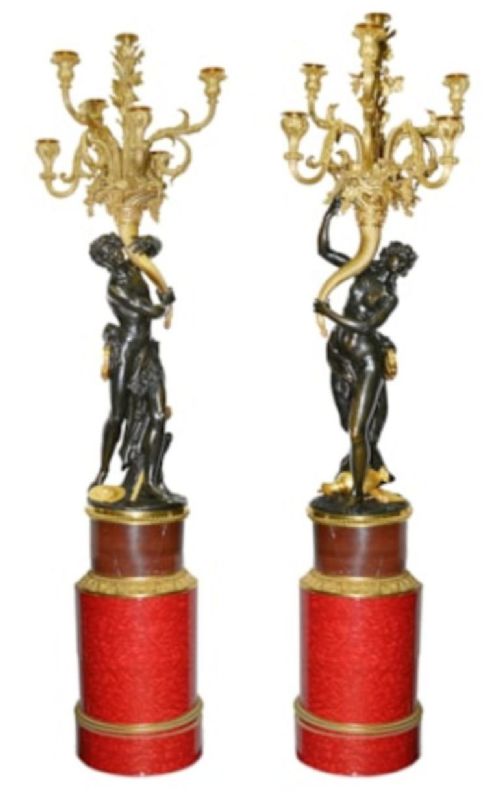
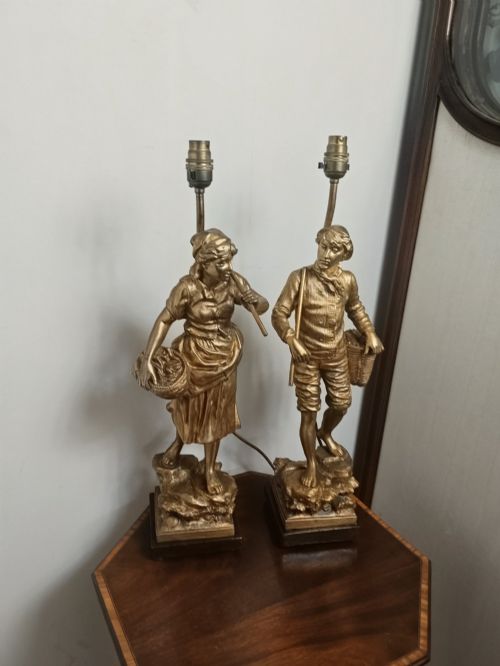
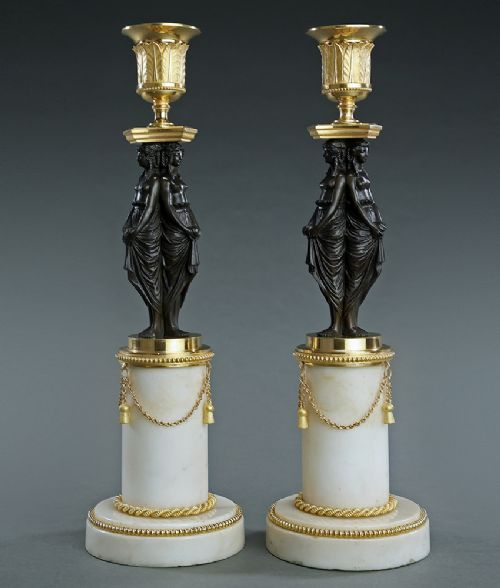
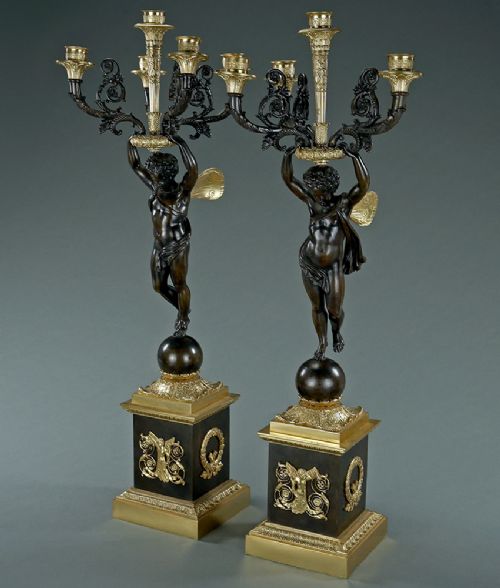
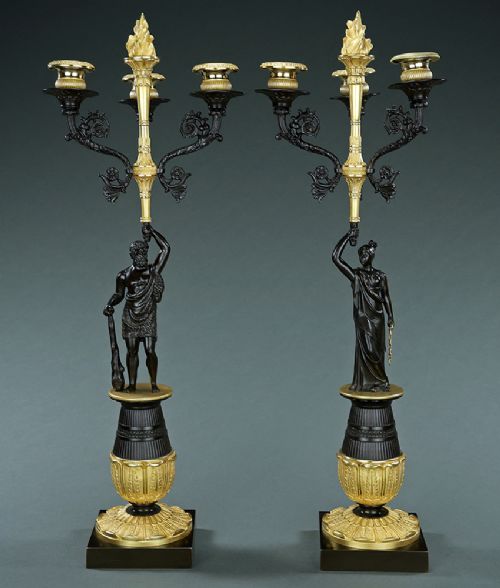
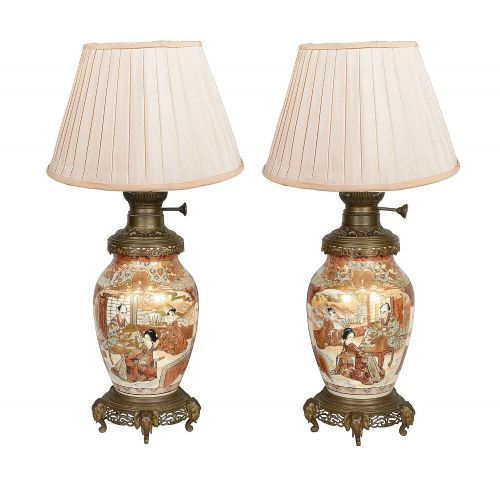
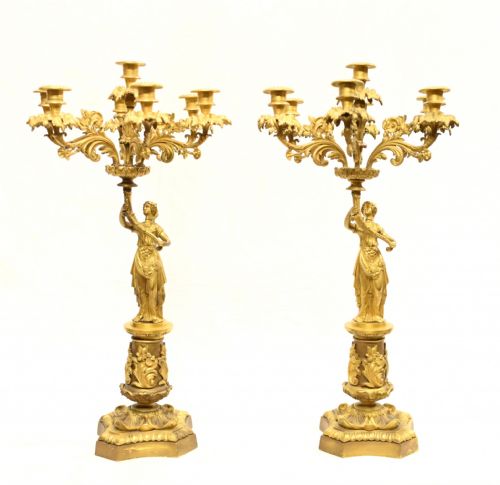
An antique bronze figural pair consists of matching sculptural figures cast in metal, frequently functioning as candelabra, candlesticks, table lamps, or torchères. These dual objects often depict mythological deities, cherubs, caryatids, or historical figures integrated into domestic hardware.
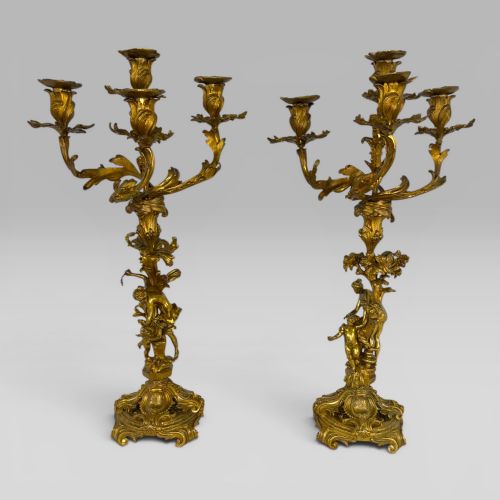
The selections appearing on this page stretch from Regency designs through to early twentieth-century interpretations, showing a strong leaning towards French Neoclassical, Louis XVI, and Rococo revival styles. Buyers encounter both utilitarian lighting supports and purely decorative mantle pieces or chenets.
Most entries are cast in continental European workshops, predominantly French houses, utilising patinated and gilt metals alongside supportive bases made of marble, onyx, or porcelain.
How They Were Made
Foundry work relied on traditional sand casting or lost-wax techniques, allowing intricate details like drapery, facial expressions, and foliate scrolls to emerge clearly from the molten metal. Artisans then chased the cooled surfaces by hand with chisels and files to sharpen the contours before applying chemical patination or mercury gilding.
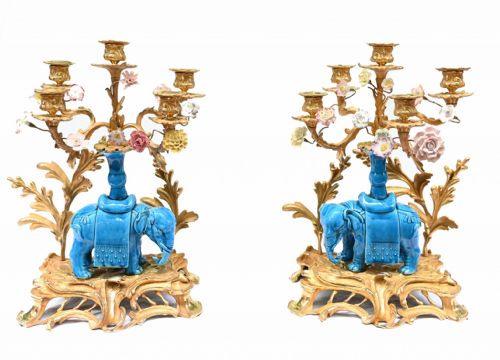
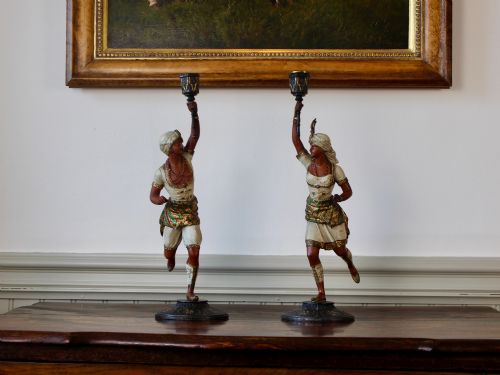
Many items combine bronze with ormolu, brass, or spelter, mounting the primary metal figures onto heavy stone plinths of marble or onyx to provide physical stability. Cold-painted finishes and applied gilt layers bring colour contrast to the darker patinated bronze surfaces.
Several figures keep company with domestic animals, including cats, dogs, and even elephants.
What Varies in Quality
The choice of secondary materials also separates standard production from finer output, with dense natural marble bases and heavy fire-gilded ormolu outlasting lighter brass or painted spelter alternatives.
E Rousseau·F. De Luca·H. Moreau·François-Christophe-Armand Toussaint·Jean Gautherin·Jules Salmson
The Antique Bronze Figural Pair Glossary
- Ormolu
- Gilded bronze produced by applying a mixture of mercury and gold to a bronze base and heating it until the mercury vaporised. This technique creates a rich golden surface found frequently on French decorative arts.
- Patinated bronze
- Metal darkened or coloured artificially through chemical treatments to imitate natural ageing or to accentuate sculptural depth. The resulting brown, green, or near-black tones highlight the modelled contours.
- Spelter
- A zinc alloy used as a less expensive substitute for bronze, often painted to simulate heavier metals. It appears frequently in nineteenth-century decorative figures and candlesticks.
- Torchère
- A tall ornamental stand or candelabrum designed to hold lights high above floor level. In figural pairs, these often take the form of classical maidens holding torches or light clusters.
- Chenet
- A metal fire dog placed inside a hearth to support logs. Elaborate pairs feature figural casts matching the style of surrounding mantel ornaments.
Antique Bronze Figural Pair: Frequently Asked Questions
How do I clean and care for antique bronze?
Maintenance requires only gentle dusting with a soft, dry cloth to prevent the accumulation of grit in recessed crevices. Avoid commercial metal polishes, abrasive cloths, or liquid cleaners, as these can strip away historic patination and surface gilding.
Keep the pieces away from direct heat sources and excessive moisture to protect any integrated stone bases like marble or onyx from staining and cracking.
Are these pieces wired for modern electricity?
Many items listed as lamps or torchères have been adapted for modern electrical use at various points in their history. Some retain original wiring conversions from the early twentieth century, while others preserve their original configuration as pure candle holders.
Buyers should examine specific listings to see whether a piece functions as a lamp or a traditional candelabrum, and consult a qualified electrician to check older wiring.
How can I tell the period of a figural casting?
Dating relies on stylistic clues, casting methods, and the choice of secondary materials like marble or ormolu. Regency and early nineteenth-century pieces often reflect strict Neoclassical or Empire motifs, while later decades embraced more ornate Rococo and Renaissance revivals.
Examining the underside of bases and the crispness of the hand-chased details helps distinguish mid-nineteenth-century masterworks from later commemorative reproductions.