

Pair of Art Deco Chairs
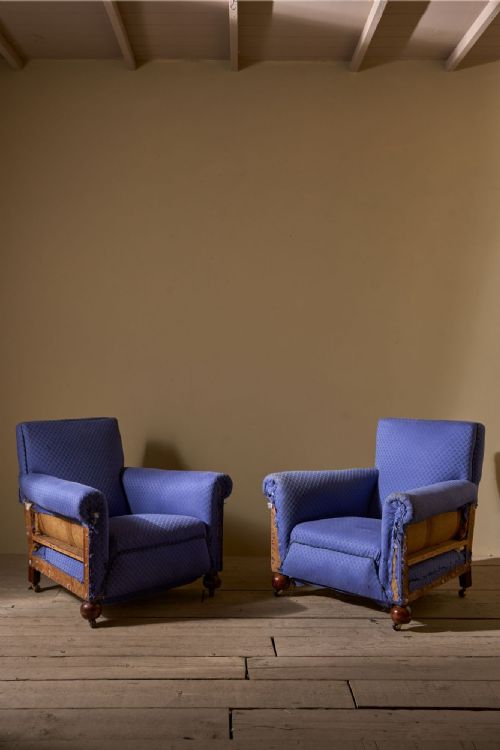
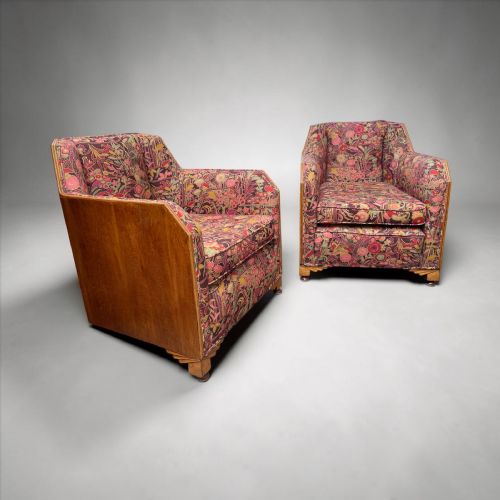
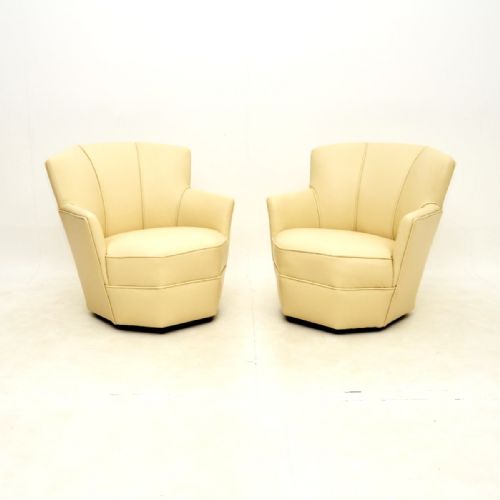
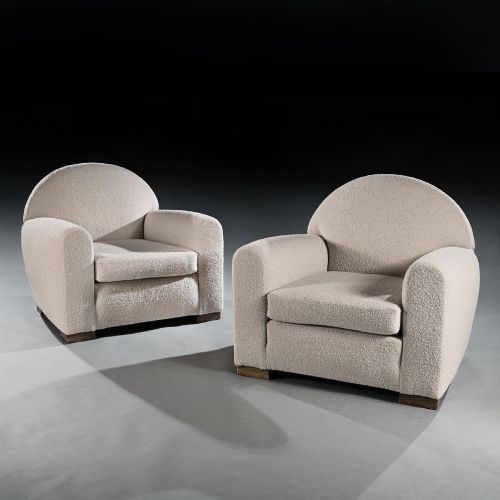
A pair of art deco chairs brings a strong architectural presence and comfortable seating to a room through distinctive twentieth-century styling.
Pair of Art Deco Chairs
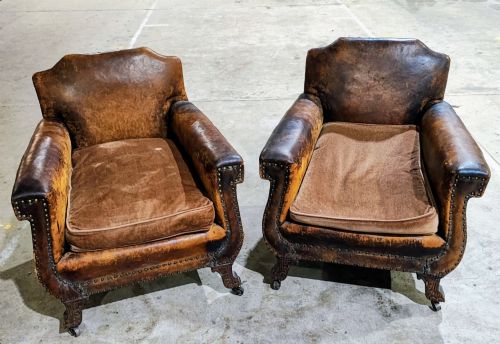
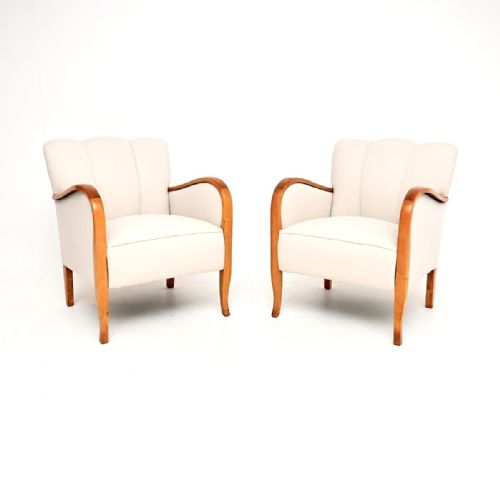
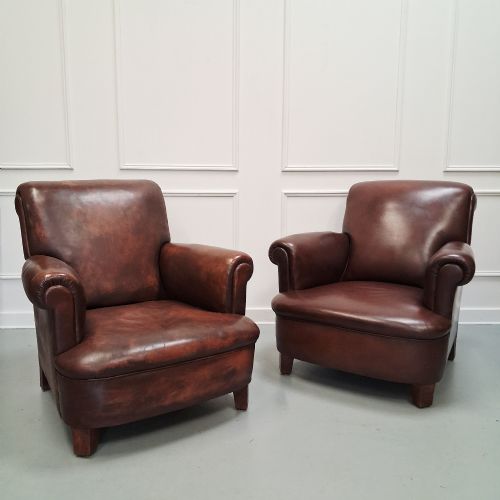
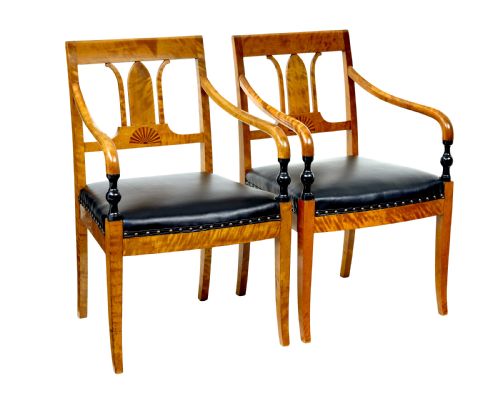
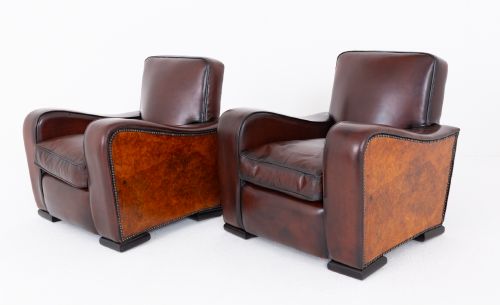
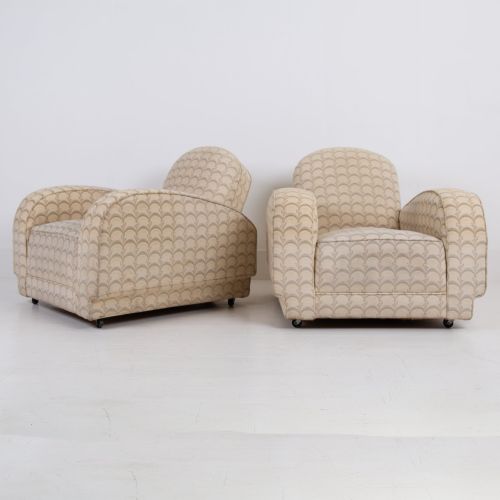
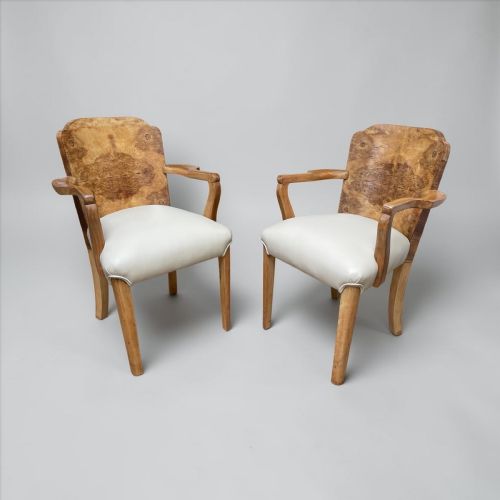
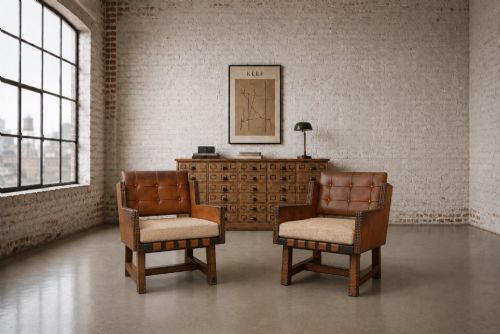
A pair of art deco chairs encompasses various seating forms designed primarily during the 1930s, alongside examples from the 1920s and 1940s. Buyers searching for a pair of art deco chairs will encounter armchairs, club chairs, and side chairs originating from Britain, France, Sweden, and Denmark.
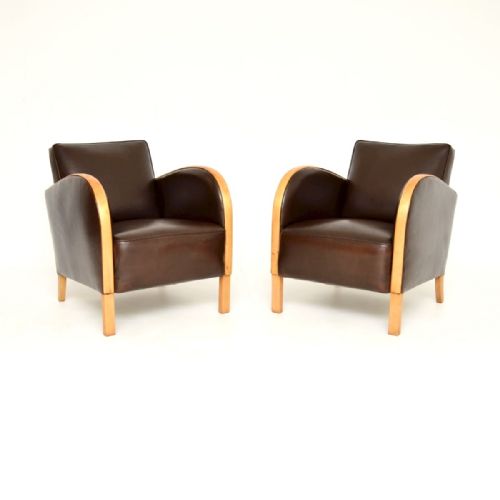
Armchairs dominate the available options, often featuring upholstered leather or fabric surfaces paired with timber frames. Variants range from substantial lounge seating to compact side and bridge chairs.
Materials and construction
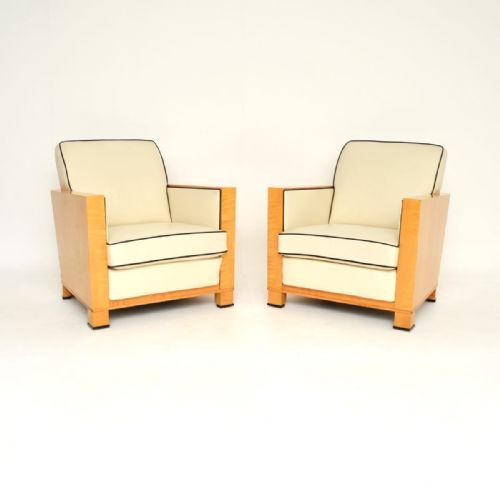
Construction relies heavily on timbers such as walnut, mahogany, oak, teak, and birch, frequently accented with veneers like satin birch and sycamore. Frames provide structural integrity while displaying the distinct grain patterns valued by period cabinetmakers.
Upholstery materials combine leather, velvet, linen, and wool, often secured with traditional button-back techniques or smooth fitted panels. Brass detailing and cane seating occasionally supplement the primary wood and hide combinations.
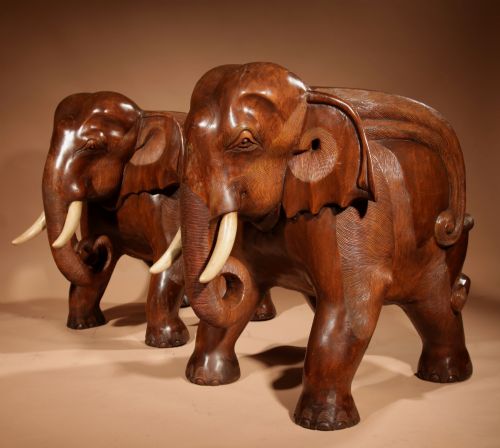
Elephant arm chairs from the 1920s remind us that period designers occasionally drew inspiration from the animal kingdom.
Factors of distinction
Quality rests upon the execution of the woodwork and the integrity of the original materials, where figured veneers and solid hardwood frames distinguish finer examples from standard production. The precision of joinery and the retention of original upholstery components indicate superior craftsmanship.
Design attribution plays a significant role in valuation, particularly pieces associated with known makers whose output defined the period aesthetic. The harmony of matching pairs, alongside the preservation of surface patination on leather and timber, separates exceptional specimens from ordinary survivors.
Harry and Lou Epstein·Hille·Heals
The Pair of Art Deco Chairs Glossary
- Club chair
- A deep, comfortable armchair designed for relaxation, frequently upholstered in leather with generous armrests. These seats gained popularity for their robust proportions and supportive cushioning.
- Satin birch
- A pale, lustrous timber utilised extensively in Scandinavian cabinetmaking for its decorative grain. It provides a striking contrast when paired with dark leather or polished frames.
- Bergere
- An enclosed upholstered armchair with a wooden frame, often featuring cane work on the sides or back. This classic French seating form frequently appears in refined period iterations.
- Cloud back
- A distinctive rounded upholstery style where the backrest resembles the soft contours of a cloud. This design is particularly associated with prominent London workshops of the era.
Pair of Art Deco Chairs: Frequently Asked Questions
Where should I place these chairs?
These chairs suit living rooms, studies, and bedrooms where their distinct silhouette can function as a focal point. Matching pairs work effectively positioned opposite a fireplace or flanking a central table.
Smaller side or bridge chairs fit well in hallways or dressing areas where floor space is limited.
How do I care for the leather?
Leather upholstery benefits from regular dusting with a soft, dry cloth and occasional treatment with appropriate leather conditioners to prevent drying. Keeping the material away from direct heat sources preserves the natural hide.
Avoid harsh chemical cleaners that can strip the original finish and patination.
Are these chairs comfortable for daily use?
Most variants, particularly club and lounge chairs, offer deep cushioning and supportive backrests intended for prolonged seating. The ergonomic design prioritises relaxation alongside aesthetic appeal.
Occasional and side chairs feature firmer, upright seating suited to dining or desk use rather than lounging.
How can I identify Swedish examples?
Swedish pieces often feature pale timbers like satin birch and clean, streamlined silhouettes influenced by Nordic modernism. The woodwork frequently highlights natural grain patterns with minimal ornamentation.
Upholstery on these items tends to utilise understated fabrics or complementary leather tones.